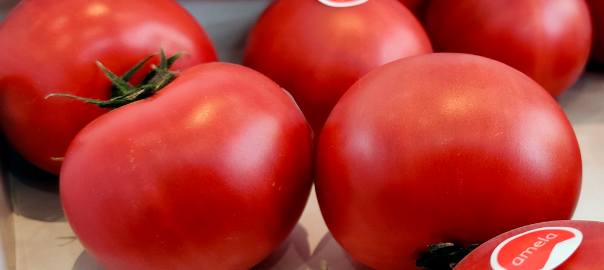
Auch in diesem Jahr war der Innovationspreis der FRUIT LOGISTICA wieder ein echter Besucher-Magnet. Das Setup der Präsentation der Innovationspreis-Teilnehmer unterschied sich diesmal jedoch von dem der letzten Jahre.
Die Messe Berlin hatte sich dazu entschieden die zugehörigen Stände in Halle 20 aufzubauen. Dies war insbesondere auf Grund der stets schlechten Akustik und Nähe zur Messe-Gastronomie am vorherigen Standort vor Halle 21 eine weise Entscheidung, denn nun konnten sich die Besucher deutlich entspannter den Präsentationen der Innovatoren widmen.
Die kurze Übersicht der diesjährigen Teilnehmer nebst Steckbrief beginnen wir mit dem Gewinner des Innovationspreises der FRUIT LOGISTICA 2022.

Mit der Intense (Gewinner 2008), einer Fleischtomate und der YOOM (Gewinner 2020) hatten bereits zwei Tomaten aus den Niederlanden Erfolge erzielen können. Diesmal kam die Tomate aus Spanien und entsprang einer japanisch/spanischen Kooperation.
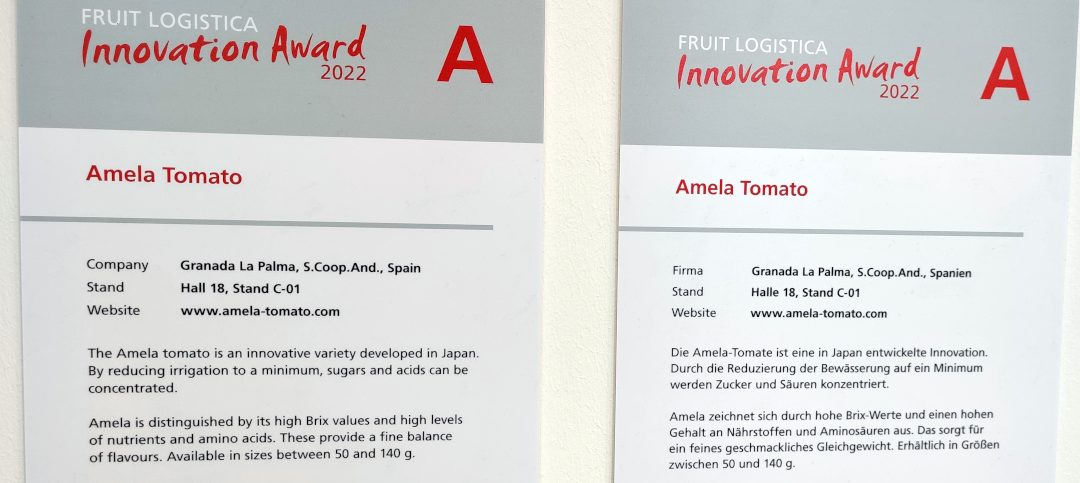
„Amela® Tomato“, Granada La Palma, S.Coop.And., Spanien

Zu Beginn gratulieren wir dieser Kontinente übergreifenden Zusammenarbeit natürlich recht herzlich zum 1. Platz des diesjährigen Innovationspreises.
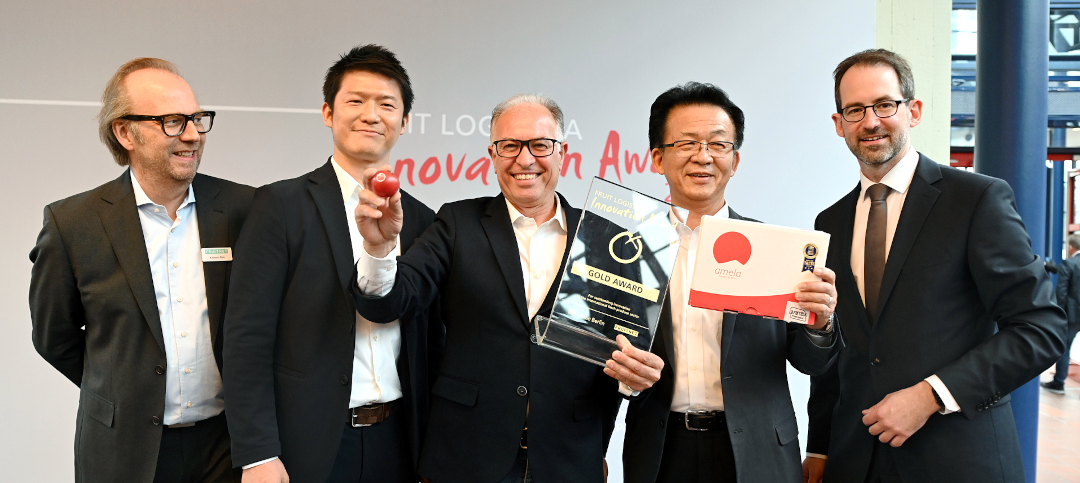
Der Fokus der Produzenten der Amela® Tomate lag zum einen, wie soll es anders sein, auf dem Geschmack, zum anderen aber auch auf Nachhaltigkeit durch Wasser-Sparsamkeit.
Die Amela®-Tomate braucht nämlich deutlich weniger Bewässerung als die Tomaten ihrer Mitbewerber, was in der heutigen Zeit einen echten Wettbewerbsvorteil darstellt und zudem geschmacklich einen positiven Unterschied bewirkt.
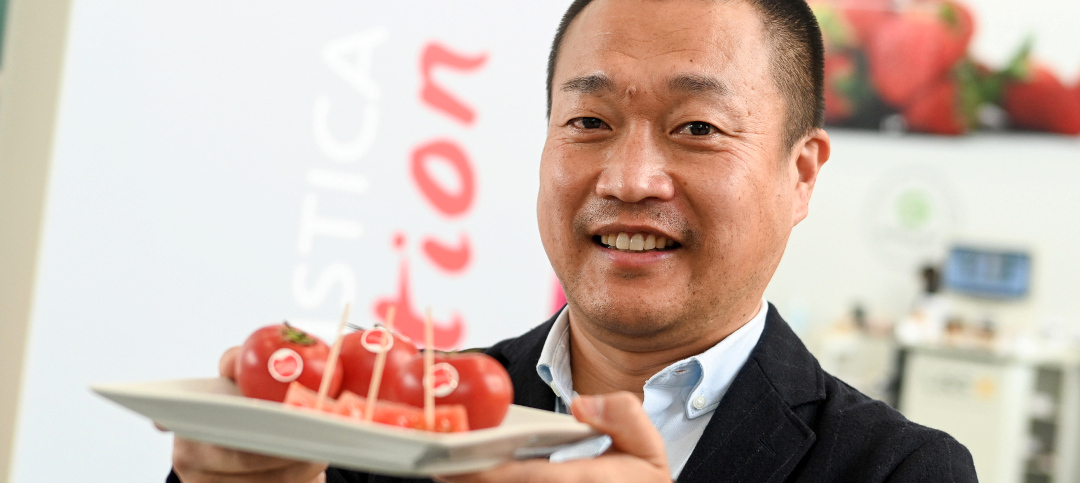
Die Amela® Tomate hat ihren Ursprung 1996 in Japan, genauer gesagt in der Region um die Stadt Shizuoka. Von hier stammt auch der Name Amela®, der im dortigen Dialekt weitestgehend mit süß übersetzt werden kann. Die Anbautechnologie bedingt das diese Sorte sich durch einen hohen Brix Grad (um die 9 °Bx | Grad Brix, Quelle: Wikipedia) auszeichnet und somit deutlich süßer schmeckt als Tomaten im Allgemeinen.
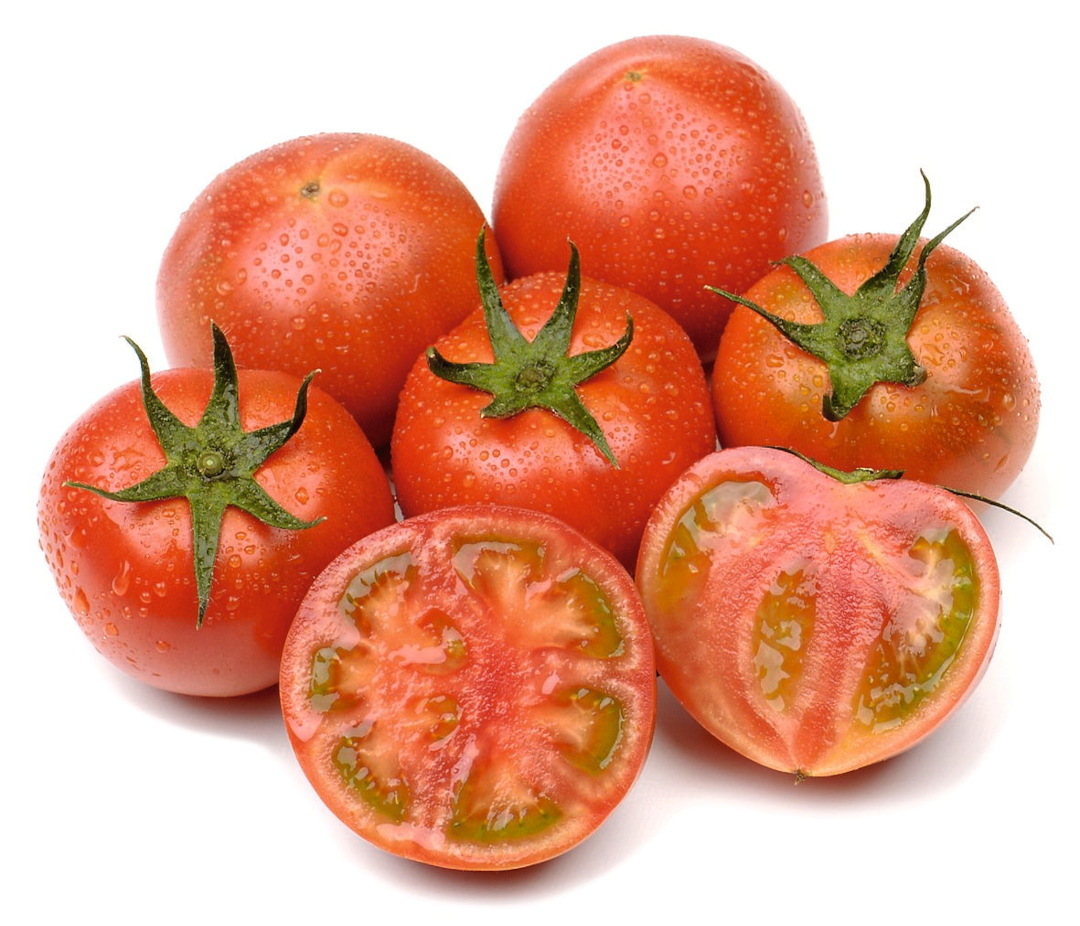
Durch die Reduktion des Wasseranteils treten geschmacklich die Komponenten Zucker und Säure deutlicher hervor, was neben dem angenehmen Umami-Geschmack zu einer nahezu obstähnlichen Geschmacks-Wahrnehmung führt. Neben der Süße hat die Tomate natürlich auch die Vitamine A, B und C sowie einiges an Kalium, Eisen und vielen anderen wichtigen Spurenelementen zu bieten, die es braucht sich gesund zu ernähren.
Die Amela®-Tomate sollte idealerweise bei Raumtemperatur gelagert und auch mit solcher verzehrt werden, nur so ist sichergestellt das die gesamte geschmackliche Bandbreite dieses Gemüses auch erfasst werden kann. Eine Auswahl dessen, was man mit dieser tollen Tomate alles „anrichten“ kann findet sich auf der Rezepte-Seite des Produzenten.
Seit 1996 hat diese Tomate einen regelrechten Siegeszug angetreten und ist mittlerweile nicht nur in Japan eine der beliebtesten Tomatensorten. So kam es das die Amela® ihren Weg nach Europa, genauer gesagt nach Spanien fand, denn wie jeder weiß geht auch dort kulinarisch nichts ohne ordentliche Tomaten auf dem Tisch.
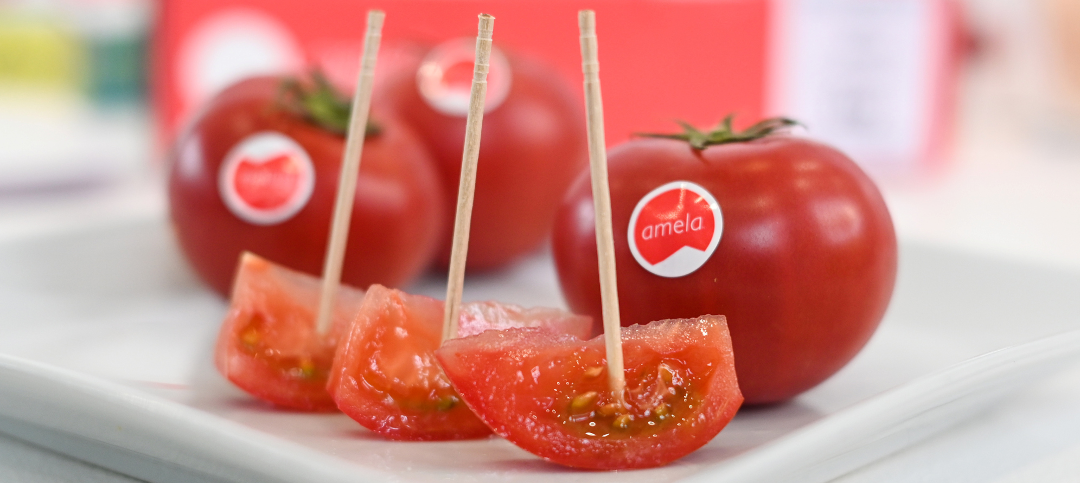
So kam es zu einer Kooperation der Japaner mit der seit gut 50 Jahren bestehenden Spanischen Landwirt-Genossenschaft Granada La Palma SCA. Die Amela® wird nun also auch im Süden von Granada nach den traditionellen japanischen Techniken angebaut und ist damit sozusagen feld-frisch für den europäischen Markt verfügbar. Wir wünschen viel Freude beim Verkosten (www.amela-tomato.com).
Flying Autonomous Robots (FARs)™ Tevel Advanced Technologies Ltd, Israel
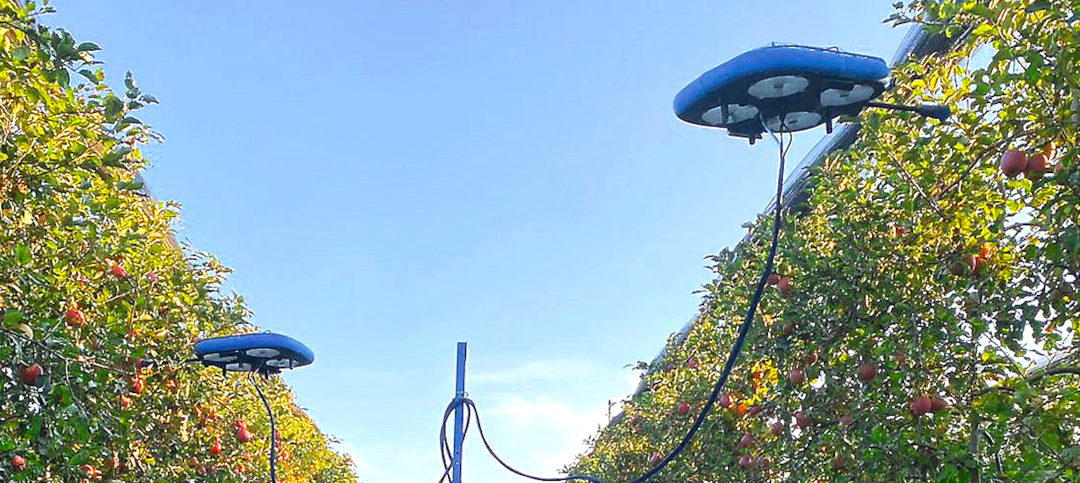
Das israelische Unternehmen Tevel bringt mit Ihren futuristischen Gerätschaften zum Pflücken von Obst & Gemüse die Künstliche Intelligenz auf Felder und Anbauflächen. So bahnen sich in der nahen Zukunft Einheiten mit mehreren drohnenartigen Pflückrobotern ihren Weg durch Apfel-, Granatapfel oder auch Orangen-Plantagen. Die Einheiten können von den Produzenten kurzfristig angefordert werden und durchlaufen dann vor Ort eine kurze Kalibrierung bevor sie ihre Arbeit beginnen.
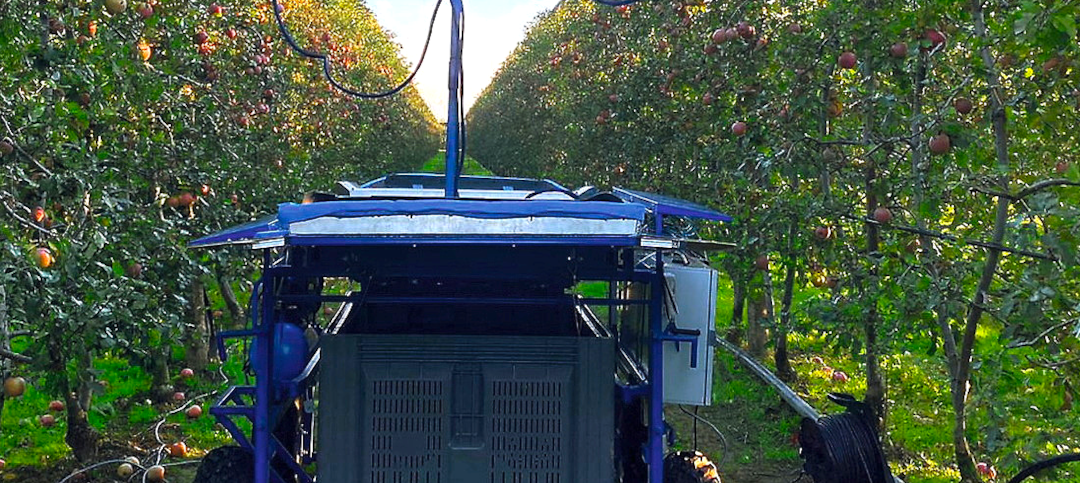
Nicht zuletzt durch die Pandemie bestand eine Herausforderung darin, die Ernte unabhängiger von der Verfügbarkeit von Saisonkräften umsetzen zu können. Oftmals ist es auf den Plantagen derart heiß, dass der Einsatz von Pflückern über den Tag schwierig war.
Zudem müssen neben buchhalterischen Aspekten wie den benötigten Visa, den Hin- und Rück-Flügen auch Unterkünfte errichtet und unterhalten werden – dies alles ist nicht unbedingt klimaneutral, was eine zusätzliche Triebfeder für die Entwicklung von Tevel war.
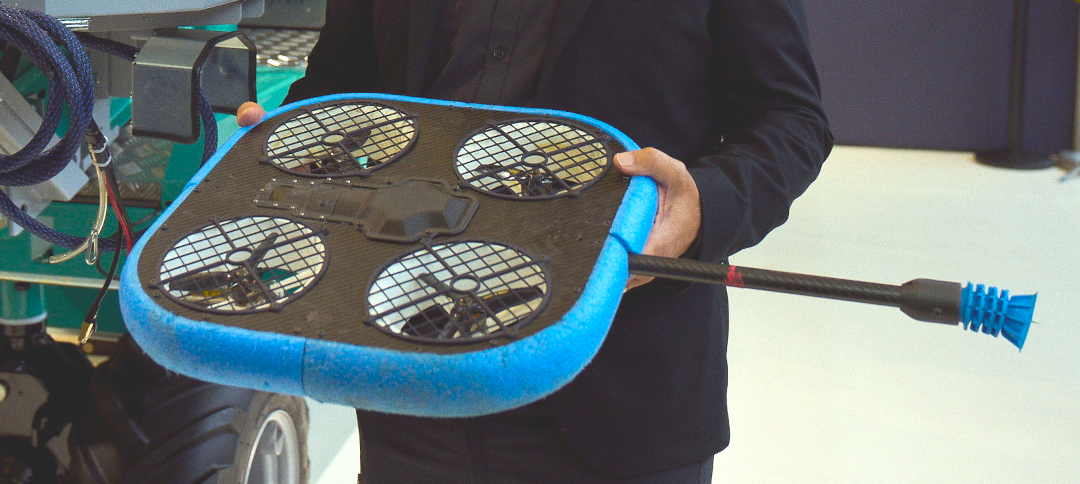
Je nach Erfordernissen werden die Roboter mit Greifern oder Saugaufsätzen versehen und pflücken dann ganz autonom das jeweilige Obst oder Gemüse und verbringen es in die zugehörigen Basis-Stationen und dies, wenn nötig 24/7. Hierbei können die Roboter den Reifegrad des Pflückgutes einordnen und so bleiben Früchte, die noch etwas Zeit zur Reife benötigen unangetastet. (Anmerkung der Redaktion: Hier könnte in Kombination mit TOMRA`s Sensorentechnik sicher ein zusätzlicher Meilenstein erreicht werden.)
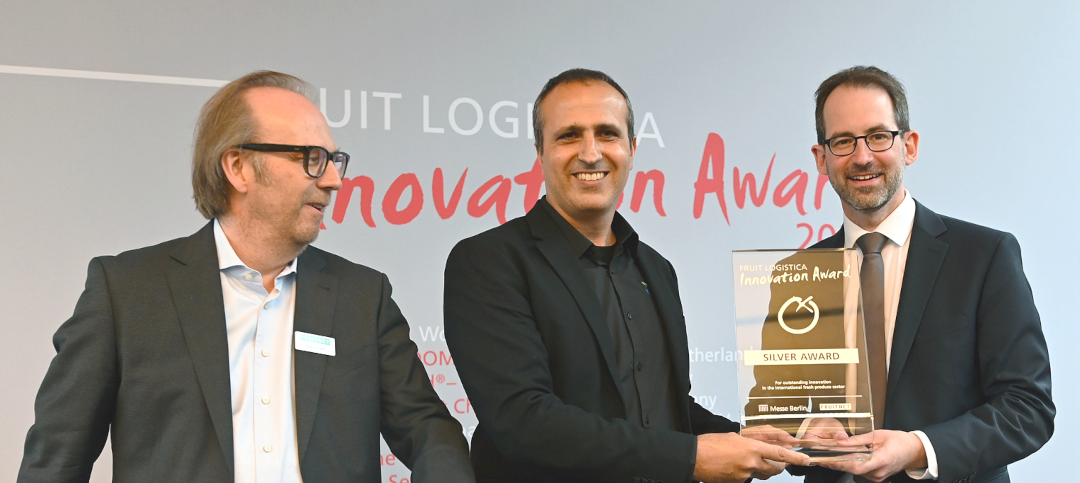
Der Ansatz endet natürlich nicht mit dem Sammeln, sondern inkludiert hierbei ein ganzheitliches Vorgehen. So können die Pflückanlagen stringent über eine Management-Oberfläche ge-monitored werden und zeitgleich Berechnungen der gesammelten Mengen und viele weitere Parameter die für den jeweiligen Betrieb von Bedeutung seien können beigebracht werden. Tevel belegte in diesem Jahr den 2.Platz des Innovation-Awards (www.tevel-tech.com).
iStem™ Syngenta Seeds BV, Niederlande
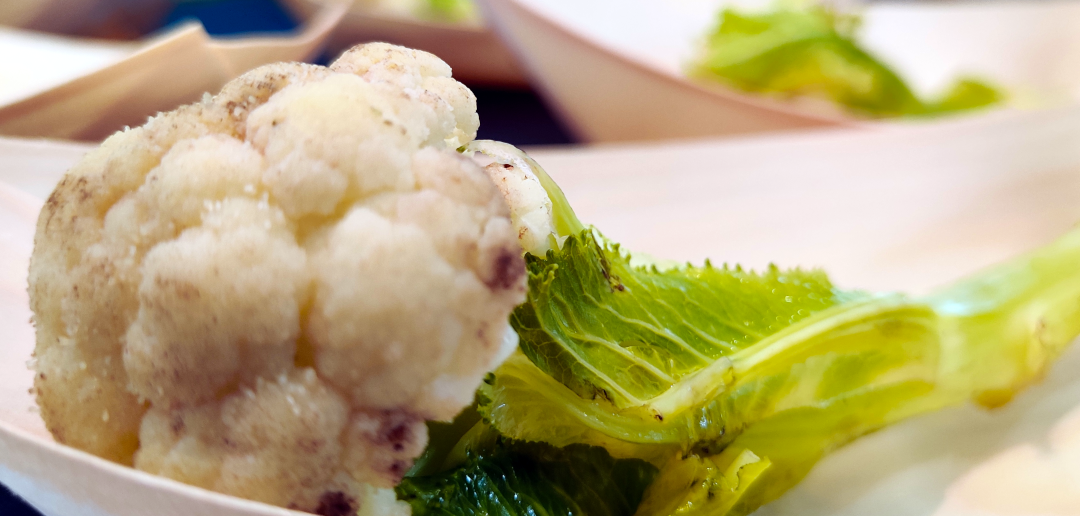
Nicht nur in Deutschland ist der Blumenkohl beliebt – als Ersatz für das klassische Schnitzel feiert das sogenannte Blumenkohlschnitzel nicht nur bei Vegetariern immer wieder Erfolge. Syngenta Seeds aus den Niederlanden hat sich nun der Herausforderung verschrieben, diesen beliebten Kohl noch Nachhaltiger verwerten zu können.
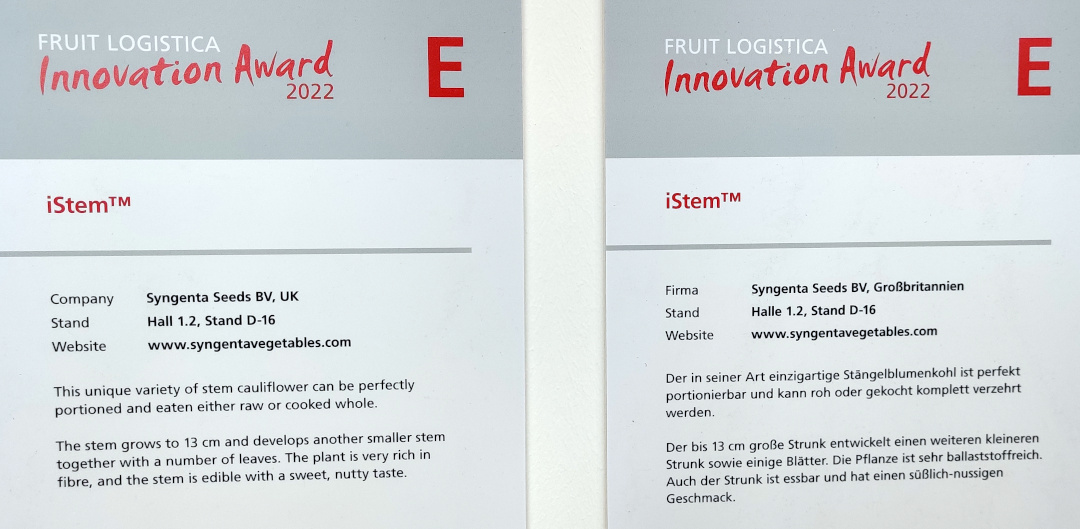
So soll bei der Verwendung des bis zu 13 cm langen Kohl-Strunks nahezu kein „Schwund“ mehr in die Tonne kommen. Hierbei kann der gut zu portionierenden neuartige Stängelblumenkohl ebenso roh wie gekocht, gedämpft oder gegrillt verzehrt werden – und dies im Ganzen. So können auch die Blätter dieses ballaststoffreichen Kohls verzehrt werden. Der Stängelblumenkohl wartet mit einem süßlich-nussigen Geschmack auf und sollte bestenfalls al dente (al dente, Quelle: Wikipedia) zuzubereiten werden, denn knackig schmeckt er am besten.

Bei der FRUIT LOGISTICA 2020 hatte das Unternehmen bereits mit der YOOM Tomate den ersten Platz beim Innovationspreis gewonnen – diesmal belegten die Niederländer den 3. Platz (www.syngentavegetables.com). Einen kleinen Clip zu zum Innovation Award Bronze-Gewinner findet Ihr im Übrigen auch auf YouTube: https://youtu.be/knCgogTvVIg.
Amoresco® HM.CLAUSE SAS, Frankreich

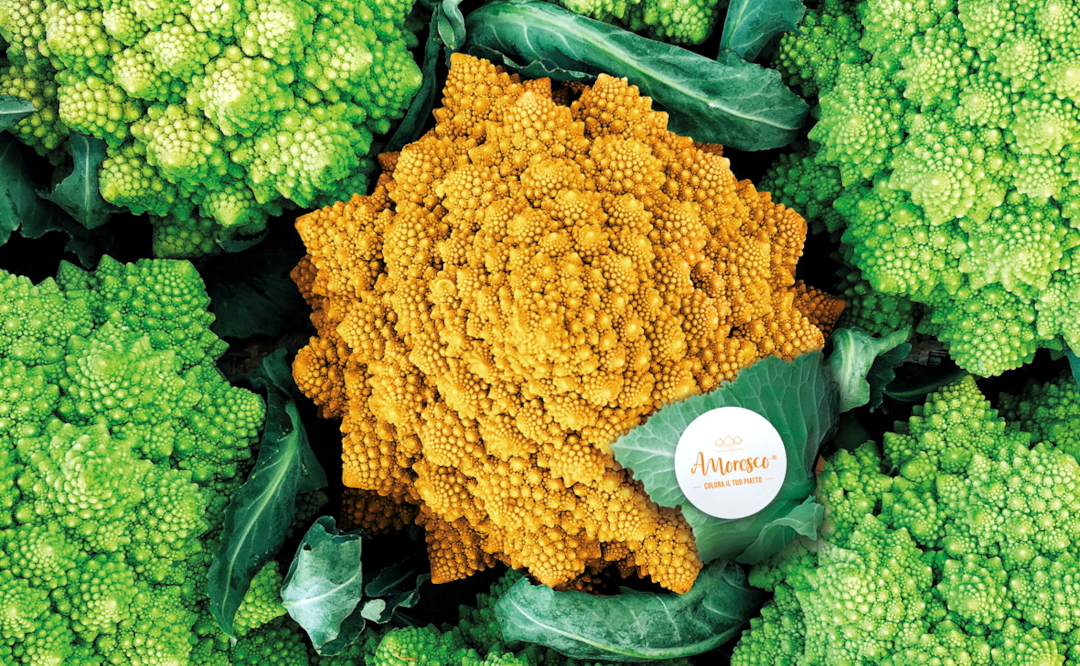
Die Meisten von uns kennen ihn – Romanesco-Blumenkohl – ein ganz besonderer Kohl, der nicht zuletzt ein optischer Leckerbissen ist. Die sich stetig wiederholenden Windungen erinnern an die Mandelbrot-Menge (Mandelbrot, Quelle: Wikipedia), wenn wir ihn auf unseren Tellern finden.
Mit dem Amoresco® erhält man den Romanesco-Blumenkohl von HM.Clause seit Anfang 2021 (Einführung in Italien) nun frisch den Winter hindurch auch in Orange – deutlich reicher an Beta-Carotin, behält er seine strahlende Farbe auch nach dem Kochen und sorgt somit für bunte Teller und ausreichend Vitamine auch in der kalten Zeit.

Den Rest des Jahres wird der Amoresco® natürlich auch angeboten, dann jedoch aus dem Tiefkühler – was das Produkt somit ganzjährig verfügbar macht und dem Genuss keinen Abbruch tut.
Wir empfehlen diesen Romanesco stets al dente (al dente, Quelle: Wikipedia) zuzubereiten, den so bleibt er knackig und kann bereits im Mund mit seiner einzigartigen Textur auftrumpfen.
Wir wünschen viel Freude beim Probieren (www.hmclause.com).
Genap Energy Cover Genap B.V., Niederlande
Das Niederländische Unternehmen Genap ist Experte für Folienkonstruktionen und deren Anwendung im Gartenbau, Landwirtschaft sowie bei Tiefbauprojekten.
Ein weiteres Spezialgebiet von Genap sind schwimmende Abdeckfolien, beispielsweise für Biogasanlagen, Bewässerungsbecken und Güllebecken.
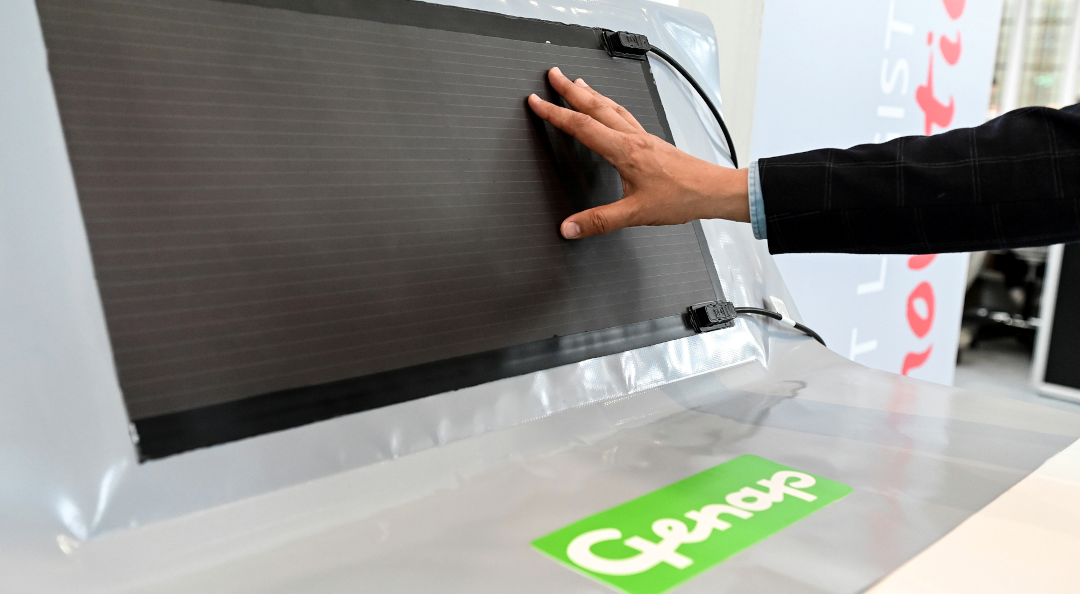
Für den FRUIT LOGISTICA Innovations-Preis hat sich das Unternehmen mit dem Genap Energy Cover beworben. Hierbei handelt es sich um eine schwimmende Abdeckung für Bewässerungsbecken, die über integrierte Solarpaneele zugleich umweltfreundliche Energie gewinnen kann.
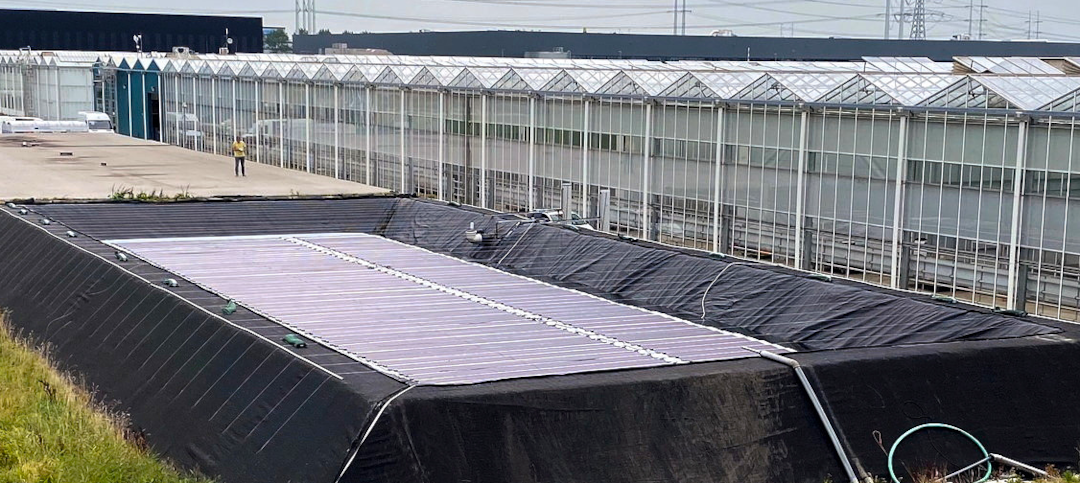
Eine gelungene Innovation finden wir – genau solche Ansätze braucht es, um den energetischen Herausforderungen unserer Zeit gerecht zu werden. Eine Technologie alleine wir für die Zukunft nicht ausreichen, hier macht es die Mischung – den nur eine Vielfalt an unterschiedlichen Lösungen bringt uns dem Ziel der energiepolitischen Unabhängigkeit näher (www.genap.nl).
Red Crush® Gautier Semences, Frankreich
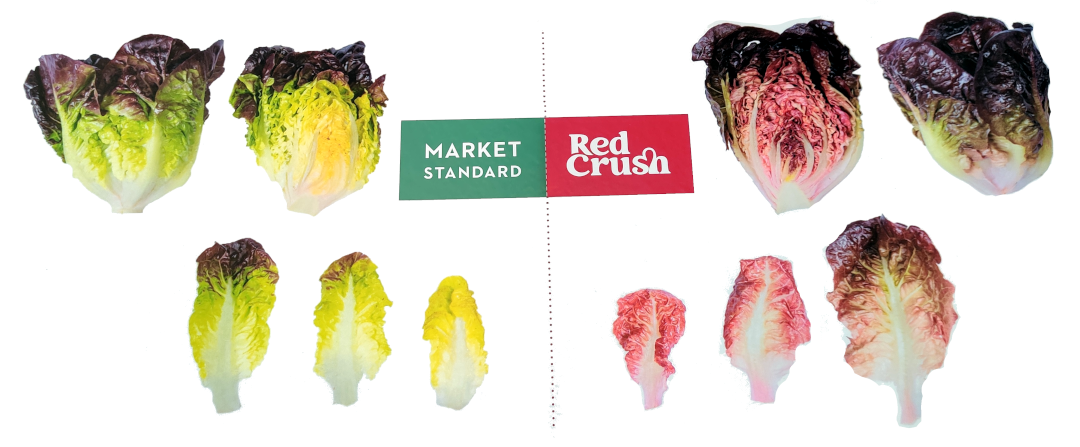
Das Unternehmen Gautier Semences aus Frankreich wartete beim Innovation-Award mit drei Variationen ihres Red Crush® auf. Beim Red Crush®, den es in drei Unterschiedlichen Variationen gibt, handelt es sich um den ersten Salat der bis ins Herz nahezu 100%ig rot ist.
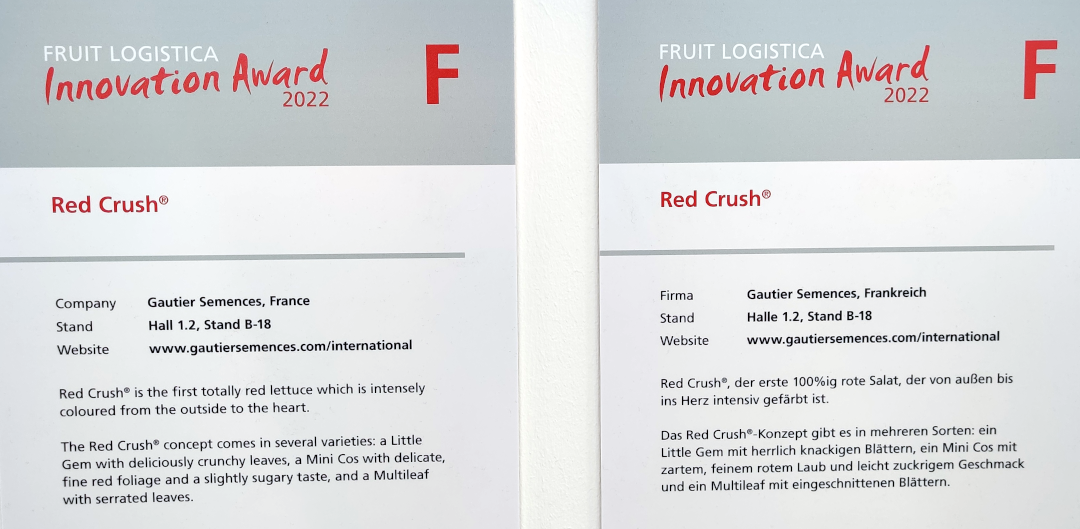
Da wäre zuerst das „kleine Juwel“, welches sich sowohl für den Freilandanbau als auch für den Hydrokulturanbau eignet. Es handelt sich hierbei um einen Salat mit aufrechtem Wuchs und einem dichten, intensiv roten Herz mit sehr knackiger Textur – ein Allrounder sozusagen.
Die zweite Variation ist der „Mini cos“, welche sich hervorragend für den Freilandanbau unter gemäßigten Bedingungen eignet. Die Blätter sind glatt, sehr zart und weisen einen leicht süßlichen Geschmack auf.
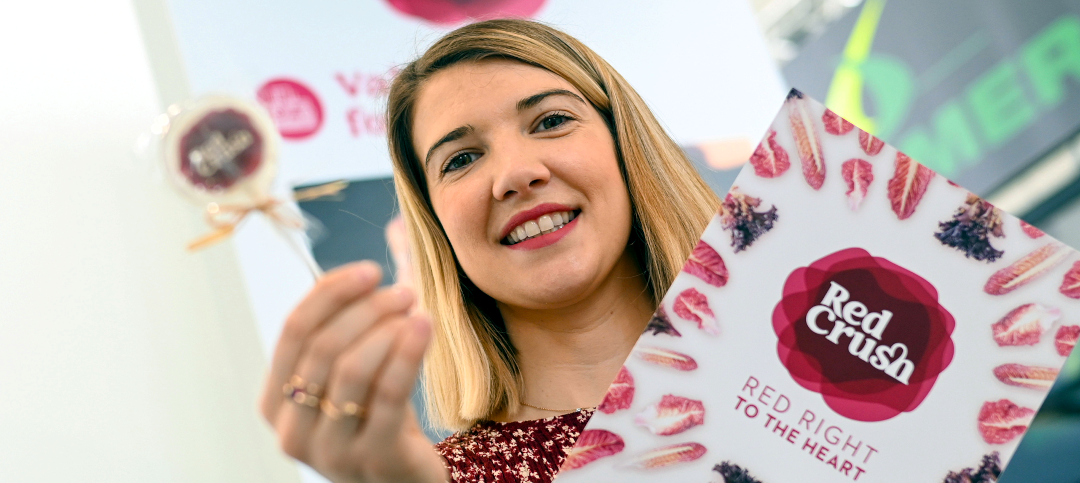
Die dritte Variation heißt „multi-leaf“, sprich mehrblättrig – hierbei handelt es sich um einen Salat der sich sowohl für die Frühjahrs- und Herbsternte, im Freiland als auch für die Hydrokultur eignet.
Diese Sorte weist krause, rote, eingeschnittene Blätter mit intensiver roter Färbung auf und eignet sich neben der Verwendung für Salate auch hervorragend zur Dekoration von Buffets (www.gautiersemences.com).
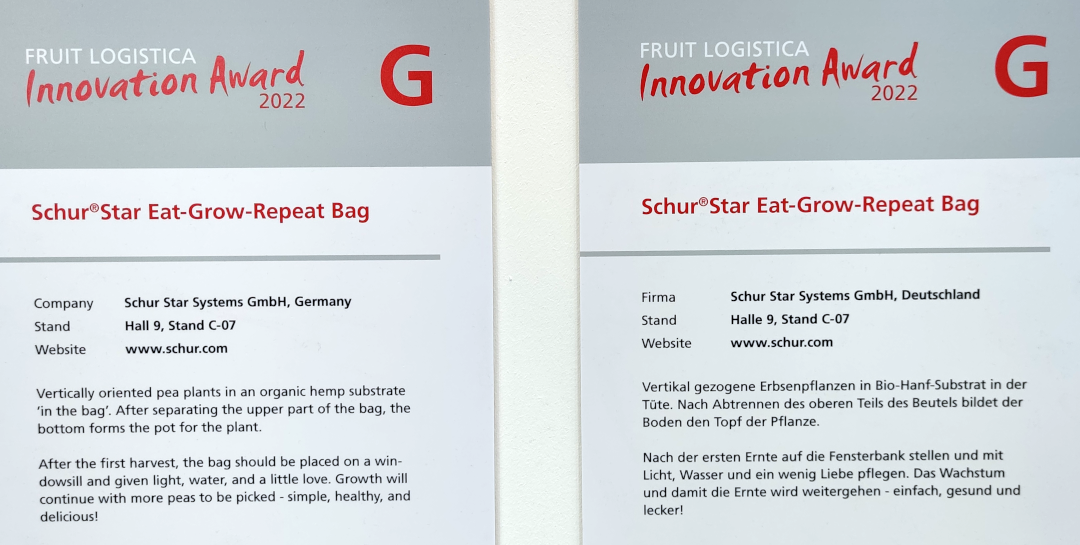
Schur®Star Eat-Grow-Repeat Bag, Schur Star Systems GmbH, Deutschland

Bei der diesjährigen Innovation der Firma Schur Star Systems GmbH handelt es sich um eine Verpackung die gleichzeitig ein Pflanzbehälter für vertikal gezogene Erbsenpflanzen ist. Mittels eines Bio-Hanf-Substrats am Boden der Verpackung ist es Konsumenten möglich auf der hauseigenen Fensterbank erntefrisches Bio-Gemüse zu ziehen. Hierfür bedarf es lediglich Licht, Wasser und ein wenig Liebe, wie Schur verlauten lässt.
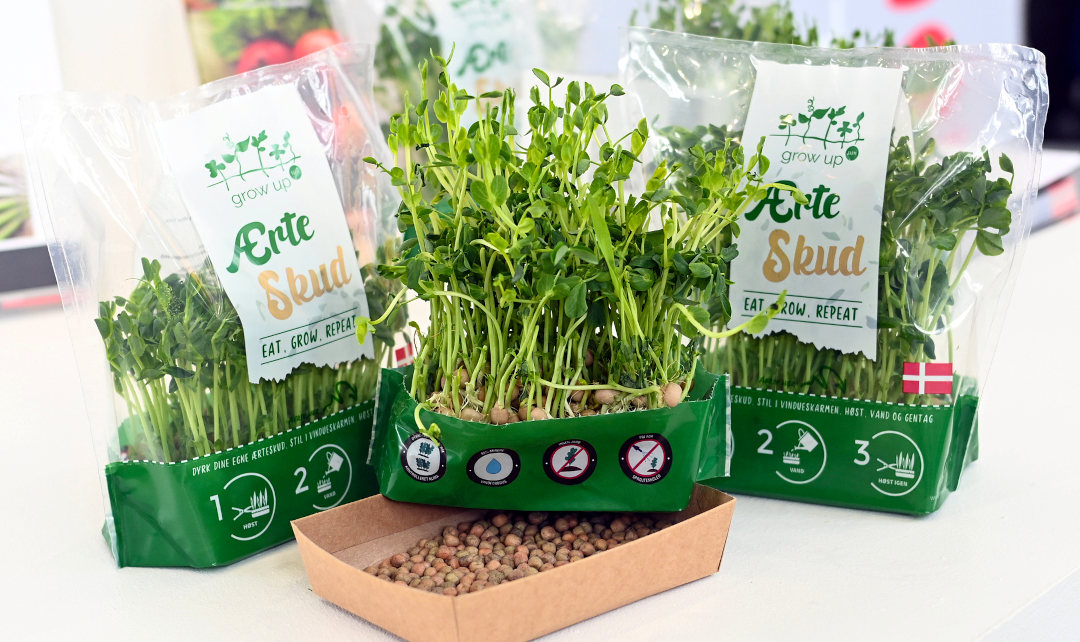
Sobald man den oberen Teil der Verpackung abgetrennt hat bildet der Boden den Topf der Pflanze. Nach der ersten Ernte kann dann noch eine zweite Stufe „gezündet“ werden und einer weiteren Ernte steht bei richtiger Pflege nichts im Wege.
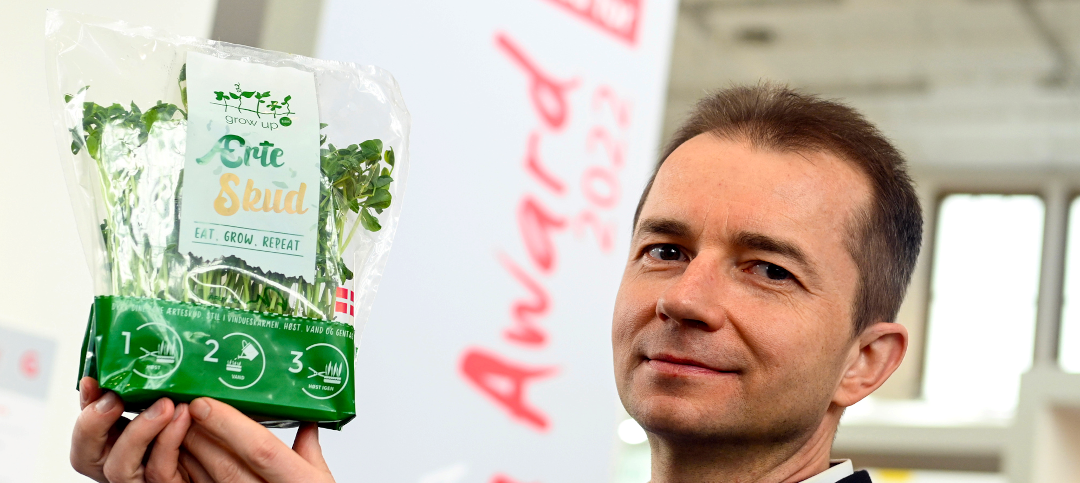
In Zeiten wo Verbraucher ihre Pilze, Keimlinge und Gemüse selber ziehen – sei es in der Küche, im Stadtgarten oder auf dem Dach – eine kleine aber feine Innovation in Richtung Nachhaltigkeit (www.schur.com).
Sinclair EcoLabel HOME™, Sinclair International Co., Großbritannien
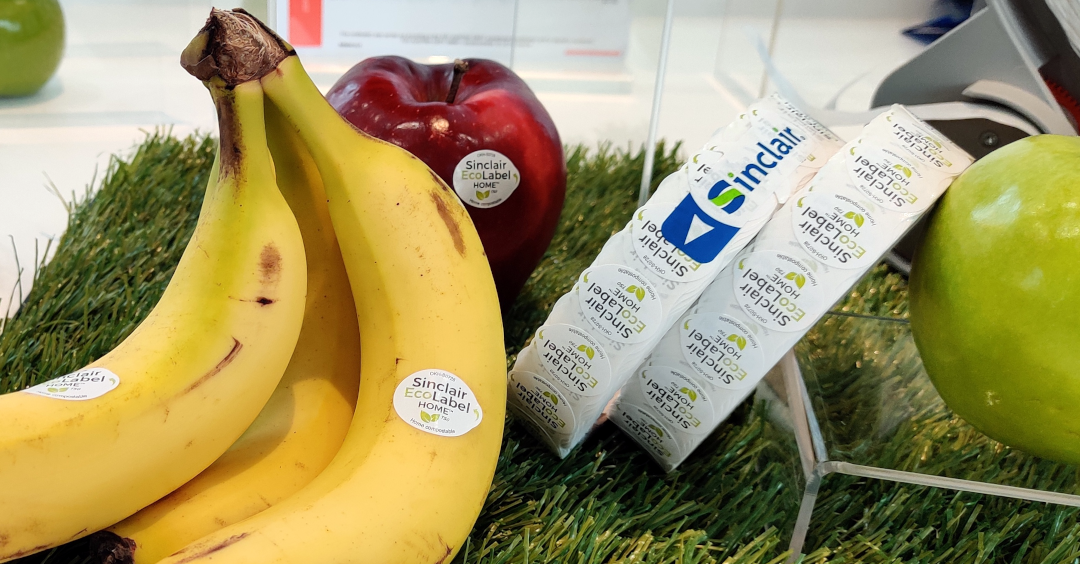
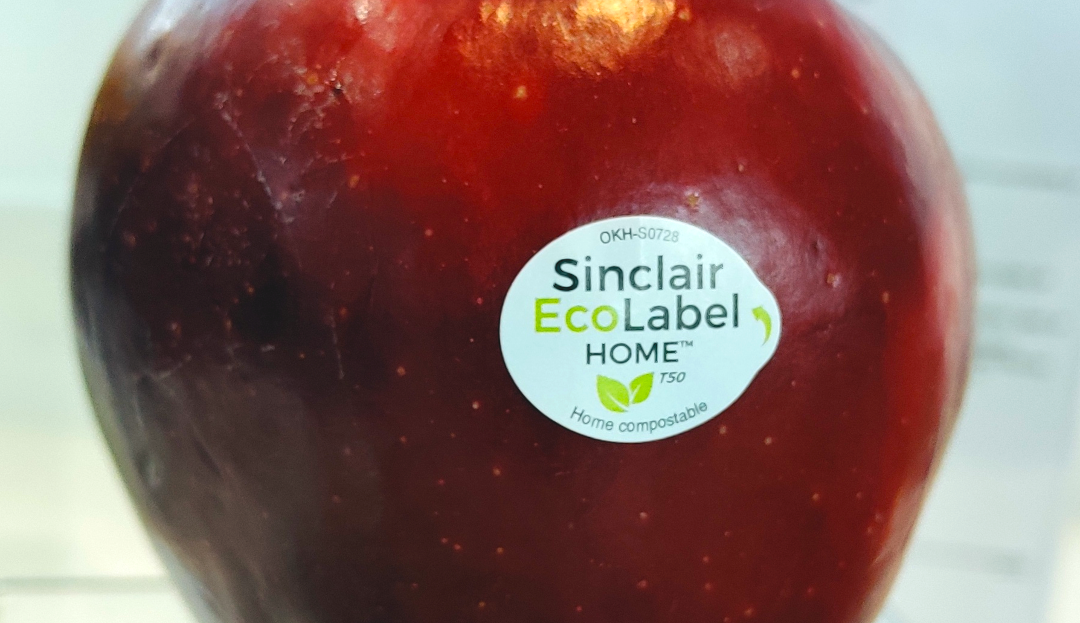
Sinclair International Co. aus Großbritannien hat sich der Herausforderung der Produkt- Etikettierung angenommen. Für die Teilnahme am Innovation-Award hat das Unternehmen das Sinclair EcoLabel HOME™ – ein T50-zertifiziertes kompostierbares Haushaltsetikett ins Rennen geschickt. Das Label ist papierbasiert, plastikfrei und vom TÜV Austria zertifiziert worden (OKH-S0728).
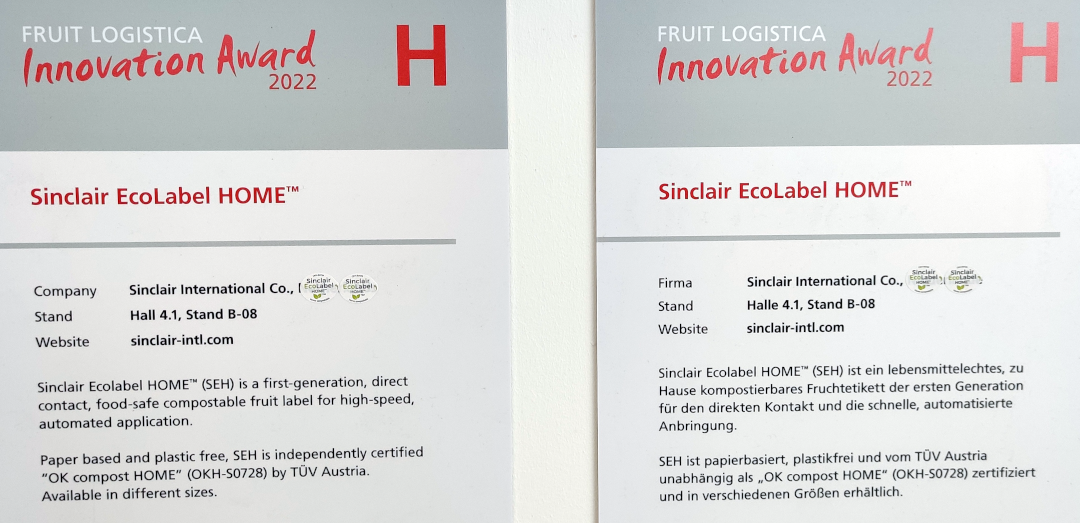
Sinclair EcoLabel HOME™ Etiketts eigen sich sowohl für die manuelle als auch automatisierte Etikettierung. Sie können im Heimkompost entsorgt werden und werden innerhalb von 365 Tagen (je nach Lage, Temperatur und weiteren Faktoren) zu brauchbarem Kompostmaterial abgebaut, wobei weder Klebstoff, Obermaterial oder die Druckfarben eine negative Auswirkung auf die Umwelt haben(www.sinclair-intl.com).
Sunions™ – BASF Vegetable Seeds Business, Niederlande
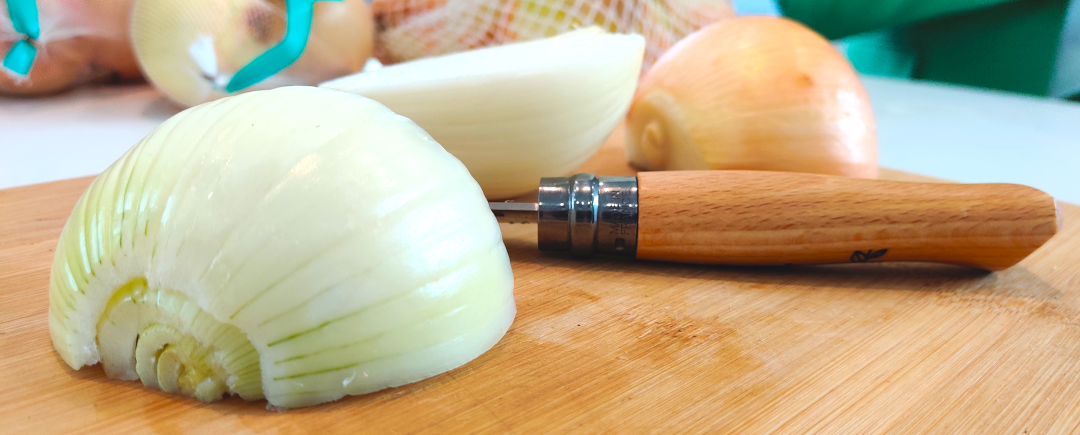
Mit den Sunions™ bietet BASF Vegetable Seeds Business aus den Niederlande Verbrauchern etwas, was sich bereits viele Generationen gewünscht haben – die Zwiebel ohne Tränen. Die Sunions™ Zwiebel hat einen feinen, milden und süßlichen Geschmack und lässt im wahrsten Sinne des Wortes „jedes Auge trocken“.
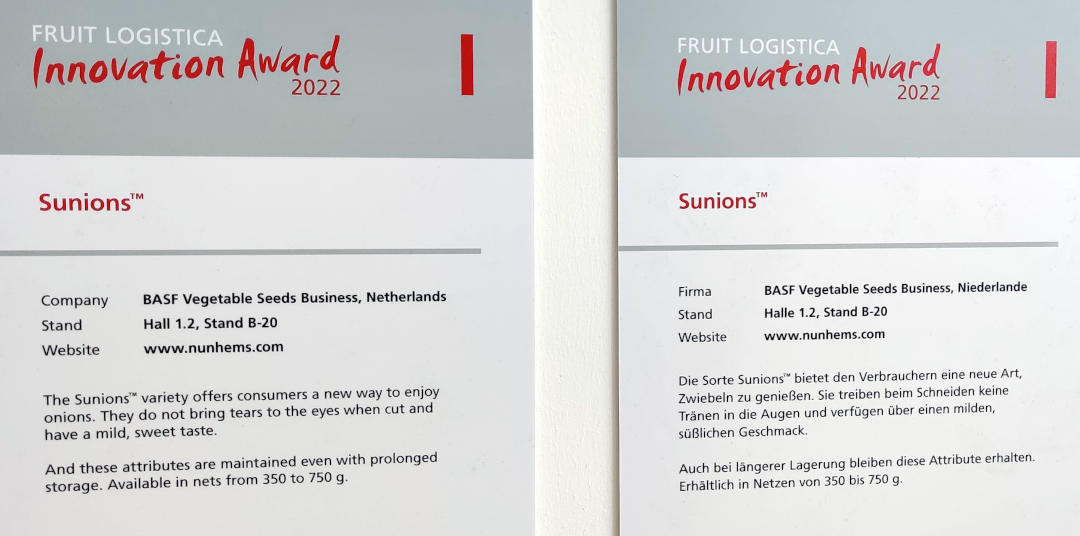
So steht zukünftig den häuslichen Kochkursen mit dem Nachwuchs keine Träne mehr im Wege. Was zuvor unmöglich schien, lässt sich nun bewerkstelligen und nicht nur Kinderaugen danken es.
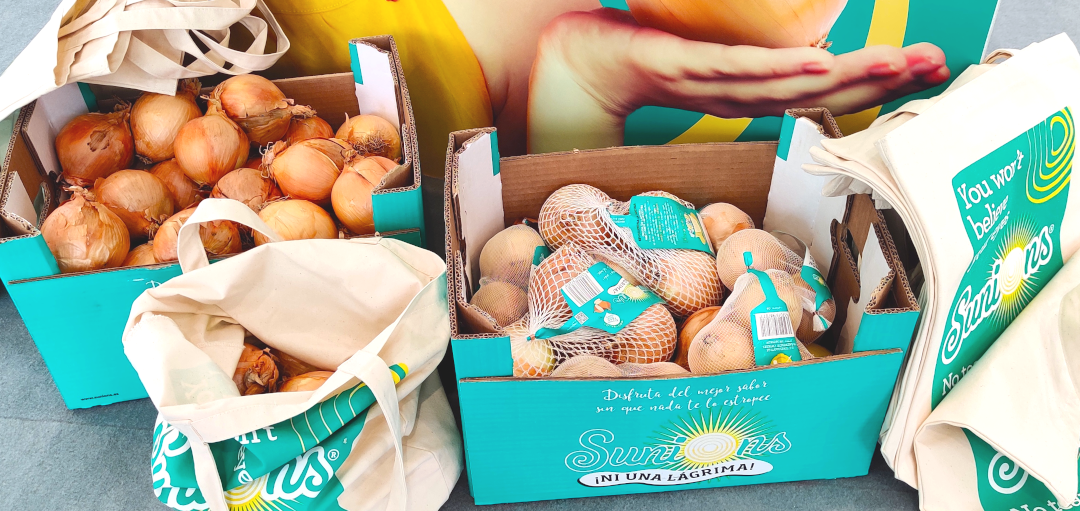
Auch was Nachhaltigkeit und Ressourcenschonung angeht bringt die Sunions™ Vorteile. Alleine all die Zeitgenossen, die stets Wasser zur Unterstützung nutzen, um ein tränenreiches Zwiebelschneiden zu vermeiden kommen nun ohne dies aus – ein echter Pluspunkt.

Wir finden, das ist eine tolle Innovation – nun muss die Sunions™ sich bloß noch im kulinarischen Alltag beweisen, schauen wir mal(www.nunhems.com).