Das Premium Beef der Marke SCOTLAND HILLS mit dem “Scotch Beef“ Label wird nach hohen Standards erzeugt. Zum einen werden die Betriebe auf freiwilliger Basis regelmäßig und in unangekündigten Stichproben durch die schottische Tierschutzorganisation SPCA geprüft. So wird in Schottland bereits seit vielen Jahren eine ethische Zucht und Aufzucht gewährleistet – Betriebe die gegen die Richtlinien verstoßen können ohne Weiteres geschlossen werden. Zum anderen wird die Qualität sämtlicher Fleischerzeugnisse durch die Quality Meat Scotland überprüft.
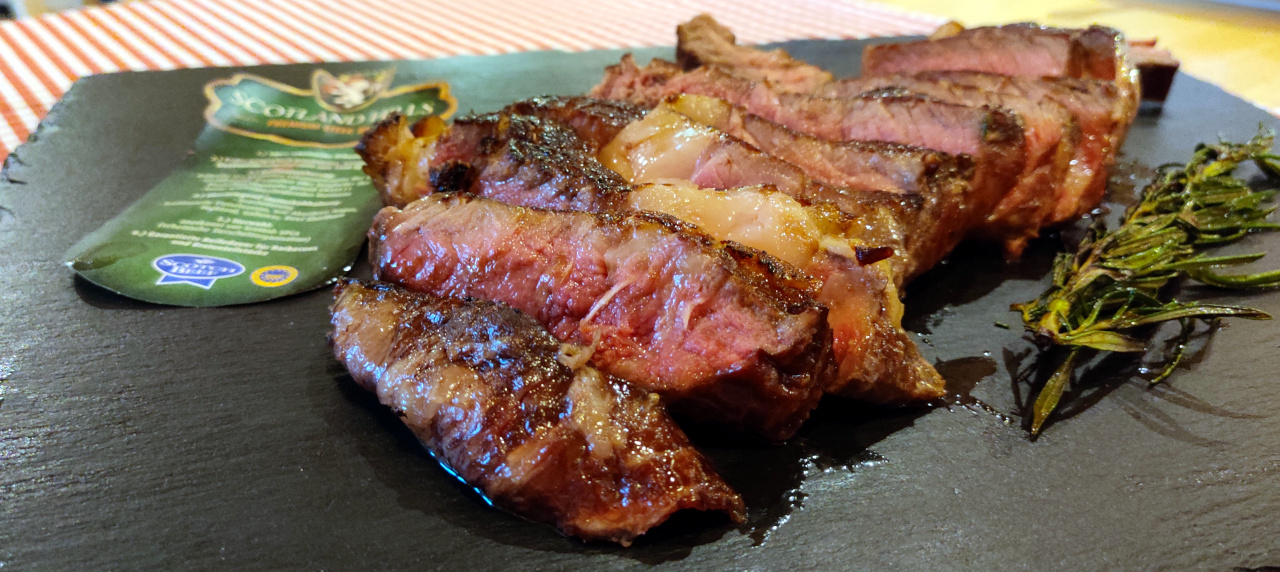
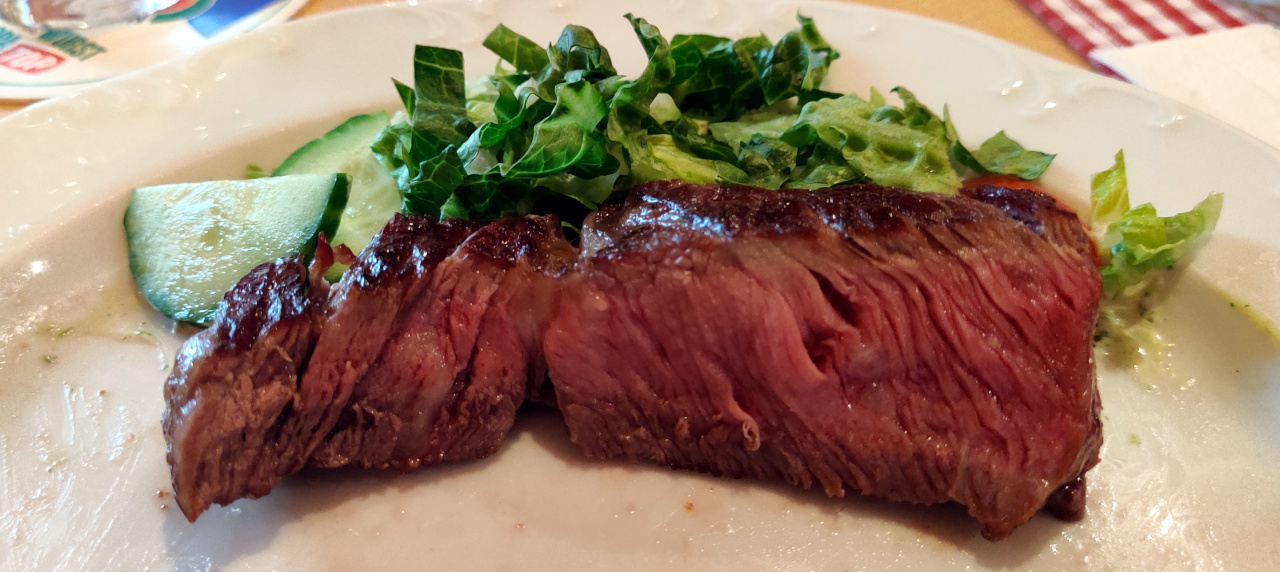
Diese beiden Kontrollinstrumente garantieren in Summe eine einwandfreie Qualität bei voller Berücksichtigung des jeweiligen Tierwohls bei Aufzucht, Haltung und Schlachtung, sprich über den gesamten Lebenszyklus der Nutztiere. Die Tiere bringen in etwa die Hälfte ihres Lebens im kühlen schottischen Klima auf der Weide zu, denn sie sind dort überwiegend Teil der traditionellen Mutterkuhhaltung. Hier sind uns die Schotten bereits Einiges voraus.
Bei den Rinderrassen die in Schottland gezüchtet werden handelt es sich überwiegend um Galloway, Aberdeen Angus und Beef Shorthorn Rinder – also für Schottland traditionelle Rassen. Was nicht bedeutet, dass nicht auch die Schotten ihre Rinder gerne mal mit Rassen vom Festland kreuzen.
Gerade die Charolais oder Limousin Rinder aus Frankreich haben in den letzten Jahrzehnten dazu beigetragen, dass die Fleischqualität in Schottland auf natürlichem Wege verbessert werden konnte. Anders als in Übersee kommen hier keine wachstumsfördernden Hormone zum Einsatz – und das schmeckt man auch.
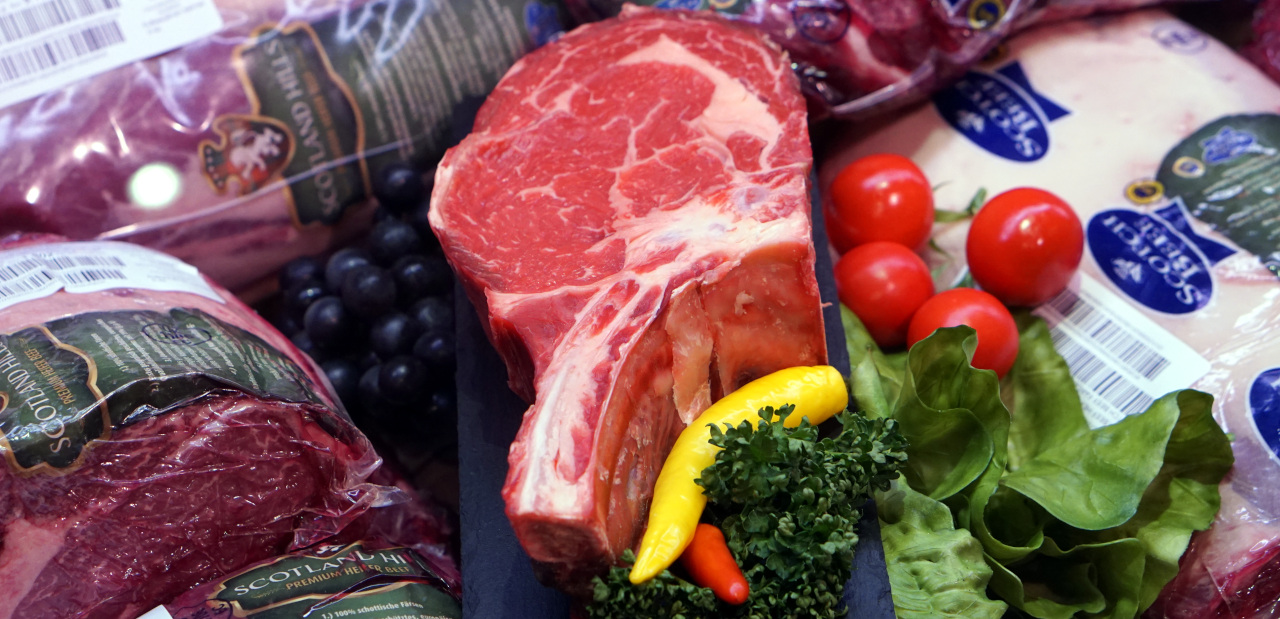
Mein bisheriges Lieblingsprodukt von SCOTLAND HILLS ist das Cowboy Steak von der Färse – auch wenn es nach dem wilden Westen klingt, hat es damit wenig zu tun.
Bei der Färse handelt es sich um eine junge Kuh, die noch nicht gekalbt hat. Ein Merkmal des Färsenfleisches ist der hohe Grad an intramuskulärem Fett. Zum einen sieht man dies an Hand der Marmorierung, zum anderen schmeckt man es, da das Fleisch deutlich saftiger und zarter ist.
Stücke wie beispielsweise Filet sind mir persönlich schlichtweg zu langweilig, insbesondere was die Vielfalt der Aromen aber auch die Textur des Fleisches angeht – da fehlt das Fett.
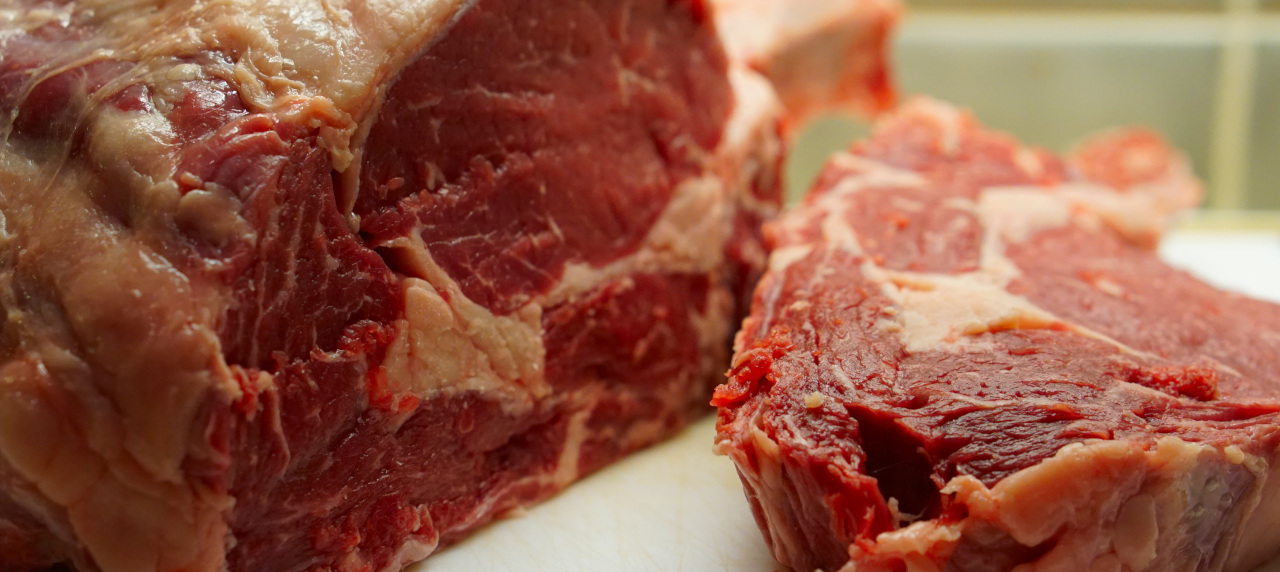
Das SCOTLAND HILLS Cowboy Steak bekommt man als Rack am Knochen mit einem Frischgewicht zwischen 3,8 bis 4,7 KG beispielsweise bei EDEKA. Hier gibt es ab und an auch attraktive Aktionspreise bei denen das Kilo knapp unter 30 Euro zu haben ist. Solltet Ihr das Glück haben in just so einem Moment an der Fleischtheke zu stehen – fasst euch ein Herz und probiert dieses Fleisch, Ihr werdet es nicht bereuen!
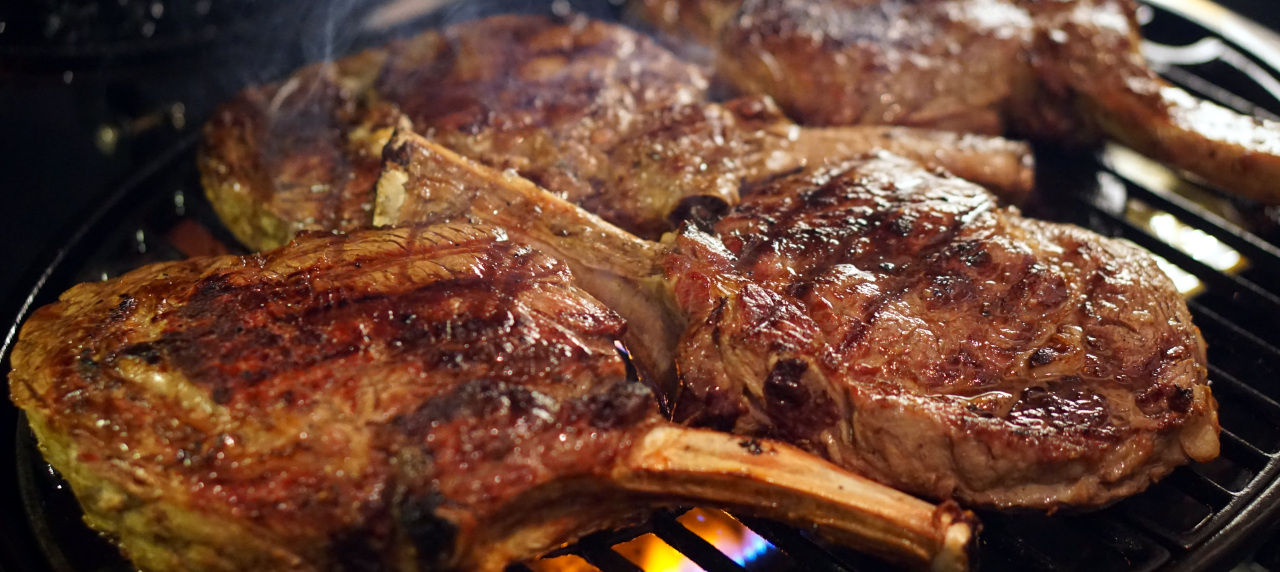
Von SCOTLAND HILLS gibt es sowohl Färse, als auch Ochse, aber wie gesagt, ich ziehe die Färse vor, da ihr Fleisch besonders saftig und unglaublich zart ist. Die feine Marmorierung ist für mich der Garant, dass das Fleisch beim Grillen saftig bleibt.

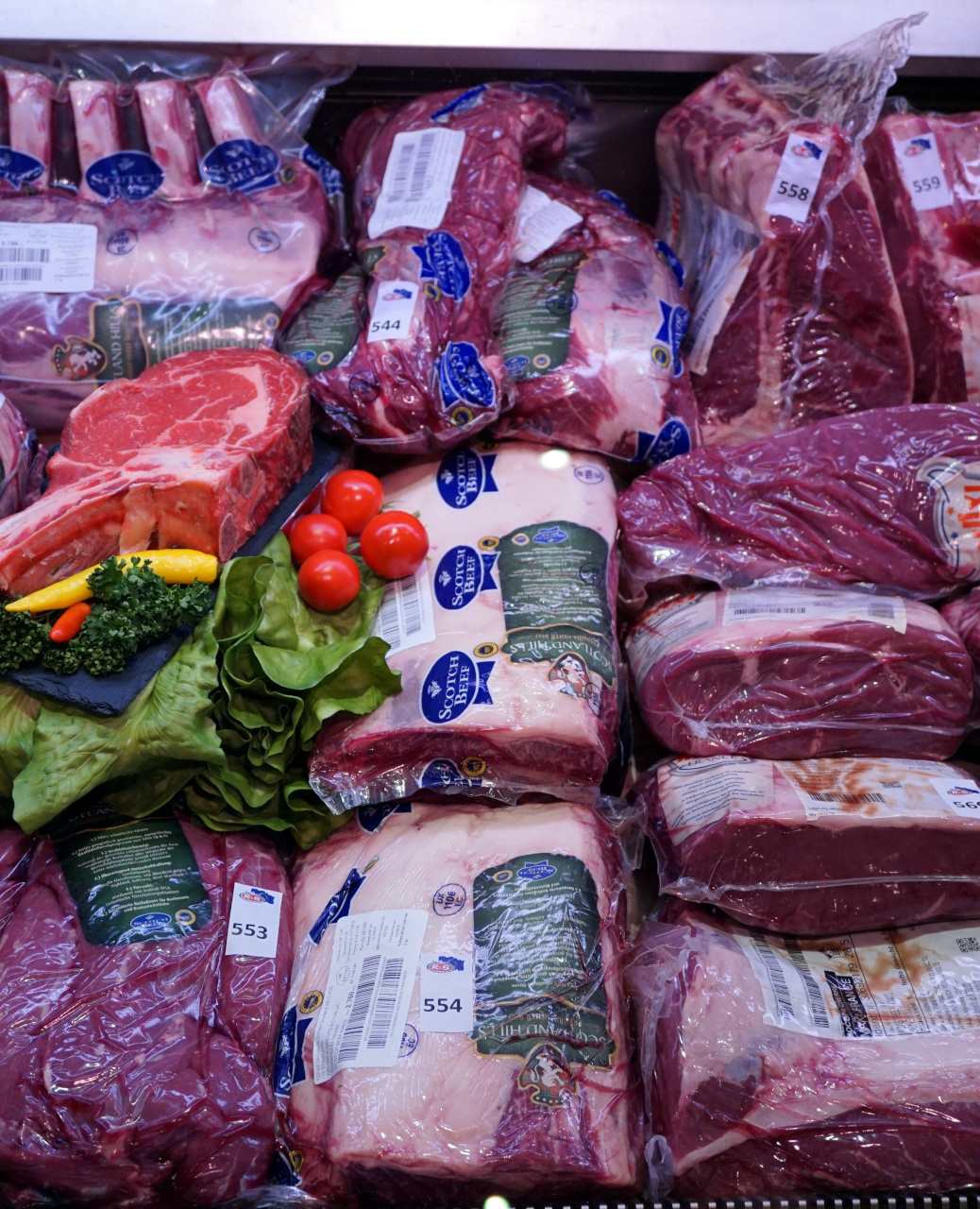
Natürlich möchte ich nicht vergessen zu erwähnen, dass es von der Marke SCOTLAND HILLS natürlich auch hervorragendes Lamm unter dem Label “Scotch Lamb“ gibt. Damit habe ich persönlich bis dato – anders als beim Cowboy Steak von der Färse – aber noch keine echten Erfahrungen sammeln können.
SCOTLAND HILLS auf YouTube: https://youtu.be/sFVGbW2_2KU
Hier ein kleiner Beitrag und ein paar Bilder zur Zubereitung.