
Hanging Tender (französisch „Onglet“) oder auf Grund von Lage & Form zu Deutsch Nierenzapfen genannt – zählt „technisch“ zu den Innereien, hat aber als reines Muskelfleisch im Grunde nichts damit zu tun.
Je Tier, egal ob Rind, Büffel oder Bison – gibt es dieses ausgesuchte Teil nur einmal. In den letzten Jahren wuchs das Interesse an diesem Cut – was zum einen sicher an der Mundpropaganda vieler Profi-Grillmeister liegt, zuletzt aber eben am Eindruck den dieses Stück Fleisch hinterlässt. Es weist besonders kräftige und lange Muskelfasern auf und bedarf daher „besonderer Zuwendung“ während des Grillens.
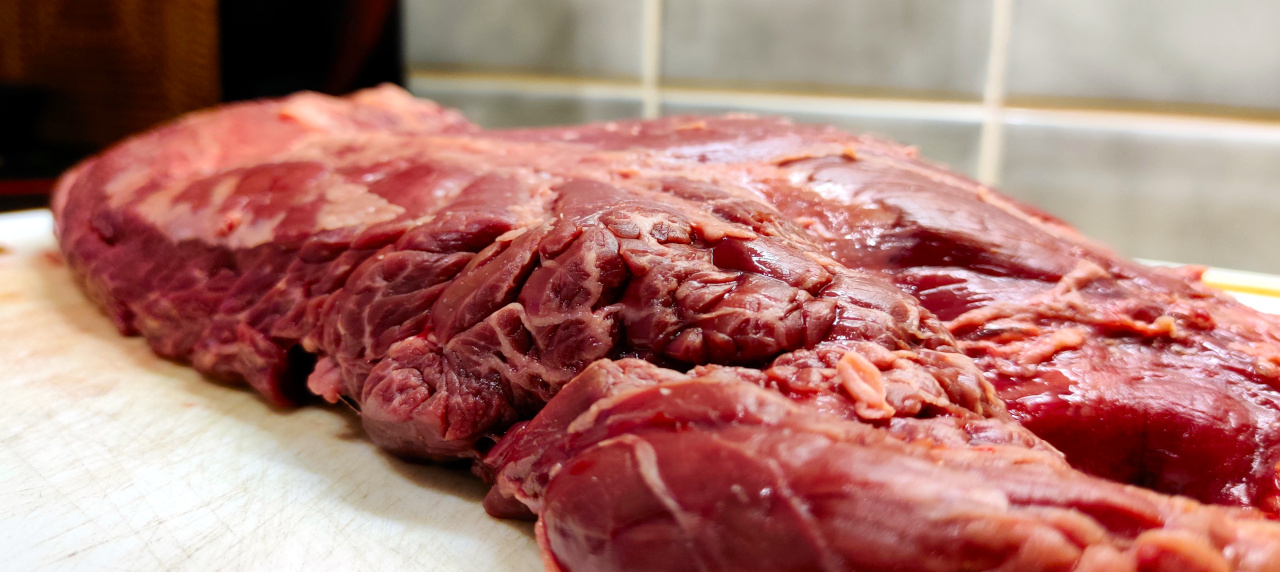
Ein wenig ist das Hanging tender wie ein Flank Steak, denn auch dieses zeichnet sich durch lang fasrige Muskelstränge aus. Im direkten Vergleich fällt jedoch schnell auf, dass das Hanging Tender deutlich aromatischer schmeckt – was bei der schönen Maserung des Fleisches jedoch nicht verwundert. Ich hatte mich auf Grund der vielen positiven Erfahrungen auch hier für Färsen-Fleisch von SCOTLAND HILLS entschieden.
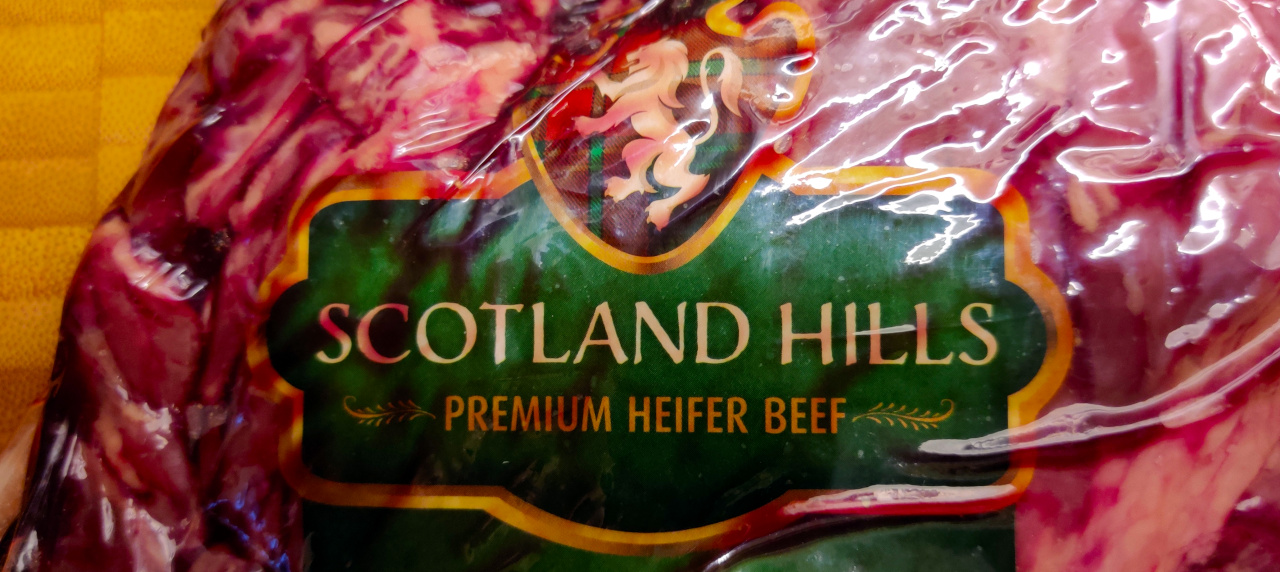
Mit nur knapp über einem Kilo Frischgewicht stellt sich natürlich die Frage „was essen denn die anderen“? Hier kann ich nur empfehlen, Euch gleich mehr als nur eines von den begehrten Stücken zu „organisieren“ – Eure Gäste werden es Euch danken.
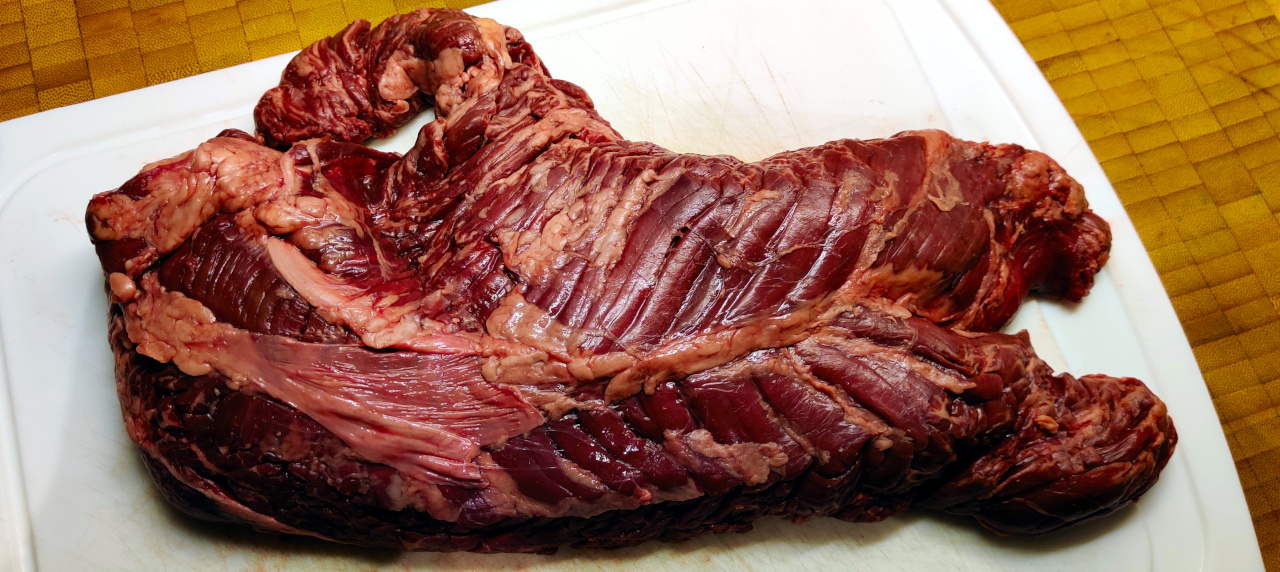
Wie immer habe ich das gute Stück rund eine Stunde vor dem Grillen aus Folie und Kühlschrank genommen, abgetupft und in der Küche bereitgelegt. Besonders bei derart lang fasrigem Fleisch, macht es einen großen Unterschied mit welcher Temperatur dieses auf dem Grill landet.
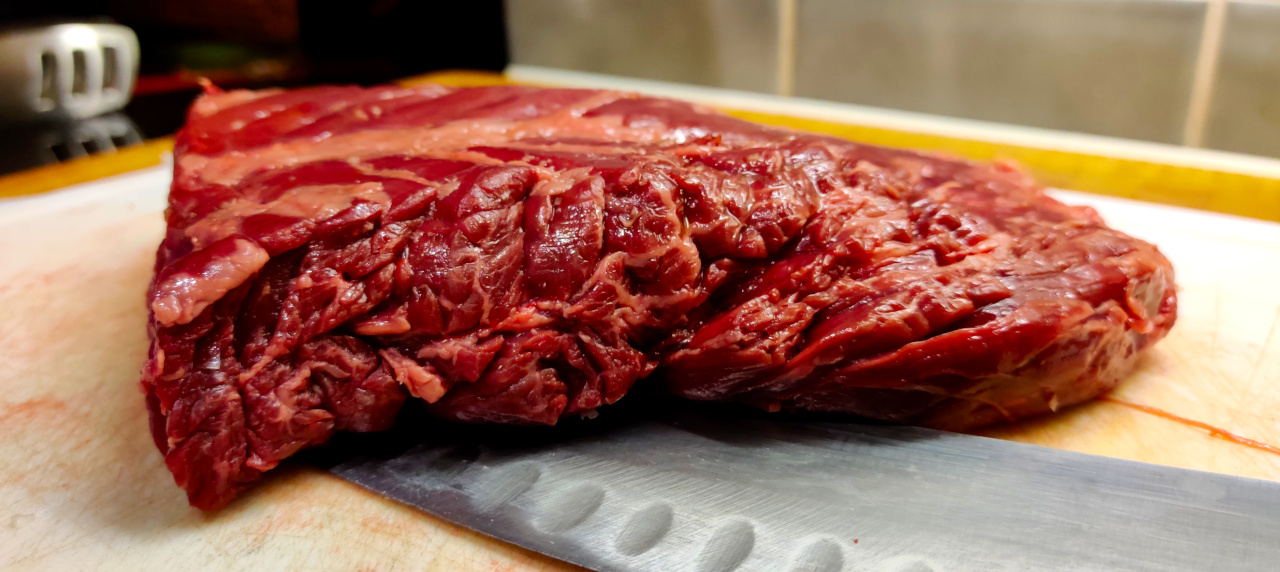
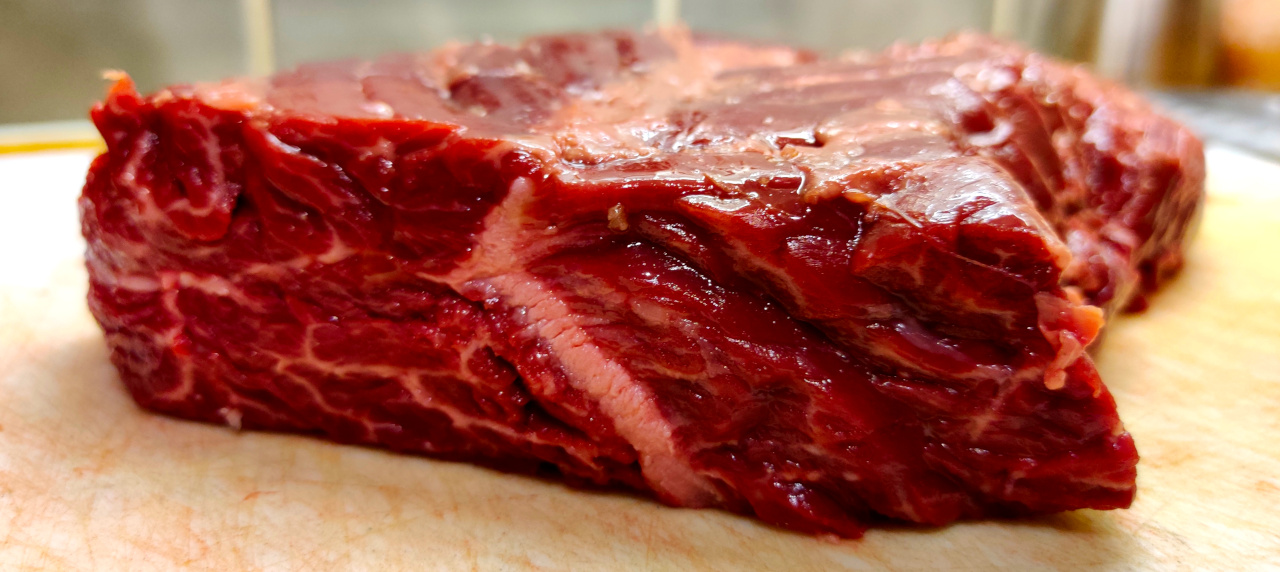
Vielerorts wird empfohlen das Fleisch vor der Zubereitung zu parieren – oft wird es auch schon ohne Mittelsehne angeboten – wobei ich persönlich das stets davon abhängig mache, wie ich das Fleisch später verwenden möchte. Ob Ihr also die kräftige Mittelsehne vor dem Grillen herauslösen wollt, bleibt ganz Euch überlassen – ich habe diese hier erst nach dem Grillen entfernt.
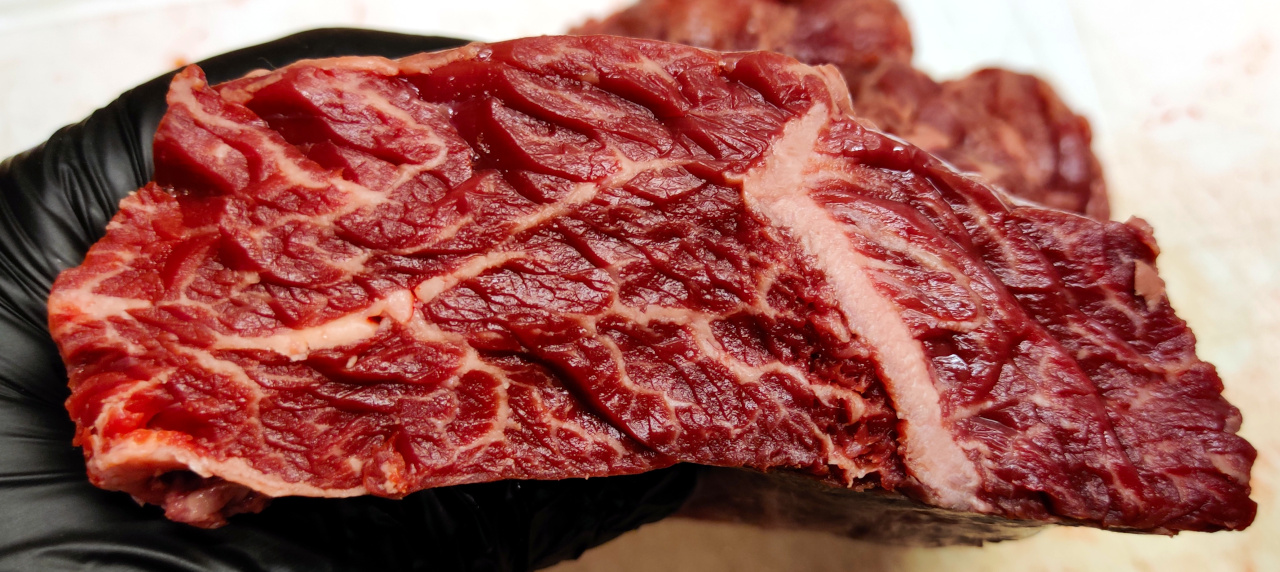
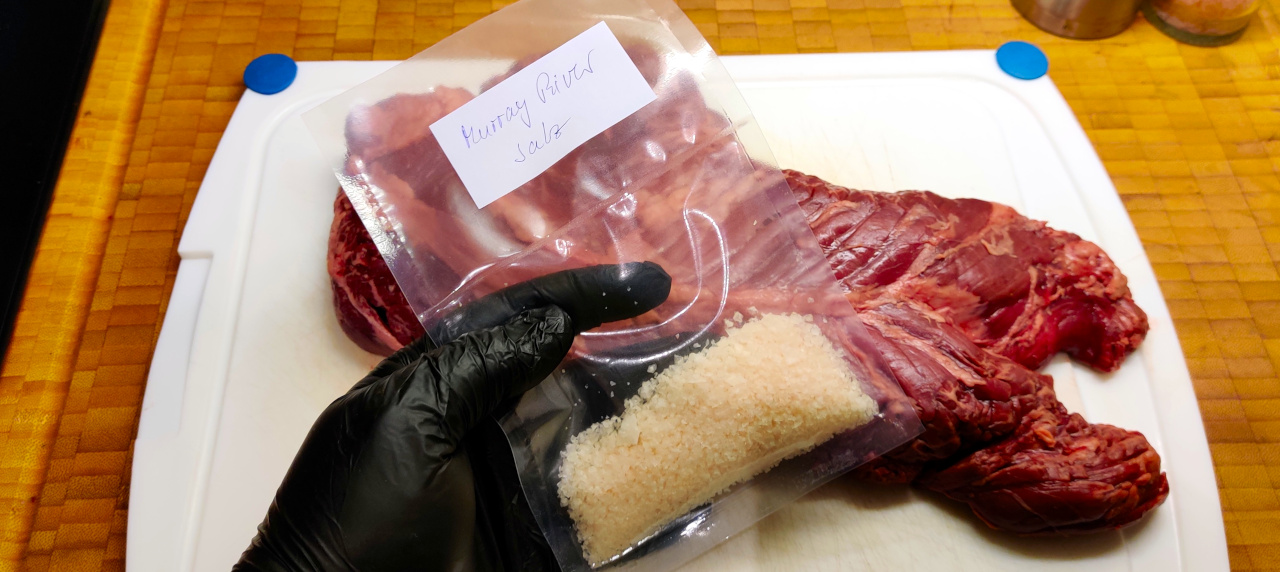
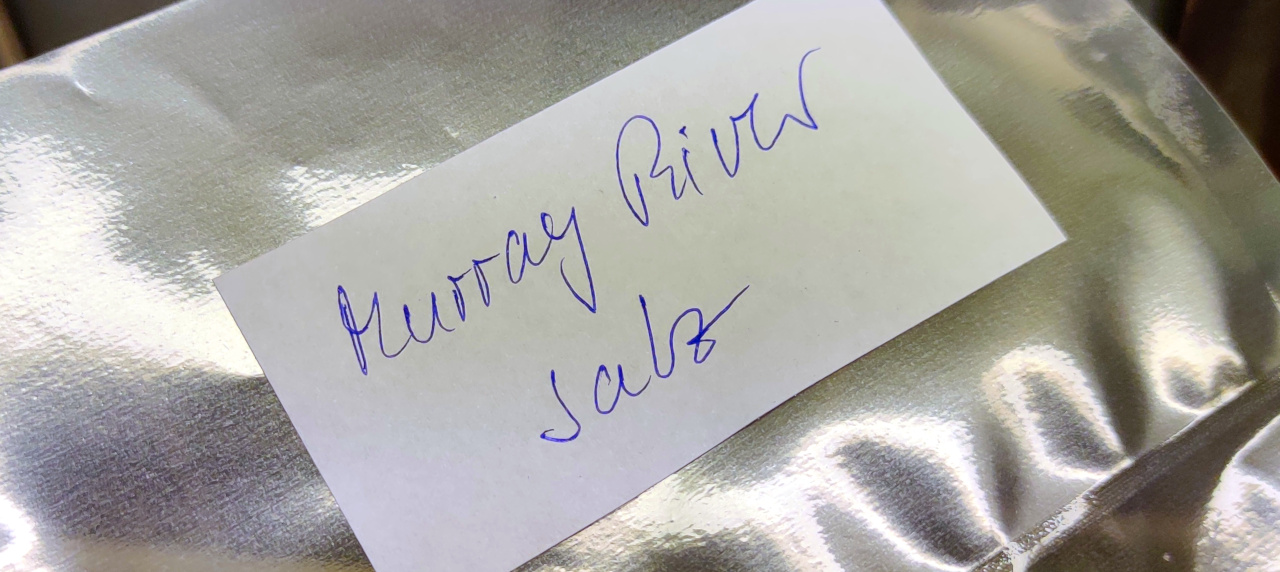
Als das Fleisch Raumtemperatur hatte, habe ich es lediglich gesalzen und mit ein wenig nativem Olivenöl benetzt. Diesmal habe ich mich für das grobe, australische *Murray River Salz entschieden. Obwohl dieses zart rosafarbene Salz überwiegend zum Nachwürzen bei Tisch Verwendung findet, empfand ich es wegen seiner Milde und den leicht dahin schmelzenden „Flakes“ als ideal für das Hanging tender.
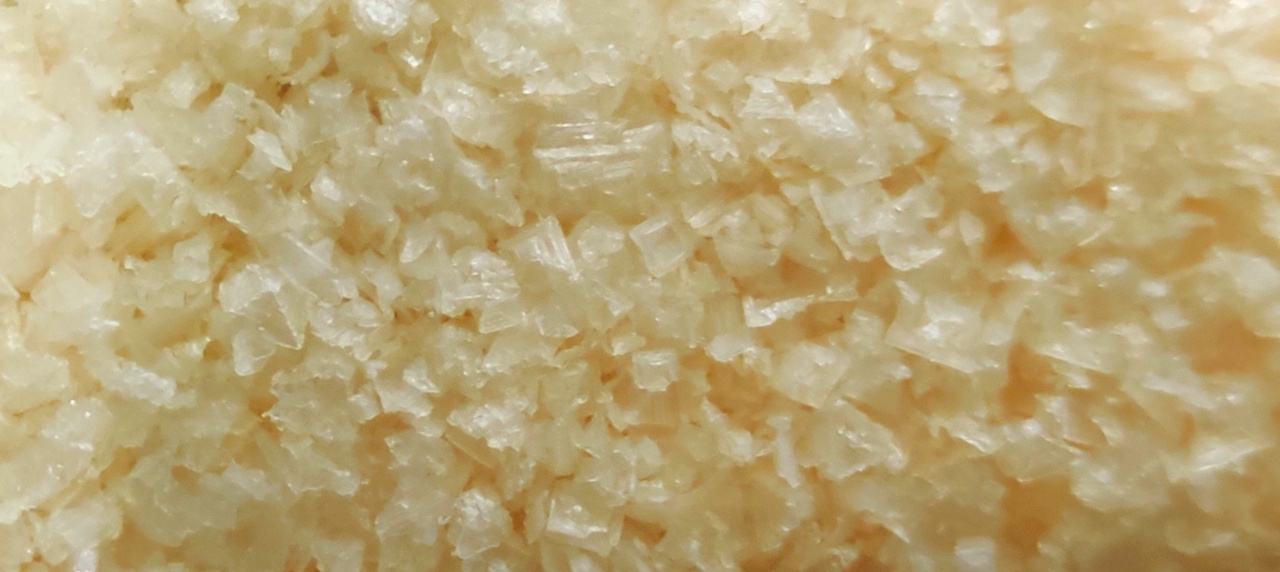
Ich habe davon abgesehen Pfeffer schon vor dem Grillen zu verwenden – denn dieser hinterlässt beim Verbrennen oftmals eine leicht bittere Note, darauf wollte ich wie immer verzichten. Ich hatte überlegt ob ich ggf. frischen Knoblauch zum Einsatz bringe, habe dann aber davon abgesehen, um den ersten Eindruck, des für mich noch neuen Cuts nicht zu beeinträchtigen.

Zu Beginn habe ich mit der Maximal-Temperatur meines kleinen Landmanns gearbeitet. So konnte ich dem Fleisch ein paar schicke Streifen und die liebgewonnenen Röstaromen verpassen. Erst danach bin ich mit der Temperatur heruntergegangen um zu vermeiden, dass die Muskelfasern sich zu sehr zusammenziehen, das Stück hart oder sogar trocken wird.
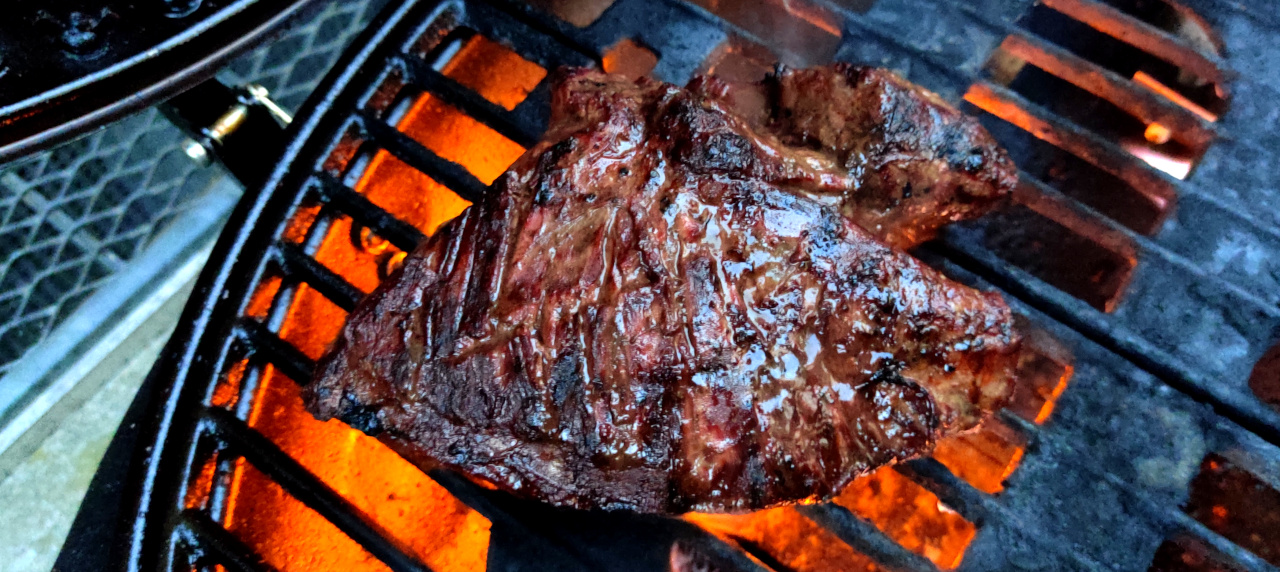
Natürlich wäre es ab hier auch möglich gewesen, das Ganze zum Finalisieren in den Ofen zu verlagern – Sous Vide rückwärts also – aber bei derart kleinen Stücken fühle ich mich, was den Garpunkt angeht, am Grill einfach wohler. Ich habe das gute Stück insgesamt zweimal gewendet – wobei jede Seite in Summe an die 5-6 Minuten gegrillt wurde.
Hiernach habe ich das Stück nochmals für 3-4 Minuten im vorgeheizten Ofen bei ca. 50°C ziehen lassen, bevor ich es dann angeschnitten habe. Das Fleisch war – wie der englische Name bereits vermuten ließ – überwiegend zart, jedoch im Biss fester als Filet – was ich nur begrüßen kann.
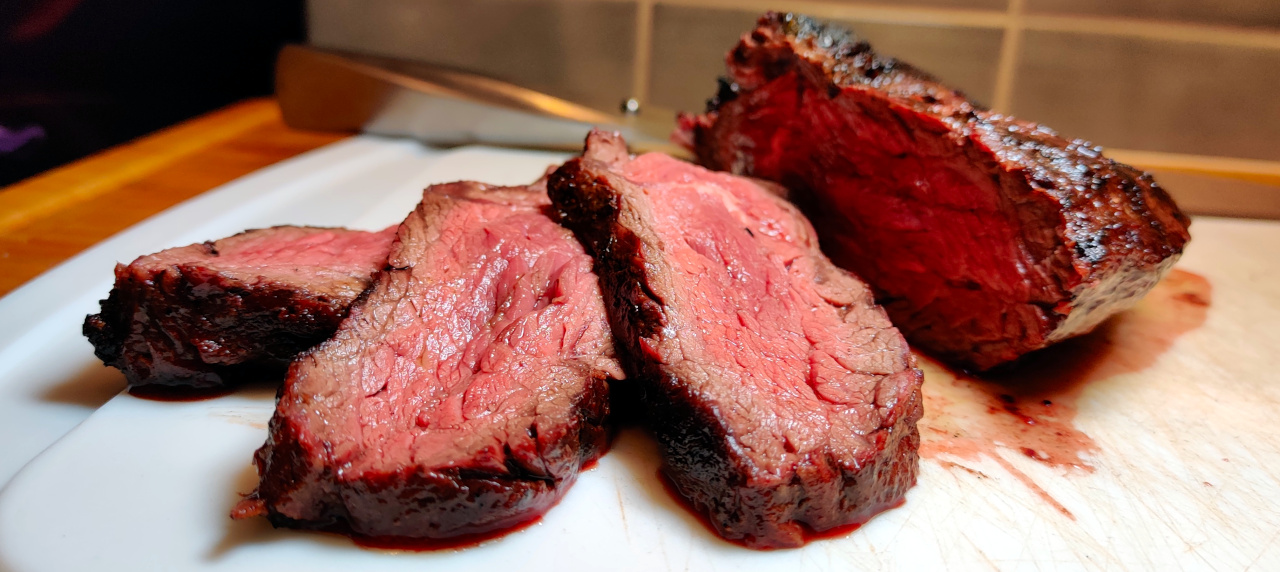
Ganz wichtig – besonders bei diesem Cut – ist es, dass Ihr penibel darauf achtet es gegen die Faser zu schneiden. Für alle Eure Gäste gleich schicke Stücken auf den Teller zu bringen, ist auf Grund des Faserverlaufes nicht immer ganz einfach, aber am wichtigsten sind ja auch Geschmack & Konsistenz.
Bisher hatte ich noch kein Teilstück vom Rind, wo der Unterschied im Genuss derart stark davon abhängig war, wie es geschnitten wird und auch ich habe anfangs sicher nicht den perfekten Winkel zur Faser getroffen.
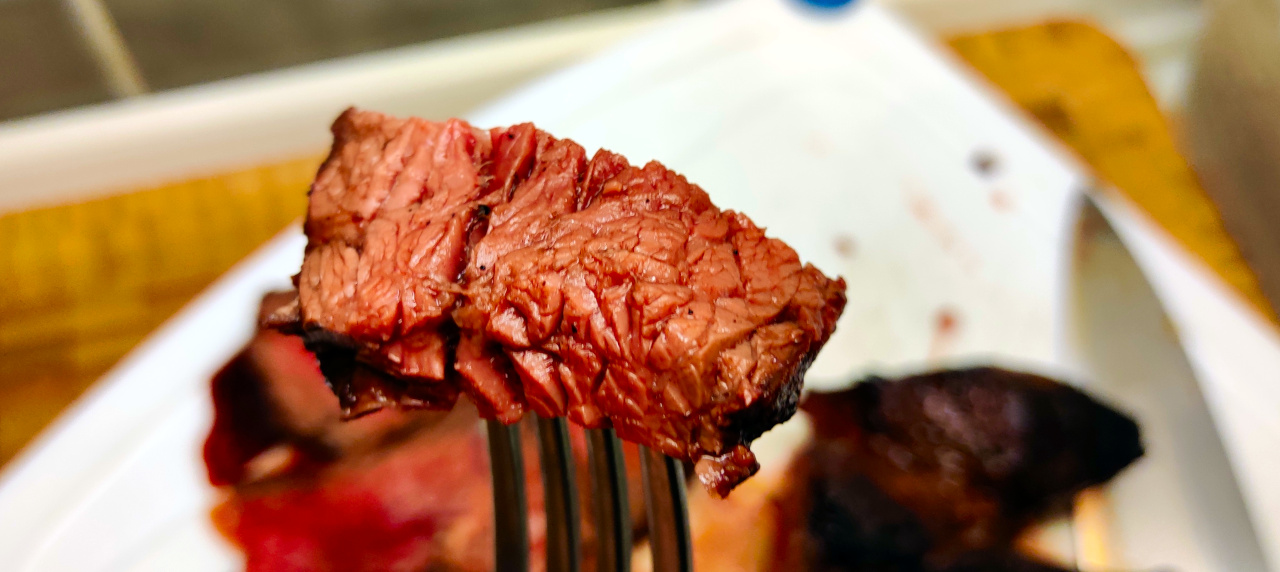
Dennoch war das erste Hanging tender ein großes Geschmackserlebnis für mich. Wir haben im Übrigen – auf Grund des tollen Eigenaromas – später vollends auf Pfeffer verzichtet. Zum einen haben wir das Fleisch klassisch als blankes Steak genossen, zum anderen haben wir einen Thailändischen Rindfleischsalat davon gemacht. Ein Basis-Rezept hier zu findet Ihr hier – wobei Ihr das leckere Duroc einfach durch Hanging tender ersetzt.
Ich hoffe ich konnte Euch wieder einmal etwas Appetit und Lust auf einen weniger gängigen Cut machen – viel Freude beim Ausprobieren!
*Das leckere Murray River Salz, welches hier Verwendung fand – und viele andere leckere Salze – gibt es im Übrigen auch bei Salmundo.