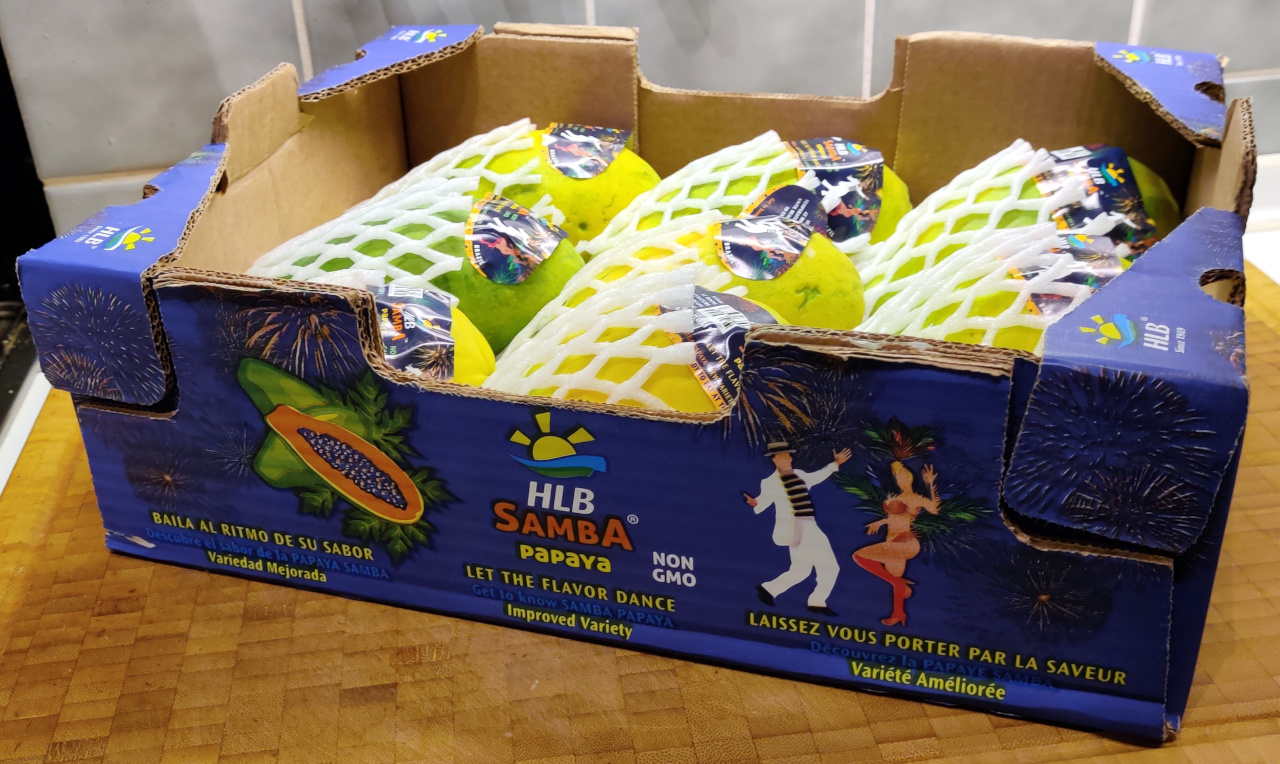
Eine tolle Nachricht für alle Papaya Liebhaber und solche die es werden wollen – HLB hat ein neues, ganz eigenes Produkt vorgestellt – die SAMBA Papaya. Ich verfolge dieses Unternehmen ja bereits seit meinem ersten Besuch der FRUIT LOGISTICA dieses unscheinbare Unternehmen, denn Papaya zählte damals eigentlich nicht zu meinen Lieblings Obstsorten.
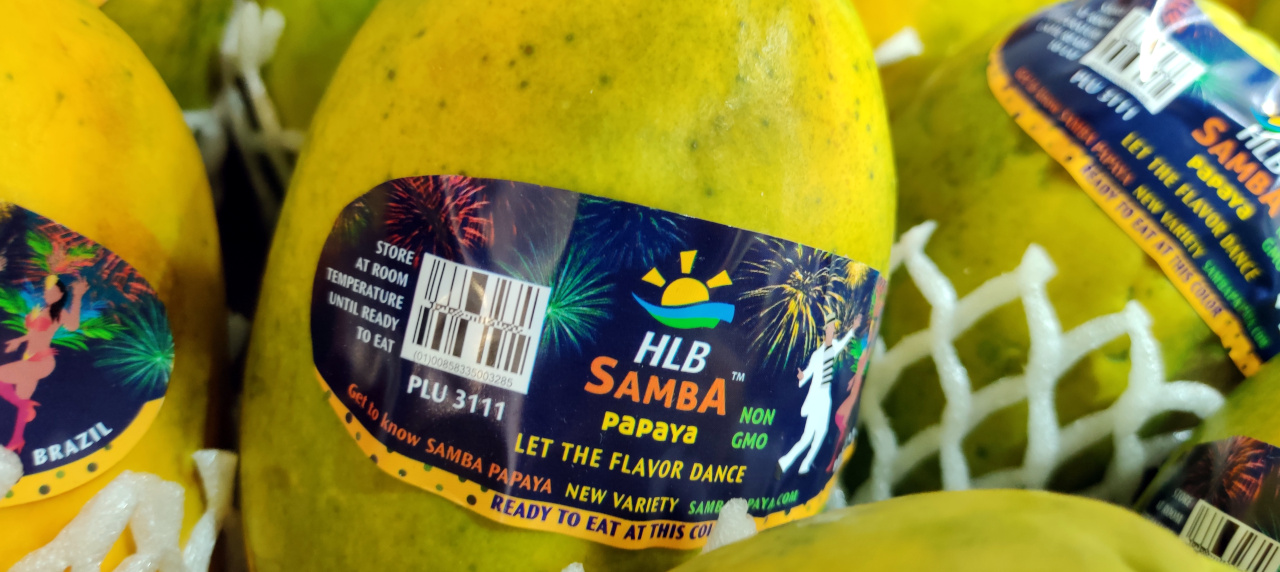
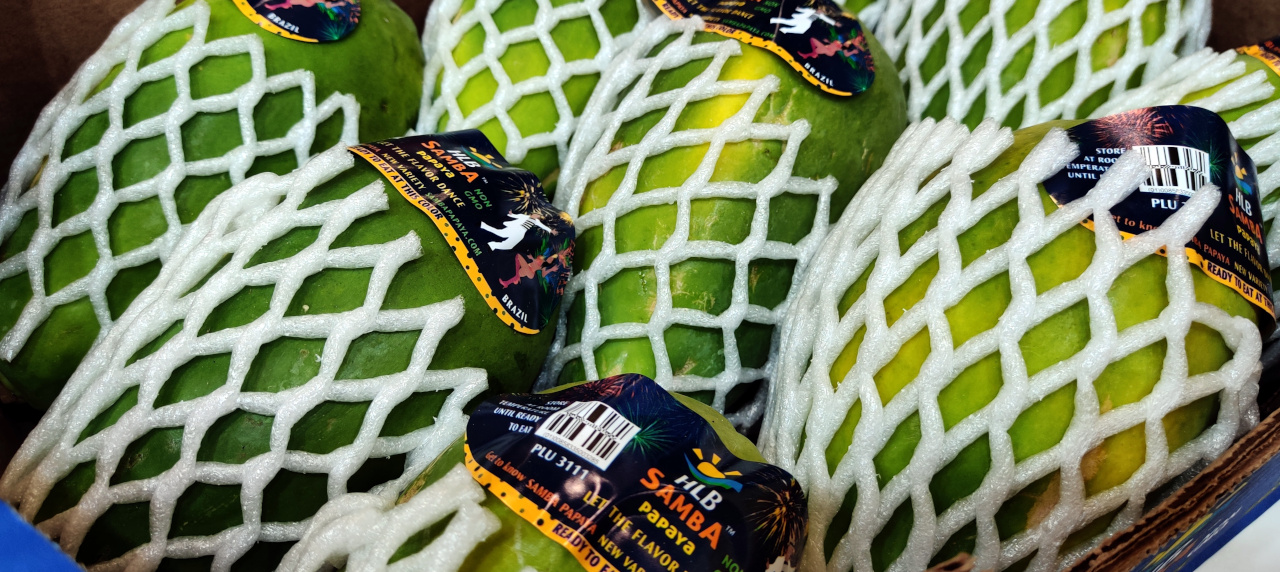
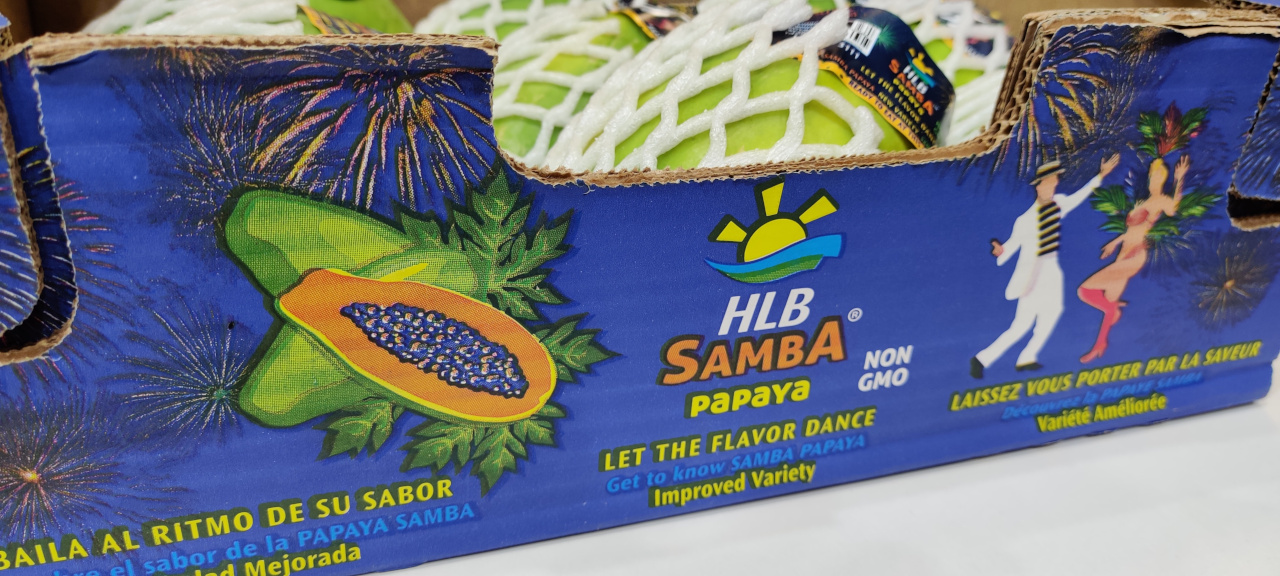
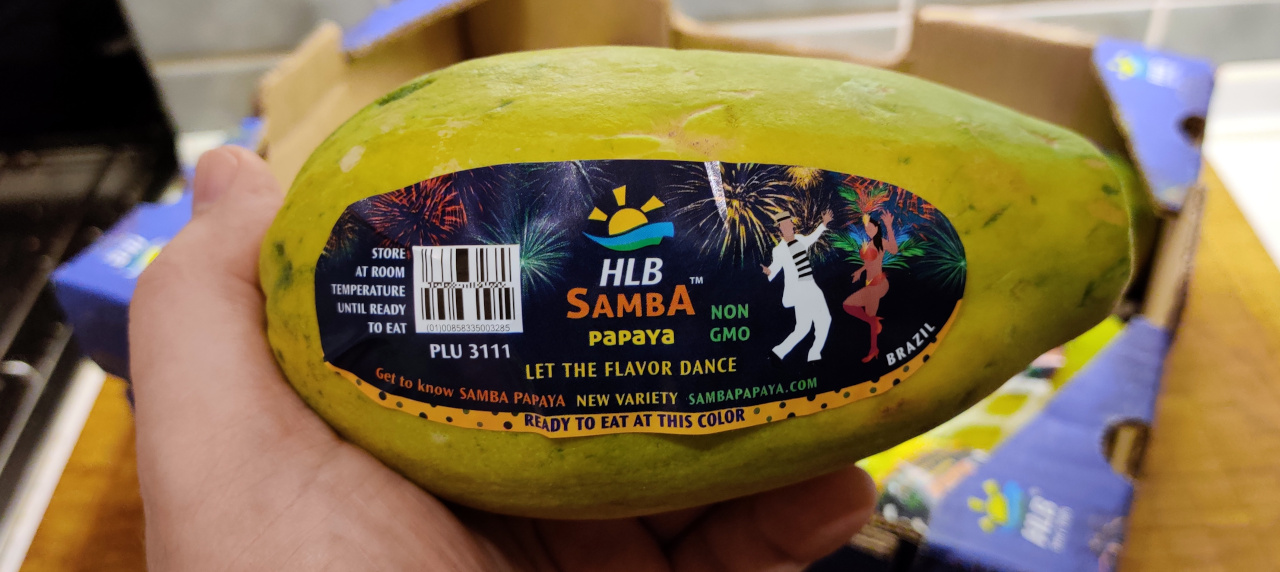
Neben der Tatsache das die Leute von HLB super freundlich waren, fand ich es beeindruckend, dass man sich – egal bei welchem Produkt – so viel Mühe gibt die Qualität der Produkte auf so nachvollziehbare Weise zu prüfen. Gut ist zudem zu wissen das die SAMBA als brasilianisches Produkt, definitiv nicht genetisch modifiziert sein kann – den GMO (genetically modified organisms) ist in Brasilien verboten.
Ich empfand die meisten Papayas die ich gekostet habe, geschmacklich immer als zu kräftig – fast schon wie parfümiert – bis ich HLBs erste BIO Formosa aus Mexiko probiert hatte. Dies Papaya hatte es mir angetan – sehr süß, dabei aber nicht wässrig und ein tolles ausbalanciertes Aroma. Hier sieht man also, es lohnt sich am Ball zu bleiben und nicht alles bereits zu „verteufeln“ wenn es beim ersten, zweiten oder dritten Mal nicht gleich geschmeckt hat.
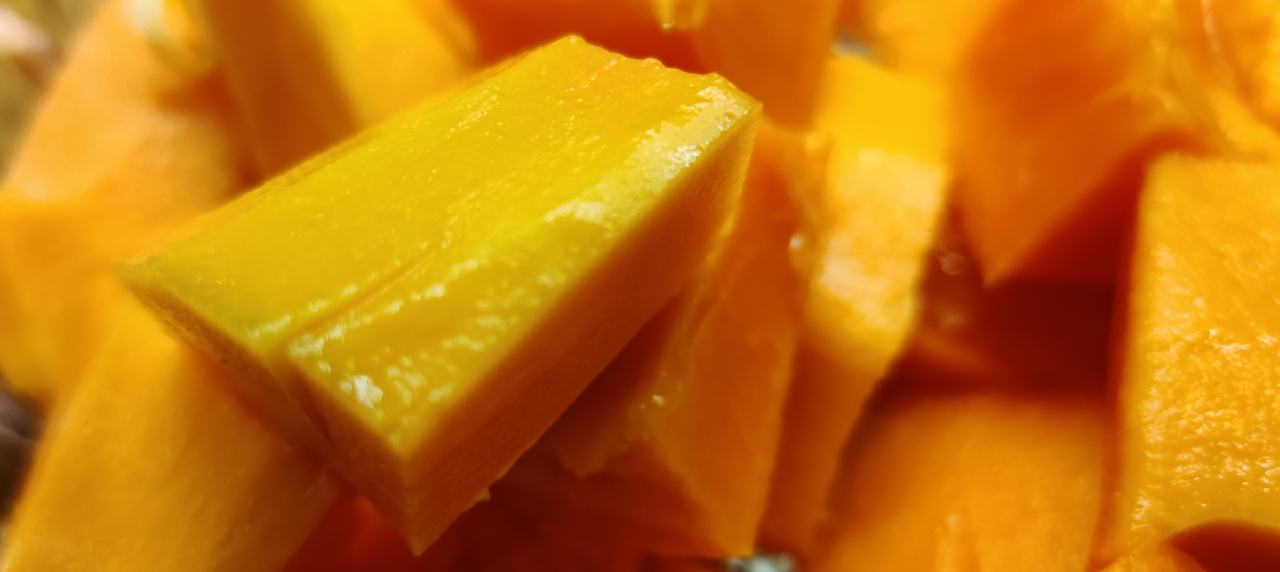
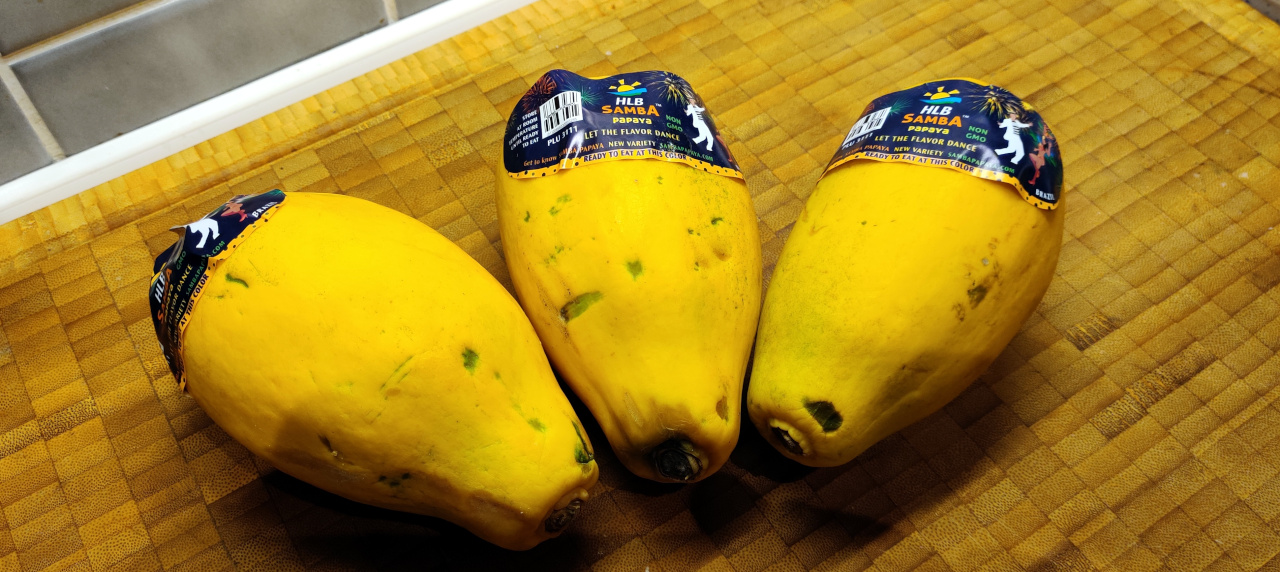
Auf der FRUIT LOGISTICA 2020 war es also wieder Zeit eine neue Papaya Sorte zu probieren – die SAMBA. Die SAMBA`s sind etwas kleiner – handlicher sozusagen und ganzjährig zu haben. Gerade für die heutigen Single-Haushalte ideal, denn wer verputzt alleine schon ad hoc mal eine Formosa und wenn die halben Früchte im Kühlschrank ausharren müssen verlieren sie Vitamine und deutlich an Geschmack. Die neue Sorte wurde durch Samen-Selektion kreiert – Hintergrund war das HLB neben den vielen exotischen Früchten auch eine hervorragendes Papaya Eigenmarke im Sortiment haben wollte.
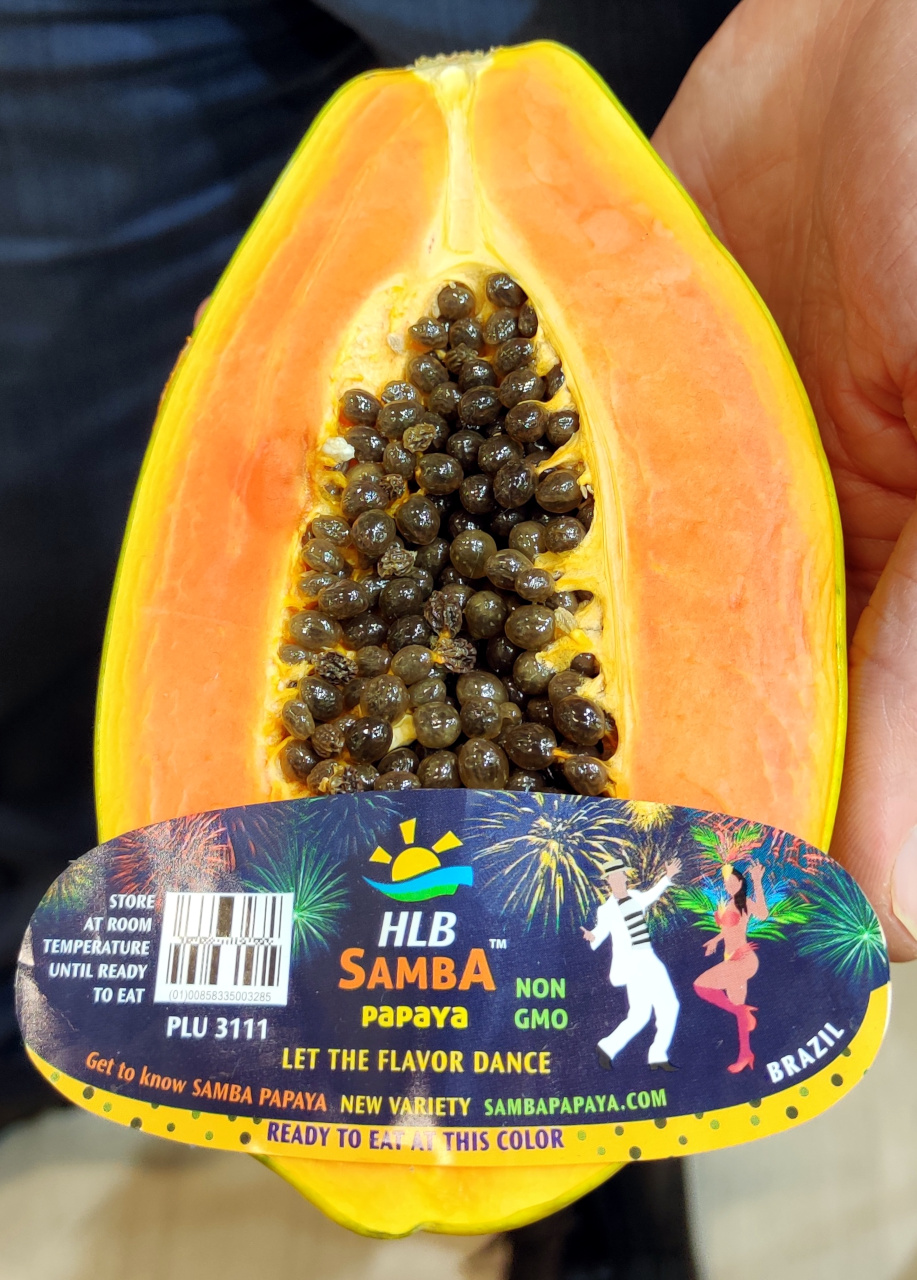
Man hatte seit mehr als 3 Jahrzehnten Erfahrungen mit Formosa, BIO Formosa oder der Goldenen Papaya gesammelt und nun wollte man eine noch bessere Papaya auf den Markt bringen. Viele Produzenten legen hierbei besonderen Wert auf Äußere der Frucht – HLB aber versteht, dass Geschmack und Konsistenz die wichtigsten Kriterien sind. Welcher Verbraucher möchte eine schöne Frucht die nicht wirklich schmeckt – dann lieber ein paar optische Makel in Kauf nehmen, dafür aber den ersten Platz in Sachen Geschmack!
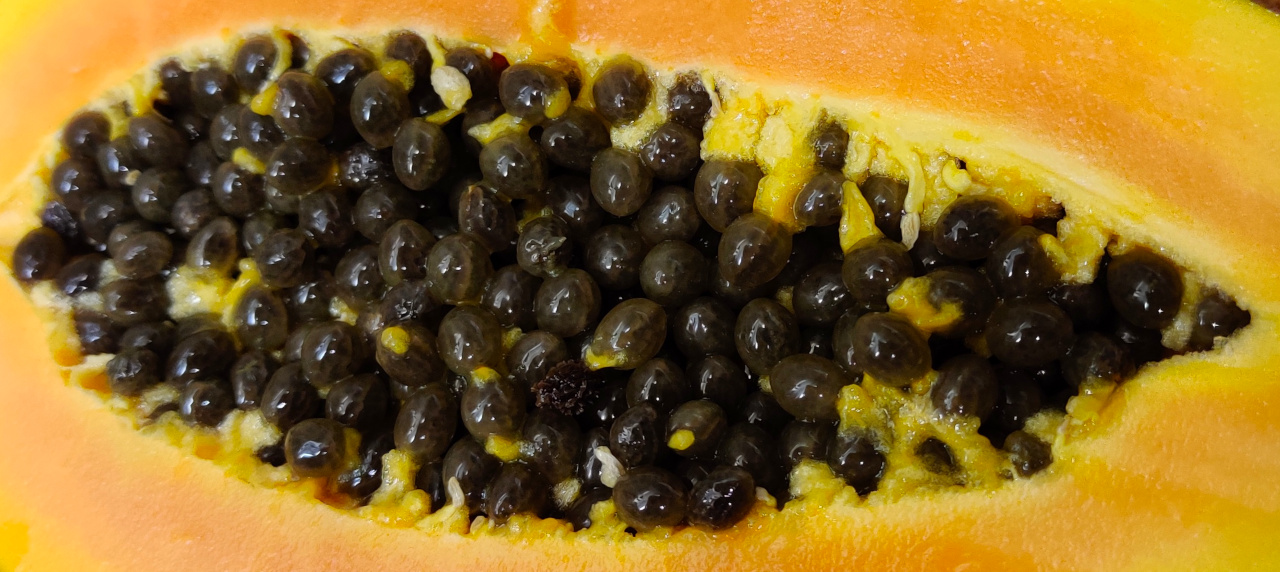
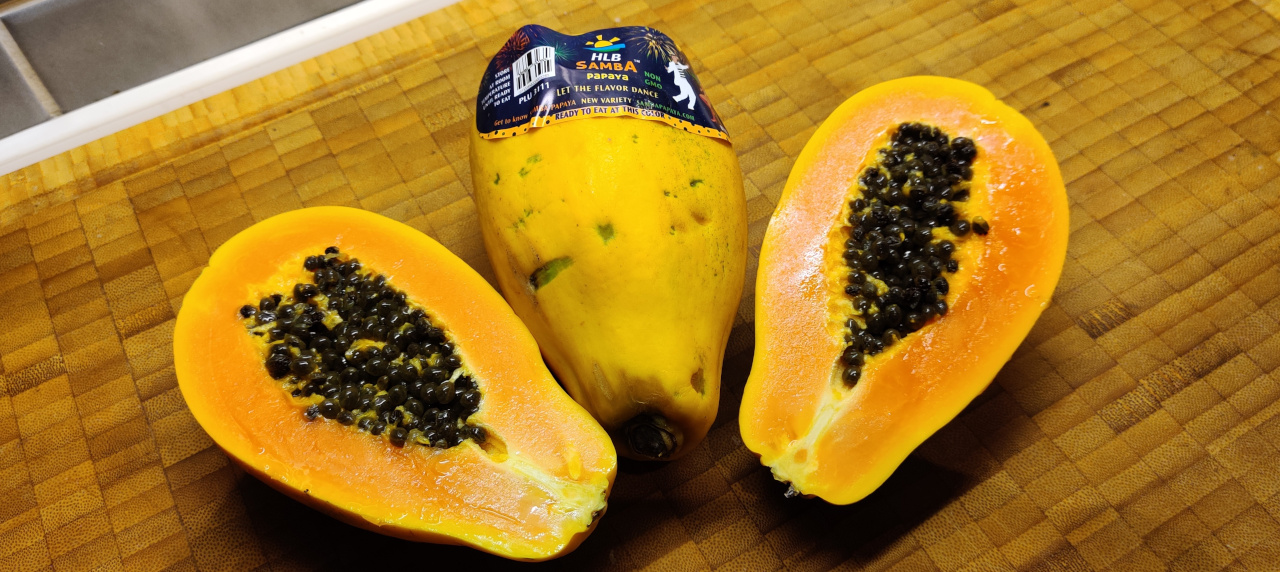
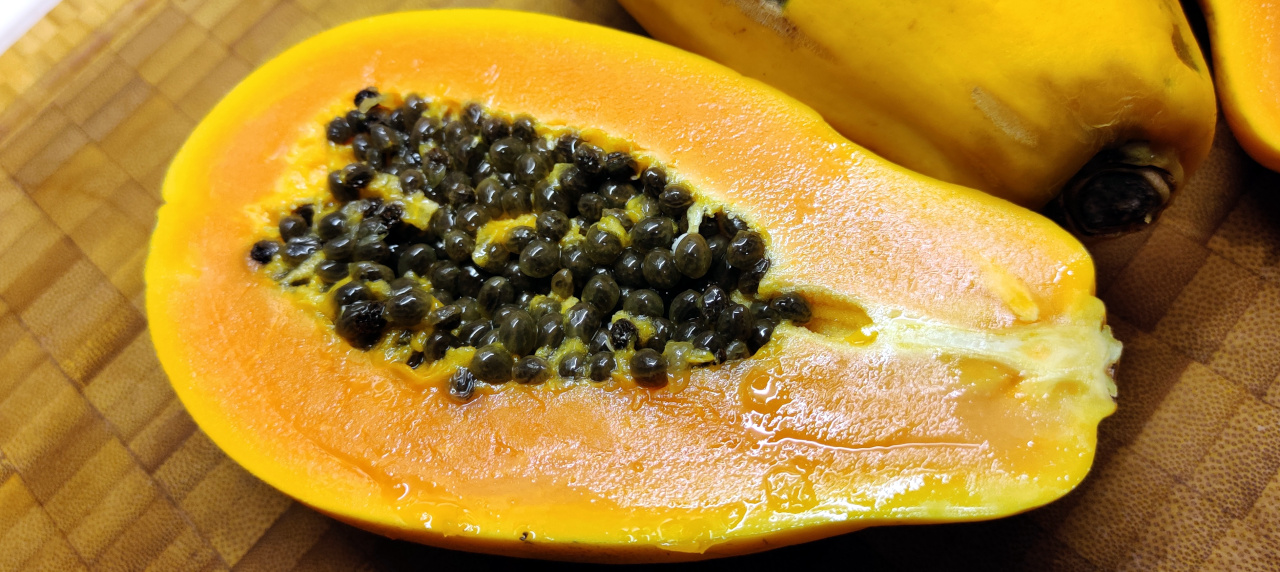
Das Fruchtfleisch der SAMBA geht deutlich mehr ins Orange, respektive rötliche – die Textur ist feinfaserig und sehr angenehm – und der Geschmack deutlich intensiver als bei den Sorten Golden oder Formosa. Der BRIX-Wert, eine Maßeinheit der relativen Dichte für Flüssigkeiten koaliert mit dem Zuckergehalt – so haben beispielsweise „normale“ Melonen in der Kühltheke des Supermarktes meist einen BRIX-Wert von 8-12 – wenn diese besonders hochwertig sind auch mal 14.
Die SAMBA erreicht die Supermärkte stets mit einem Wert von 14 oder mehr BRIX und ist somit den Sorten Golden oder Formosa in Sachen Süße immer eine Nase voraus.

Bei der SAMBA muss man auch nicht warten bis die gesamte Frucht gelb geworden ist – sobald an die 60% Farbwechsel geschehen sind ist diese Papaya bereits tafelfertig. Die Zeitspanne von „kann schon“ bis „muss jetzt‘“ gegessen werden ist deutlich größer und so setzt einen die Frucht nicht „unter Druck“.
Ihr wisst, ich schreibe im Grunde nur noch über Kulinarisches was mich überrascht oder beeindruckt hat – so ist es auch bei der SAMBA, probiert diese Papaya selber mal aus, dann wisst Ihr was ich meine.