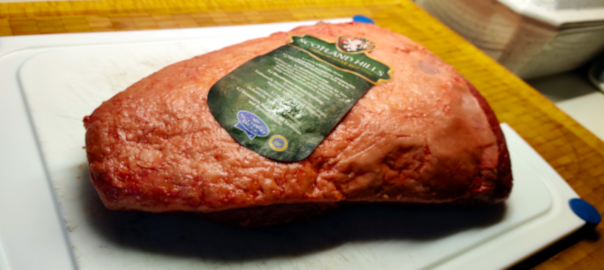
In Deutschland und Österreich hat das Stück Rind um das es heute gehen soll eine lange Tradition – der Tafelspitz. Hierbei handelt es sich um die sehnen-freie, auslaufende Spitze des Schwanzstückes – im Grunde also den Hüftdeckel eines Rindes.
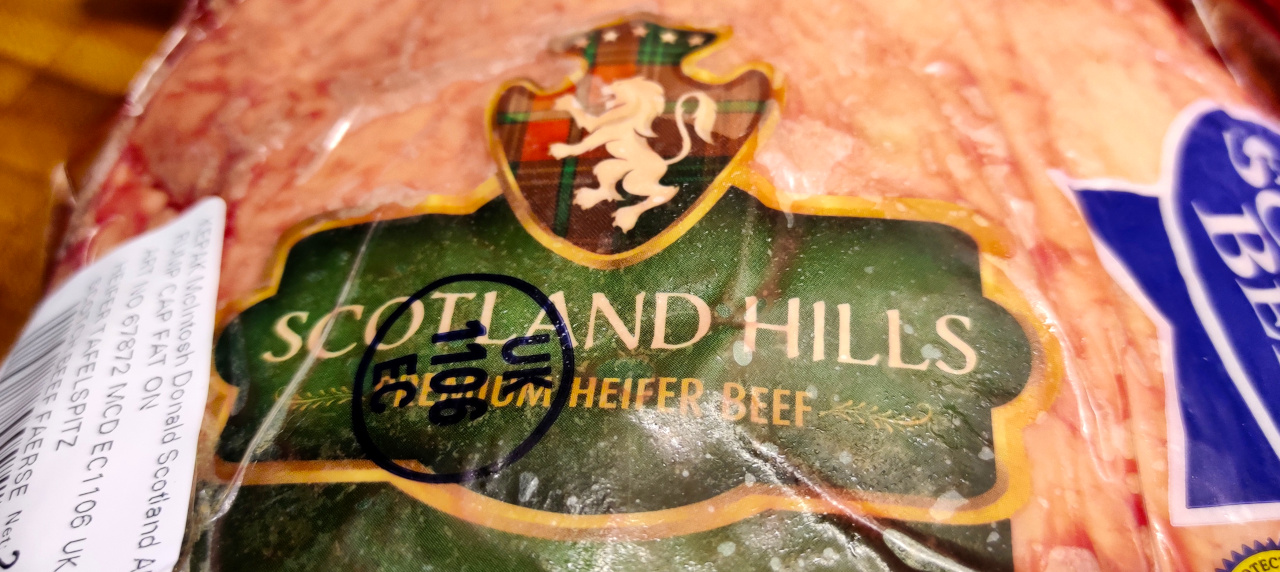
An der Fleischtheke erkennt man dieses Stück leicht an seiner dreieckigen Form, wobei dort meist die Stärke des Fettdeckels oft variiert. Ich habe mich auf Grund meiner positiven Erfahrungen auch bei diesen Beitrag wieder für Färsen-Fleisch von SCOTLAND HILLS entschieden.
Schon damals – als ich noch die Fleischerei meines Großvaters unsicher machte, wurde mir eines klar gemacht – „Tafelspitz muss viele Stunden kochen oder Schmoren – ansonsten ist er viel zu fest zum Verzehr“. So muss das gute Stück dann beim klassischen Tafelspitz – die Österreicher deklarieren dies Rezept-technisch für sich – viele Stunden in Brühe köcheln (Simmern), ehe er in Scheiben mit Apfelkren (österreichische Variante der passenden Meerrettich-Sauce), Wurzelgemüse und neuen Kartoffeln genossen werden kann. Lecker schmeckt der gekochte Tafelspitz im Übrigen auch kalt – „Fetzen“ davon in Meerechtich-Sahne mit Senfgurken-Würfelchen, Petersilie und ahhh…aber das ist eine andere Geschichte…
Uns geht es ja um das Grillen, also zurück zum Thema! Nahezu jeder Lateinamerikaner würde uns belächeln, wenn er wüsste, was mit diesem hervorragenden Stück Grillfleisch hierzulande „verbrochen“ wird. Der Tafelspitz ist unter der Bezeichnung Picanha (aus dem Portugiesischen) nämlich DAS Nonplusultra der lateinamerikanischen Grillmeister – ob traditionell am Lagerfeuer auf Lanzen gespießt, oder aber in der Churrascaria vom Rodizio-Spieß – ohne Picanha & Chimichurri-Sauce geht dort Garnichts…
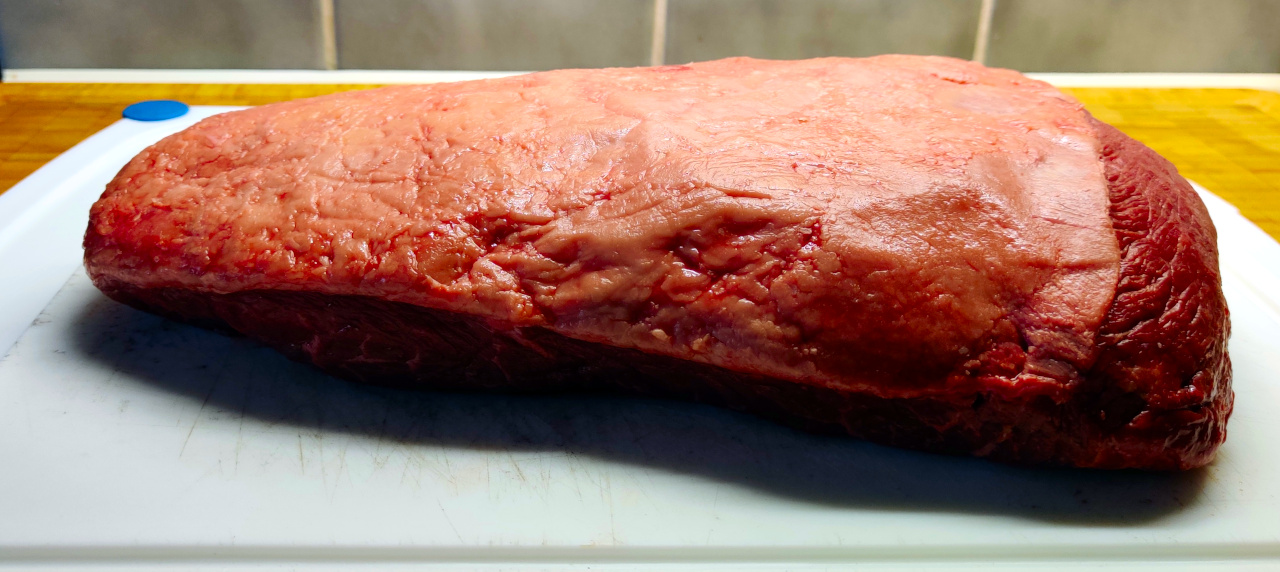
Bei Wikipedia ist zwar vermerkt das Tafelspitz und Picanha sich wegen des Vorhandenseins der Fettschicht unterscheiden, aber ehrlich gesagt habe ich auch hierzulande noch keinen Tafelspitz ohne Fettdeckel gesehen – für mich ist es somit exakt derselbe Cut.
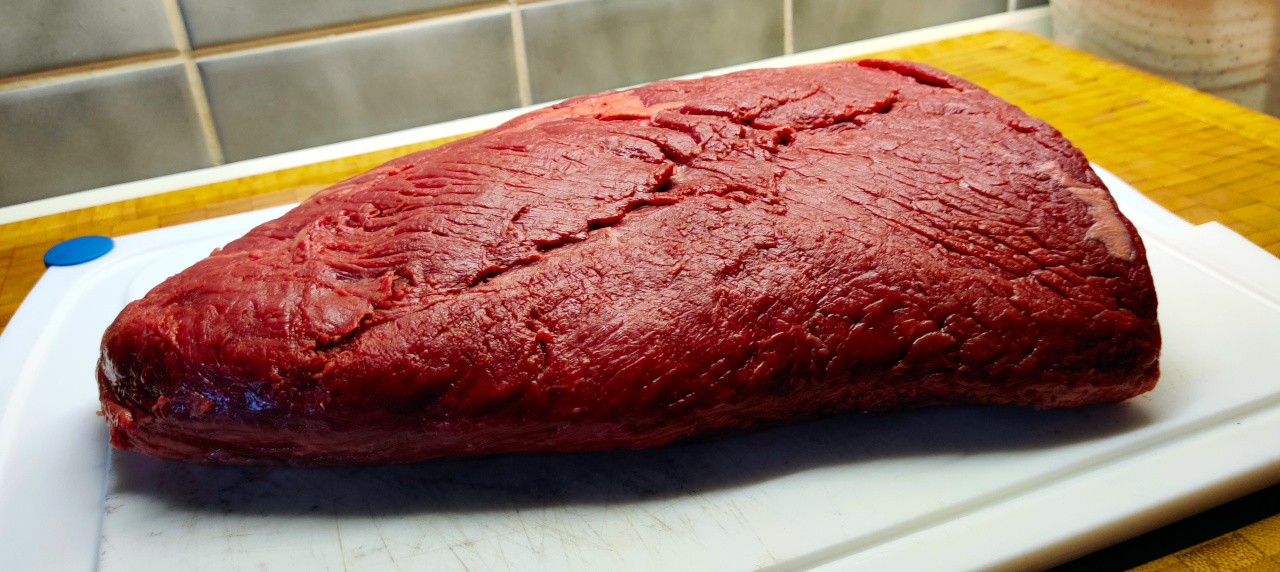
Wichtig bei diesem Cut ist es allerdings, dass der Hüftdeckel nicht zu tief herausgeschnitten wurde. Idealerweise hat das Stück eine maximale Höhe von 12 bis 15 Zentimeter – so wird gewährleistet, dass es auch beim Kurzbraten/Grillen durchgängig zart genug ist. Wird tiefer geschnitten und das Stück ist deutlich höher, sind Muskelteile dabei, die sich eher für den vorab beschriebenen „Österreichischen-Weg“ eignen.
Die Zerleger im Schlachthof orientieren sich an einem der großen Gefäße (fragt mich bitte nicht welches genau) um stets den richtigen Cut zu bekommen. Picanha weist mittellange Muskelfasern auf und ist daher etwas dankbarer, wenn es um hohe Temperaturen geht als Flank Steak oder Hanging Tender – was aber nicht bedeuten soll, das man sich beim Grillen nicht kümmern muss.
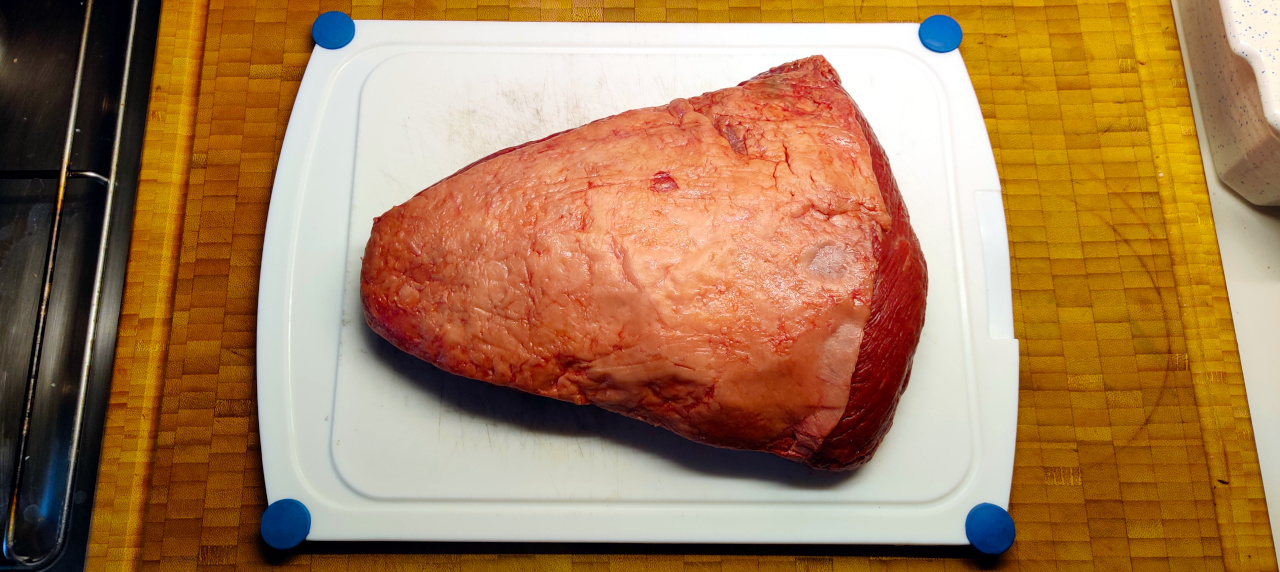
Natürlich sollte auch Picanha ordentlich abgehangen sein – bei einer frischen roten Färbung würde ich noch nicht zugreifen. Ist das Picanha gut abgehangen geht es ins Weinrote, wirkt trocken und der Daumen-Abdruck bleibt erhalten, wenn man es angreift. Die kräftige Fettdecke sorgt erst dafür, dass Euch die Aromen des gegrillten Fleisches in vollem Umfang überzeugen können – also auch wenn Ihr das Fett nicht mitessen solltet – mit-grillen ist Pflicht! Wenn das Picanha zusätzlich auch noch eine kräftige Fett-Marmorierung aufweist, steht einem erinnerungswürdigen Grill-Event nichts mehr im Wege.
Man kann das Fleisch – meist um die 2,5 – 3,5 kg – natürlich im Stück Sous Vide vorbereiten, oder aber auch Sous Vide „Rückwärts“ vorgehen. Ich habe mich in diesem Fall jedoch entschieden traditionell mit aufgespießtem Picanha zu arbeiten, denn mein Grill und ich sind bereits ein gut eingespieltes Team.
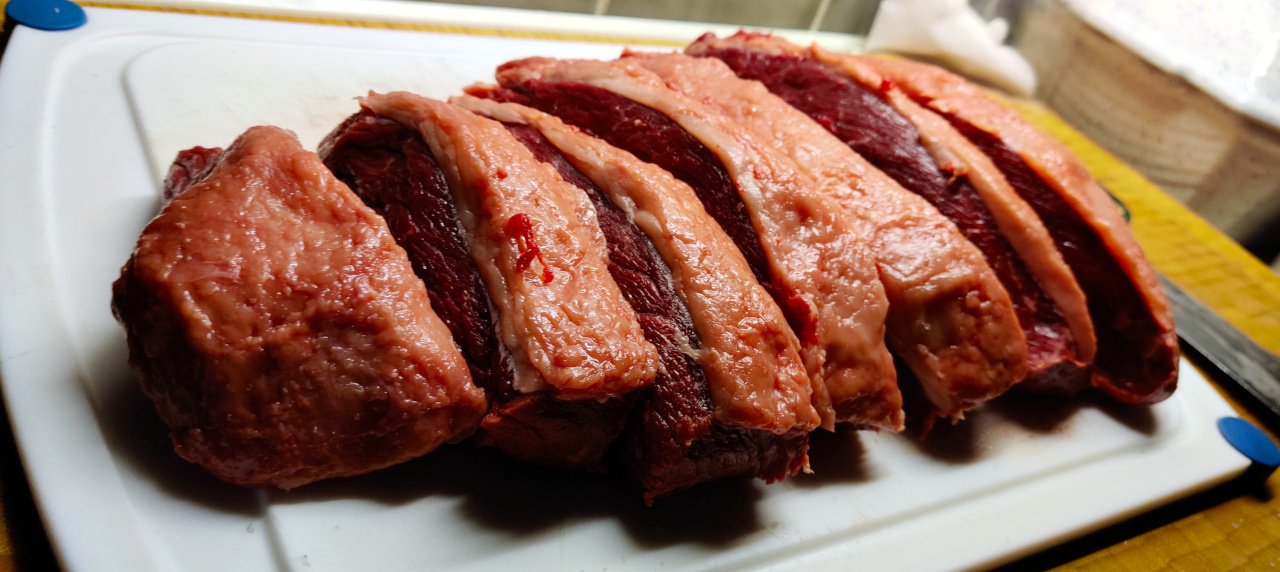
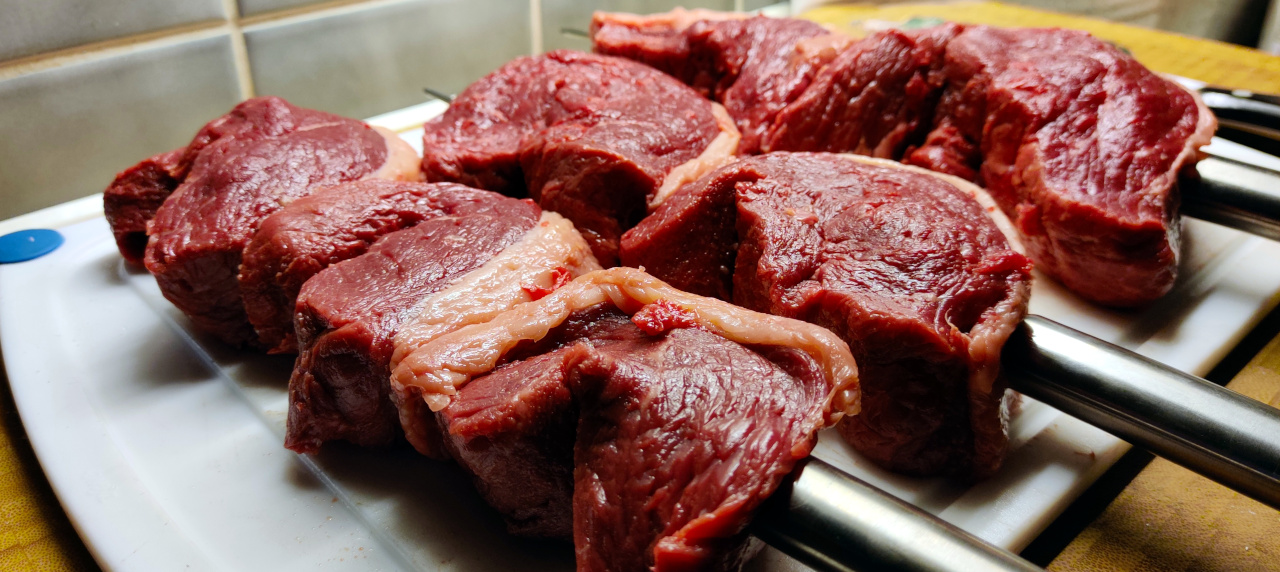
Wie immer habe ich das gute Stück rund eine Stunde vor dem Grillen aus Folie und Kühlschrank „befreit“, abgetupft und bereitgelegt. Zu parieren gab es nichts. Als das Fleisch Raumtemperatur erreicht hatte, habe ich mir ein paar Edelstahl-Spieße bereitgelegt und entlang der Fleischfaser Scheiben von ca. 2,5 bis 3,5 Zentimeter zurechtgeschnitten (Quer zur Faser geschieht dann auf den Tellern).
Hiernach habe ich die Scheiben gesalzen und mit ein wenig nativem Olivenöl benetzt. Wie so oft habe ich auch diesmal von Pfeffer vollends abgesehen. Ich hatte kurz überlegt ob ich frischen Knoblauch verwende, habe es dann aber gelassen, um den geschmacklichen Eindruck dieses tollen Cuts nicht zu beeinträchtigen.
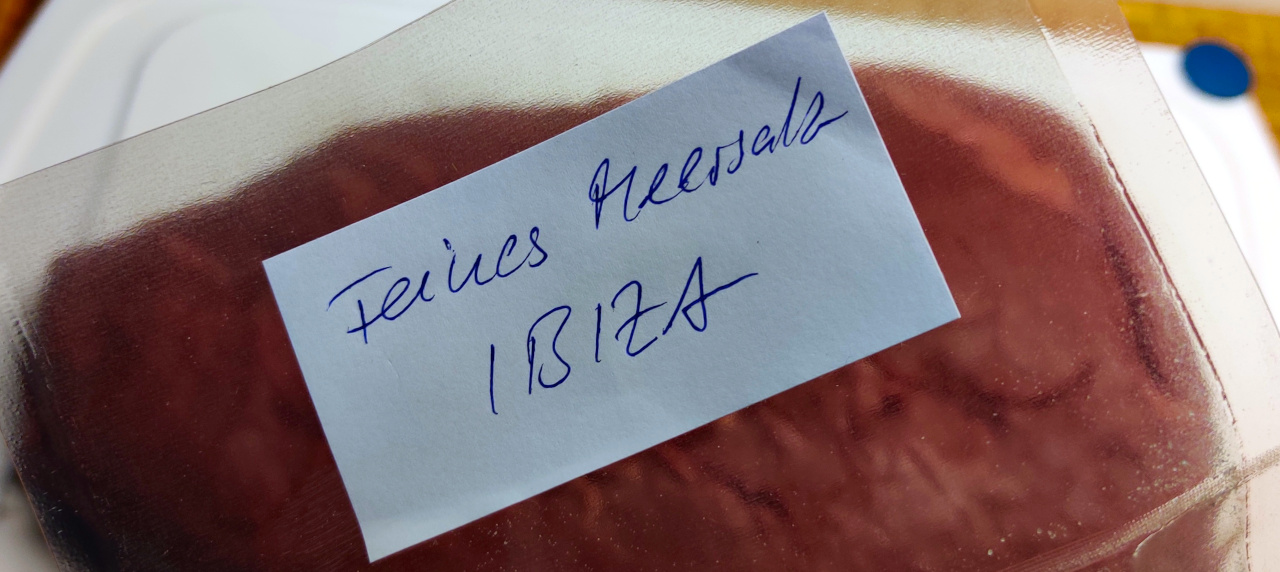
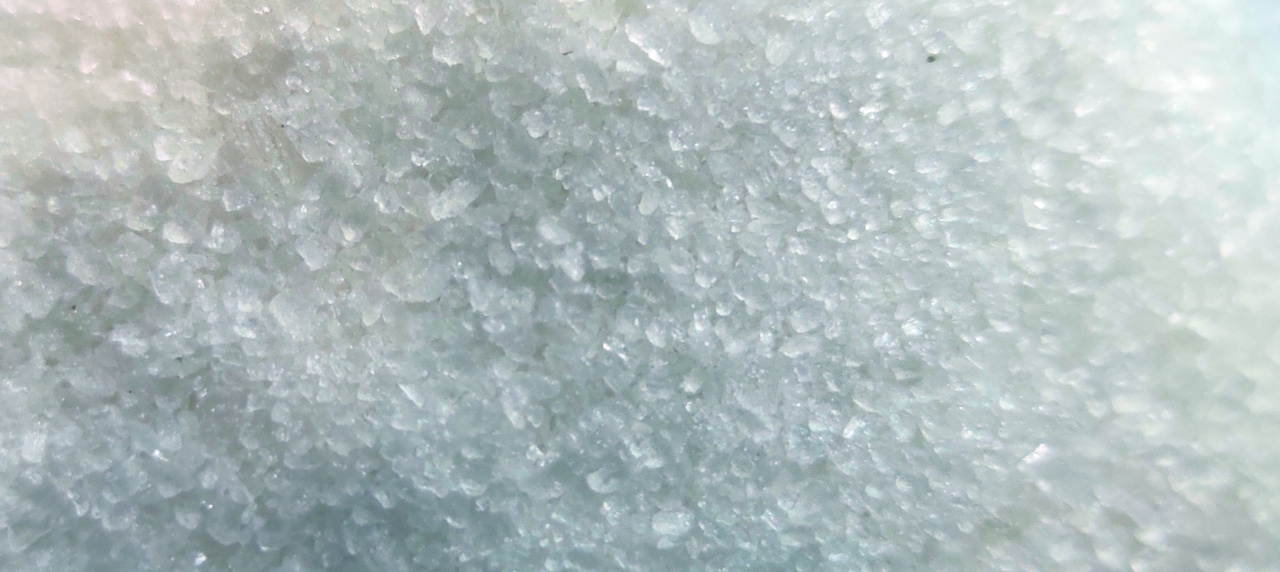
Dieses Mal habe ich mich für ein feines *Meersalz aus Ibiza entschieden welches im Naturschutzgebiet der Salinen durch natürliche Trocknung gewonnen wird. Dieses Salz wird sowohl beim Kochen als auch zum Nachwürzen bei Tisch verwendet. Es hat ein sehr mildes Aroma, kommt vollends ohne Bleichmittel oder Zusatzstoffe aus und schmilzt förmlich dahin.
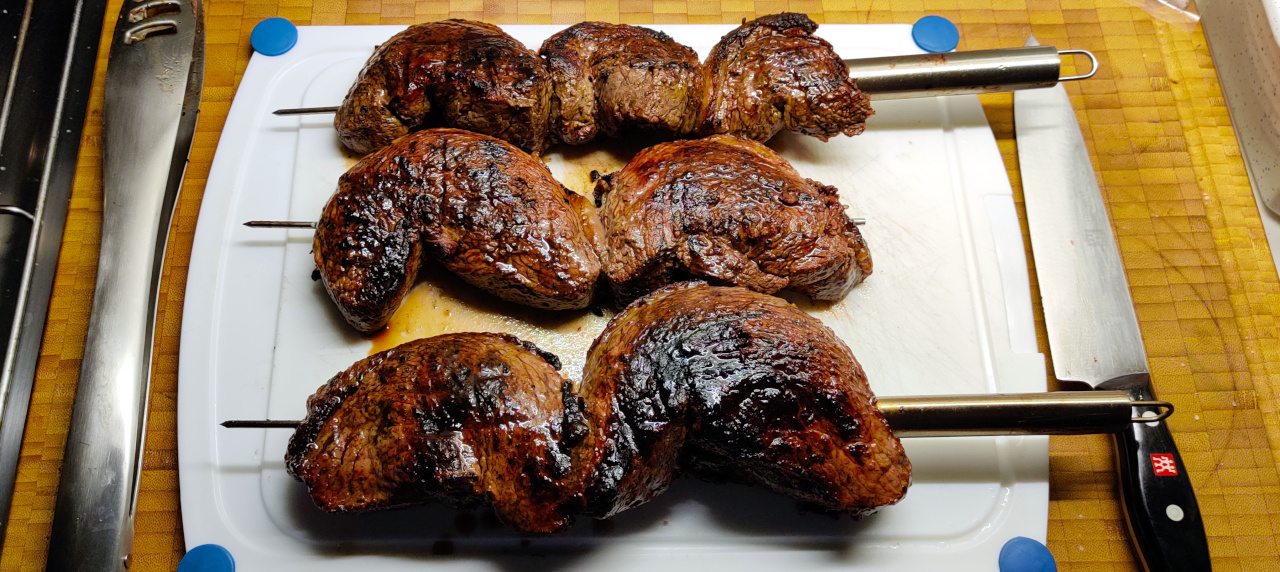
Im Anschluss habe ich die „Halbmonde“ aufgespießt und meinen kleinen Landmann „angeheizt“. Wie immer habe ich zu Beginn mit Maximal-Temperatur gearbeitet – so habe ich die Spieße zuerst von der Fettseite her angegrillt.
Hier braucht es anfangs ggf. etwas Fingerspitzengefühl, damit das Fett nicht verbrennt. Danach habe ich die Temperatur ein wenig reduziert und es ging an die Seiten – jede Seite hat bei insgesamt dreimal Wenden in Summe ca. 7-8 Minuten Hitze abbekommen.
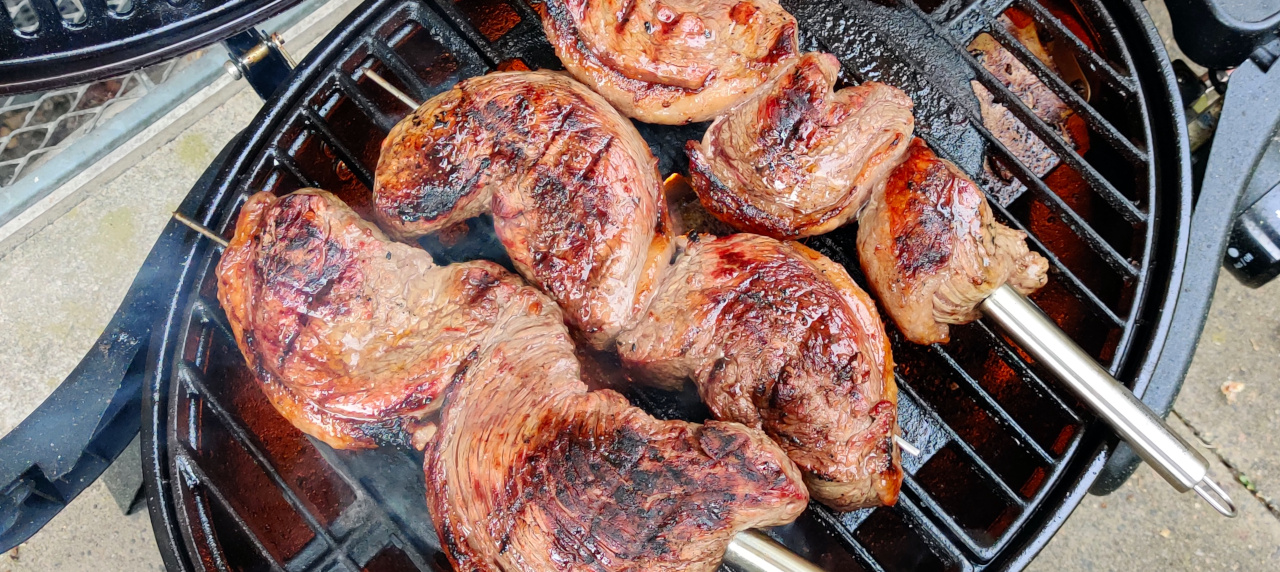
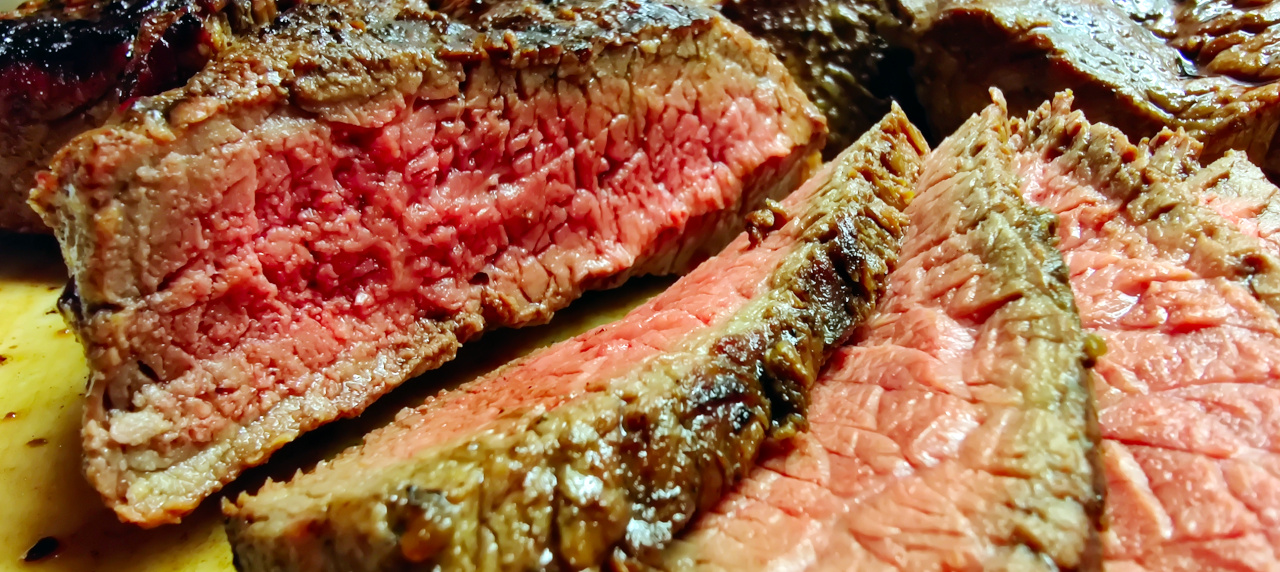
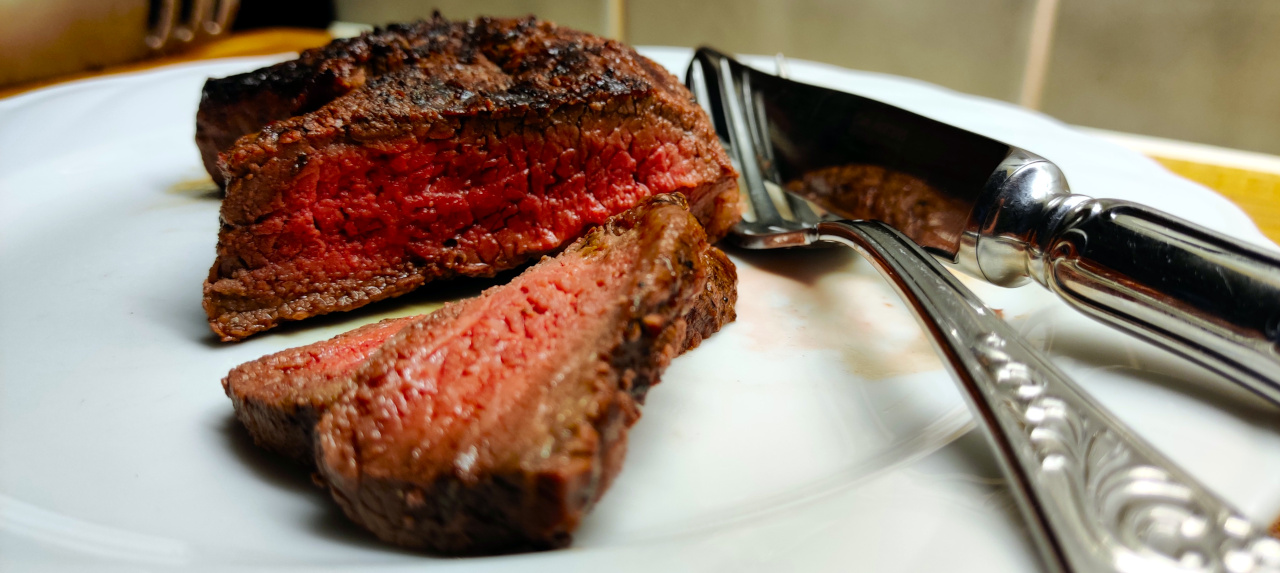
Als ich mir sicher war, das genug der lieb gewonnenen Röstaromen entstanden waren und der Gargrad zwischen Englisch und Medium liegen musste (australische „Handballen-Messung“) habe ich dem gegrillten Tafelspitz bei rund 50°C im vorgeheizten Ofen nochmals 1,5 – 2 Minuten Ruhe gegeben, bevor ich das erste Stück angeschnitten habe.
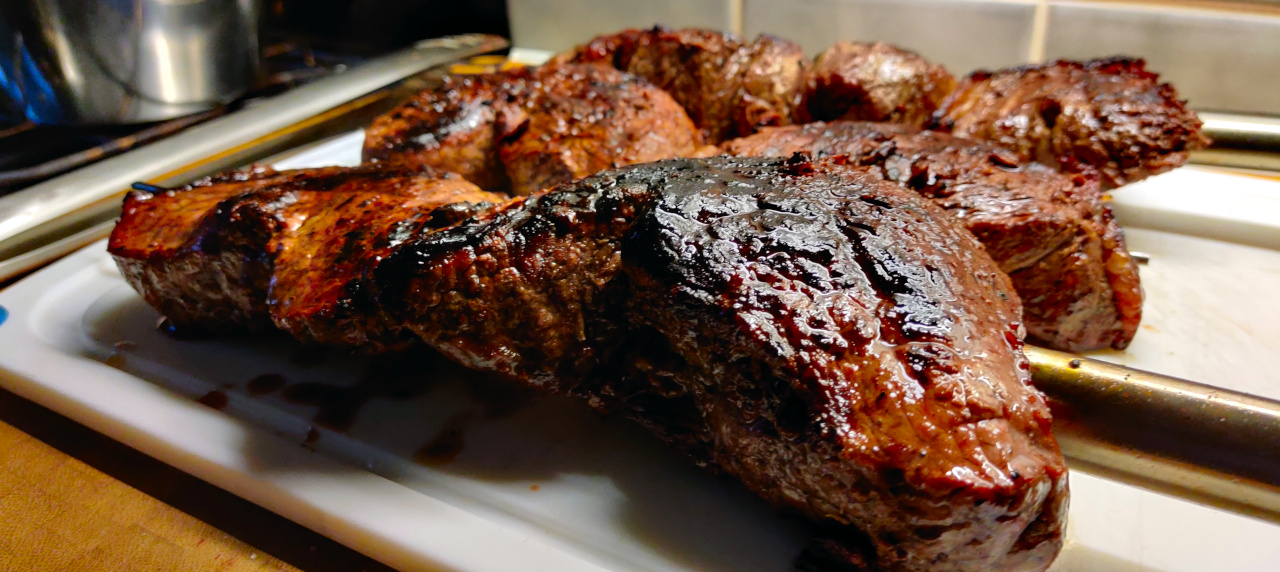
Dann aber war es soweit und ich konnte den ersten Happen probieren – Wow, was für ein Fleisch! Durch das Fett als Geschmacksverstärker waren die Grill-Aromen mehr als gegenwärtig – einen derart authentischen und köstlichen Grillgeschmack hatte ich lange schon nicht mehr genossen.
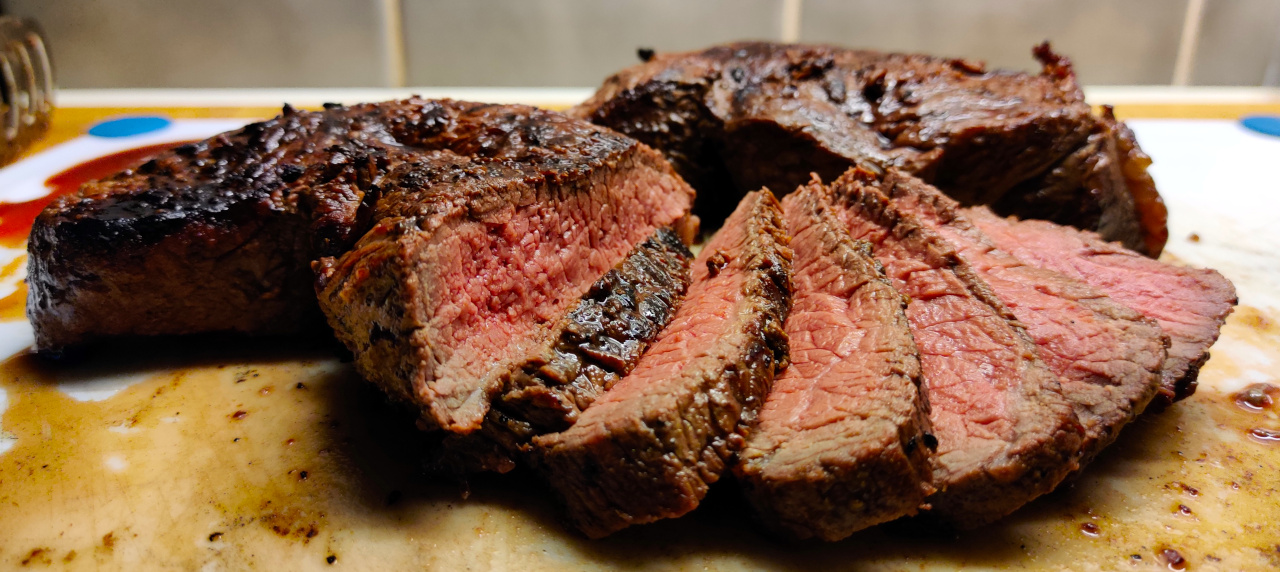
Dabei war das Fleisch vom Biss her super mürbe, vielleicht etwas fester als Filet – gottlob – und gleichzeitig super saftig! In Summe genau das, was Picanha mittlerweile zu meinem Lieblings-Grill-Cut gemacht hat. Ob kalt oder warm – der fein geschnittene Tafelspitz eignet sich im Übrigen auch hervorragend für Fajita-Steak Tacos, thailändischen Rindfleischsalat und vieles mehr.
Auf Grund meines Fabels für Tafelspitz vom Rost, plane ich in demnächst einen Beitrag bei dem ich 2-4 unterschiedliche Marken vergleichen möchte. Aktuell dachte ich an Tafelspitze von „Ein Stück Land“, Westerberger Fullblood (Wagyu), Gut Bressau und SCOTLAND HILLS – aber erstmal schauen wer letztendlich dabei sein wird . Hier muss ich auch erst noch ein paar gute Esser „finden“, damit der Event sich auch lohnt und ich schlussendlich nicht nur auf meine Meinung angewiesen bin.
Ich hoffe ich konnte Euch wieder einmal etwas Appetit und Lust auf einen – zumindest auf deutschen Grills – weniger häufig anzutreffenden Cut machen – viel Freude beim Ausprobieren!
*Das feine Meersalz aus Ibiza, welches hier Verwendung fand – und viele andere leckere Salze – gibt es im Übrigen auch bei Salmundo.In Germany and Austria, the piece of beef that is supposed to be the subject of today has a long tradition – the Tafelspitz. This is the tendon-free, tapering tip of the tail – basically the hip cap of a cow. At the meat counter you can easily recognize this piece by its triangular shape, where the thickness of the fat cover often varies. Due to my positive experiences I have decided to use heifer meat from SCOTLAND HILLS for this contribution as well.
Even back then – when I was still making my grandfather’s butcher’s shop “unsafe” – one thing was made clear to me – „Tafelspitz must cook or braise for many hours – otherwise it is much too firm to eat“. So, the classic Tafelspitz – the Austrians declare this recipe technically for themselves – has to simmer in broth for many hours before it can be enjoyed in slices with apple horseradish (the Austrian variant of the matching German horseradish sauce), root vegetables and new potatoes. By the way, the boiled beef also tastes delicious cold – „shreds“ of it in horseradish cream with diced mustard cucumbers, parsley and ahhh…but that’s another story…
We’re all about the barbecue, so let’s get back to it. Almost every Latin American would smile at us if he knew what is „done“ with this excellent piece of meat in our country. Under the name Picanha (from the Portuguese), the beef is THE non plus ultra of the Latin American grill masters – whether traditionally skewered on lances around the campfire, or in the Churrascaria from the Rodizio skewer – without Picanha & Chimichurri sauce nothing works there…
Wikipedia has noted that the Tafelspitz and Picanha differ because of the presence of the fat layer, but to be honest I have not seen a Tafelspitz without fat cover in Germany either – so for me it is exactly the same cut.
It is important with this cut that the hip cap is not cut out too deep. Ideally, the piece has a maximum height of 12 to 15 centimetres – this ensures that it is also tender enough for short roasts/grilling. If you cut deeper and the piece is significantly higher, you will have muscle parts that are more suitable for the „Austrian way“ described above.
The cutters in the slaughterhouse use one of the big vessels (please don’t ask me which one exactly) to always get the right cut. Picanha has medium-length muscle fibres and is therefore a little more grateful when it comes to high temperatures than flank steak or hanging tender – but that doesn’t mean that you don’t have to worry about it when grilling.
Of course, Picanha should also be properly hung – I wouldn’t go for a fresh red colouring yet. If the Picanha is well hung, it will turn burgundy red, looks dry and the thumb print will remain when you touch it. The strong fat cover makes sure that the aromas of the grilled meat can convince you to the full extent – even if you should not eat the fat – it is obligatory to barbecue with it! If the Picanha also has a strong marbling of fat, nothing stands in the way of a memorable barbecue event.
You can prepare the meat – usually around 2.5 – 3.5 kg – in a piece Sous Vide, or you can also do Sous Vide „backwards“. In this case, however, I have decided to work traditionally with skewered Picanha, because my grill and I are already a well-rehearsed team.
As always, I „freed“ the good piece from foil and fridge about an hour before the barbecue, dabbed it off and put it ready. There was nothing to parry. When the meat had reached room temperature, I prepared a few stainless-steel skewers and cut slices of about 2.5 to 3.5 centimetres along the meat fibre (transverse to the fibre is then done on the plates).
Then I salted the slices and moistened them with a little virgin olive oil. As so often, I completely refrained from using pepper this time as well. I had briefly considered using fresh garlic, but then I left it alone so as not to impair the taste of this great cut.
This time I decided to use a fine *sea salt from Ibiza, which is produced by natural drying in the nature reserve of the salt flats. This salt is used for cooking as well as for seasoning at table. It has a very mild aroma, does not contain any bleach or additives and melts away.
Afterwards I skewered the „crescent moons“ and „fired up“ my little Landmann. As always, I worked with maximum temperature at the beginning – so I first grilled the skewers from the fat side.
At the beginning you might need a little bit of tact to prevent the fat from burning. Then I reduced the temperature a little bit and it went to the sides – each side got about 7-8 minutes of heat with three turns in total.
When I was sure that enough of the beloved roast aromas had been created and that the degree of cooking had to be between English and medium (Australian „palm measurement“) I put the grilled Picanha in the preheated oven at about 50°C for another 1.5 – 2 minutes before I cut the first piece.
But then it was time and I could taste the first bite – wow, what a meat! Due to the fat as a flavour enhancer, the grill flavours were more than present – I hadn’t enjoyed such an authentic and delicious grill taste for a long time.
But the meat was super tender, maybe a bit firmer than fillet – thank god – and at the same time super juicy! All in all, exactly what has made Picanha my favourite grill cut. Whether cold or warm – the grilled beef is also ideal for Fajita steak tacos, Thai beef salad and much more.
Because of my fable for Tafelspitz from the grill, I am planning an article in the near future where I want to compare 2-4 different brands. Currently I was thinking of „Tafelspitzes“ from „Ein Stück Land„, Westerberger Fullblood (Wagyu), Gut Bressau and SCOTLAND HILLS – but let’s see who’s gonna be there in the end. Here I have to „find“ a few good eaters, so that the event is worthwhile and I am not only dependent on my opinion.
I hope I could once again whet your appetite and make you want to try a – at least on German barbecues – less frequent cut – have fun trying it out!
*The fine sea salt from Ibiza, that was used here – and many other delicious salts – are also available at Salmundo.