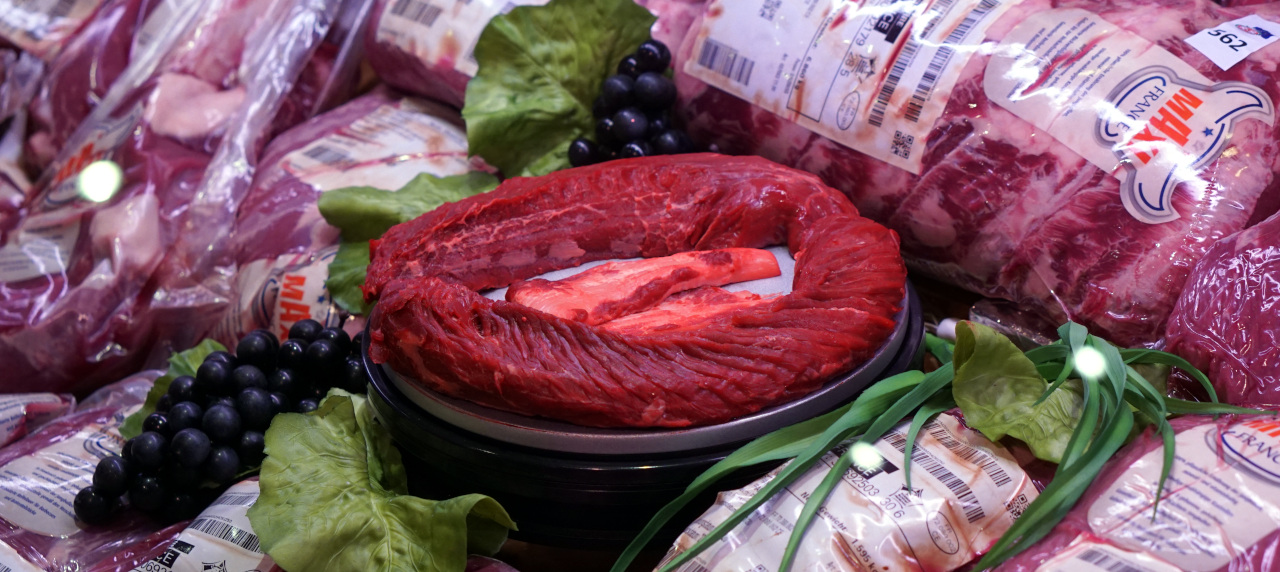
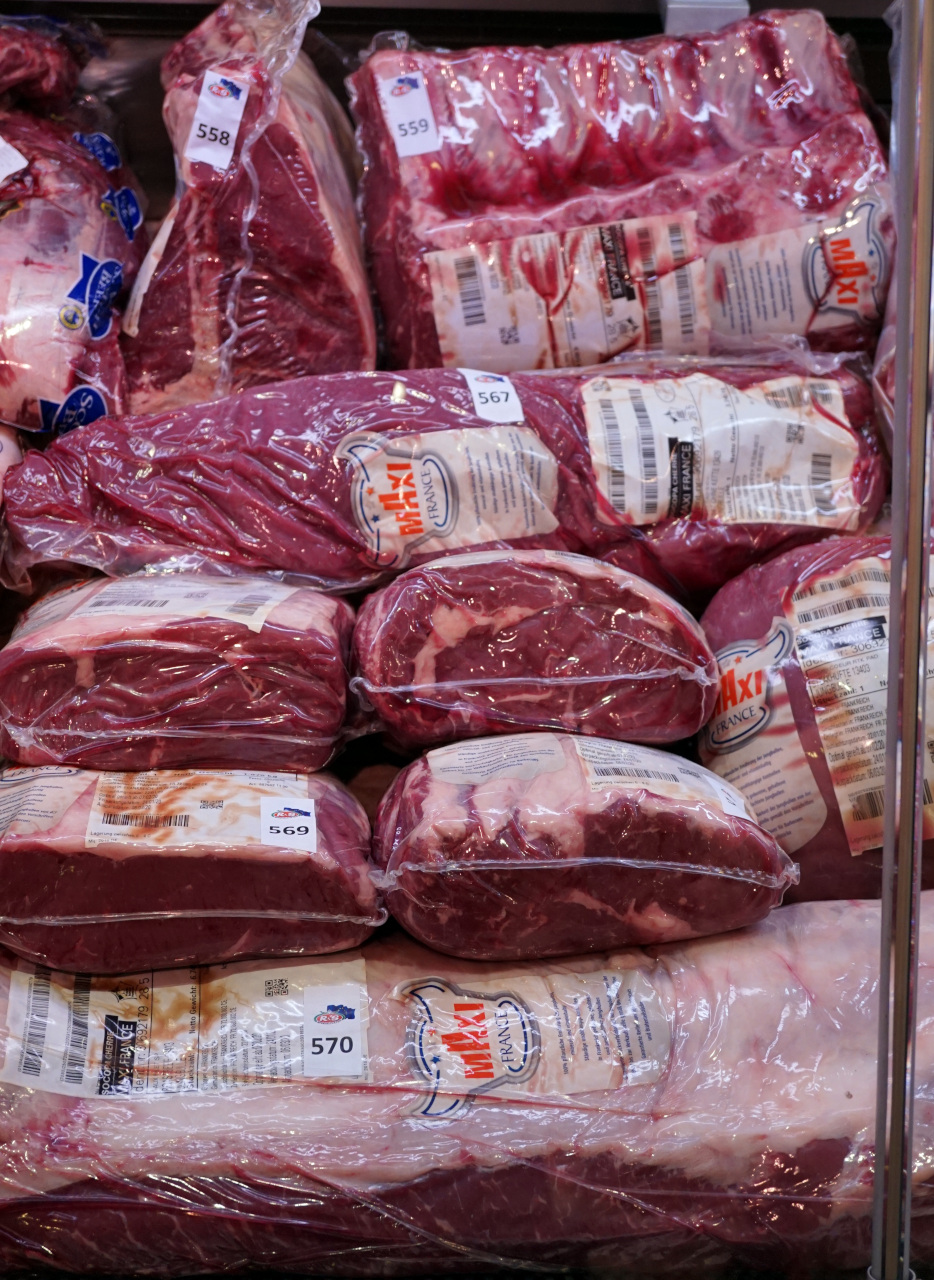
Das Jungbullenfleisch der Marke Maxi France kommt ausschließlich aus Frankreich und besticht mit seiner besonderen Zartheit. Bei den Rinderrassen von denen das Jungbullenfleisch stammt handelt es ich um die Fleisch- und Zweinutzungs-Rinderrassen Charolais, Blonde d’Aquitaine, Normande, Limousin, Salers, Montbéliarde und deren Kreuzungen. Die Lieferanten werden vor Ort handverlesen und Mitarbeiter sind oft in Frankreich unterwegs um die Betriebe zu besuchen und nach dem Rechten zu schauen.
Die Tiere werden bis zur Schlachtung im Sinne des Tierwohls artgerecht aufgezogen und gehalten. Dies beinhaltet ebenso wie bei SCOTLAND HILLS, dass die Tiere während eines Großteils der Aufzucht auf den Weiden sind. Auch Maxi France unterliegt natürlich einer durchgängigen Kontrolle hinsichtlich der Aufzucht, Haltung und Schlachtung. Wie bei allen von R&S vertriebenen Marken ist die Herkunft der Tiere von der Geburt an bis zur Verkaufstheke rückverfolgbar.
Dadurch das die Marke Maxi France gezielt kleine bäuerliche Familienbetriebe in Frankreich unterstützt und fördert, wird das Thema Nachhaltigkeit hier besonders großgeschrieben. Die Rinder werden ausschließlich mit pflanzlichem Futter ernährt, welches idealerweise durch die landwirtschaftlichen Erzeuger selbst angebaut und aufbereitet wird. Hierbei steht die Qualität des Futters, insbesondere dessen Mineral- und Vitamin-Gehalt im Zentrum des Augenmerkes.
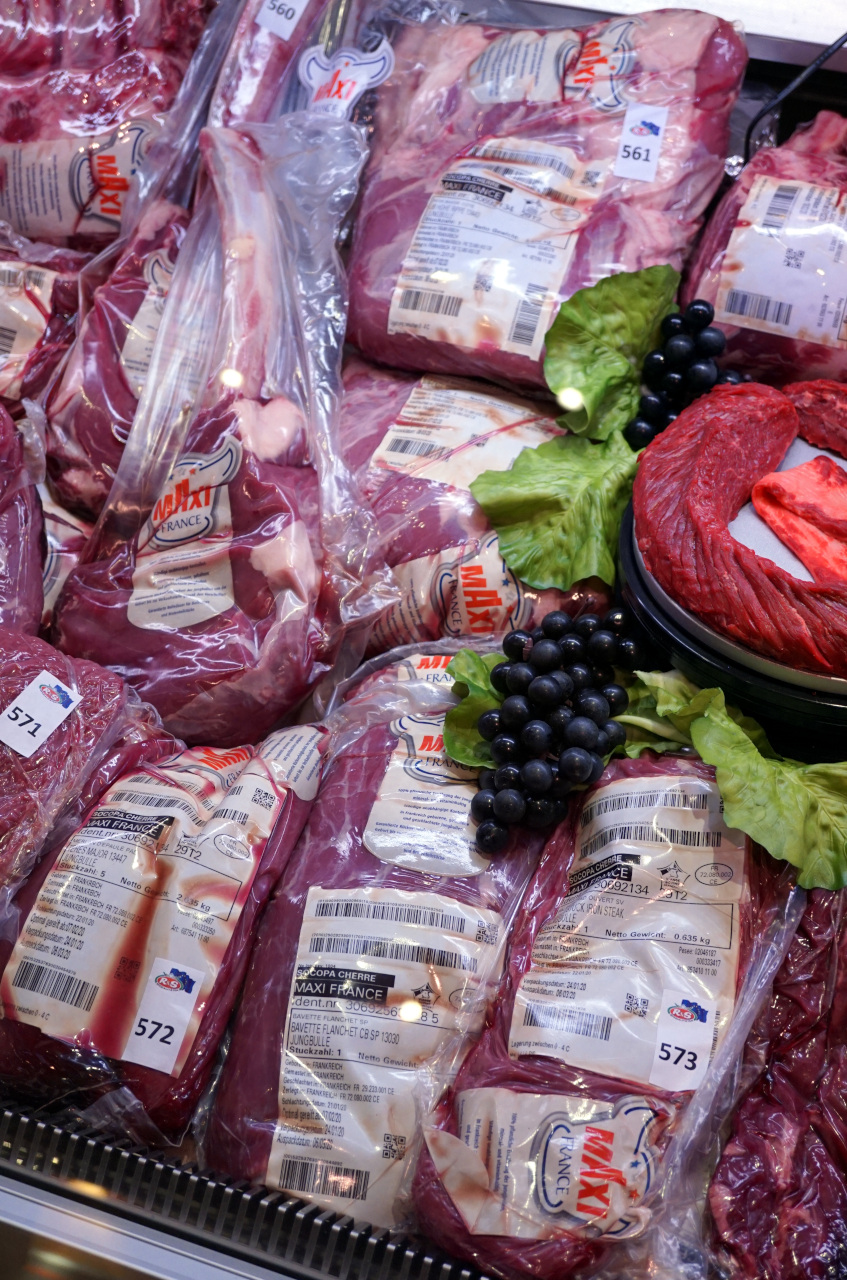
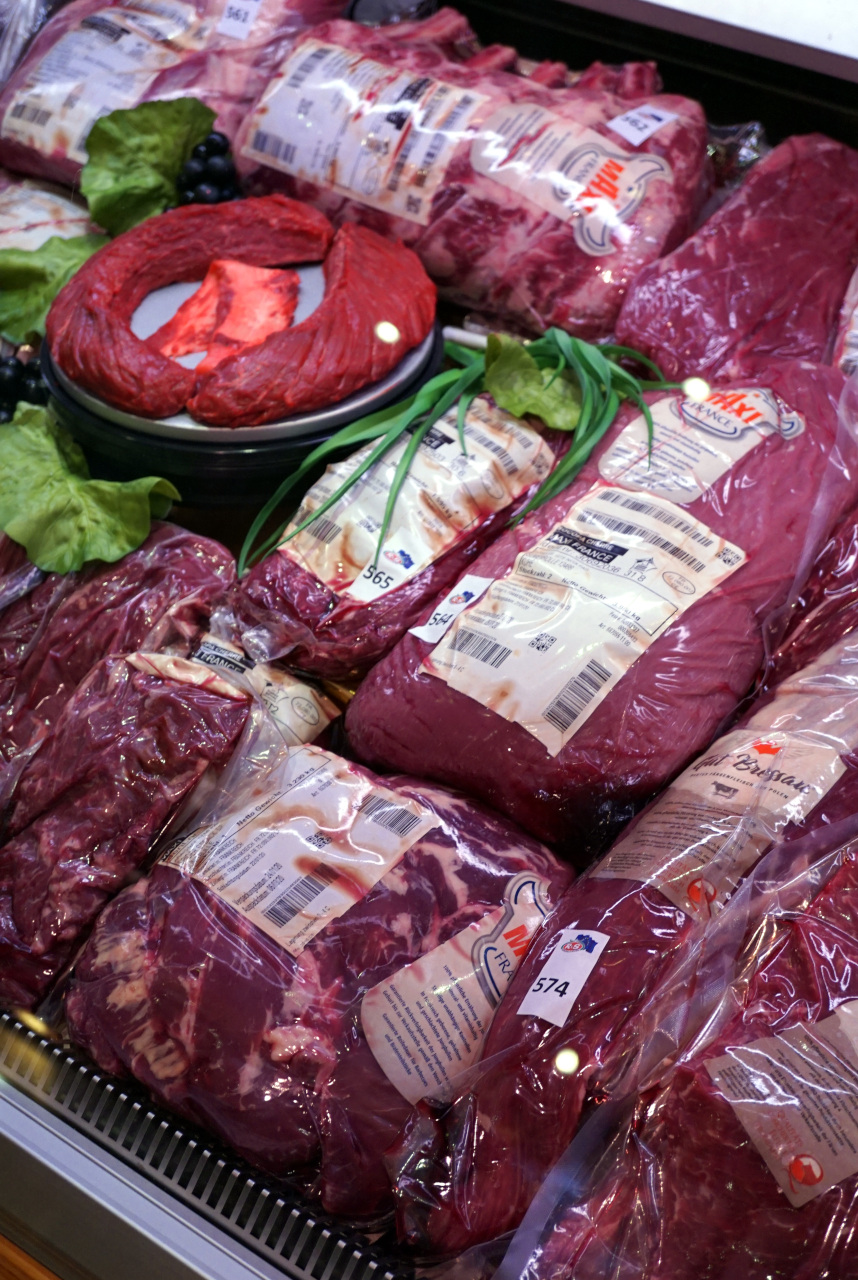
Daher schaut sich der eine Betrieb regelmäßig etwas vom anderen ab und das führte beispielsweise schon dazu, dass sich einige Familien-Betriebe vollends unabhängig machen konnten, was die Futterproduktion und -Aufbereitung angeht.
Ja es gibt mittlerweile auch Betriebe die sogar in der Lage sind über die eigene Nutztier-Produktion hinaus noch Futter zu verkaufen. Bei der Trocknung der Futtermittel wir mit Bedacht überwiegend auf den nachwachsenden Rohstoff Holz gesetzt.
Im Grunde läuft es mit der Marke Maxi France so wie wir es uns alle wünschen – kleine Familien-Betriebe erzeugen mit Enthusiasmus und Freude an der Arbeit qualitativ hochwertiges Fleisch und verdienen daran ihren gerechten Anteil.
Das Fleisch was dann auf unseren deutschen Tellern landet ist zwar ein wenig teurer, aber für die Qualität, die ethisch korrekte Aufzucht, Haltung und Schlachtung sind wir auch bereit mehr auszugeben – insbesondere dann, wenn es wie früher, nicht jeden Tag Fleisch sein muss.The young bull meat of the brand Maxi France comes exclusively from France and impresses with its special tenderness. The beef breeds from which the young bull meat comes are the meat and dual-purpose beef breeds Charolais, Blonde d’Aquitaine, Normande, Limousin, Salers, Montbéliarde and their crossbreeds. The suppliers are handpicked on site and employees are often on the road in France to visit the farms and to check that everything is in order.
The animals are reared and kept in a manner appropriate to their species until slaughter in the interest of animal welfare. This includes, as with SCOTLAND HILLS, that the animals are on the pastures for a large part of the rearing. Maxi France is of course also subject to continuous control with regard to rearing, keeping and slaughter. As with all brands R&S is reselling, the origin of the animals can be traced from birth to the sales counter.
As a result of the fact that the brand Maxi France specifically supports and promotes small family-run farming businesses in France, the issue of sustainability is particularly important here. The cattle are fed exclusively on vegetable feed, which is ideally grown and processed by the agricultural producers themselves. Here, the quality of the feed, especially its mineral and vitamin content, is the focus of attention.
Therefore, one farm regularly looks at the other and this has already led to some family farms becoming completely independent in terms of feed production and processing.
Yes, there are now farms that are even able to sell feed beyond their own livestock production. For drying the fodder, they carefully use mainly the renewable raw material wood.
Basically, the brand Maxi France works the way we all want it to – small family businesses produce high quality meat with enthusiasm and joy in their work and earn their fair share of the profits.
The meat that ends up on our German plates is a little more expensive, but for the quality, the ethically correct rearing, keeping and slaughtering we are also willing to spend more – especially when it doesn’t have to be meat every day as it used to be.