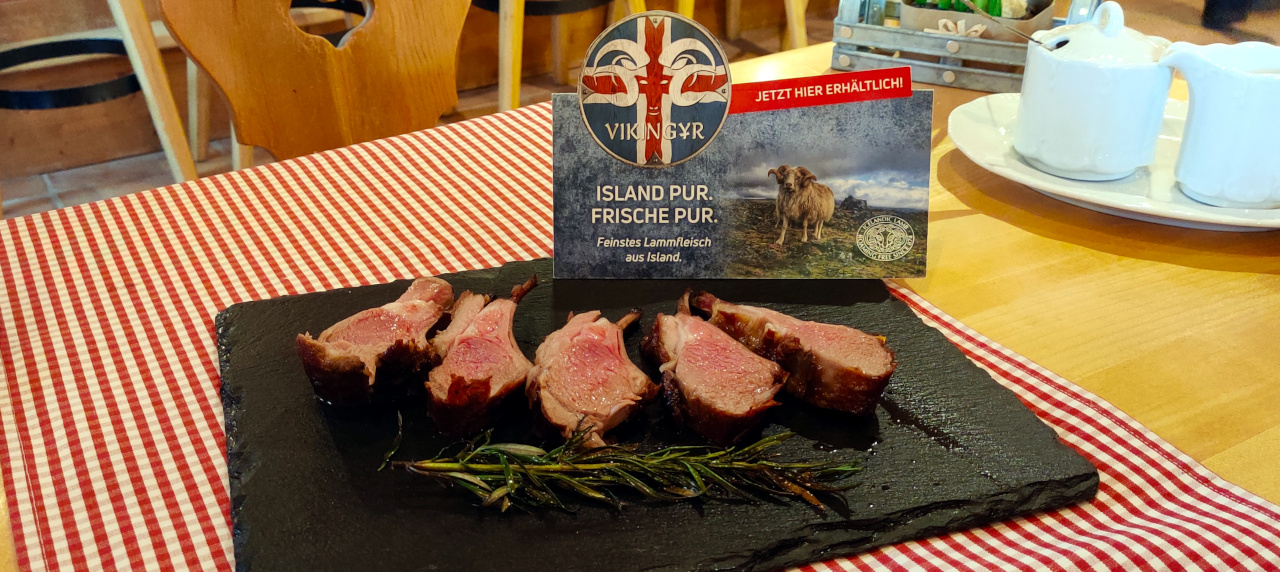
VIKINGYR Lamm aus Island ist eine ganz besondere Spezialität. Lamm an sich ist ja schon zart, aber die ausnahmslos auf Island aufgewachsenen Lämmer dieser Marke sind nicht nur sprichwörtlich „butterzart“. Zudem verfügt ihr Fleisch über einen hohen Anteil an Fettsäuren (Omega-3), heißt also es muss nicht unbedingt Fisch sein, wenn man sich gesund ernähren möchte.

Die Lamm-Population Islands bewegt sich aktuell zahlenmäßig um die 500.000 Tiere – in etwa das Zweifache der Bevölkerung – die sich in Weidelandhaltung ausschließlich von dem ernähren was die Natur an Gräsern, Kräutern & Beeren hergibt. So kommen weder Hormone, Antibiotika, Pflanzenschutzmittel oder Gentechnik zur Anwendung – die Tiere leben zu 100% natürlich. In der unberührten Natur Islands kommt aktuell rechnerisch ein Tier auf rund zehn Hektar.
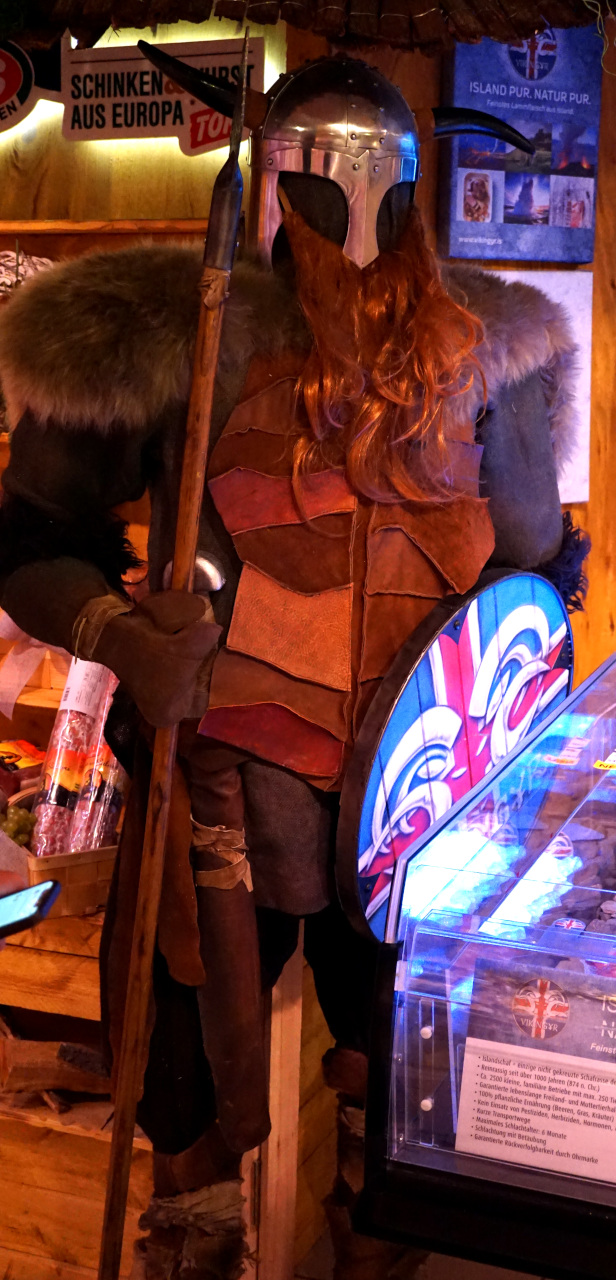
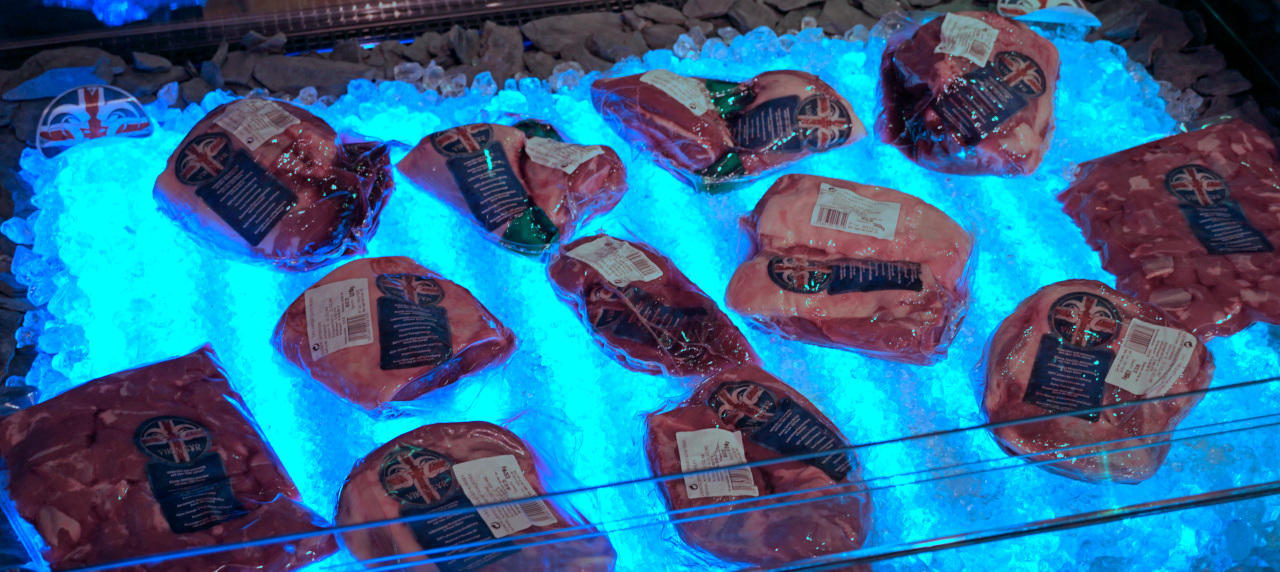

So wird auch die Muttertierhaltung bis zur Schlachtung garantiert – Die Schlachtung selbst geschieht unter Betäubung und die Transportwege vor Ort kurz sind so dass man den möglichen Stress für die Tiere minimiert. Die Isländische Kontroll- und Veterinärbehörde – kurz MAST – überwacht die Tiere nicht nur ganzjährig, sondern prüft auch durchgängig während der Betäubung, Schlachtung und Zerlegung der Tiere.
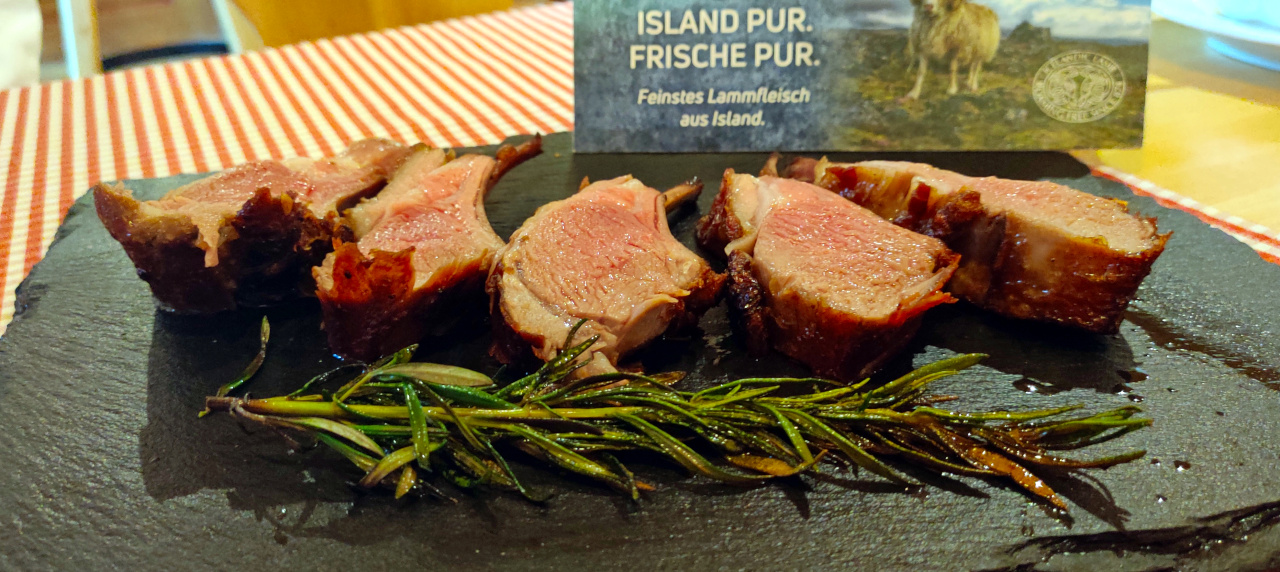
Die MAST ist sehr genau, wenn es darum geht Tiere ein- oder auszuführen. Ähnlich wie in Neuseeland oder Australien ist die Hauptdirektive Gefahren für Mensch, Tier oder die Natur abzuwenden. Dies führ teilweise auch dazu, dass selbst isländische Tiere, die beispielsweise an Wettbewerben außerhalb Islands teilgenommen haben – danach nicht mehr zurück in ihre Heimat dürfen.

Auf Grund der oftmals widrigen Wetterbedingungen Islands hat sich lediglich eine Schafsrasse wirklich behaupten können – das heutige Islandschaf. Die Schafe Islands sind reinrassig und dies bereits seit mehr elfhundert Jahren. Für die Qualität des Fleisches bedeutet dies Kontinuität. Diese zu den Nordischen Kurzschwanzschafen zählende Rasse, konnte mit seinem kräftigen Fell den teils niedrigen Temperaturen, kräftigen Winden, Vulkanen, Geysiren trotzen.
Dies ist sicher mit einer der wichtigsten Gründe dafür, dass die natürlichen Islandschaf- & Lämmer-Zuchten die geringste Krankheitsrate weltweit aufweisen. In der Regel gebären die stämmigen isländischen Mutterschafe mindestens Zwillinge – oft aber auch mehr als zwei Lämmer. Dies hat die Natur offenbar so eingerichtet, um die Überlebenschancen trotz des rauen Lebensraums zu erhöhen und so die Population zu sichern.
Die Lämmer werden im März – sprich kurz nach ihrer Geburt durch jeweils einen der 2000 familiären Kleinbetriebe mit Ohrmarken versehen und dann für bis zu maximal 6 Monate in die Freiheit entlassen. Der Abrieb der Lämmer aus dem Hochland erfolgt zwischen September und Oktober desselben Jahres. So geht man sicher die Tiere noch vor dem Wintereinbruch – hier werden ganze Teile Islands unter dem Schnee begraben“ – in den Ställen zu haben. Auch wenn Island stellenweise wie Tolkiens Auenland wirkt bleibt es doch eine sehr raue Landschaft. Wenn es also im Herbst zunehmend kalt wird, finden so alle Schafe bei Ihren jeweiligen Zuchtbetrieben Unterschlupf im „warmen“ Stall.

Die Isländer sind moderne aufgeschlossene Menschen, die jedoch auch heute noch viel Wert auf Tradition und Zusammenhalt legen. Eine Chance diese Tradition zu leben ist der sogenannten Rettir – ein für die Isländische Gesellschaft wichtiger Event – hier kommen die familiären Betriebe der Insel zusammen und Feiern gemeinsam den Abtrieb von Schafen sowie Islandpferden. Es herrscht eine klassische Volksfest Stimmung – jedoch anders als bei unseren bunten Karussellwelten – Rettir bedeutet immer auch Harmonie mit der Natur.

Natürlich wird auch das eine oder andere Mal gebührend zugeprostet, der Kauf per Handschlag besiegelt oder man macht gemeinsam Musik. Es wird getanzt, es werden traditionelle Spiele gespielt und natürlich nicht zu vergessen, man isst zusammen.
Zumindest all diejenigen die nach dem Abtrieb noch ausreichend fit sind tun dies zumindest. Der eigentliche Akt des Abtriebes ist nämlich kein einfacher. Die berittenen Züchter, ihre Mitarbeiter und Helfer müssen den Weg des Abtriebs teils mehr als 25 km lang säumen, damit es gelingt die Tiere – meist in kleineren Gruppen – zusammen zu treiben.
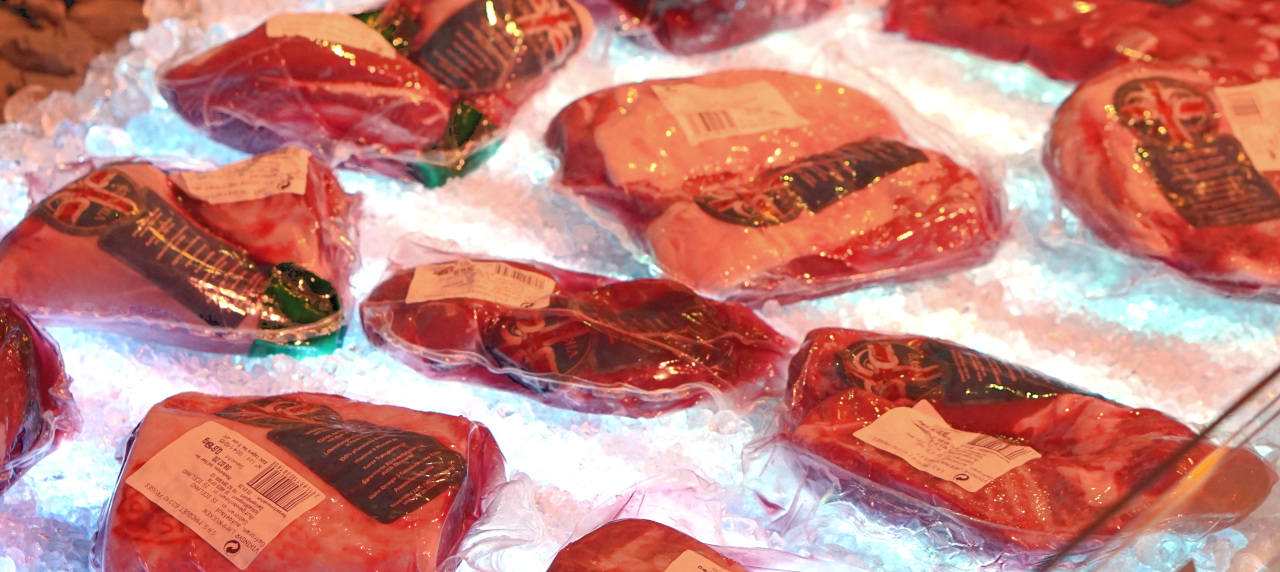
Die Marke VIKINGYR lässt die Lämmer nach Vorgaben der isländischen Profis in Frankreich in Premiumzuschnitte zerteilen und das zerlegte VIKINGYR Lamm hat an die 9 Kg Frischgewicht. Das Fleisch schmeckt äußerst mild – beim Filet würde man niemals darauf kommen, dass es sich um Lamm handelt. Selbst bei der Keule ist der „typische“ Lammgeschmack kaum wahrnehmbar, aber egal welches Teil des Tieres auf den Tisch kommt – alles ist zart!
Bei der von mir besuchten VIKINGYR Verkostung gab es neben dem zarten Filet und standesgemäß leckeren Koteletts auch Schnitzel vom Lamm zu probieren. Die Zartheit des Fleisches konnte dabei durchweg überzeugen. Persönlich bin ich jedoch der Auffassung das im Vergleich ein Schnitzel vom ESPAÑA ORIGINAL Duroc mehr als einen Versuch wert wäre. Abgesehen vom Kalbfleisch halte ich die „spanische Variante“ – auch wenn es nicht das traditionelle Wiener Schnitzel wäre – für die sicher schmackhafteste.
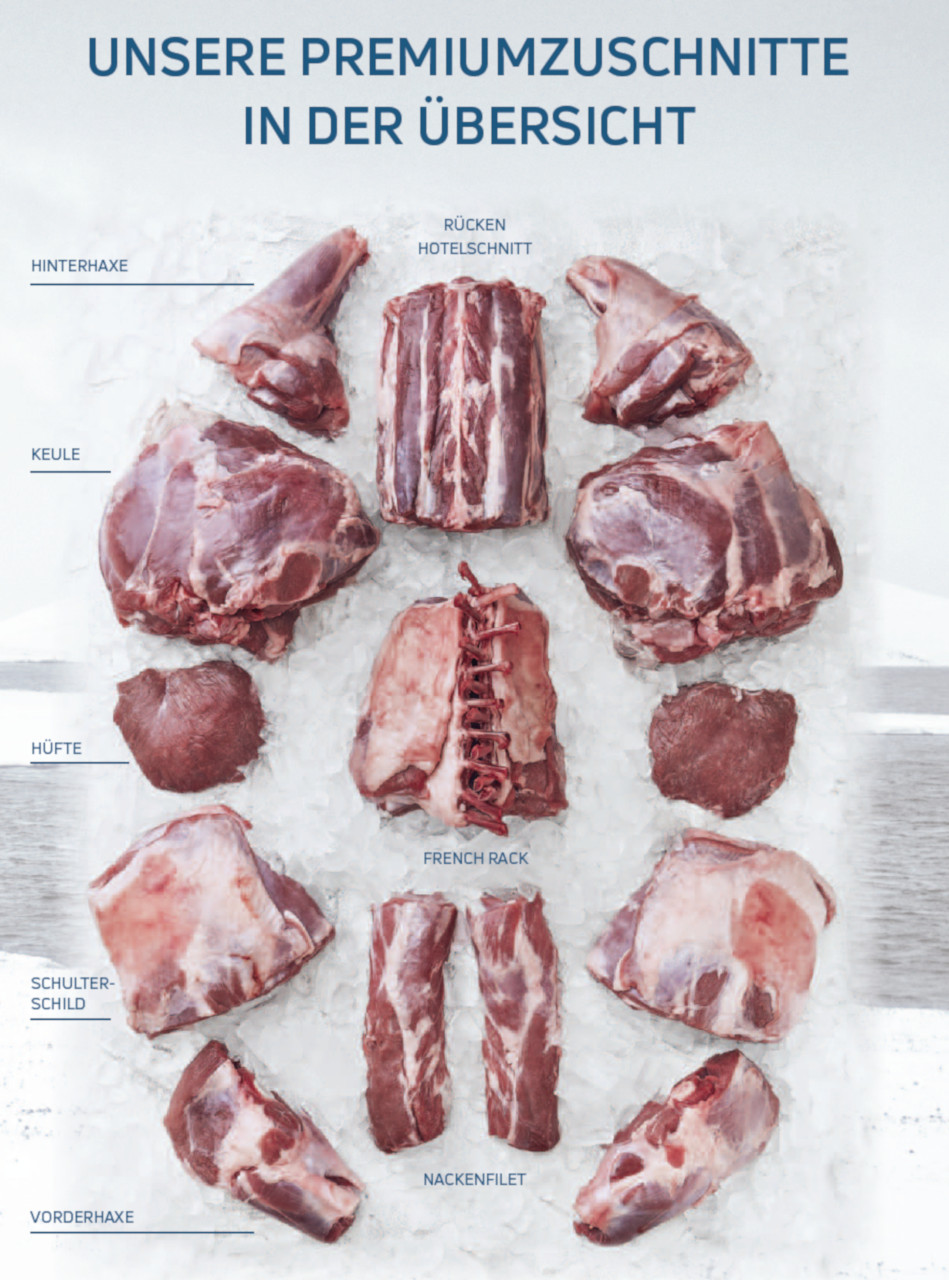
VIKINGYR Lamm biete online ein Ganzes, zerlegtes Lamm an – schaut bei der Genusswelt vorbei und seht Euch den Zuschnitt an. Momentan gibt es das Kilo im Übrigen in einer Aktion zu rund 34,00 Euro – bei dieser Qualität durchaus ein „Schnapper“. Die Herkunft jedes Lamms ist wie bei jedem Premium Fleisch, auch hiervon der Fleischtheke bis zum Zuchtbetrieb nachverfolgbar.
Ansonsten bekommt Ihr die Marke auch an vielen Fleischtheken bei EDEKA & REWE Märkten (vorab einfach anrufen) – dort natürlich dann auch weniger als ein ganzes Lamm. Probiert es in jedem Falle mal aus – wenn Ihr Lamm mögt sowieso, falls nicht – dann erstrecht…!
VIKINGYR Lamm auf YouTube: https://youtu.be/hdF9J7uFAWI