



Álvaro Bahillo Villarte is the Sales Manager at Cali Terpenes S.L. Holding a Master’s degree in Biodiversity, the biologist seamlessly combines his passion for natural sciences with strategic sales. He advises companies worldwide on how to successfully integrate premium, purely botanical terpene profiles across various industries, ranging from aromatherapy to vaping.
Álvaro’s core expertise lies in bridging the gap between sales and science: he utilizes his biological background for Product Development Consulting, directly assisting clients with product formulation (e.g., for e-liquids, cosmetics, or food and beverages).

The Philosophy of Cali Terpenes & Global Market Evolution
[Erik]: Hello Álvaro, I am happy to have the chance to meet you in person at the Mary Jane 2025 in Berlin. At the beginning of my research, I was already advised by many people – especially by experienced breeders – to approach Cali Terpenes.
So, you are at the top of the who’s who of terpene producers worldwide – what makes you stand out and what distinguishes you from your competitors Álvaro?
[Álvaro]: Thank you! At Cali Terpenes, our goal has always been to provide a truly versatile and pure ingredient as a raw material — one that allows us to reach a wider range of markets, from food and beverages to cosmetics, vaping, and even therapeutic applications.
What really sets us apart is our commitment to precision and transparency. Every formulation is based on 100% natural, botanical terpenes, reproduced from analytical data of real cannabis profiles, without any impurities or additives. We focus heavily on safety, consistency, and regulatory compliance, which makes our products suitable for both industrial and medical use.
At the end of the day, our strength lies in combining scientific rigor with a genuine passion for the plant — and that’s what makes the difference.
[Erik]: Which markets do Cali Terpenes currently count among your customers – what’s the profiles of your customers, and which boundaries you had to handle?
[Álvaro]: Cali Terpenes has grown to serve a very diverse range of markets — and that’s exactly what we aimed for from the beginning. Today, our customers come from industries such as cannabis, vaping, food and beverages, cosmetics, and aromatherapy.
We collaborate with everyone from large-scale manufacturers and product developers to small craft producers. What unites them all is the demand for precision, consistency, and compliance — they’re looking for authentic aroma profiles and standardized quality that meet global regulations.
One of the biggest challenges we’ve faced is the diversity of regulatory frameworks across countries. Each market has its own rules for how terpenes can be labeled or imported, so we’ve invested heavily in documentation, analysis, and quality certifications to guarantee full transparency and safety.
In the end, those challenges have only made us stronger — pushing us to uphold food-grade standards such as ISO 9001 and 22000, and to keep innovating while staying true to our roots in plant science and sustainability.
[Erik]: And regarding the applications and customer profiles?
[Álvaro]: As I mentioned before, our intention has always been to offer a pure and truly versatile ingredient — and the potential applications for terpene profiles haven’t even been fully explored yet within each market.
There are still so many opportunities to develop, not only from a product formulation point of view, but also from a marketing and concept perspective. Today, one of the biggest trends is the wellness and functional approach — and terpenes have an incredible capacity to bring those qualities to many compounds that are already widely used across industries.
For example, the beverage sector is a great case — the possibilities there are just crazy. You can create drinks that not only taste and smell amazing, but also offer functional or mood-enhancing effects thanks to terpenes. That’s where a lot of innovation is happening right now.
[Erik]: Oh yes, the supplement industry is growing rapidly.
[Álvaro]: More and more brands are looking for natural compounds that can complement vitamins, adaptogens, or plant extracts — and terpenes fit perfectly into that landscape.
They can help create more targeted formulations, supporting relaxation, focus, or energy depending on the profile. And because our terpenes are food-grade and standardized, they can be safely integrated into capsules, tinctures, or functional beverages. It’s a very dynamic space.

From Biologist to Terpene Expert
[Erik]: Álvaro, now a few questions about you. What did you personally do before you got into the terpene business?
[Álvaro]: Before joining Cali Terpenes, I was working at the University of Barcelona in the Department of Marine Bird Ecology. I’m a biologist, so getting involved in the cannabis industry with my scientific background has been a really fun and exciting journey.
I had to refresh some of my knowledge in botany and plant physiology, but honestly, this new field has kept me highly motivated. During my biology studies, I also worked for several years in bars and cocktail mixology, and it seems that life somehow brought all of that together — now, at Cali Terpenes, I’m mainly focused on the food and beverage industry, where I’ve found a lot of motivation and really great results.
[Erik]: When did you have your first personal experience with cannabis in food or drink – whether intoxicated or not – was it the legendary “hash-cookie”, a flavoured beer or cocktail – what was it Álvaro?
[Álvaro]: I also smoked for a while, and I remember that clearly because it was during the time I was living in the Canary Islands while studying there. From the beginning, I’ve always tried to keep a responsible approach to consumption — that’s really the only way to truly enjoy the benefits of this plant in a “healthy” way.
[Erik]: Álvaro, as a part of the worldwide terp-business, I ask you – is the culinary topic of flavouring with cannabis-derived terpene profiles actually on the rise?
[Álvaro]: Absolutely! The culinary use of cannabis-derived terpene profiles is definitely on the rise, and it’s a very exciting trend. More chefs, mixologists, and food & beverage developers are realizing that terpenes allow them to add authentic aroma, flavour complexity, and even functional qualities without any psychoactive effect.
We’re seeing growth not only in cannabis-infused products but also in mainstream culinary applications, from cocktails and craft beverages to desserts and functional foods. The versatility of terpenes — combined with their purity and standardization — makes them ideal for innovation, whether it’s creating new flavour experiences or adding wellness-oriented benefits like relaxation, focus, or mood enhancement.
In short, the market is just beginning to explore the possibilities, and the potential is enormous.

Botanical vs. Cannabis Terpenes: A Paradigm Shift
[Erik]: Before we talk about terpenes in more detail, I would like to make clear in advance that Cali Terpenes has gone its own way to produce high-quality and, above all, stable terpene profiles. You decided to use other botanical sources than cannabis to replicate the original cannabis profiles. What are your reasons for that decision?
[Álvaro]: Yes, that’s correct. From the very beginning, our goal at Cali Terpenes has been to provide high-quality, stable, and reproducible terpene profiles. Using other botanical sources instead of direct cannabis allows us to achieve exactly that.
There are several reasons behind this approach
- Consistency and Stability: Cannabis itself can vary significantly depending on growing conditions, harvest, and storage. By sourcing terpenes from other botanicals, we can reproduce the same profile reliably, batch after batch.
- Safety and Regulatory Compliance: Non-cannabis botanical sources allow us to produce terpenes that are food-grade, fully compliant, and free of psychoactive compounds, making them suitable for industrial, culinary, and wellness applications worldwide.
- Scalability and Sustainability: Using other botanicals ensures that we can meet the growing demand without relying on large-scale cannabis cultivation, which can be resource-intensive and subject to complex legal frameworks.
Ultimately, this approach allows us to replicate the authentic flavour and aroma of cannabis while providing a product that is safe, standardized, and versatile enough for all kinds of industries — from beverages and supplements to cosmetics and aromatherapy.
[Erik]: Okay, that’s understandable—who wants all that effort without added value when you can use other plants, i.e., botanicals?
[Álvaro]: Exactly! Using other botanicals allows us to capture all the complexity of cannabis terpene profiles without the variability or regulatory hurdles. Also, extracting terpenes directly from cannabis requires large amounts of plant material to get usable quantities, which isn’t always practical or sustainable.
More importantly, when you want to reproduce specific aroma profiles for different applications — whether beverages, foods, or cosmetics — using other botanicals allows us to precisely match and standardize those profiles, batch after batch, while maintaining safety, consistency, and scalability.
It’s really about efficiency and versatility: achieving the same authentic cannabis flavours and aromas in a way that works for a wide range of industries.
[Erik]: So that means, from your point of view there is no real reason for using cannabis-derived terpenes for flavouring – they have no advantage compared to those derived from oranges, tomatoes or pines, for example?
[Álvaro]: I would say it’s not that cannabis-derived terpenes have no value — they certainly do, especially for research or highly specialized products where absolute authenticity from the plant itself is required.
However, for most applications in food, beverages, supplements, or cosmetics, using terpenes from other botanicals actually provides more advantages: they are easier to standardize, safer, more scalable, and can replicate the cannabis aroma profiles exactly.
So, in practice, botanical-derived terpenes allow us to deliver the same authentic flavours and aromas with consistency, regulatory compliance, and versatility, which is what most producers really need.
[Erik]: Can it be said that the different strain terpene-profiles – in addition to the combined effects – are what makes each strain unique and is this lately the base for your re-building process?
[Álvaro]: Absolutely. The unique terpene profile of each strain — along with its combined effects — is what gives it its distinct character. That complexity is exactly what we aim to capture and reproduce. In other words, we preserve the uniqueness of each strain while making it practical, safe, and versatile for different applications in food, beverages, wellness products, and more.
[Erik]: Are the terpenes extracted from cannabis different from those from other plants?
[Álvaro]: Chemically speaking, terpenes are the same molecules whether they come from cannabis or other plants — for example, limonene from oranges is identical to limonene from cannabis. What makes a terpene profile unique is the specific combination and ratio of terpenes in each strain or plant. So in essence, it’s not the individual terpenes that differ, but the overall profile and how the terpenes interact that creates the distinct effect and aroma.

Extraction, Purity, and Physiological Impact
[Erik]: What are the best techniques for extracting the essential oil and terpenes from cannabis and /or other plants?
[Álvaro]: When we talk about extracting terpenes — whether from cannabis or from any other botanical source — there are several techniques available: solvent-based extraction, supercritical CO₂, fractional distillation… etc. Each method has its place, but they also come with limitations, especially when the goal is to preserve delicate, highly volatile compounds.
At Cali Terpenes, we’ve always been very clear about one thing: terpenes hate high temperatures, aggressive solvents, and anything that can alter their natural structure. That’s why, after evaluating all the options, we chose to rely on steam distillation as our primary extraction method.
Steam distillation allows us to work at controlled temperatures and maintain the integrity of the terpene molecules without subjecting them to excessive heat or chemical residues. It’s a clean, efficient, and food-grade technique that respects the original aromatic profile while ensuring purity and safety — two things that are absolutely essential for us, especially because our terpenes end up in food, beverages, inhalation products, and even therapeutic applications.
Other methods may be faster or trendier, but in the long run, they tend to compromise stability, introduce contaminants, or distort the profile. For us, steam distillation strikes the perfect balance between scientific rigor and a natural, “clean label” approach. It’s the method that best aligns with our philosophy: preserving authenticity while guaranteeing maximum quality and safety in every batch.
[Erik]: How are the individual terpenes separated from each other (varietal purity)?
[Álvaro]: The first step is always analytical chromatography. Techniques like GC–MS allow us to identify exactly which terpenes are present in a strain and in what proportions. In other words, chromatography tells us what we’re looking for — the full aromatic fingerprint we want to replicate.
Once we know the target profile, the next step is to obtain each terpene from the most efficient botanical source. And for that, the method that truly works at scale is vacuum fractional distillation. It allows us to isolate each terpene according to its boiling point while working at low temperatures under reduced pressure, protecting the molecule from degradation.
So, the workflow is very clear
- Chromatography → to map the terpene profile we want to reproduce.
- Vacuum fractional distillation → to isolate each terpene from the most economical and clean botanical source.
This is what allows us to rebuild cannabis profiles with high precision, purity, and consistency while keeping the process clean, scalable, and compliant.
[Erik]: Do any terpenes “exist” without the presence of essential oils?
[Álvaro]: Yes, terpenes exist independently. Although they are the main component of essential oils, they are universal molecules also found in the animal kingdom, fungi, and bacteria. Furthermore, there are non-volatile terpenes (such as carotenoids) that are never part of an essential oil, and today they can be isolated or synthesized in their pure form in laboratories without the need for the whole plant
[Erik]: Álvaro, which base – let’s leave the fact of intoxication or not out of the equation in this case – terps, crumble, rosin, fresh buds – seems to you the best to get the closest culinary experience to the relevant strain by the terps?
[Álvaro]: Currently, it is not legal to commercialize any direct plant derivatives (like rosin, buds, or crumble) as food ingredients.
Due to Novel Food regulations and the lack of standardized toxicological data for these extracts in a culinary context, they simply cannot be treated as legal ingredients. This is why food-grade terpenes are the only viable and professional path: they offer the aromatic experience of the strain while complying with international food safety standards (FEMA/GRAS).
[Erik]: What about the shelf life of terpenes? Is oxidation problematic?
[Álvaro]: Yes, oxidation is the primary enemy of terpene quality and shelf life. Because terpenes are unsaturated hydrocarbons with sensitive double bonds, they are highly reactive when exposed to air. In our case when stored under optimal conditions, high-quality terpenes can maintain their potency for 24 months.
[Erik]: It is well known that terpenes alone do not have an intoxicating effect, but they still have some kind of effect—albeit not intoxicating in the traditional sense, right?
[Álvaro]: Exactly. While they aren’t intoxicating (they won’t get you “high”), they are bioactive compounds that interact with our system. We call this the physiological effect rather than a psychoactive one. they definitely change how you feel. They are the ‘steering wheel’ that directs the experience, while cannabinoids are just the ‘engine’.
[Erik]: What is the difference between the “high” we get from perceiving terpenes – let’s say limonene, for example – and the high we get from THC?
[Álvaro]: It’s a fundamental distinction. Think of it this way: THC is the engine. It provides the raw power and the “high” by binding directly to the brain’s cannabinoid receptors. It’s what makes you feel “intoxicated”.
Terpenes, on the other hand, are the steering wheel. They are not intoxicating, but they are highly bioactive. Limonene won’t get you “stoned,” but it interacts with your dopamine and serotonin systems to lift your mood or reduce stress.
In the world of beverages or culinary arts, if THC is the alcohol that gets you tipsy, terpenes are the botanicals in a premium gin. They don’t make you more drunk, but they define whether the experience is refreshing, relaxing, or sophisticated. Without terpenes, the cannabis experience is flat; with them, the experience gains direction and character.

Culinary Arts, Flavour Pairing, and Receptor Modulation
[Erik]: How are terpenes used in ambitious cuisine? Are there differences here – for example, are certain degrees of dilution or special carrier materials – possibly fats – particularly suitable for flavouring different foods and drinks?
[Álvaro]: In high-end cuisine and mixology, terpenes are used as high-precision ingredients. Because they are ultra-concentrated, the secret always lies in proper dilution and how you mix them:
- In fat-based recipes: Terpenes love fats. They blend beautifully into olive oil, butter, or chocolates, allowing the aromas to release slowly on the palate.
- In alcoholic drinks: They dissolve naturally in alcohol without any effort, making them a favourite for creative mixologists.
- In non-alcoholic drinks (teas, sodas, waters): Since the dosage is tiny, we don’t drop them directly into water. Instead, we pre-mix them into the recipe’s syrup or the other flavour concentrates. This guarantees a perfect, uniform dispersion throughout the beverage.
The real magic happens when you blend terpenes with existing flavours. It adds a sophisticated cannabis undertone that makes the entire culinary experience much more complex, rich, and exciting.
[Erik]: Are there from your point of view any combinations that should be avoided when flavouring with terpenes?
[Álvaro]: Rather than forbidden ingredients, the real danger with terpenes is lacking balance. Since they are so potent, it is easy to overdo it.
- Excessive acidity: Pairing heavy citrus bases with limonene-heavy profiles can turn bitter or chemical. You always need a touch of sweetness or fat to balance it out.
- High heat: Never add them during active cooking or frying. They will evaporate instantly or burn, creating an unpleasant taste. Always add them at the very end or in cold processes.
The goal is for the cannabis notes to add a complex layer, not to take over the entire dish.
[Erik]: Especially for culinary use, it is important that the taste & “behaviour” of ingredients have little variance – that is because you want to repeat the same taste experience.
So, to what extent does the “terpene-fingerprint” of the respective varieties change depending on whether the used plants are grown outdoors, in a tent or using different cultivation methods such as soil, hydro & co?
[Álvaro]: In nature, that variance is huge. If you grow the same cannabis strain outdoors, in a greenhouse, or using hydroponics, the terpene fingerprint changes significantly due to weather or soil stress, making it impossible to get a consistent culinary ingredient.
That is why we do things differently. To achieve a reliable ingredient that is 100% faithful to the cannabis aromatic profile—without the variance of traditional cultivation—we replicate the exact chemical fingerprint of the plant using pure terpenes from other stable botanicals.
More importantly, this approach completely bypasses the complex legal barriers surrounding the cannabis industry. Today, using cannabis-derived extracts in food is highly restricted or outright illegal in many countries due to international regulations like Novel Foods.
Because our terpenes are strictly food-grade and sourced from non-cannabis botanicals, we guarantee full regulatory compliance worldwide. This allows chefs and beverage manufacturers to safely deliver a consistent, high-quality sensory experience in every single batch, completely legally.
[Erik]: The nice thing about your business seems to be—at least that’s how it felt at the trade fair itself—that even competitors treat each other not only in a civilized manner, but also almost as partners.
To what extent has the culinary world already opened up to you? Do you already collaborate with special restaurants, star chefs or even the food industry?
[Álvaro]: The community vibe at events like Mary Jane is fantastic, but when it comes to the business side, our most serious growth is happening in the mainstream food industry. Don’t get me wrong, we are still heavily present in the cannabis and CBD business, continuously working with our favorite plant.
We are no longer a novelty in that space, we are well-established, but there are other very exciting sectors we are reaching right now, especially the traditional food sector. The culinary world has gone from being curious about cannabis aromas to actively implementing them as a standard premium ingredient.
The traditional food and beverage industries have fully realized that our botanical profiles are a safe, legal, and highly innovative tool to elevate their product lines. We are working with craft beer breweries, functional soda brands, and premium tea manufacturers who use our profiles to create highly complex flavour matrices.
We collaborate with top-tier bartenders and cocktail bars. They love using our profiles because they can add authentic cannabis aromatic layers to their creations completely legally and without altering the alcohol’s clarity.
[Erik]: How did your first cannabis terpenes go down with consumers?
[Álvaro]: After the launch, people went absolutely crazy for the product. The feedback was incredibly good. We were probably one of the first companies in Europe to do this, and it sold so much that some people didn’t even know exactly what they wanted it for, but they just had to have it.
Even today, it’s always crazy to see the look on people’s faces when they experience terpene profiles for the first time; they are completely blown away that this level of aromatic precision can actually be achieved.
[Erik]: To have a stable product makes sense in many cases, this is one thing, but on the other hand, the people say that all those little “wrinkles” where the pheons are, all those that make the big picture are no more there if the extraction is not based on the real strain material.
So, it’s not really the full thing – but the most of them also know why the use of rebuild/organic terpenes is necessary for the industry, but chef`s would prefer the full flower or the respective extracted terpenes for extraordinary menus or their personal use.
[Álvaro]: I look at it the opposite way, both in terms of flavour complexity and pure regulatory reality.
First of all, we have to face the legal facts: as of today, using the actual flower or direct cannabis extracts in food is simply not legally permitted in most countries. A chef might want to use the real plant, but international regulations won’t allow it. If you want to work with these flavours in the culinary industry, you have to look for other legal and safe ways to do it.
But far from being a compromise, our botanical-derived profiles actually hold the real advantage when it comes to flavour. Cannabis-derived terpenes (CDTs) are great, but direct extraction can often make them a bit monochromatic, smoothing out the sharp contrasts between strains.
Because we work with isolated pure molecules from other botanicals, we can fine-tune the recipe to highlight every specific “wrinkle”—the -exact levels of sharpness, bitterness, or sweetness. It is the only legal, stable, and multi-dimensional palette available for chefs today.
[Erik]: What about the effects of terpenes? From what I’ve researched, it seems that they can influence mood—especially in people who have previously consumed cannabis. Is this true?
For example, it was said that if you are about to go to bed and you “sniff” a terpene that has a relaxing effect, you will fall asleep more quickly and sleep better. If you smell something like Citral instead, you feel refreshed. Is that really true, and if you eat them, do they have the same effect?
[Álvaro]: Yes, absolutely, the effect is the same. When you ingest or introduce terpenes into your body, they interact directly with your system, stimulating neurotransmitters and receptors like serotonin, GABA, and dopamine. This triggers a real change in mood, even if you don’t feel it immediately. If you use them every night for a month, you will definitely notice that you are sleeping better. It is a genuine physiological effect.
Furthermore, it makes no difference whether you are using botanical-derived profiles or cannabis-derived ones. Chemically speaking, a terpene is a terpene; the molecular structure is identical. Limonene from a lemon and limonene from cannabis are the exact same molecule, and they interact with your body in the exact same way.
[Erik]: Limonene is one of the base terpenes, not really my number one at all. Mine is Citral, but Citral is basically already a mixture of the terpenoid isomers geranial (citral A) and neral (citral B), which reminds me of sweets from my childhood. And from my point of view, it’s more powerful than Limonene.
[Álvaro]: You have a fantastic palate, and you are spot on scientifically! Citral isn’t a simple hydrocarbon terpene; it’s a terpenoid (an aldehyde monoterpene), which changes its chemical and organoleptic behaviour completely.
That aldehyde structure is precisely why Citral hits the nose as much more pungent and powerful than limonene. To answer your question: yes, Citral is actually native to cannabis, but it is only found in very, very small trace amounts within the plant. Even in tiny traces, it is powerful enough to be heavily responsible for that distinct, candy-like citrus backbone found in legendary strains like Super Lemon Haze.
[Erik]: Álvaro, how is it possible that a mixture of different terpenes can be more effective than each terpene taken individually?

[Álvaro]: That is the magic of plant synergy, scientifically known as the entourage effect. In nature, compounds rarely work alone. When you mix different terpenes in specific ratios, they don’t just add up; they multiply each other’s benefits.
Think of it like a musical chord: a single note sounds good, but when you play several notes together, you create a rich, complex harmony. In our bodies, different terpenes bind to various receptors simultaneously. For instance, while one terpene might help open up cell pathways, another can cross over more efficiently to deliver its relaxing or energizing effect.
By replicating the full, natural “terpene fingerprint” of a strain instead of using isolated molecules, we trigger a much deeper and more well-rounded physiological response. The team is always stronger than the individual player.
[Erik]: Okay. But while using organic terpenes certainly has advantages for the industry, doesn’t the absence of all these phenols also have an impact on the interaction of the terpenes and thus on their effect, and ultimately on the mood?
[Álvaro]: That is actually a very common misconception. Phenols and flavonoids are non-volatile heavy molecules. This means they do not evaporate, they don’t travel through the air, and they don’t contribute to the aroma or flavour profile you experience.
Because they aren’t part of the volatile matrix, their absence does not impact how the aromatic terpenes interact with each other or how they stimulate your mood and neurotransmitters.
[Erik]: It would be nice if there were something like a complementary colour wheel for terpenes. A circular graphic on which “incompatible” terpenes are always opposite each other and those that are “compatible” are arranged next to each other. This would allow you to see which terpenes harmonize and which do not with the help of a little gimmick in the kitchen. I don’t think there is anything like this available at the moment.
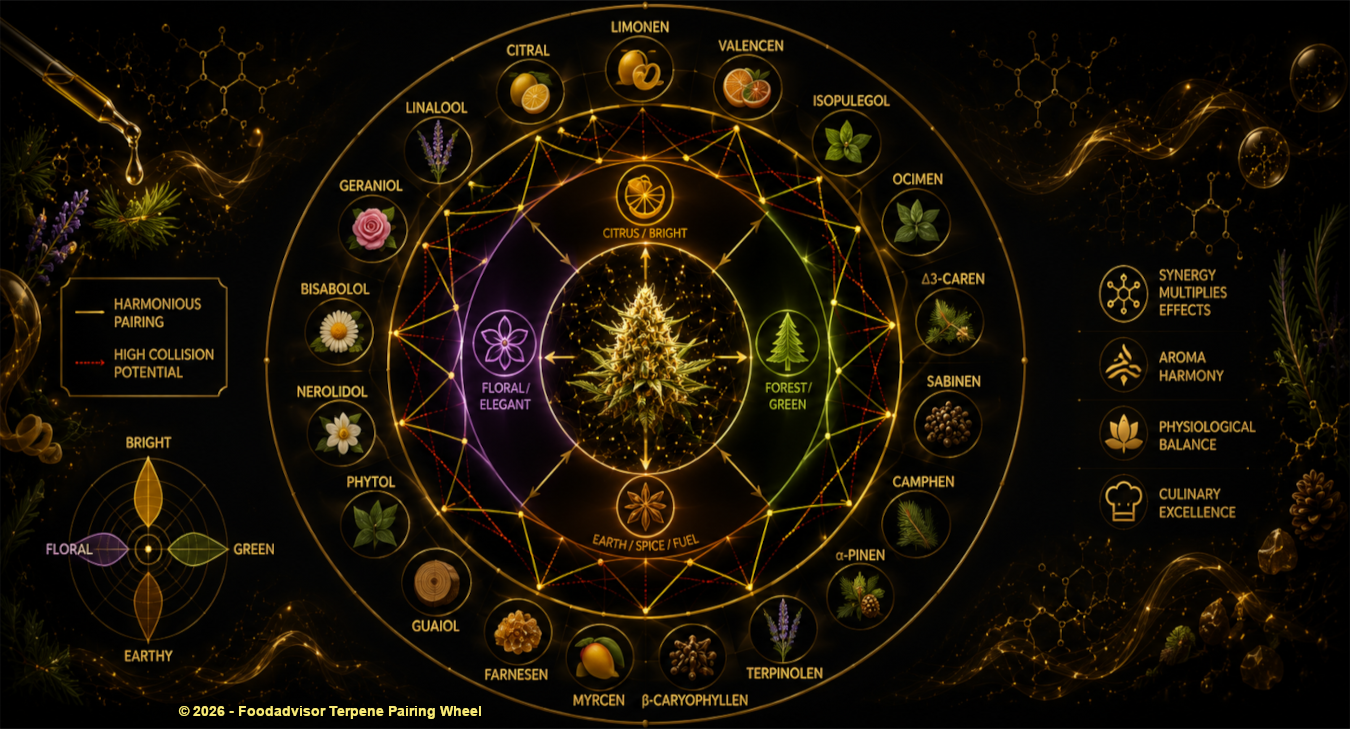
[Álvaro]: That is actually a brilliant idea, and honestly, it is the holy grail for flavour pairing in the culinary world. While there isn’t a standardized “terpene colour wheel” officially published for mainstream kitchens yet, that is exactly how we work internally when developing formulations and advising chefs.
In gastronomy, flavour pairing relies heavily on finding common molecular bridges. Instead of strictly “incompatible” terpenes, what you usually find are profiles that either amplify each other or completely clash due to intensity.
For example, a wheel like that would place sharp, gas-heavy profiles (rich in caryophyllene and mercaptans) directly opposite to delicate floral notes (like linalool or geraniol), as they can easily fight and cancel each other out if not balanced with a fat or sugar bridge.
Creating an open, visual tool like a terpene pairing wheel is definitely the next logical step to bridge the gap between plant science and creative cuisine, and it is something we love exploring.
[Erik]: That makes me think that, with your experience in terpenes, you already have an idea in mind for how to implement my idea?
[Álvaro]: Honestly? I think the industry is simply not there yet. Even though we are actively working on it behind the scenes, we still need countless more hours of product development and kitchen trials to truly map out the endless pairing combinations between cannabis and the rest of the botanical world.
Cannabis is arguably the most aromatically complex plant on the planet. With dozens of terpenes and trace compounds interacting at once, even changing a single micro-nuance completely shifts your sensory perception.
[Erik]: Can terpenes really be “tasted,” or does this only work through the sense of smell—in combination with the sense of taste (see also “Terpene Hunter”)?
[Álvaro]: You are completely right; it is a teamwork effort. Strictly speaking, our tongue can only detect five basic tastes: sweet, salty, sour, bitter, and umami. Terpenes themselves do not activate these tongue receptors much, except for a few that can add a slight touch of bitterness or sharpness. The real magic happens through retro-nasal olfaction.
When you chew a food or swallow a drink infused with terpenes, your body temperature causes these volatile molecules to evaporate inside your mouth. They travel up the back of your throat directly into your nasal cavity.
Your brain then fuses the basic signals from your tongue with the complex aromatic signals from your nose to create what we call flavour. So, you don’t just “taste” terpenes with your mouth—your brain constructs the entire cannabis culinary experience by combining both senses into one single, powerful illusion.
[Erik]: But you can only taste the terpenes because you are also using your sense of smell—if you hold your nose while tasting, the taste experience changes dramatically—this works with many things that can be tasted.
[Álvaro]: Exactly. If you block your nose, you lose almost everything because that’s where your smell receptors are doing the heavy lifting to construct the cannabis culinary experience.
[Erik]: I would even go so far as to say that you can no longer taste the terpenes.
There are now several manufacturers of water bottles and supplements on the market that have technically incorporated the principle of simultaneous inhalation of aromas while drinking—let’s see if this catches on.
[Álvaro]: Yeah, absolutely, that scent-based drinking market is highly interesting because it capitalizes on exactly how our brain works. It is just like ambient marketing: when a bakery pumps the aroma of fresh bread into the street, your brain instantly translates that smell into hunger. Terpenes work the same way—by triggering that powerful, immersive sensory illusion.
[Erik]: You’re right, Álvaro, there are a number of applications that we will encounter in the near future—which may still be up for grabs.
[Álvaro]: Exactly. In fact, here is a mind-blowing fact: certain terpenes actually act as receptor blockers in your mouth. This means that if you add terpenes to a dessert or a dish you know well, they won’t just add a new smell—they will literally change how you perceive the existing flavours.
It sounds strange, but it is pure biology. Humans have about 25 different taste receptors on the tongue dedicated exclusively to bitterness. When you introduce heavy terpenes like Myrcene or Caryophyllene, they can temporarily bind to and block, say, five or six of those specific receptors.
Suddenly, your brain is only receiving signals from the remaining active receptors. Even if the dish has the exact same amount of bitterness as before, your palatal perception shifts completely. Terpenes don’t just complement food; they actively rewrite how your tongue experiences it.
[Erik]: That sounds very interesting, by the way – just the terpenes are able to do so?
[Álvaro]: No, they aren’t the only ones, but they are definitely among nature’s most effective tools for it. Other compounds, like certain proteins or high-intensity sweeteners, can also block or modify taste receptors however, what makes terpenes so unique in the culinary world is their dual action. While a standard taste modifier usually has no smell, terpenes change your palate’s physical receptors and flood your nasal cavity with complex aromatic data at the exact same time.
They are essentially a two-in-one package: they modulate the physical taste on your tongue while adding a new, sophisticated aromatic dimension in your brain. That is why they are such a game-changer for avant-garde cuisine.

The Magic of the Miracle Berry & Sensory Alteration
[Erik]: Regarding the change of taste – did you know about the miracle berry?
[Álvaro]: No, what is that berry about?
[Erik]: The miracle berry originally grows in West Africa—in Ghana, for example. It is a berry that is usually freeze-dried and rarely found freshly picked—if you can find it at all.
When you put it in your mouth and eat the flesh around the pit, you can immediately taste the difference when you bite into a lime afterwards.
[Álvaro]: To what extent does the taste of sour lime change?
[Erik]: When you take a deep bite of the flesh of the lime. Lime you will mention no more sour & bitter tastes. Because this berry is able to set your tongue to the state, that it is temporally no more able to taste those.
That means if you if you get a real lime, a real lime the Asian round one with the thin skin. That lime got a little bit of vanilla aroma as well, and now it is no more covered with sourness! Yeah, you will be able to taste all the hidden aromas – and I tell you, the range is wide.
[Álvaro]: I think, I had to try this berry soon.
[Erik]: You have to try this, Álvaro—it’s truly an overwhelming culinary experience. You can’t imagine how sweet a lime or a bite of grapefruit can be.
[Álvaro]: How long does the effect last Erik?
[Erik]: I think that depends on the individual. – in my case the effect stays only for eight to fifteen minutes.
[Álvaro]: Wow. That’s sounds very interesting, also because of terpenes. That’s what the terpenes of the Lyme and the other plant, the medical berry, block it together. The medical berry first then blocks the other Yeah. Your receptors for that serpent of limonene or terpinolene’s.
There are some interesting things you could try out there; it has potential.
[Erik]: But to be honest, this is something I would place into the section of this molecular kitchen things.
[Álvaro]: Yes, that totally makes sense. We are quite familiar with that world of molecular cuisine and these kinds of rare, innovative products. In fact, we’ve crossed paths with the guys from Baïa Food before, which is how we closely followed these food-tech trends.
While they focus on the miracle berry to transform sourness into sweetness, their work reminds me of products derived from a plant called Gymnema sylvestre, which does the exact opposite: it temporarily blocks your sweet receptors entirely. If you eat sugar right after, it tastes like sand.
[Erik]: That sounds very fancy too.
[Álvaro]: Yes indeed, this kind of receptor modulation is incredibly useful for people who cannot consume sugar, such as diabetics or those managing metabolic conditions. By temporarily shutting down sweet receptors, it eliminates sugar cravings instantly at a neurological level.
On the other hand, things like the miracle berry allow them to experience extreme sweetness from naturally sour, healthy foods without a single gram of actual glucose. It’s fascinating how you can completely deconstruct a flavour profile and improve health just by modulating specific physical receptors.
[Erik]: In my personal experience, the something close to that applies to vanilla from Tahiti—when I use it in crème brûlée or panna cotta, for example, I only need 30% of the amount of sugar specified in the original recipe.
[Álvaro]: There are several plants with these unique abilities to modulate our palate. A classic example is Stevia, which contains steviol glycosides that bind directly to our sweet receptors, providing intense sweetness without any glucose. It all comes back to the same principle: understanding how to play with natural molecules to rewrite the sensory experience.

Future Trends and the Cannabis Aromas of Tomorrow
[Erik]: When it comes to terpenes, “the variety of varieties” reminds me of what we talked about earlier today.
A few years ago, it was the aroma of green tea that fascinated the world for over a year and a half. We had a veritable green tea wave—there was everything from matcha, syrups, and concentrates to shampoo and care products. It was a very creative phase with just one theme. Oh yes, before that we also had a peach iced tea period… So, I thought to myself that maybe this summer we could have Lemon Silver Haze as a flavour.
[Álvaro]: I love that vision, and honestly, you are hitting on a massive macro-trend. The food and cosmetic industries are always looking for the next iconic aromatic wave, and cannabis profiles—specifically Super Lemon Haze—are the perfect candidates to take over.
Unlike the simple, linear flavours of the past like peach or green tea, a profile like Super Lemon Haze offers a multi-layered experience. It is not just “lemon”; it combines sharp citrus with deep, complex herbal and incense undertones thanks to its unique terpene fingerprint.
It is sophisticated, refreshing, and carries that edgy cannabis appeal that modern consumers love. Turning Super Lemon Haze into the flavour of the summer for beverages, ice creams, or even lifestyle products is exactly the kind of mainstream innovation we are enabling right now.
[Erik]: How do your colleagues at Cali manage to perceive more than three different terpenes in such a short time?
Normally, as with perfumes, after three aromas you’re done—at least you need a reset, for example with an intense coffee scent, to “reset” your nose, right? How do you do it?
[Álvaro]: It is all about professional training and sensory memory, but you’ve touched on a classic olfactive myth! In our lab, we never use coffee beans to reset our noses. Coffee itself is packed with intense volatile compounds, so sniffing it actually saturates your olfactory receptors even further instead of clearing them.
To analyze dozens of terpene profiles back-to-back without experiencing “olfactory fatigue,” we use much cleaner techniques:
- Neutral air or water vapor: Breathing in unflavoured moisture helps hydrate the nasal mucosa and flush out remaining molecules.
- The “skin reset”: Sniffing your own skin (like the crook of your elbow) provides a neutral, familiar baseline scent that immediately recalibrates your brain’s olfactory perception.
[Erik]: I go for caryophyllene immersion strains, then you clean and open for intense perception Citral of Limonene again.
[Álvaro]: This must be taken into account if you want to offer high-quality food and drinks, absolutely. The chef at a 5-Star restaurant had to do this, for example—he had to rethink everything, from the aperitif, to the starters, main courses, desserts, and drinks and wine orders, right down to “which cherry goes best here” …
[Erik]: The inclined chef has a seemingly endless selection of combinations to keep in mind and can in addition experiment with concentrations.
[Álvaro]: Exactly! That endless bandwidth is precisely what our botanical profiles offer. This rich molecular landscape allows a chef to uncover combinations that were previously “hidden” or unexplored.
[Erik]: So, do Cali Terpenes offer a toolbox for your customers?
[Álvaro]: Yes, Erik. In fact, we treat our extensive catalogue as a specialized toolbox for each client. If a customer needs to tweak a recipe—whether they want to make the aroma more intense, softer, or adjust specific notes—we always provide custom solutions drawn from that toolbox to match their exact product goals.
[Erik]: Sounds like a good plan, but how do you offer it? Do new customers order your complete toolbox package, or do they go one step further and let you know right from the start that they have specific ideas about the direction they want to go in, and then you put something together for them?
[Álvaro]: Since our catalogue is so large—with 55 strains available—we actually act as specialized consultants. Instead of sending a generic package, we ask clients for details about their concept, and then we curate a selection of five to seven specific profiles that fit their project perfectly.
Once they run their first kitchen or lab tests, we refine the selection based on their feedback, swapping out two or three profiles until it’s absolutely flawless. It’s a highly tailored consultancy service, offering chefs and food developers a level of luxury, hard-to-find terpenes that you simply cannot get anywhere else.
[Erik]: Because you have the also the option to do toolboxes or kitchen. Yeah. Yeah. Yeah. Or for chefs, marvellous luxury turfs, you cannot get everywhere. Yeah. To be honest, the one terp I got back here, I will show you when we finish our interview.
It’s the original blue berry muffin terp from Humboldt Seeds, from Ben Linds Garden. You cannot buy it; he was so kind and extracted it for me.
And I carry it with me, and when I meet nice people, I offer the “once in a lifetime chance” to have a sniff – and my photographer said, you had to see the faces. They were like the guy from what was his name – yeah, Sebastian from forty-two Fast Buds.
[Álvaro]: Ahh, Sebastian from forty-two Fast Buds. Yeah.
[Erik]: We essentially—and not just proverbially—crossed paths. After a brief greeting, I naturally seized the opportunity to present a true connoisseur like Sebastian with an olfactory surprise and delight. Coming across something so stunning when you least expect it is, I think, always a wonderful thing. So, I opened the bottle and let him sample the scent. He was visibly impressed.
To be honest, at that point in time, BBM was the only terpene I considered palatable based on first impressions—and also the only cannabis-derived one. I found many of the other terps to be artificial, unbalanced, or far too overpowering. I am definitely very excited to see what you would like to show me. However, until the interview is released, BBM remains top secret.”
[Álvaro]: I will keep that “secret” – and I will take the chance to show you how different and high quality our products are.
[Erik]: I don’t know if you had have the chance to visit the Humboldt Seeds Company to say hello, but that one is on my personal bucket-list.
[Álvaro]: Well, actually, don’t have much more time to leave the booth. Look at this – it is full of people here, but we know them for sure and they know who we are.
[Erik]: Do the customers of this event mainly get the terps to make their own weed better?
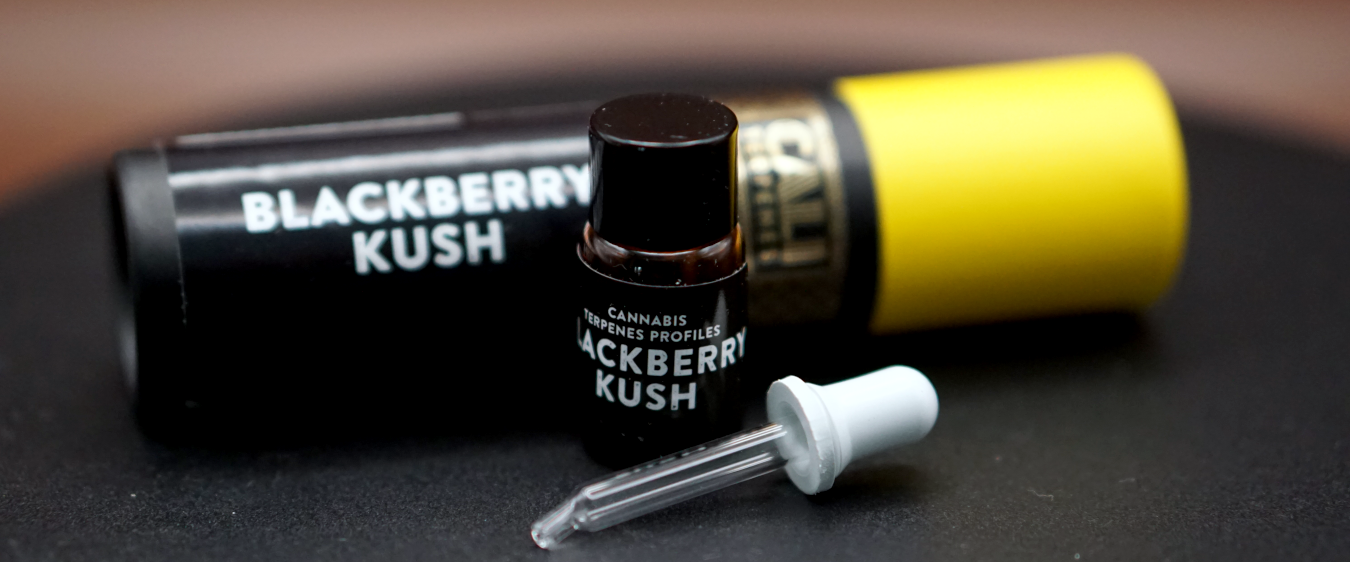
[Álvaro]: Absolutely. A huge part of the crowd here is highly interested in tools like our terpene sprays to enhance flowers or hashes. However, the game is shifting. When we explain that our profiles are completely food-grade and perfect for cooking, we even get professional chefs coming to our booth looking for these exact options.
More and more people outside the traditional cannabis space are becoming fascinated by this. It is our job to keep pushing those boundaries and make this culinary market grow.
[Erik]: Yeah. Exactly.
[Álvaro]: I have a few samples for you here Erik. For example, two small jars of Spanish honey, (HH – Harvest of Honey) both flavoured with our terpenes, in this case Amnesia and Gelato (related article).
[Erik]: Thank you, Álvaro, I’m really excited to see how these will taste.

[Álvaro]: In addition, here is a really great chocolate. A functional, vegan chocolate, so to speak. It is made by a small craft manufacturer called Remedios chocolate that experiments with a wide variety of functional ingredients, like ginseng and cardamom, whose natural effects are enhanced when combined—and, of course, they use our terpene profiles as a key ingredient.
[Erik]: Wow, Álvaro, thank you very much for that too—but with today’s temperatures, I have to be careful carrying chocolate around at the fare.
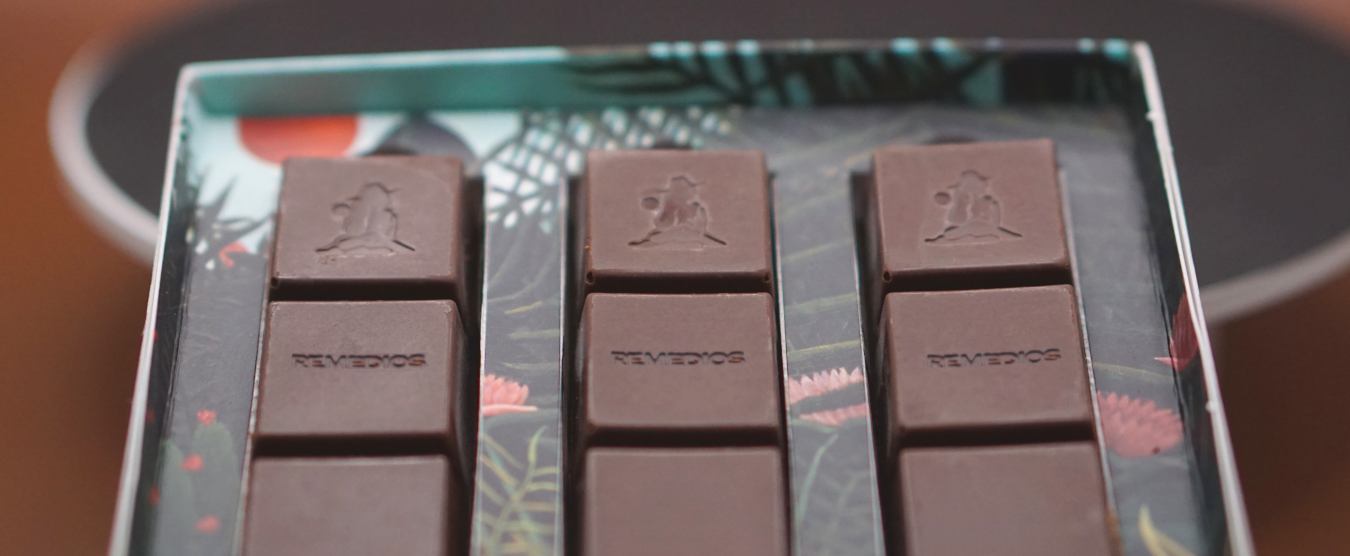
[Álvaro]: Yes, you’re probably right—until just now, the chocolate was still here in our little refrigerator. I suggest you leave it with us and pick it up later.
[Erik]: Today the exhibition ends for you at 08:00PM?
[Álvaro]: Yes, 08:00 Afternoon – Long day…
[Erik]: Yes, those events can stretch – you know, this event area is a kind of my home ground, because throughout the year, I often report on several trade fairs here locally, like the FRUIT LOGISTICA, the culinary fare Berlin Green Week and the wine fare as well. So, I know my way around the grounds pretty well now—which is definitely not a disadvantage, especially with the hustle and bustle of Mary Jane.
How do you like the trade fair location and the exhibition itself?
[Álvaro]: It is an incredible venue, and we absolutely love the location. Honestly, if you compare this modern venue to where Mary Jane Berlin used to be held, the leap is massive. The older location had a much more alternative, festival-like vibe, whereas moving to these massive exhibition halls has positioned the event as a much more professional, business-to-business trade show.
It is clear proof that the cannabis and terpene sectors are maturing rapidly. In addition, the organization this year has been exceptionally good—they have made huge improvements compared to last year, making it much smoother for both exhibitors and professional visitors to network and talk business.
[Erik]: I can’t say much about that, as this is my first Mary Jane ever—but compared to the other trade fairs held at this venue, I think the organizers have done a really good job.
[Álvaro]: The atmosphere is great—surprisingly, most people stick to the rules; for example, hardly anyone smokes indoors. It’s easy to have a conversation, there are areas to relax, and plenty of space to conduct important business.
[Erik]: You’re right, the event really feels productive—like a big think tank, somehow. I’d like to come back again to terpenes—an important point we haven’t discussed yet is the factor of shelf life. What’s the situation with terpenes in this regard?
[Álvaro]: That depends. After all the effort invested in extraction, proper preservation is obviously important—it’s a must. Low temperatures, suitable containers—all of these things are important.
[Erik]: “Caution is advised” makes perfect sense in this context.
[Álvaro]: You’re right, Terpenes are volatile and react strongly to external conditions. This means that oxygen, light, and heat in particular can influence, alter, or even cause them to evaporate. Therefore, you must avoid these three things.
[Erik]: …and what exactly does this mean in terms of semi-permanence?
[Álvaro]: With good preservation, terpenes are also durable, even for up to two years, under ideal conditions. At Cali, we easily have expiration dates of up to about two years. But that’s because our terpenes are botanical.
[Erik]: I assume that terpenes extracted from cannabis behave in the same way as wine—maturation causes changes of the “body” through the alteration and interaction of the aromas involved.
[Álvaro]: Exactly, but some of them lose their intensity or, unfortunately, deteriorate over time. How these changes can vary greatly, so experience is required.
[Erik]: …and is this any different with your products?
[Álvaro]: With botanical terpene profiles, something very interesting happens when you apply them to food. Whether it is that honey, beer, wine, or even a soy-based chocolate—a few months after production, the sensory profile evolves.
[Erik]: I would agree with you that it changes, but in terms of honey, we both know honey is already eatable after two thousand years – provided it has been properly closed, of course.
[Álvaro]: Exactly! The honey doesn’t spoil, but the strength and perception of the aromatic profile shifts. Sometimes it becomes incredibly potent because the honey gets super concentrated over time. We have noticed that after three or four months, the terpene profile can taste and smell much more intense than it did right after the initial infusion. It behaves almost like a vintage process where the flavours bind deeper into the organic matrix.
[Erik]: For sure Álvaro. So, what is your favourite terpene in terms of having it with food?
[Álvaro]: Which profile is my personal favourite? For ice creams, my favourite is Jamaica dream. No doubt.
[Erik]: I’ll keep that in mind—but what else?
[Álvaro]: I’m pretty sure that Holy Grail Crush, that is one of the profiles that we got, plays really well with the different products in cocktails, gin tonics, cookies and also ice creams. In terms of chocolates Sweet Tooth maybe is a good choice.
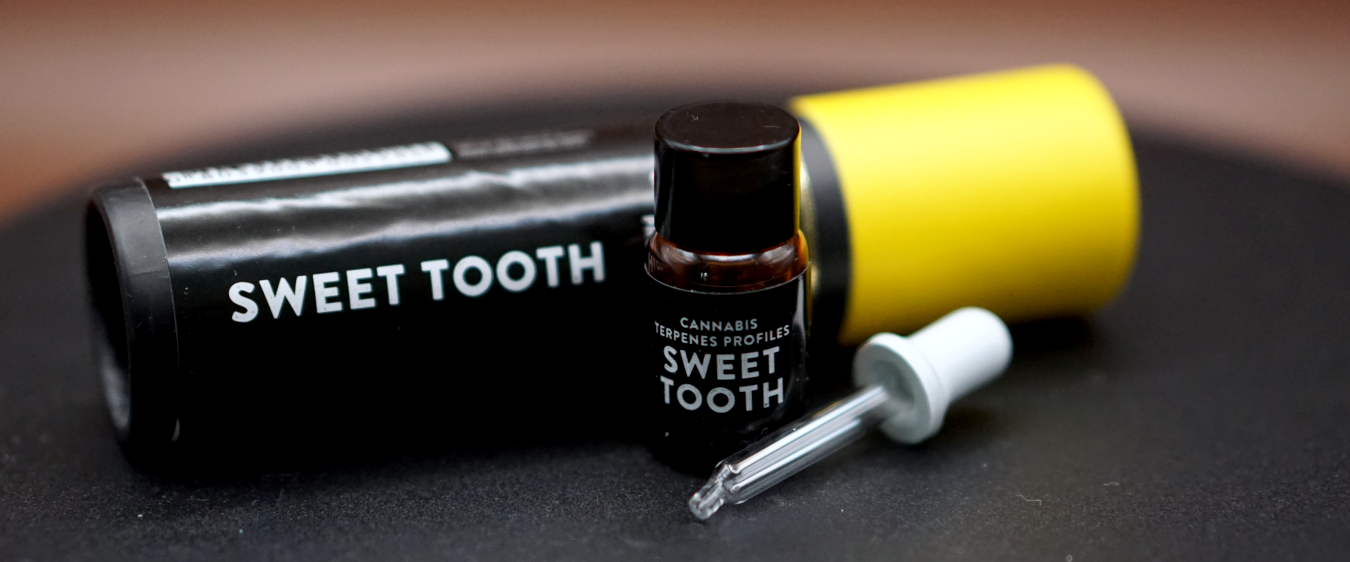
[Erik]: I think I’ll use your Sweet Tooth terpene profile to flavour some delicious jam—I’ll be sure to send you some, of course (Recipe to follow).
[Álvaro]: I would be delighted to do so, Erik. I enjoy trying new things and am always on the lookout for new and innovative applications for our products.

Innovations for the Beverage Industry and Craft Beer
[Erik]: Tell me about your special beer habit, Álvaro. In your opinion, which terpene profile harmonizes best with beer?
Many beer drinkers have problems with flavoured beers—something that craft beer producers have also had to acknowledge.
[Álvaro]: Terpenes for beer, mmmh – I think Gypsy Haze is a profile that by itself runs super cool with beer. With the right knowledge and the appropriate terpene kit, it is certainly possible to create very impressive beer.
[Erik]: Fruity flavour profiles seem to be on the rise right now, right Álvaro?
[Álvaro]: Yes, absolutely. Fruity profiles are becoming incredibly popular in the craft beer industry right now. However, while we definitely ride that wave, we always focus on the specific needs of each brewer.
We act as guides, showing breweries the full spectrum of options available—from bright, tropical notes to deep, piney, and dank profiles. Ultimately, they decide what fits best based on the target profile they want to achieve for their audience.
[Erik]: Have I told you about my experience with beer and fresh hops? It’s just wonderful. I was in Bavaria and we visited a small brewery. The brewer placed two large ice-cold beer mugs in front of us, took some fresh hops and filled the glasses about 30% full with them – then he topped them up with beer. Oh my God – the drink was out of this world, the terpenes in the hops were mega-fruity, a real experience.
[Álvaro]: That sounds like an amazing sensory experience, and it actually highlights the exact problem we are solving! In commercial beverage production, relying purely on raw plant materials like fresh hops requires massive quantities to achieve those intense, fruit-forward results. That involves a huge amount of agricultural waste, storage logistics, and, of course, skyrocketing costs for the brewery.
If a brewer can drastically reduce the physical volume of hops used in their process while still achieving that exact same explosive aromatic intensity, it is a massive win for both their wallet and sustainability. As luck would have it, we are leveraging our expertise in plant science to solve this: we are currently working on adding hop terpene profiles to our portfolio. It is the future of efficient, high-performance craft brewing.
[Erik]: I was very surprised when I was recently in Norway and Finland to see that breweries, even small manufacturers, are now all working with hop pallets—which is also a kind of industrialization on the “smallest common denominator.” And the brewers were not really satisfied with that.
[Álvaro]: One problem with pellets for brewers is that they are not cheap for the quantities required. In addition, you lose beer because the hot pellets absorb water. So, if you start with a batch of 500 litres, you might lose around 15% of water. If the brewery uses terpenes instead, they saving money and cleaning process and all that stuff.
[Erik]: That makes sense, and as long as it is organic, the people don’t argue.
[Álvaro]: Exactly.
[Erik]: Time runs fast Álvaro, unfortunately we have to come to the end – Thank you very much for this refreshing and truly very inspiring interview.
I hope to have the opportunity to visit your “hallowed halls” at Cali Terpenes in the future in person and do my own personal terpene hunt.
Have a successful trade fair experience on the Berlin Mary Jane 2025, I see you around…
Bye, Erik
[Álvaro]: Thank you very much, Erik. It was a pleasure.
The Aroma of Innovation: CALI Terpenes
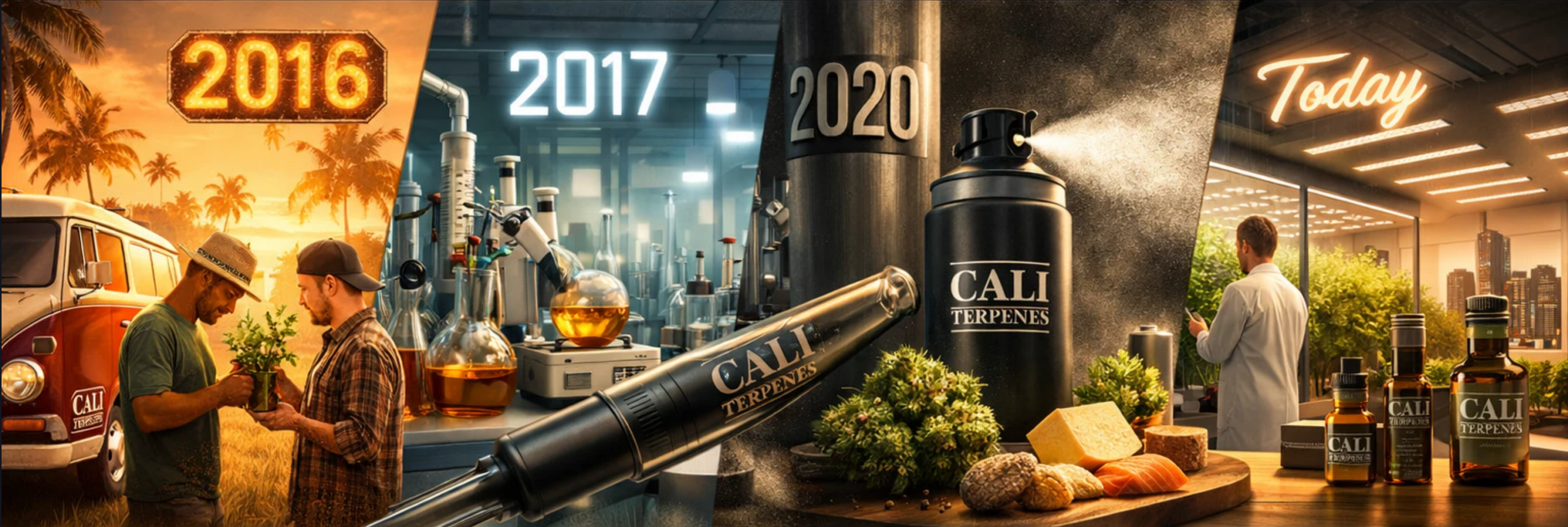
When people talk about the “Cali feel” in the cannabis sector today, they usually mean the unmistakable scent of elite genetics. The fact that this fragrance is now legally available worldwide in the form of small vials or sprays is largely thanks to Cali Terpenes S.L..
Paradoxically, the roots of the Barcelona-based company lie in sunny California in 2016. It was there that founders Toni and Ferran – who already enjoyed legendary status in the breeding scene through their work at Eva Seeds – recognized the enormous potential of isolated terpene profiles (Cali Terpenes, n.d.).
What began as a spontaneous idea during a trip quickly evolved into a pioneering technological project. Cali Terpenes specialized in molecularly replicating the complex aromas of famous strains like “Gorilla Glue” or “Amnesia” with exact precision, yet without any psychoactive compounds. This technological mastery made it possible to safely establish the typical cannabis aroma in industries such as food production, cosmetics, and the vaping market (Alchimia, 2017).
The team achieved a particular stroke of genius with the invention of Terps Spray, which revolutionized the aromatization of products and finally established the company as the global market leader in this segment. Today, Cali Terpenes no longer stands just for “scents,” but for a new era of functional flavours that make the so-called “entourage effect” scientifically accessible (Cali Terpenes Blog, 2026).
Combining botanical knowledge with state-of-the-art laboratory analysis, they have succeeded in translating the heritage of California’s cannabis culture into a legal, industrial format for the 21st century.
References
- Cali Terpenes (o.D.): Our story
- Alchimia (2017): Cali Terpenes – 100% natural cannabis terpenes
- Cali Terpenes Blog (2026): Terpene Guide & News
- Mr. Hanf: Cali Terpenes brand profile