

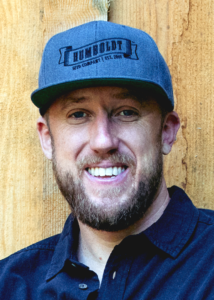

Ben Lind, Chief Science Officer at Humboldt Seed Company, has been intensively involved in the cultivation and breeding of cannabis in Northern California for more than 12 years.
His early interest, especially in cannabis genetics, was passed on to him by his family, particularly his aunt. She was the one who developed some of the first strains that could be grown outdoors in Pennsylvania.

His special interest in breeding and preserving old landraces stems from his studies. During his time at the University of Pennsylvania, he worked as a paleoecologist in Mongolia for the Smithsonian. Through his research on ancient burial sites, he learned how “primitive”, better ancient peoples cultivated, stored, and used cannabis.
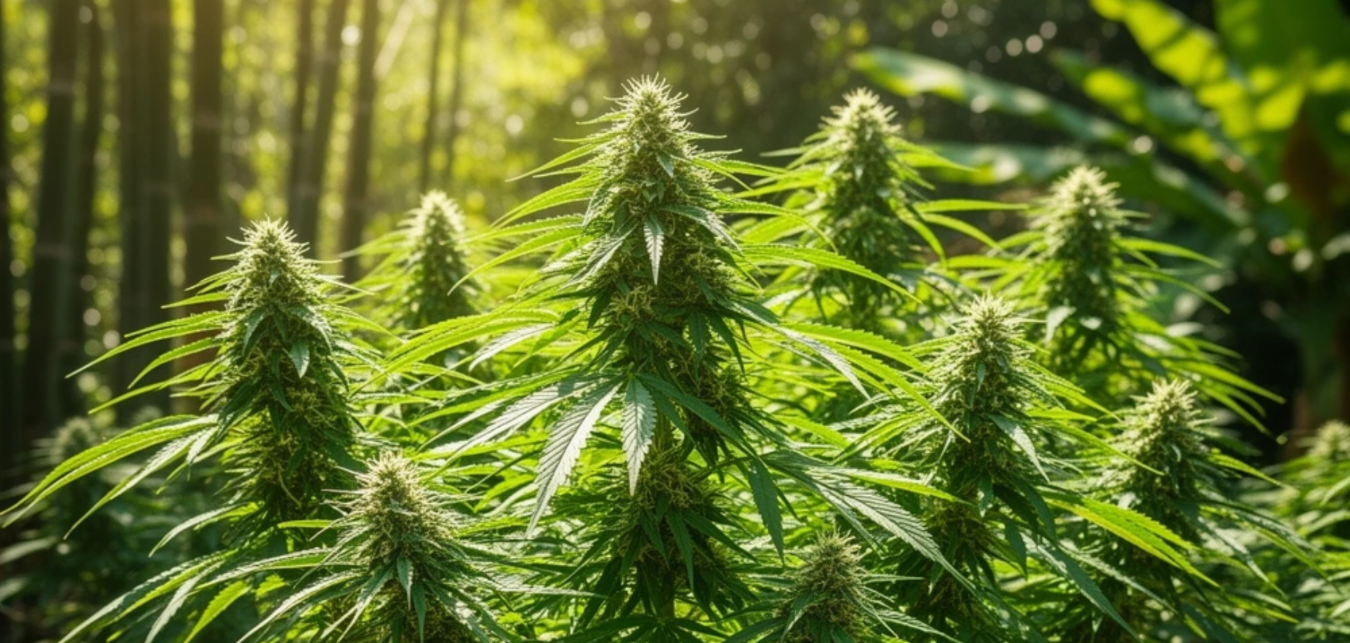
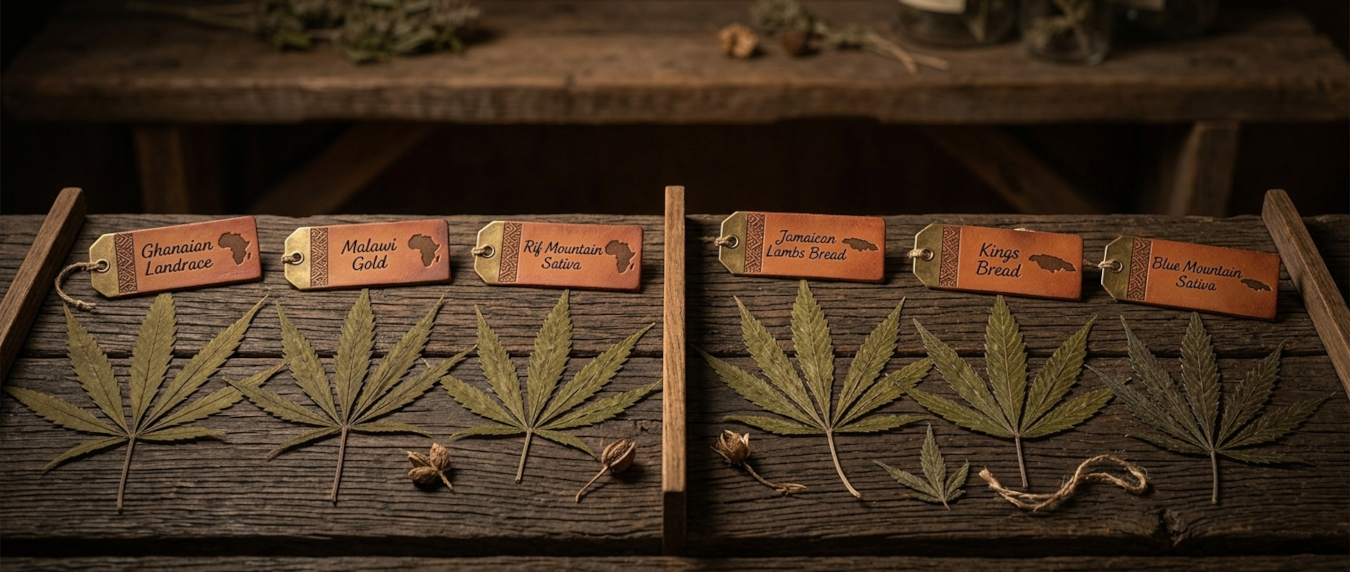
This sparked his passion for preserving these strains and his interest in using ancient genetics as the basis for breeding the strains of the future. Preserving the genetic fingerprints of unique bioregions such as Jamaica and South Africa has become a particular focus.
Ben continues to focus on introducing the rigorous analysis protocols developed by Humboldt Seed Company to emerging markets around the world, as well as working closely with international policymakers.
Nevertheless, he is also involved in the development of stable—often award-winning—seed lines that occasionally “break” the boundaries of what we think is possible – and here, unique terpenes are also right at the top of the “wish list.”
Ben strives for a vision in which cannabis is recognized worldwide for its important role in the past, present, and future.
[Erik]: Hello Ben, you are my first interview at Mary Jane 2025 – it’s great that you’ve found the time to talk to me a little about the Humboldt Seed Company and, in particular, about terpenes, despite the start of the trade fair.
[Ben]: Hello Erik, I’m pleased to meet you.
[Erik]: First of all, I would like to express my sincere gratitude to you. I really appreciate the effort you put into extracting terpenes from your Blueberry Muffin strain in your private garden especially for me!
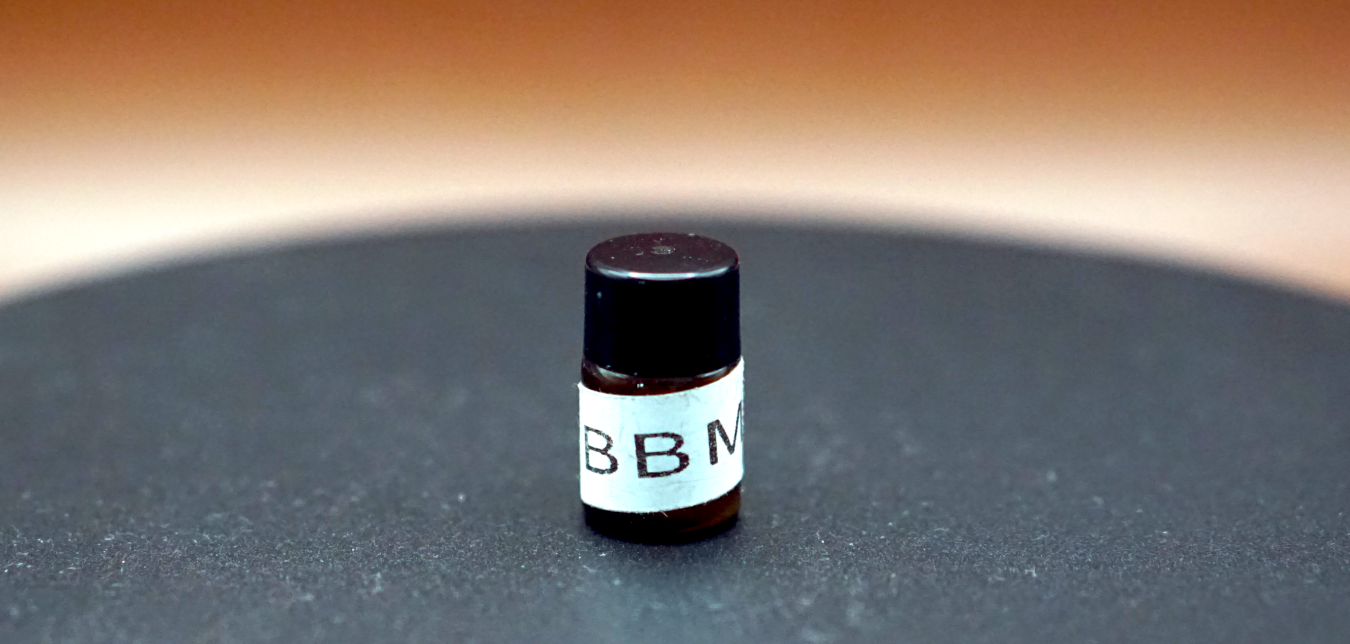
[Ben]: Erik, I really enjoyed doing that — it has become a real hobby for me to extract high-quality terpenes from my personal favourite strains in a biologically gentle way.
[Erik]: You can really tell that with your unique “Blueberry Muffin Terpene”. I’ve been learning about terpenes for a few weeks now, and everything I’ve tried so far hasn’t come close to your “hobby product” in terms of intensity, body and quality.
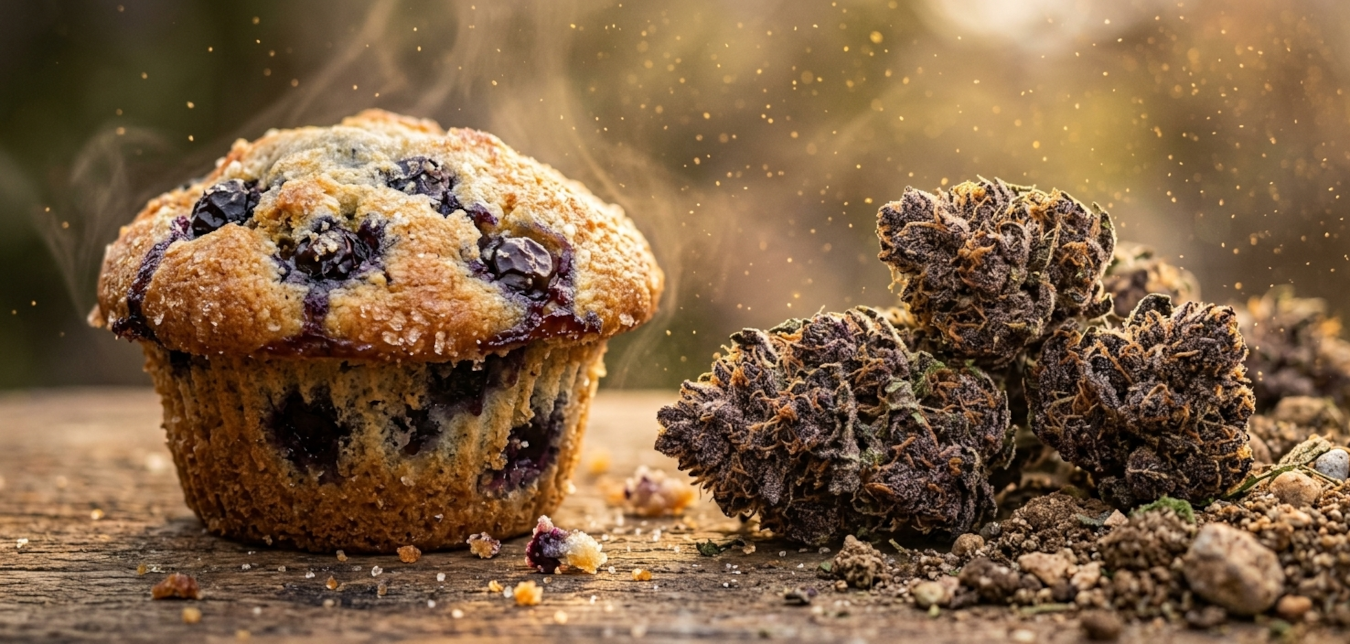
[Ben]: Of course, I take great care to get the best out of our strains — it’s time-consuming, but you can see from the product that it’s worth the effort.
[Erik]: That’s a fair assessment – your Blueberry Muffin terpene smells almost stronger of blueberries than the berries themselves, without coming across as artificial like some other terpenes on the market.
How exactly did you extract it – from fresh buds, frozen or dried ones?
[Ben]: Yes, it’s a fantastic terpene profile. In your case, I have the Blueberry Muffin terpene, which is very gentle and organic…
We extract the terpenes from the freshest living buds using the same process used to extract other essential oils like lavender, for example. Gentle steam and low heat is the best way.

[Erik]: Wow, that sounds like a well-planned approach. I’ll come up with some interesting but simple recipes, but not just desserts, drinks, or cocktails — those too, of course — I’d like to start by creating at least one hearty dish.
[Ben]: I’m curious to see what you do with the Blueberry Muffin terpene. Please keep me posted.
[Erik]: Alright, I will do that.
Ben, Humboldt Seed Company was founded in 2001, which means you can now look back on almost 25 years of experience, right?
[Ben]: That’s right — we had plenty of time to focus on what was right and important.
[Erik]: Your beginnings were in the field of medical applications—when did the global business with the leisure market begin, approximately?
[Ben]: The roots run deep for us. I learned about cannabis growing up surrounded by my aunts and uncles who were very knowledgeable about the plant. With Prop 64, California’s newest version of legalization in 2016 came our global expansion. Humboldt Seed Company had been on the radar internationally for a while, but at that point we were able to make international expansion a reality.
[Erik]: Is it true that you are now California’s largest licensed supplier of cannabis seeds?
[Ben]: Yes, and that naturally fills us with pride.

[Erik]: You have many high-quality, award-winning seed lines in your portfolio—which are your favourite strains besides Blueberry Muffin?
[Ben]: Mmmh, that’s not so easy when you’re exposed to several hundred new strains every year on top of your day-to-day business. But of course, I do have a few favourites—our California Octane Triploid and Hella Jelly Autoflower are two of the current standouts for me.
[Erik]: How did you get into seed breeding, Ben?
[Ben]: I have actually been involved with this topic and the industry itself since my early youth. I grew up in the cannabis industry, so to speak, and my interest in cannabis genetics was “passed down” in my family.
The fact that good seeds can preserve genetics for years, even decades, is a very special attraction for me—and this applies to basically any type of seed, not just cannabis.
[Erik]: Do you have a specific focus here?
[Ben]: Yes, preserving old landrace strains is particularly close to my heart. This was already the case during my studies at the University of Pennsylvania. At that time, I was working as a paleo-ecologist for the Smithsonian in Mongolia, which left a lasting impression on me.
[Erik]: Then you must have travelled a lot, right?
[Ben]: Indeed—in my search for genetic material from unique regions of the world, I have already been to Jamaica, Colombia, and Africa, for example.

[Erik]: I can only envy you — a culinary world tour would be my variant here.
[Ben]: Well, if you’re already on the road, feel free to stop by and see us.
[Erik]: Thank you for your offer — I will do that. When did you first consciously notice terpenes in your life? Were there any flavoured foods and drinks that you can remember?
[Ben]: I’m sure I first noticed terpenes unconsciously in children’s sweets – but I didn’t realize it consciously until much later…
[Erik]: When it comes to flavouring, which base do you think is most suitable—terpene solutions, crumble, rosin, fresh buds?
[Ben]: That depends greatly on what you want to flavour, of course — terpene solutions are certainly the most versatile, but live rosin is also something very special…but then it comes with a high.
[Erik]: What are the advantages of using terpenes derived from cannabis as flavourings over those derived from oranges, tomatoes, or pine trees, for example?
[Ben]: In many countries, the administrative burden associated with cannabis is simply too high, which is why terpenes are extracted from other plants. In addition, the yield is significantly higher than if cannabis were used as the basis.
[Erik]: Do you think that terpenes can generally influence mood and that this could be used when seasoning food and drinks?
[Ben]: It’s interesting how you can walk into a store and they’ll have a signature scent. You will automatically associate the place and/or product with the aroma as scent creates such a strong memory. There is some evidence that lavender calms and citrus uplifts. Many report their high changing when they are exposed to the scent of a specific terpene. There is a lot to learn in terms of how a given terpene might affect mood, relaxation, etc. I think it’s absolutely possible to create a special experience using terpenes in both food and drinks.
[Erik]: OK, that sounds interesting — in a way, it also applies to food and beverages. How often do you use cannabis-derived terpenes for flavouring — has this become part of your daily cooking, or is their use still rather exotic?
[Ben]: I wouldn’t say every day, but for special occasions it’s a fun way to really make the meal special.

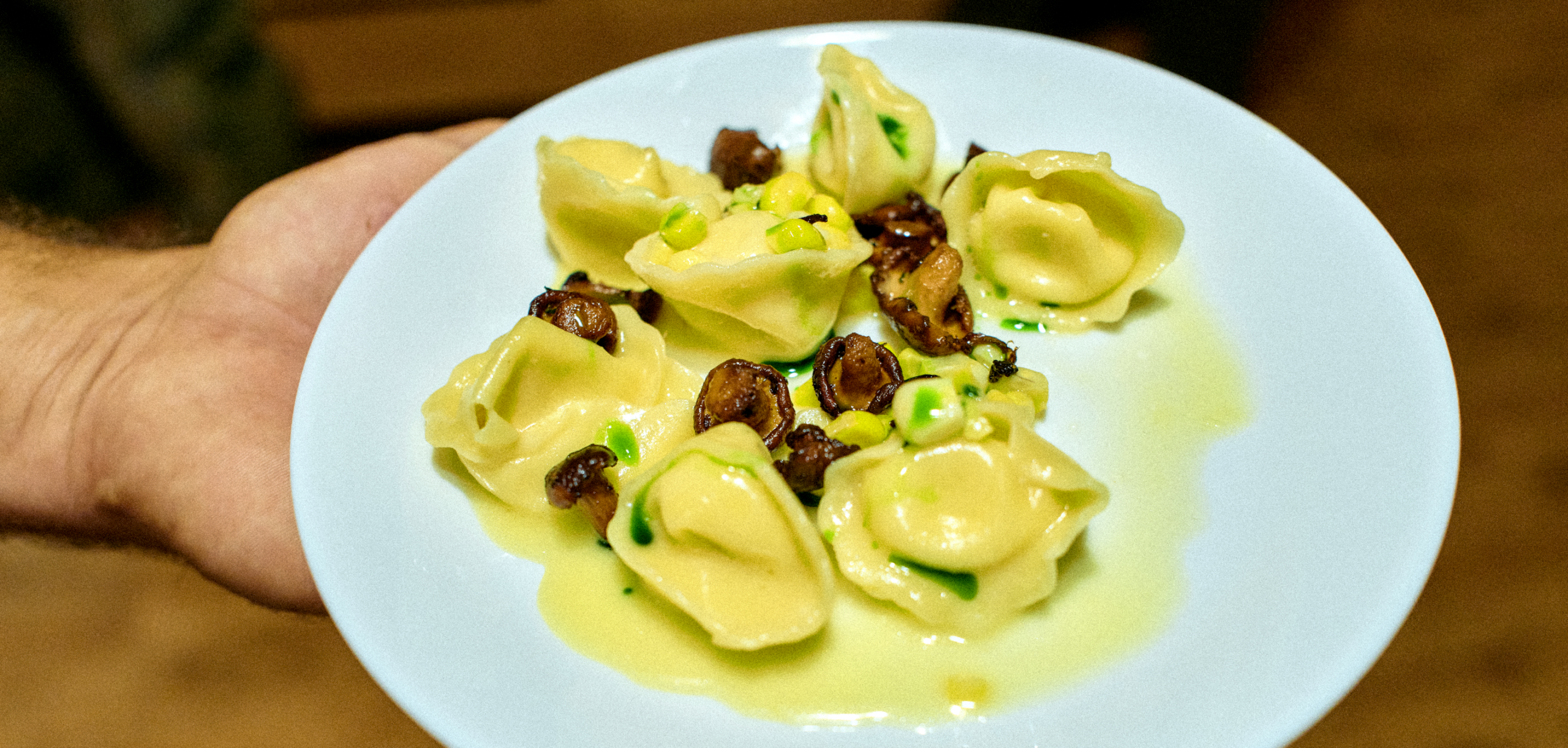
Recently we had an amazing terpene-infused, multi-course dinner prepared by Chef Chris Ratcliff for our Farewell Dinner for the Pheno Hunt for Washers event in Northern California.
He prepared amazing tortellini with wild mushrooms with Blueberry Pancakes Basil oil. People were talking about it for weeks after. Actually, they’re still talking about it.
[Erik]: For culinary use in particular, it is important that the taste and “behaviour” of the ingredients vary as little as possible—after all, you want to achieve the same taste experience every time.
So, to what extent does the “terpene fingerprint” of the respective varieties change depending on whether they are grown outdoors, in a tent, or using different cultivation methods such as soil, hydroponics, etc.?
[Ben]: It really all boils down to genetics. Outdoor tends to yield more complex profiles than indoor, but mostly it’s based on the foundation of the genetics you are growing.
[Erik]: From my personal culinary point of view, all terpenes that are reminiscent of lime, i.e. that appear fresh, stimulating and fruity, are particularly interesting – especially for desserts and foams.
Personally, I like the terpene Citral a lot (which, as far as I know, is rather rare in cannabis, but can be found in the fruity Afghani line, for example), it seems to me even more “limey” than limonene itself. But to be honest Citral is basically already a mixture of the terpenoid isomers geranial (Citral A) and Neral (Citral B) which reminds me to sweets from my childhood.
With your new strain LIMEZ, you have launched a new candidate for this terpene direction – what inspired you to do so?
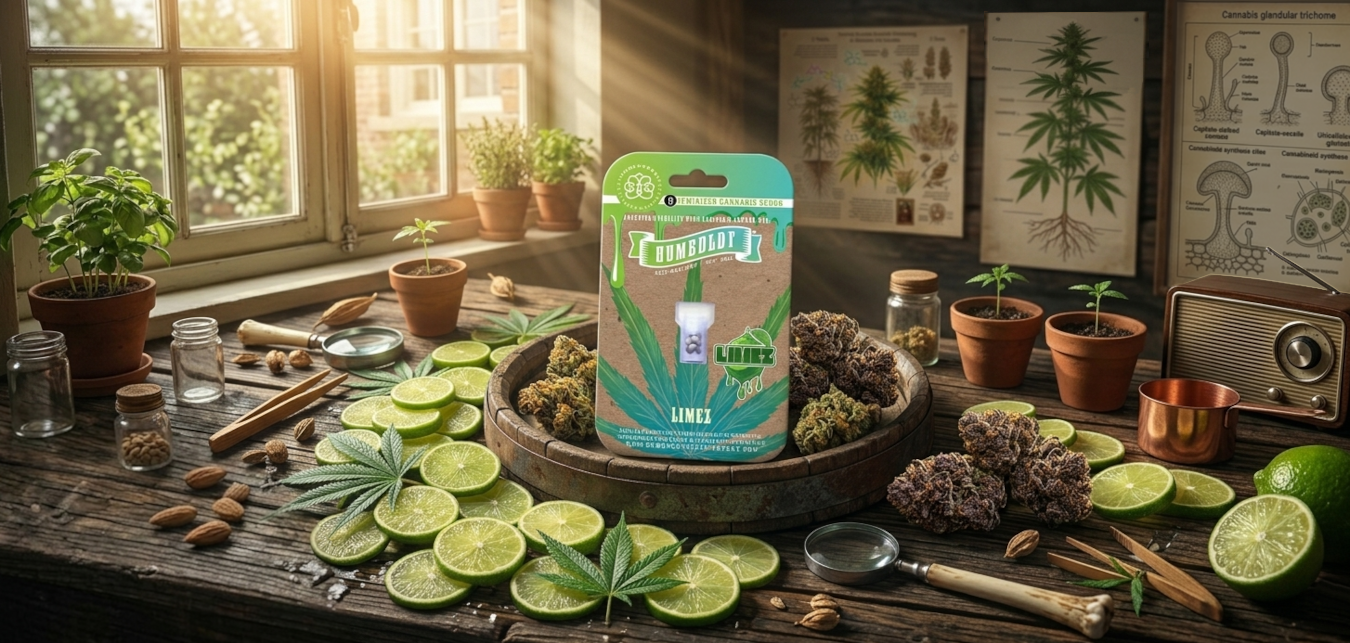
[Ben]: This is just a fresh flavour and aroma that is ubiquitously recognized globally. We wanted to do a fresh, new twist on the lime terpene profile and Limez was born. It’s great in lemonade, paired with fruity desserts or even added to cocktails or mocktails.
[Erik]: Do triploid genetics make a difference in terms of the quality and quantity of the terpenes they contain?
[Ben]: Not generally – that’s a broad topic.
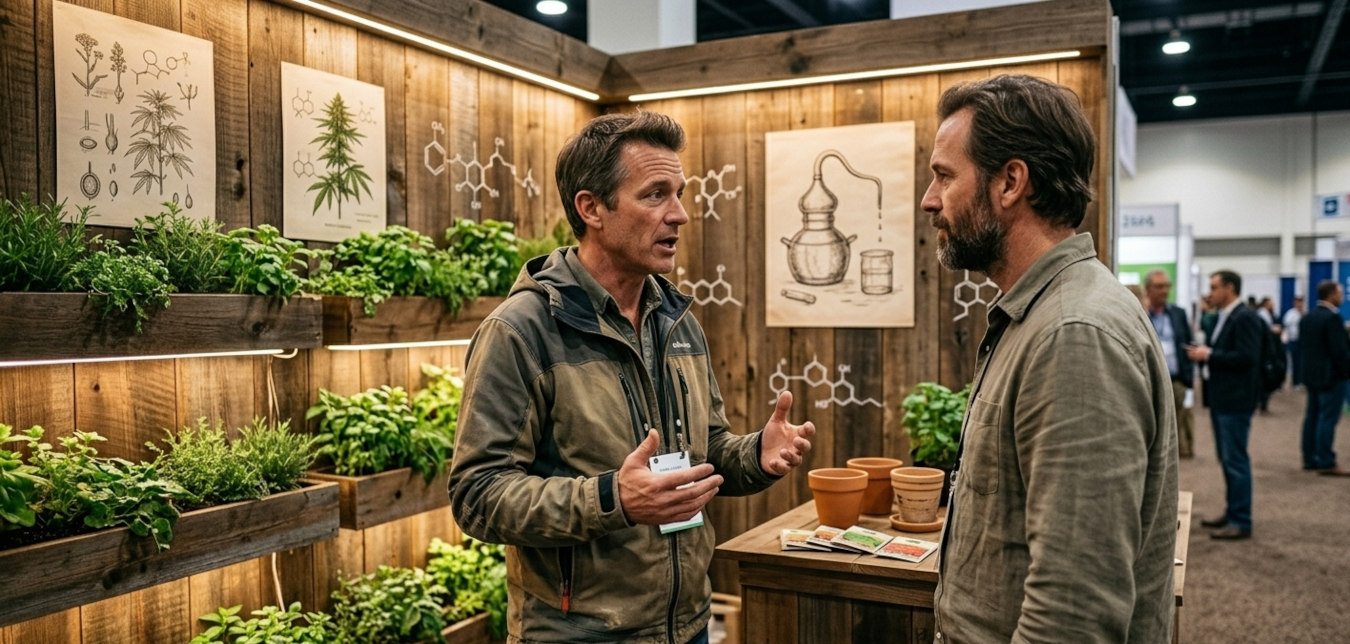
[Erik]: I believe that – Unfortunately, we have also run out of time, so that issue we had to discuss at Mary Jane 2026.
I could talk with you about terpenes and food for hours, Ben- but “the fair is calling.”
Thank you very much for your time. I learned a lot of new things and, of course, I’m really keen to watch you extracting on site.
In any case, your Blueberry Muffin terpene is the best in the range of terpenes I’ll be working with!
Have fun at Mary Jane 2025!
See you soon, Erik
Credits
My special thanks go to Jaana Prall, who is responsible for press relations at Humboldt Seed Company and without whose input these lines would certainly not have been “put together.”
The Legacy of the Redwoods – Humboldt Seed Company

Humboldt County is to cannabis what Bordeaux is to wine – and at its heart stands the Humboldt Seed Company (HSC) as both a guardian and an innovator. Founded in 2001 by Nathaniel Pennington, the company has evolved from a local breeders’ collective into arguably the most influential genetic powerhouse in the world (Humboldt Seed Co., n.d.).
HSC’s success is built on an almost obsessive focus on selection. Through their annual “Phenotype Hunts,” where tens of thousands of plants are evaluated on local farms across the Emerald Triangle, the team succeeds in elevating genetics like the legendary “Blueberry Muffin” or “Humboldt OG” to a level of stability and terpene richness that is unparalleled in the industry (HSC, 2022). Throughout this, the company never loses sight of its ecological roots: to this day, the founders remain deeply involved in the conservation of their Californian homeland.
Yet, HSC does not rest on its laurels. With the recent introduction of triploid seeds – a technology that increases yields and makes plants more resilient – the company has proven its ability to bridge the gap between decades of cultivation tradition and cutting-edge agricultural science (Humboldt Seed Co. Blog, 2024). Anyone speaking of authentic Californian cannabis genetics today cannot overlook the Humboldt Seed Company and its tireless pursuit of botanical perfection.
References
- HSC (n.d.): Our Story & Philosophy
- HSC (2022): Phenohunting and Breeding with Nat Pennington
- HSC Blog (2024): The Future of Cannabis – Triploids Explained
The image rights (credits) for the images relating to Humboldt Seed Company that do not originate from Foodadvisorblog belong to Chris Romaine @KandidKush, thank you for that.