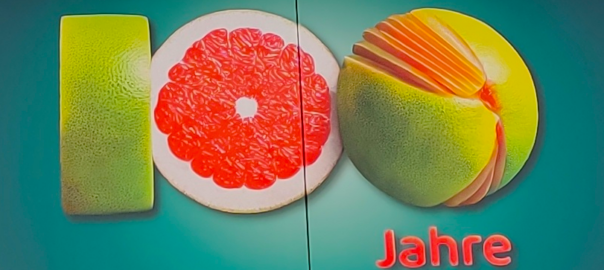
Congratulations on your anniversary!
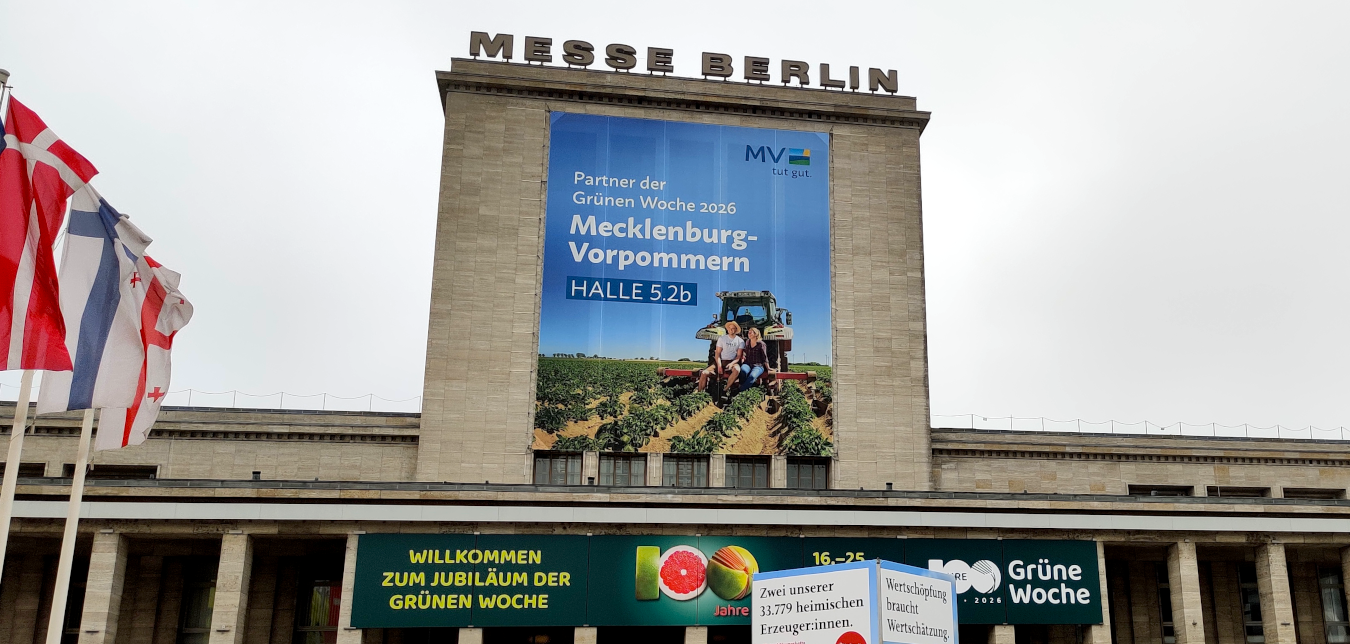
This year’s International Green Week Berlin is celebrating its birthday—its 100th, in fact—which we took as an opportunity to do some extensive research into the history, significance, and transformations of this internationally popular event, in addition to our usual trade fair roundup.
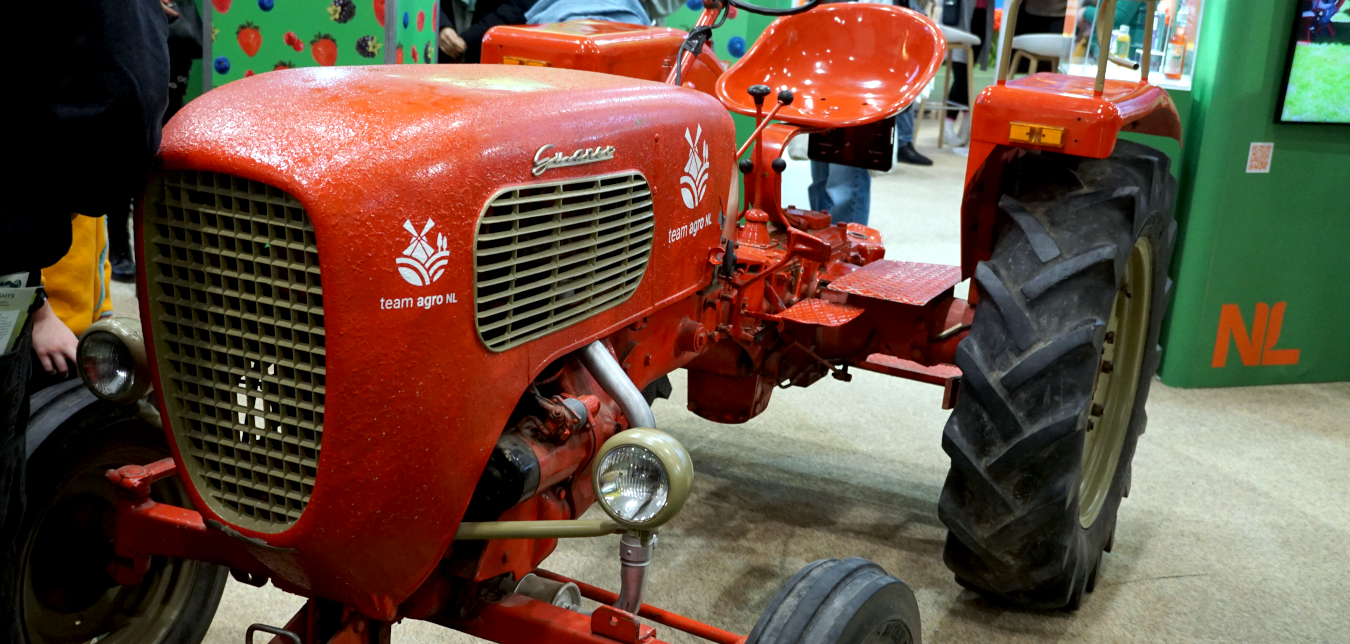
In doing so, we used AI for the first time to assist us in our research, including the search for sources. Depending on the AI used, this also meant more or less “gray hair” – but what am I telling you, we’ve all had similar experiences by now.
Before we delve deeper into the history of the trade fair, we would like to share a few impressions from our tour this year.
We moved through the halls noticeably faster than in the previous year – visitor flows on the day of our visit seemed pleasantly well distributed. Once again, the trade fair app saved us considerable time and distance; it has become an indispensable tool for us at Messe Berlin.
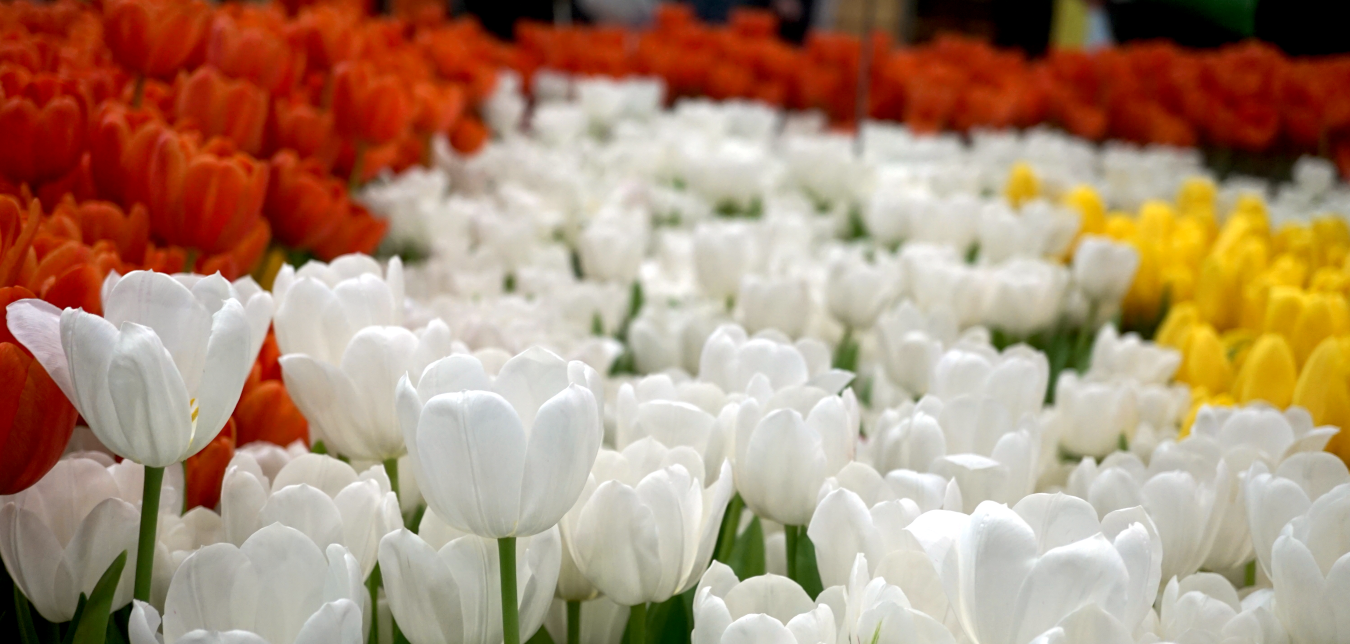
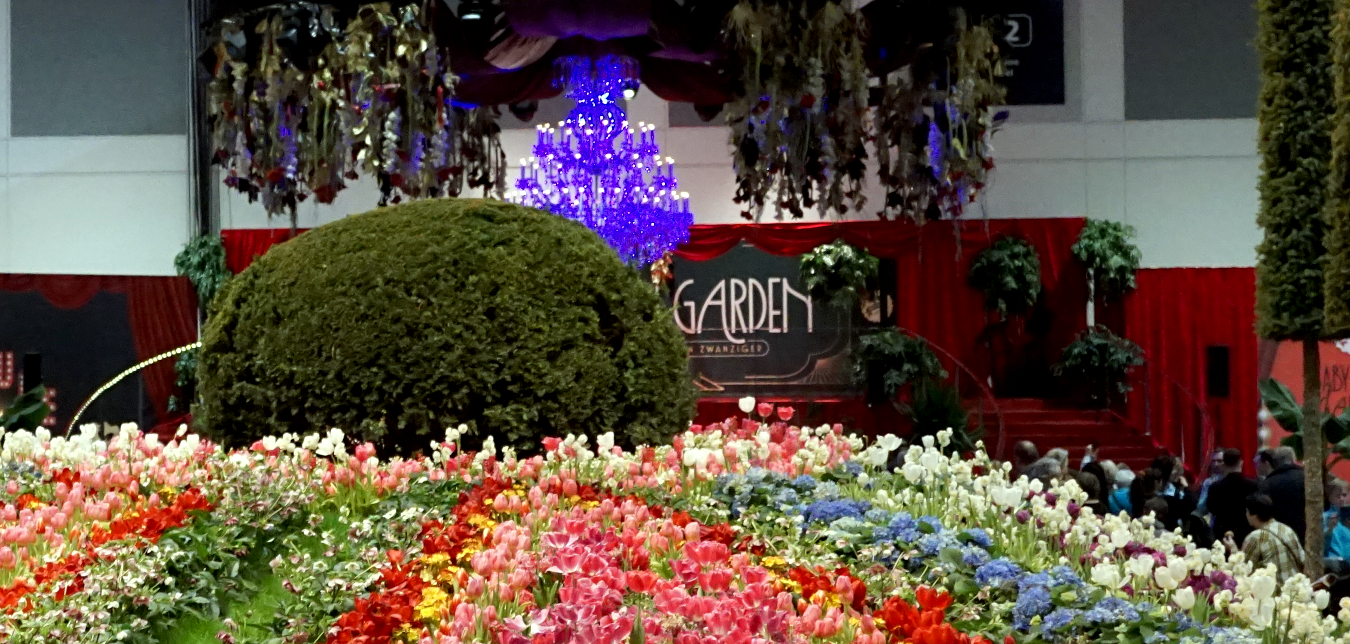
 We began in the Flower Hall. A deep breath – although in previous years we experienced far more intense olfactory impressions here, particularly regarding phenols and terpenes. The plant displays appeared less lush, more decorative accessory than leading attraction. A pity, really.
Instead, staged “experience spaces” and plenty of neon dominated the setting.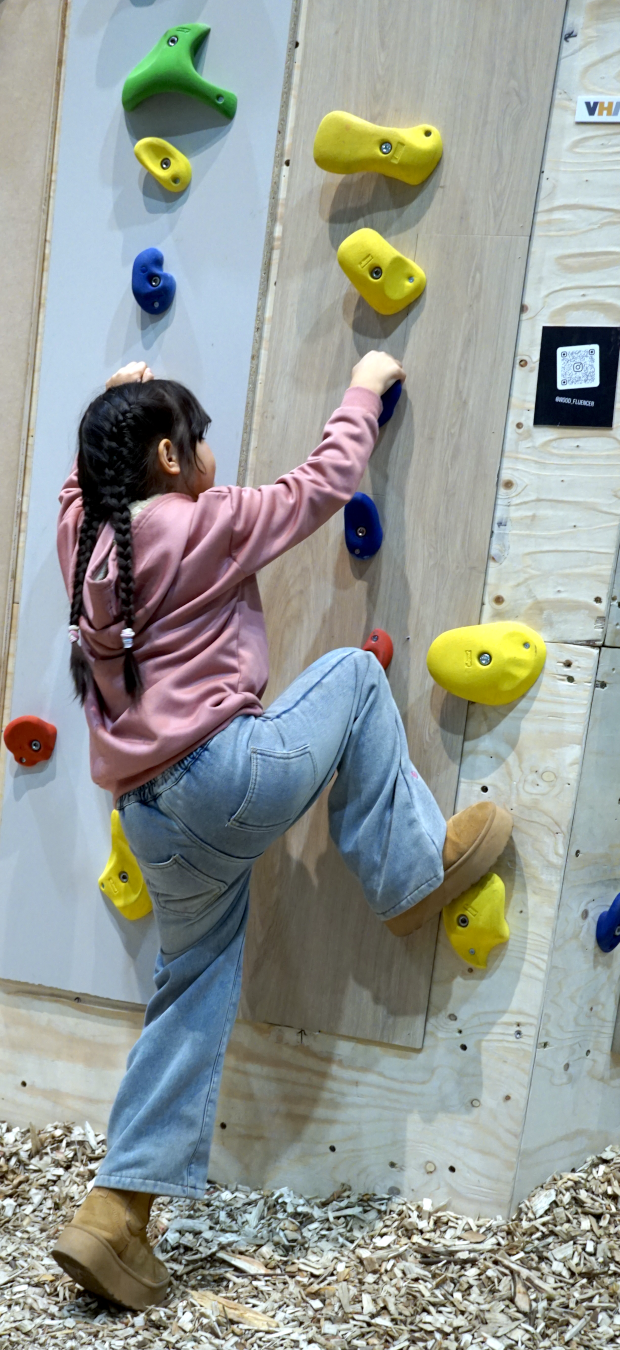 A thematic homage to “Grunewald 1926,” accompanied by hits from the 1920s and 1930s, might have created a distinctive atmosphere – a large immersive space showcasing native plants in a diversity rarely found in one place today. Perhaps comparable only to the open-air laboratory in Berlin’s Gärtnerstraße in Steglitz.
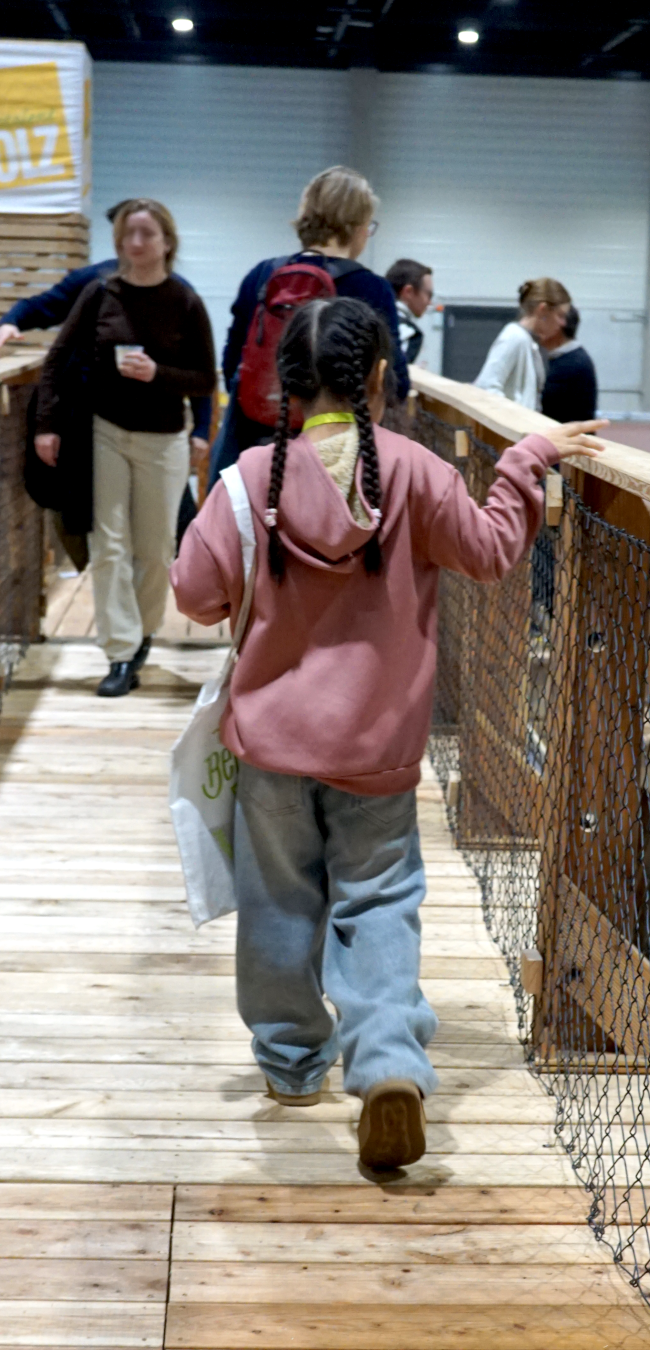
 We did, however, encounter a conceptual echo of this idea: in one hall, visitors could complete a playful obstacle course to win a prize.
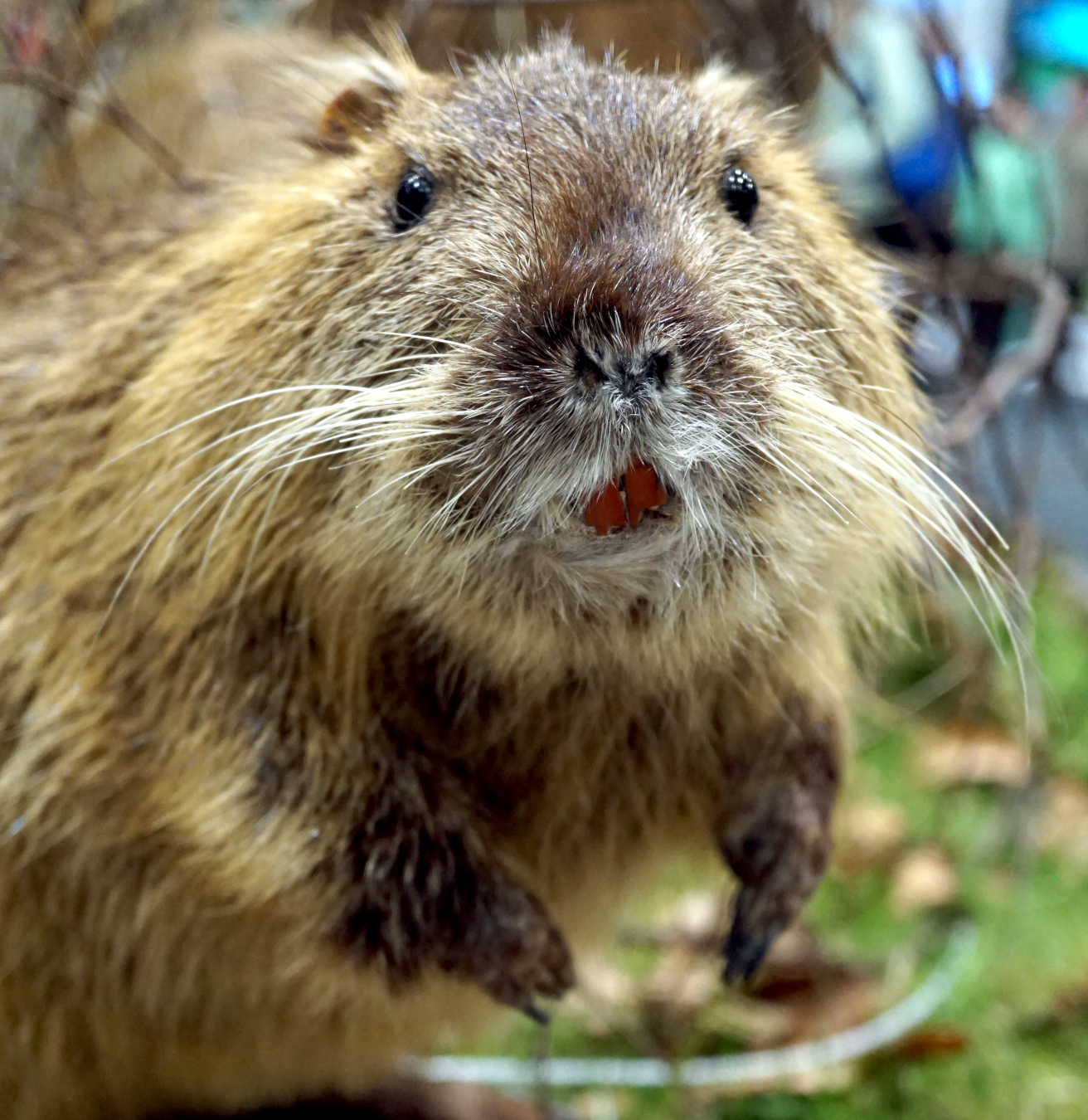
The installation included taxidermy animals – reminiscent of old biology classrooms.
A nutria and a badger were definitely present. Encountering a badger in the wild, at least in Berlin, would likely be a rare occurrence. 
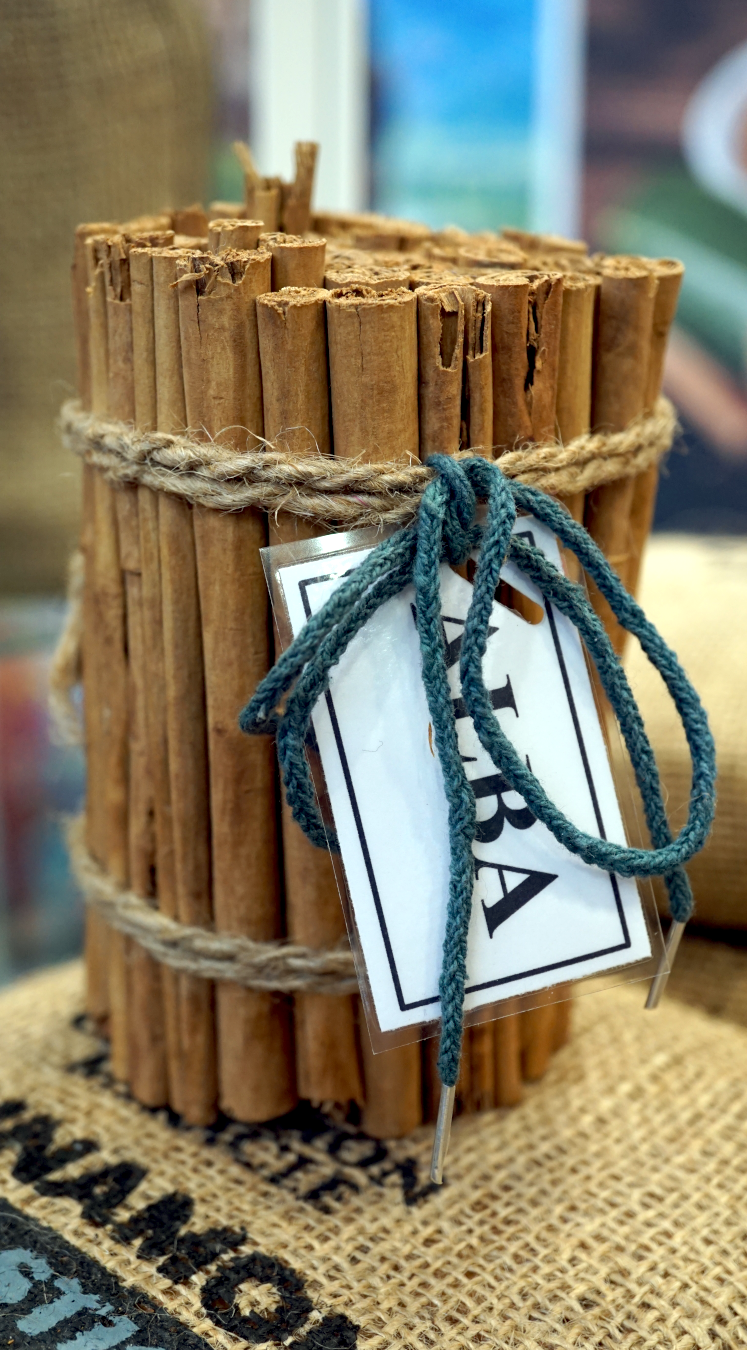 This year we paid particular attention to Alba cinnamon – and we are not referring to the Berlin basketball club nor a waste management company. This Ceylon cinnamon from Sri Lanka contains significantly lower levels of coumarin compared to varieties such as cassia cinnamon.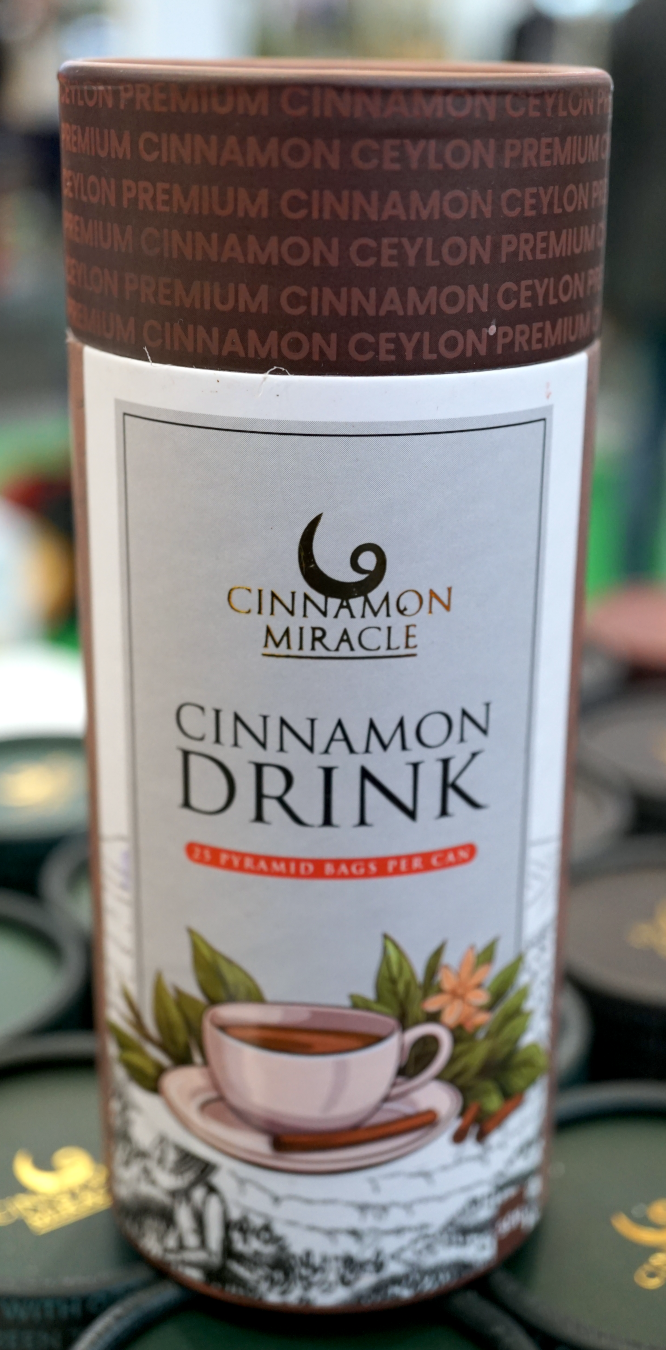
For individuals with blood clotting disorders, this is welcome news – allowing them to enjoy a bowl of rice pudding with cinnamon and sugar without concern.
Less analytical but all the more enthusiastic were my companions when visiting a purely commercial stand offering Asian snacks and sweets – stylishly packaged, rarely found in Europe, and positioned in the higher price segment. However, the actual edible content does not always correspond proportionally to the size of the packaging.
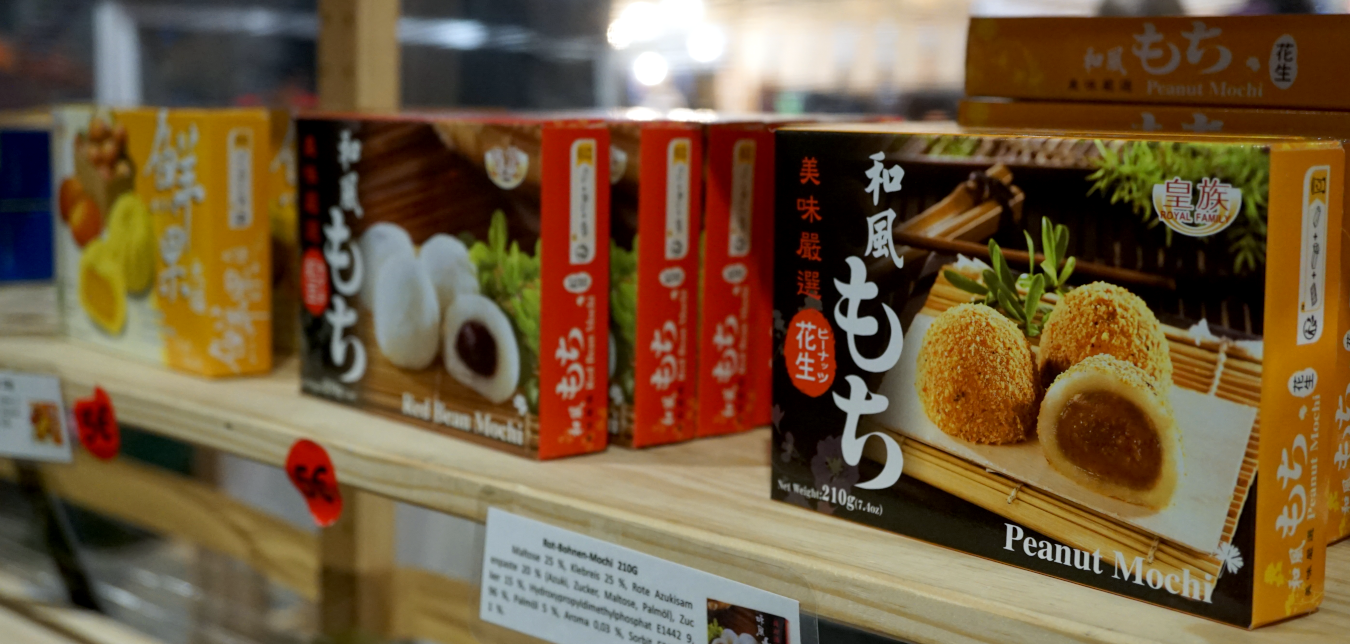
Worth mentioning positively is that in some Asian countries, legislation requires that the product inside the package must correspond in size and appearance to the images displayed on it. A fair and consumer-friendly regulation – in our view.
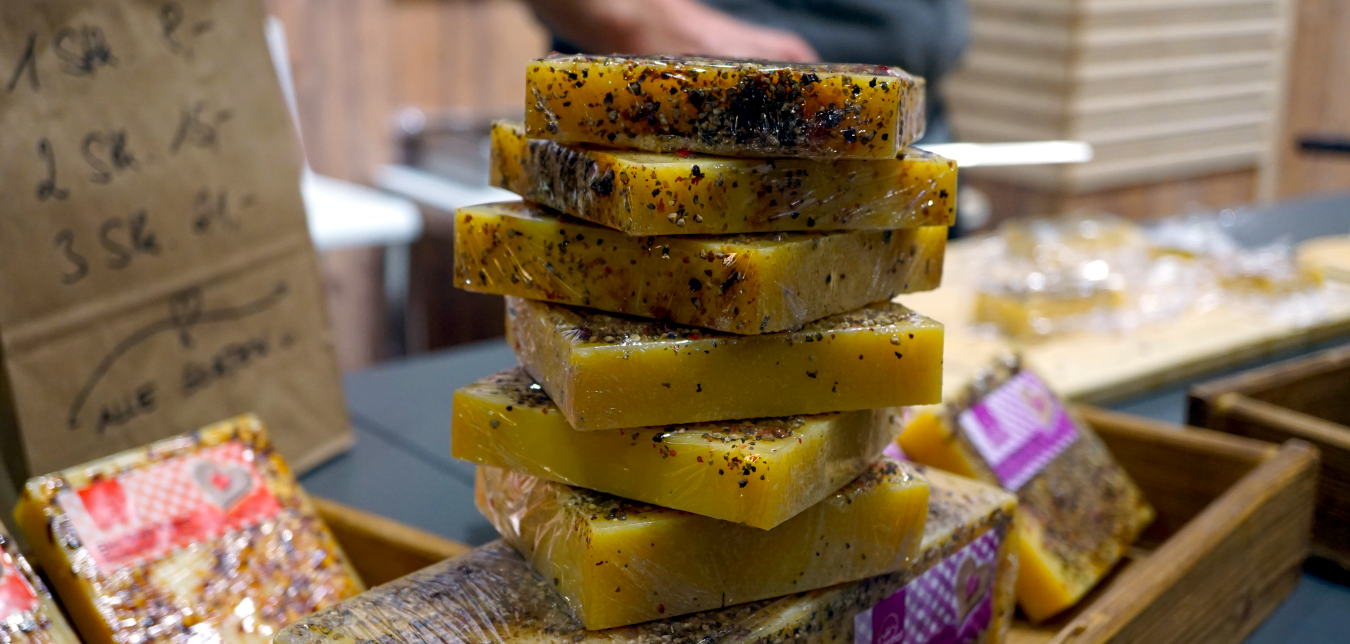
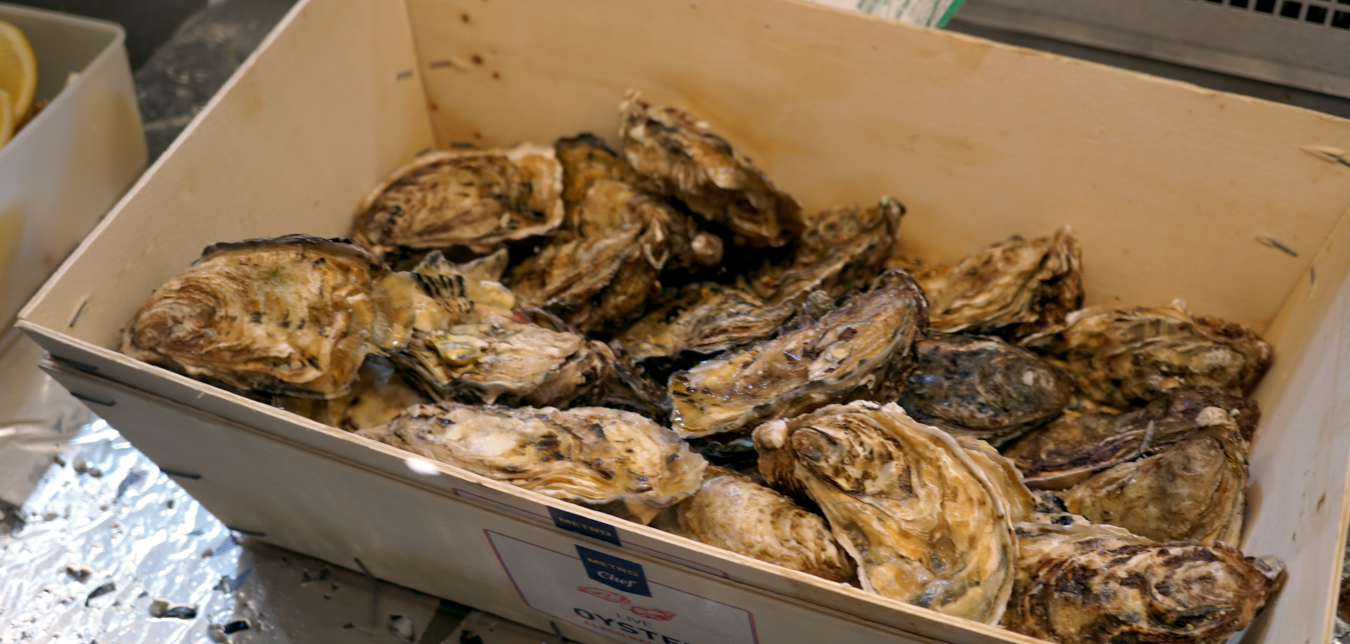
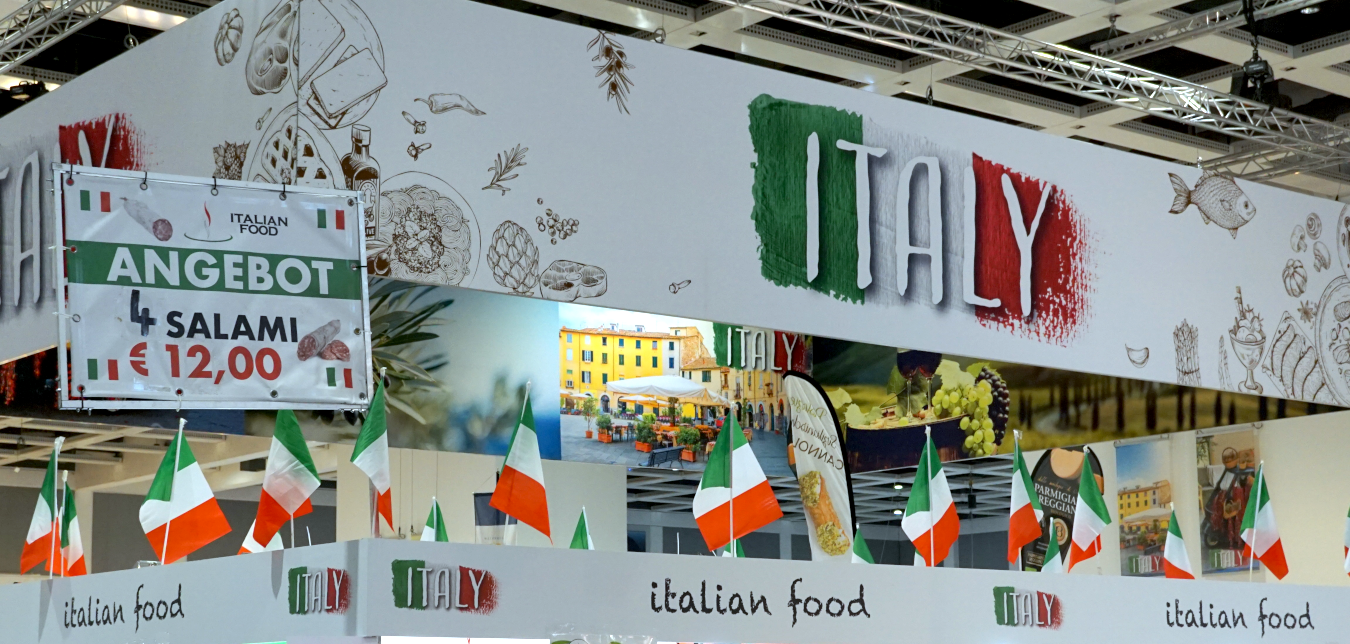
Naturally, we also explored what we might call the gourmet hall. The variety of cheeses once again proved seductive – though not always in the most pleasant sense.
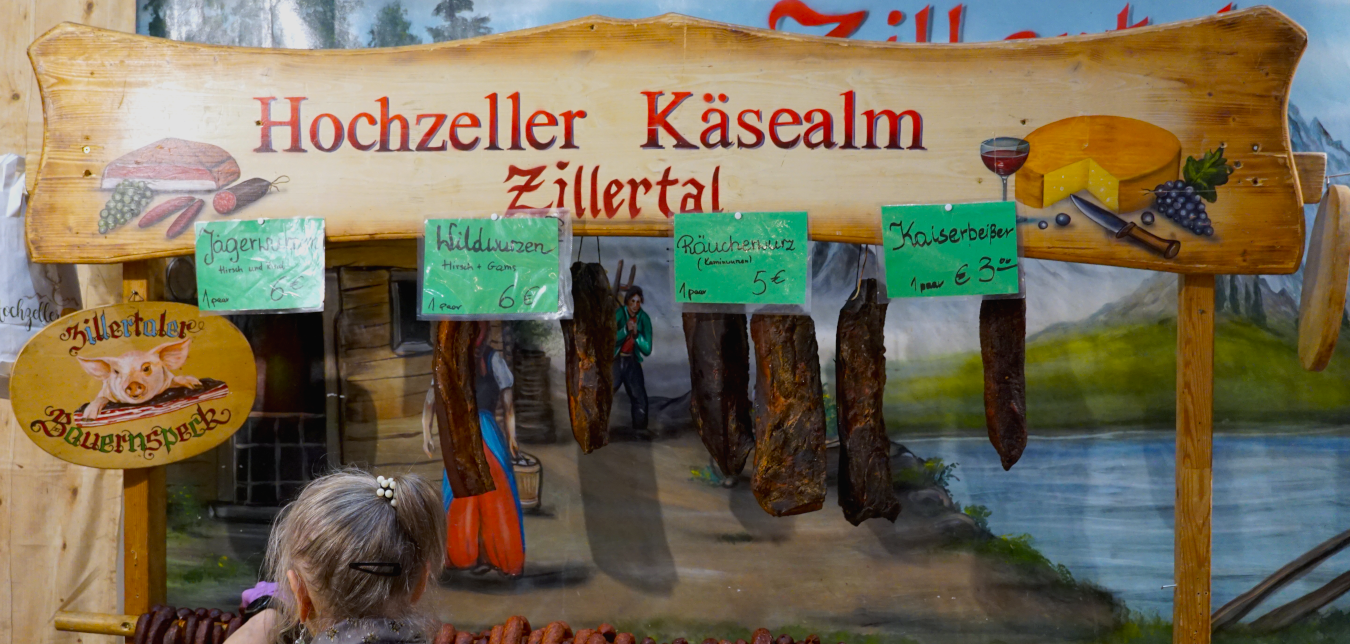
The number of so-called fake food products appears to have increased further, which does little to support authentic culinary enjoyment.
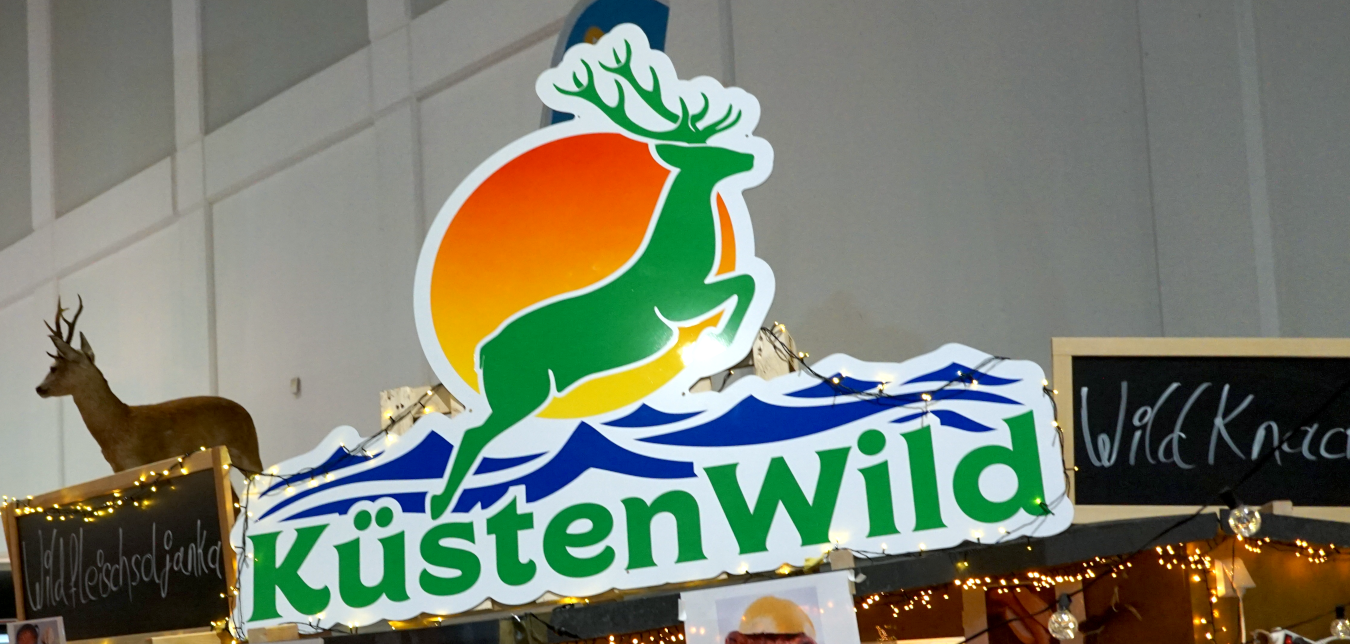
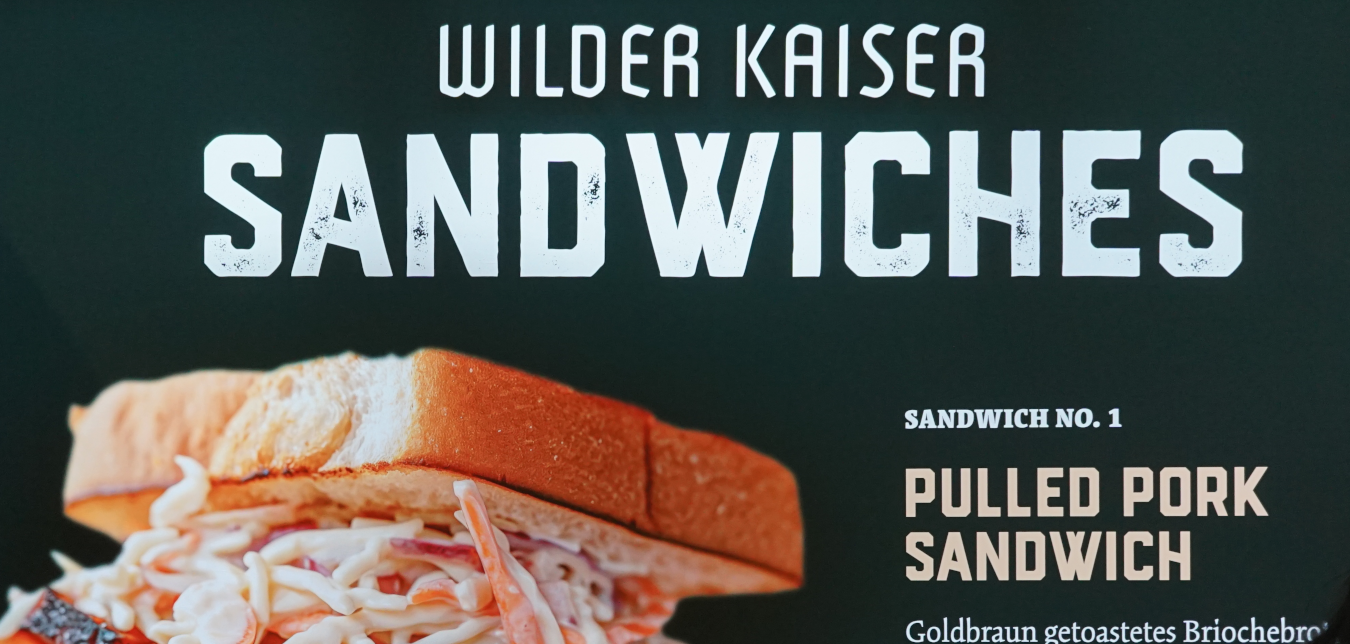
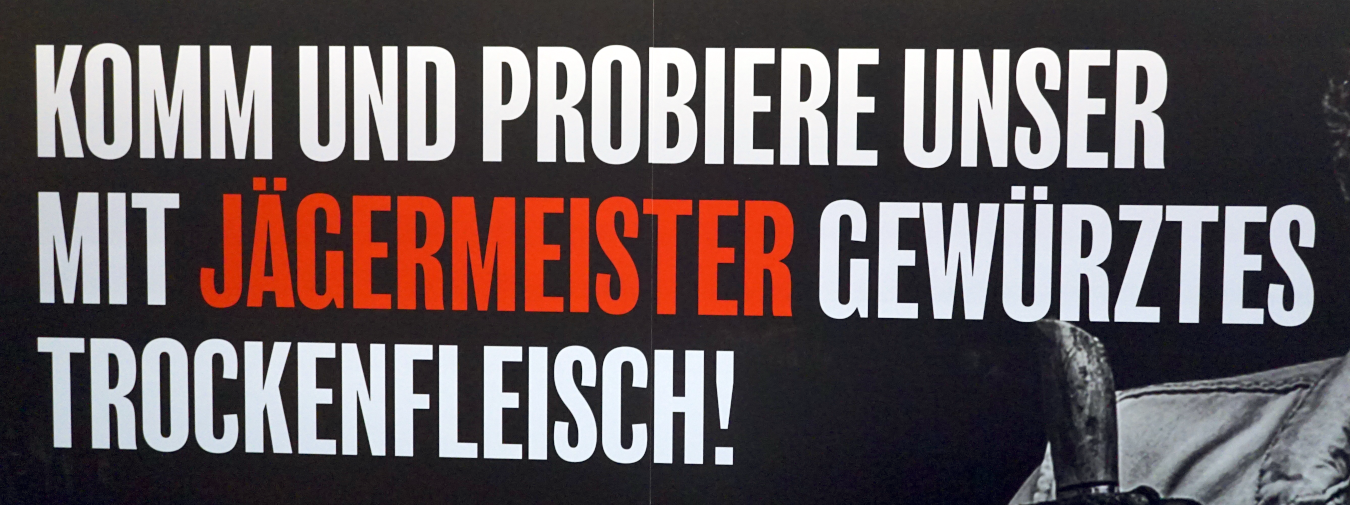
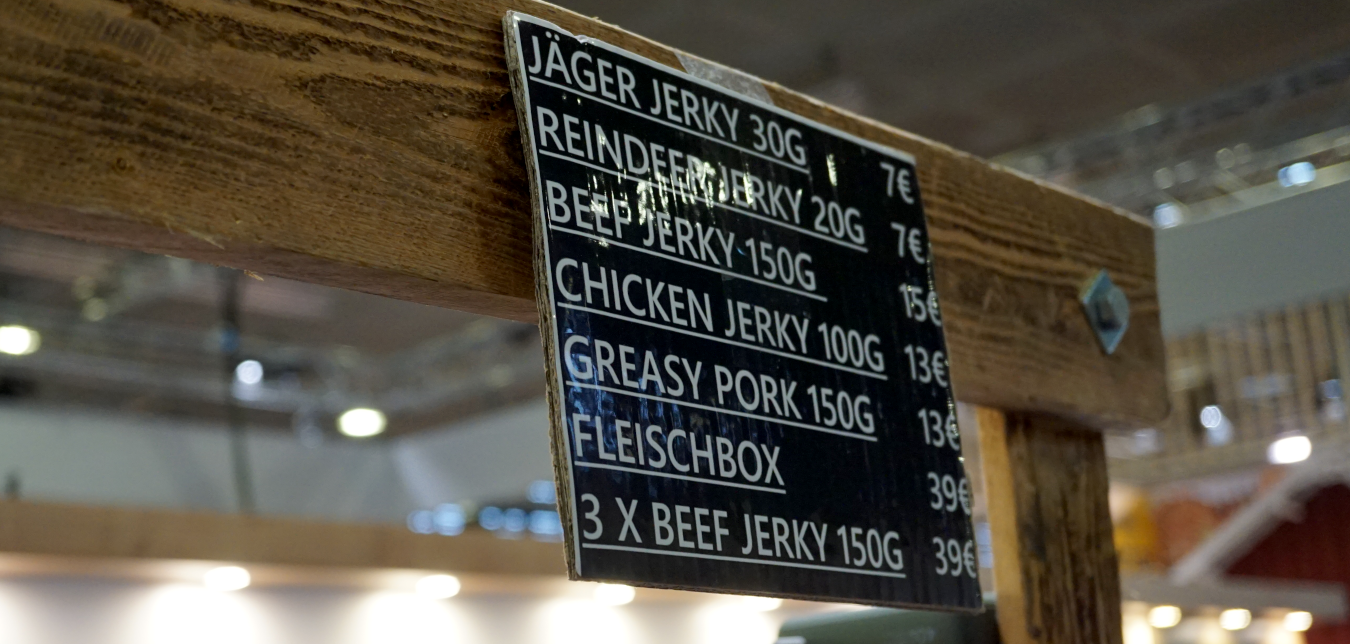
Convincing, on the other hand, was Küsten-Wild, presenting down-to-earth venison sausage, the popular “Wilder Kaiser” presented zheir marvelous sandwiches, and there was meat seasoned with Jägermeister and subsequently dried as well – rustic, honest, and full of character.
If Green Week were held during warmer weather, the culinary segment could, in our opinion, evolve into a true international food festival. Berlin could attract even more visitors from around the world based solely on this gastronomic dimension.
One aspect that stood out positively this year was the pricing structure – or rather, what visitors received for their euro. We have accompanied this event for decades and still remember the days of complimentary samples, as well as later periods when several euros were charged for a small cube of cheese – a development that clearly dampened the atmosphere.

It seems that a more balanced approach has now been found. A trade fair can only generate lasting enthusiasm when visitors feel welcomed and treated fairly.
And now, let us turn to the figures, facts, and historical milestones of the International Green Week in its centennial year.
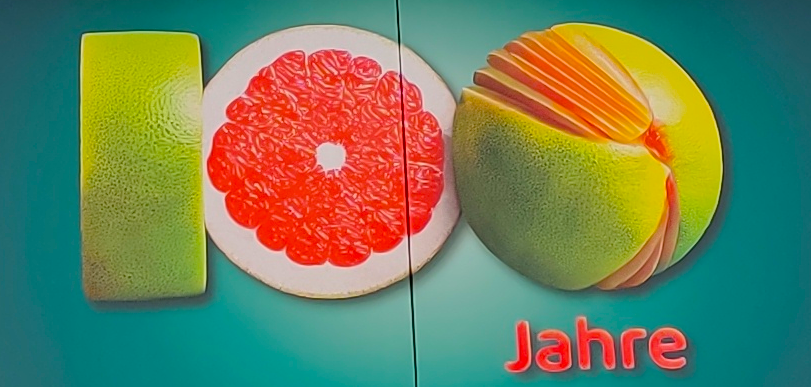
100 Years of Agriculture, Food and Global Culinary Culture
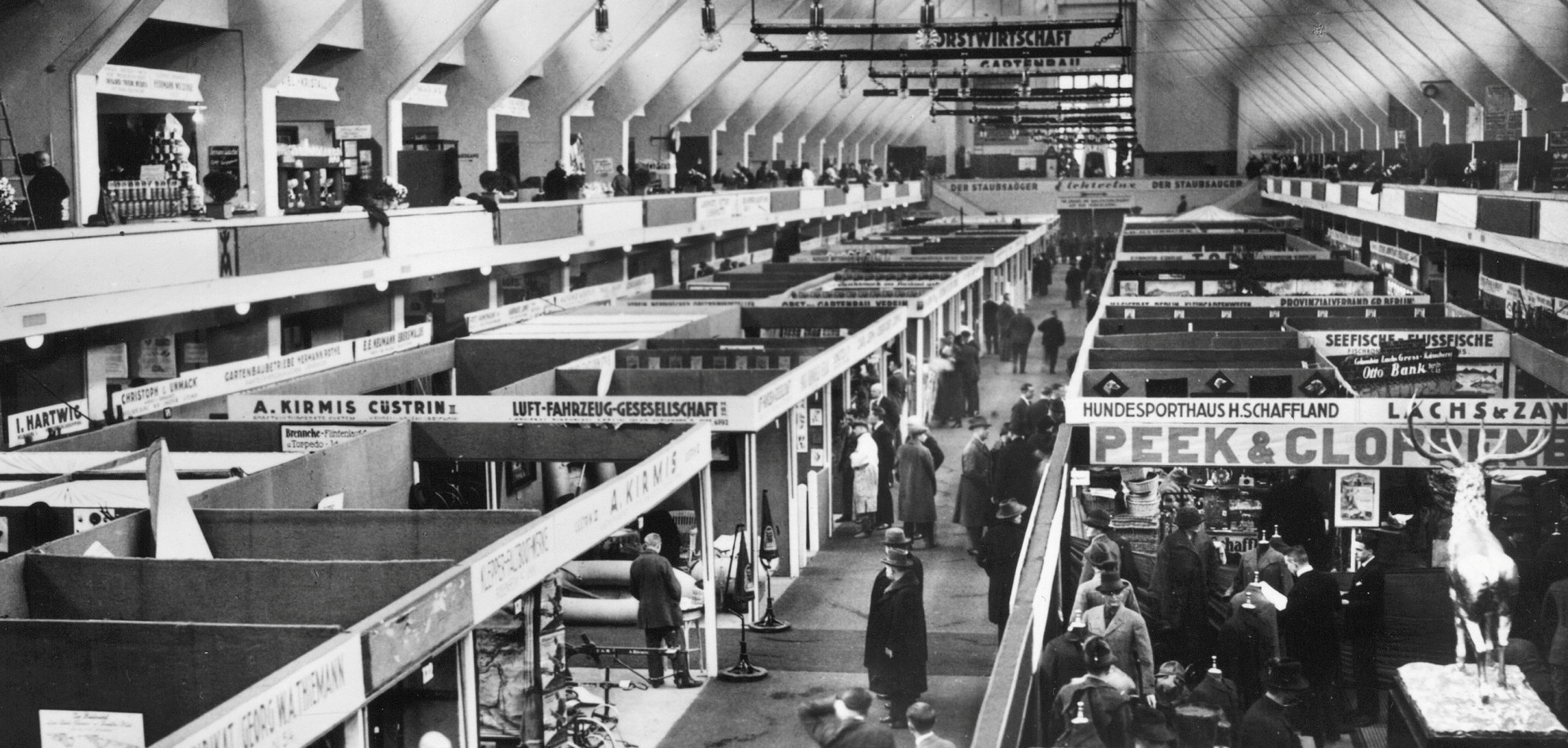
Few trade fairs worldwide are as closely intertwined with social change as the International Green Week Berlin. What began in the 1920s as a regional agricultural exhibition has evolved into one of the most enduring platforms for food culture, agricultural policy, and consumer trends. Its relevance does not stem from spectacle alone, but from continuity. Over more than a century, Green Week has accompanied periods of prosperity, crisis, reconstruction, globalization, and transformation, reflecting how food and agriculture repeatedly adapt to broader societal dynamics (Messe Berlin; BMEL).
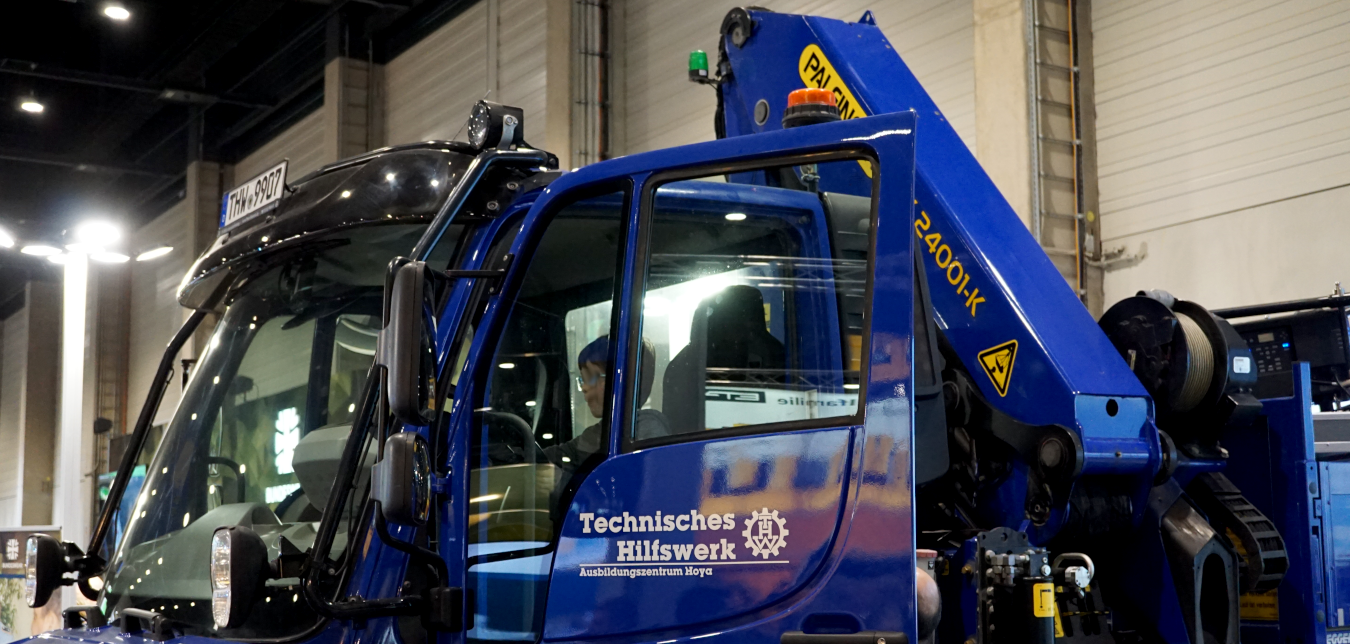
Historically, the fair emerged at a time when agriculture still shaped everyday life for large parts of the population. Early editions of Green Week focused on breeding, yields, and rural craftsmanship, presenting food primarily as a product of labor and land. Yet even then, the exhibition served a dual purpose: it addressed professionals while simultaneously educating the public. This dual orientation would become one of the defining characteristics of the fair and a key factor in its long-term success (BMEL).
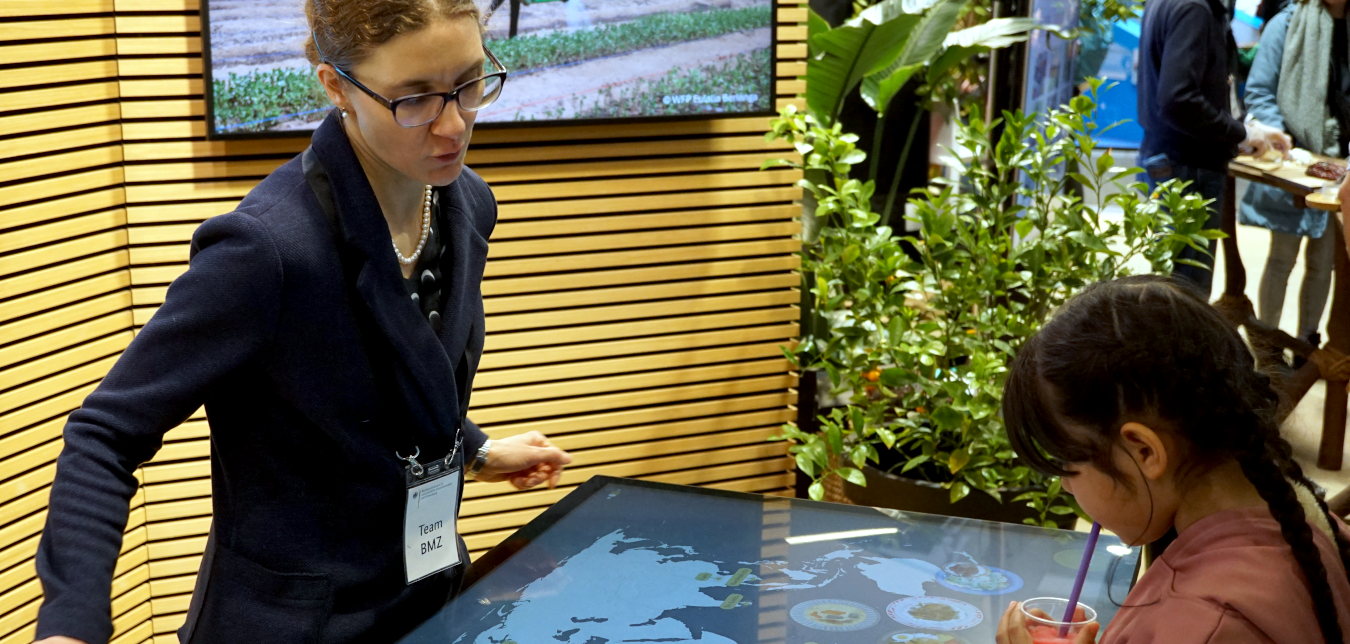
After the disruptions of the Second World War, Green Week re-established itself in a divided Berlin, gradually transforming into an international meeting place. Especially during the Cold War, its presence carried symbolic weight. Food supply, agricultural efficiency, and trade relations were political issues, and the fair offered a controlled but visible space for exchange across borders. Over time, the exhibition halls mirrored shifting priorities: from post-war food security to surplus management, from industrialization to quality, and later from quantity to sustainability (Messe Berlin).
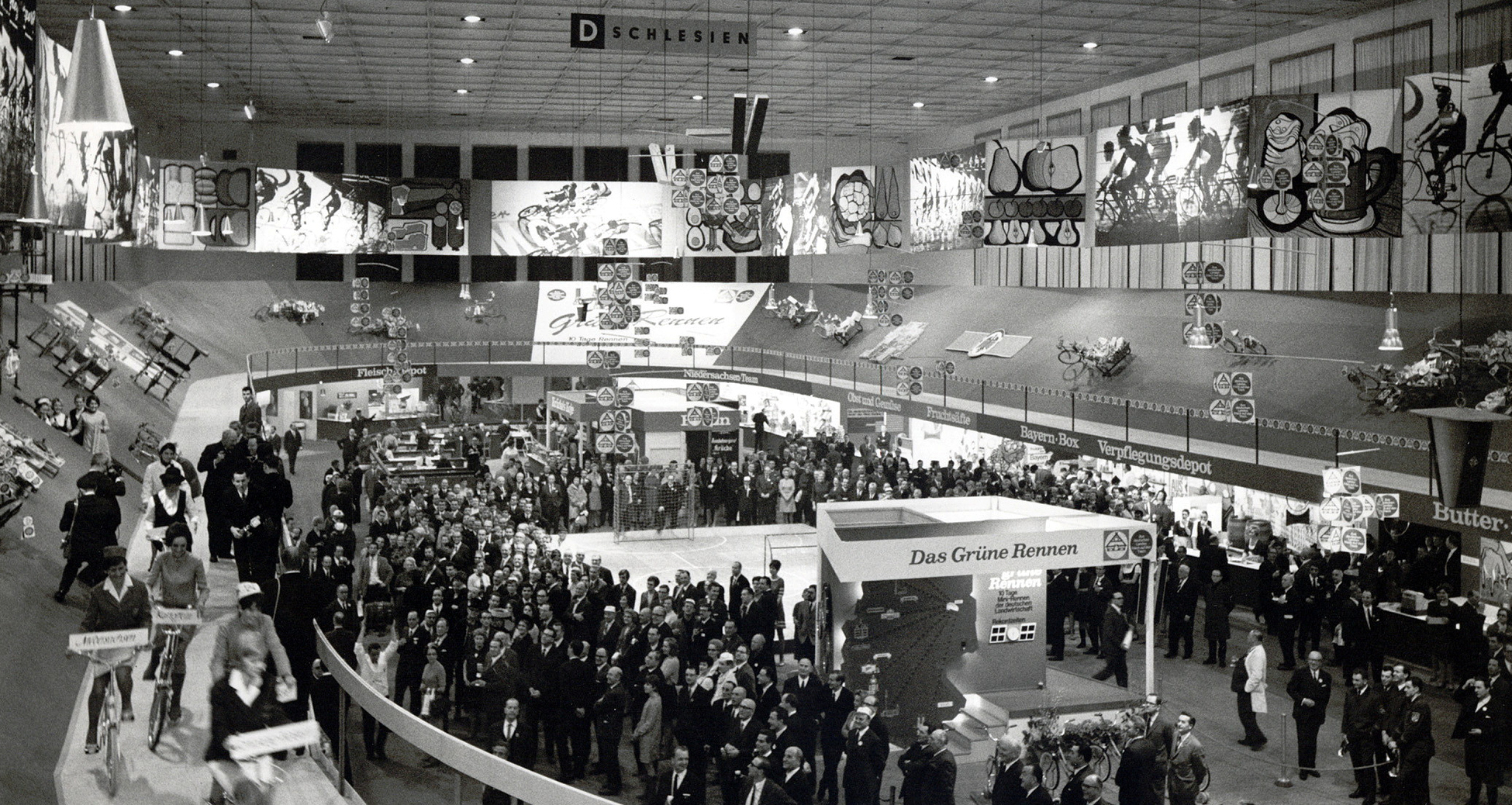
By the late twentieth century, Green Week had firmly positioned itself as a bridge between agriculture and society. This period marked the rise of consumer awareness around additives, origin labeling, and food safety. Debates that now seem commonplace—such as organic farming, regional sourcing, and animal welfare—were already gaining traction at Green Week long before they entered mainstream discourse. The fair thus functioned as an early indicator of changing expectations, translating abstract concerns into tangible products and practices (OECD).
Entering the twenty-first century, the scope of Green Week expanded further. Globalization reshaped food systems, supply chains grew longer and more complex, and international participation increased steadily. Partner countries became an essential element, allowing visitors to experience agricultural and culinary cultures beyond Europe. At the same time, the fair increasingly integrated political dialogue, with ministers, delegations, and international organizations using the platform to address pressing issues such as food security, climate resilience, and rural development (FAO; BMEL).
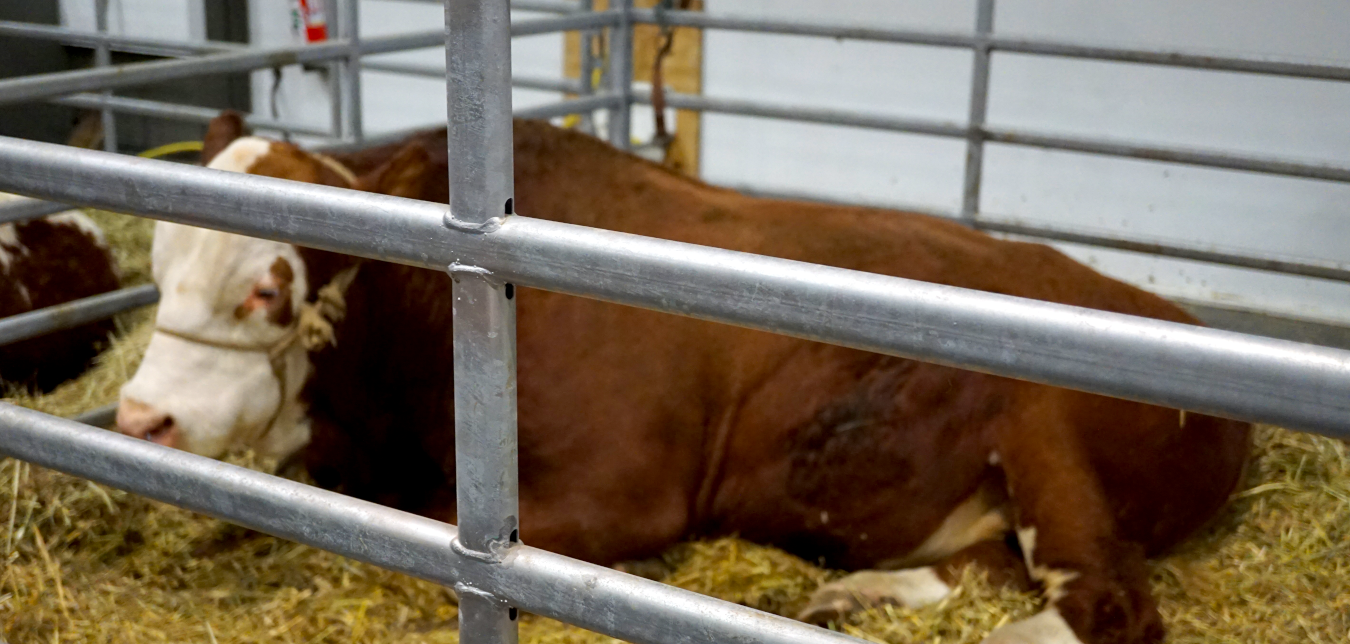
What distinguishes Green Week Berlin from many other agri-food fairs is its accessibility. Unlike strictly professional trade exhibitions, it remains open to the general public, inviting millions of visitors to engage directly with producers, regions, and innovations. This openness reinforces trust and allows societal debates to unfold in real time. New food concepts are not only explained but tasted, discussed, and evaluated on the spot, making the fair a living laboratory of consumer acceptance (Messe Berlin).
At the same time, Green Week has retained its role as a serious industry and policy forum. The Global Forum for Food and Agriculture (GFFA), held alongside the fair, underscores its political relevance. Here, agricultural ministers and experts negotiate positions on global challenges, while only a few halls away consumers explore regional specialties and international cuisines. This proximity of policy and practice is rare and remains one of the fair’s defining strengths (BMEL; FAO).
Against this backdrop, Green Week Berlin should not be viewed merely as an annual event, but as a long-running narrative about how societies relate to food. It documents shifts in taste, technology, and values, while offering continuity in an otherwise rapidly changing event landscape. In an era where exhibitions often come and go, Green Week’s persistence signals reliability and credibility. It is precisely this consistency that enables the fair to absorb new themes—from plant-based diets to digital farming—without losing its identity (OECD).
As this magazine feature explores the Green Week in greater depth, it will examine how historical roots inform contemporary relevance, how international comparisons highlight Berlin’s unique position, and how future-oriented debates are shaped by decades of accumulated experience. Green Week Berlin is not simply a reflection of agricultural trends; it is an active participant in shaping how food, farming, and society understand one another—yesterday, today, and in the years to come (Messe Berlin; BMEL).
From Agricultural Showcase to Global Leading Fair: A Century of Green Week History
While the historical foundations of Green Week Berlin explain its longevity, its continued relevance is rooted in its ability to mirror changing food cultures across generations. Few exhibitions document shifts in taste, lifestyle, and consumption as comprehensively as this fair. From the post-war decades to the present, the halls of Messe Berlin have reflected how food gradually transformed from a basic necessity into an expression of identity, ethics, and aspiration (Messe Berlin).
In the decades following economic recovery in Western Europe, Green Week increasingly showcased abundance rather than scarcity. Meat, dairy, and processed foods symbolized prosperity, and technological progress in agriculture was largely framed as a success story. Visitors encountered larger yields, standardized products, and modern packaging, all of which aligned with a societal belief in efficiency and growth. At the same time, regional specialties maintained a strong presence, anchoring industrial progress in cultural familiarity and tradition (BMEL).
By the 1980s and 1990s, subtle shifts became more visible. Consumers began to question the origins and composition of their food. Concerns about additives, pesticides, and industrial farming entered public discourse, and Green Week responded by giving space to emerging organic movements and alternative production models. What had once been niche topics gained visibility precisely because the fair allowed them to coexist alongside mainstream offerings, inviting comparison rather than confrontation (OECD).
This openness to parallel narratives remains one of Green Week’s defining qualities. Unlike events that strictly curate a single vision of the future, Green Week presents contradictions openly. Traditional farming methods stand next to high-tech solutions, while artisanal producers share halls with global corporations. This coexistence reflects real-world food systems, which are rarely linear or uniform. As a result, the fair functions less as a showcase of definitive answers and more as a forum where competing approaches are evaluated by professionals and consumers alike (Messe Berlin).
Entering the new millennium, food culture at Green Week became increasingly international. Migration, travel, and global trade reshaped consumer expectations, and the fair’s culinary offerings expanded accordingly. Visitors could experience spices, fruits, and processing techniques that were once considered exotic but gradually became part of everyday European cuisine. Partner countries played a key role in this development, using food as a cultural ambassador and a gateway to broader discussions about agriculture, climate, and trade relations (FAO).
At the same time, the role of storytelling grew in importance. Food was no longer presented solely through product characteristics, but through narratives of origin, craftsmanship, and responsibility. Farmers and producers increasingly positioned themselves as custodians of landscapes and traditions, while brands emphasized transparency and traceability. Green Week provided an ideal stage for these narratives, as it allowed direct interaction between producers and the public, reinforcing credibility through personal exchange (BMEL).
The past decade has further intensified these dynamics. Sustainability, once a peripheral topic, has become central. Climate change, biodiversity loss, and resource scarcity are now inseparable from discussions about food production. At Green Week, these issues manifest not only in conferences and policy forums, but also in product innovation. Plant-based alternatives, climate-resilient crops, and reduced-waste packaging illustrate how abstract challenges translate into concrete solutions competing for market acceptance (OECD).
What remains constant throughout these transformations is the fair’s role as a sensory space. Unlike digital platforms, Green Week engages taste, smell, and touch, enabling visitors to form immediate judgments. This sensory dimension is particularly relevant in times of rapid change, as it grounds innovation in experience. New concepts must not only align with ethical expectations, but also convince on a sensory level—a requirement that continues to shape which trends gain traction beyond the exhibition halls (Messe Berlin).
Seen in this light, Green Week Berlin does more than document food culture; it actively shapes it. By providing visibility, legitimacy, and feedback, the fair influences which ideas move from experimentation to mainstream adoption. Its strength lies in this continuous feedback loop between producers, policymakers, and consumers. As food culture continues to evolve, Green Week remains a space where these changes become tangible, negotiable, and socially embedded rather than abstract projections (BMEL; FAO).
Political Stage and Global Dialogue: Why Green Week 2026 Matters Worldwide
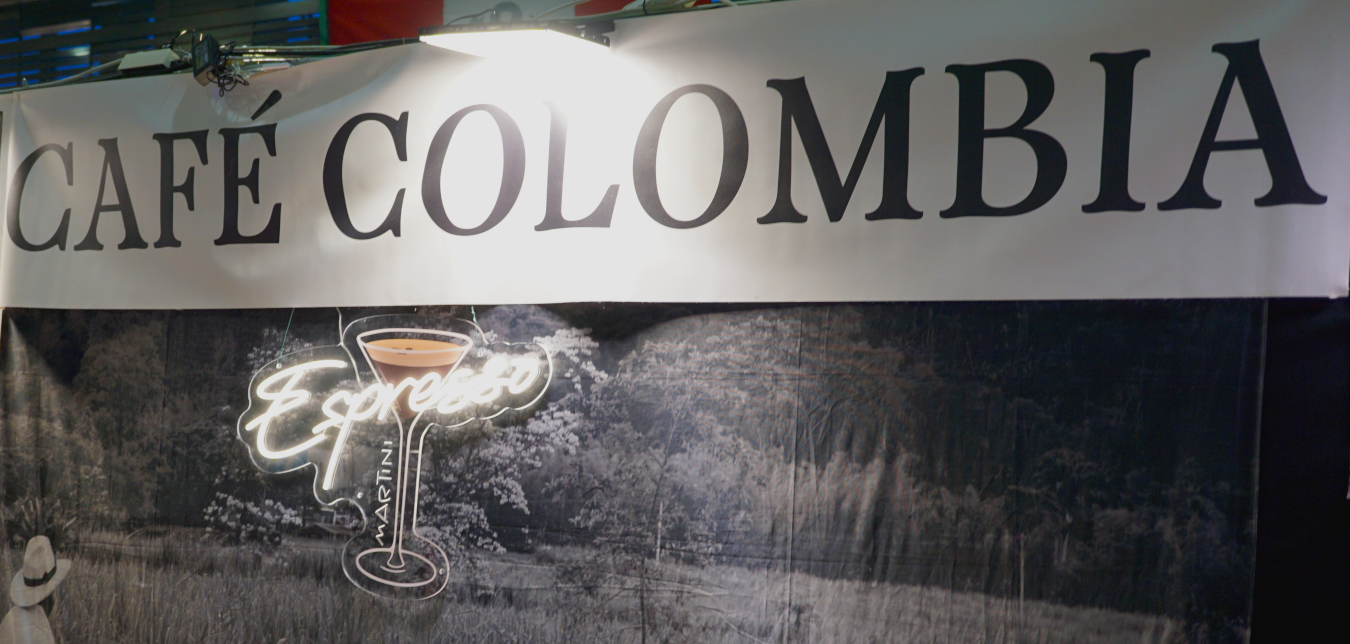
Beyond its role as a public exhibition, the International Green Week Berlin has long functioned as a political and diplomatic arena. Agriculture and food have never been purely economic sectors; they are deeply political fields shaped by regulation, subsidies, trade agreements, and societal expectations. Green Week’s significance lies in its ability to bring these dimensions together in a setting that is both formal and accessible, allowing political discourse to unfold alongside everyday food culture (BMEL).
Since the mid-twentieth century, the fair has increasingly attracted political decision-makers. Ministers, parliamentary representatives, and international delegations attend not only to observe innovations, but to position their countries and policies within a global context. This political visibility is institutionalized through formats such as the Global Forum for Food and Agriculture, which convenes annually during Green Week and addresses issues ranging from global food security to sustainable land use (BMEL; FAO).
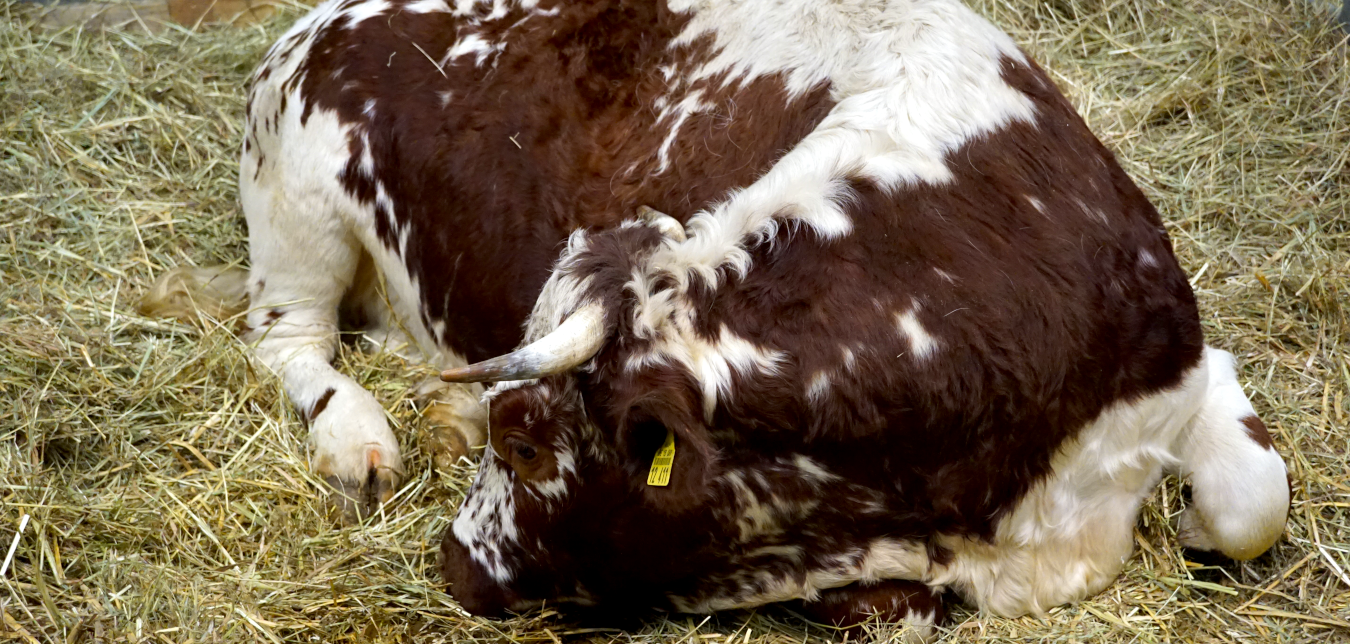
What distinguishes Green Week from purely political summits is its proximity to practice. Policy discussions do not take place in isolation, but within an environment where agricultural realities are on display. Exhibitors demonstrate how regulations translate into production methods, while consumers react to outcomes such as pricing, labeling, and availability. This immediacy creates a feedback loop that enriches political debate with tangible reference points, grounding abstract concepts in observable practice (OECD).
International participation further amplifies this effect. Over the decades, Green Week has welcomed partner countries from all continents, each presenting its agricultural systems, culinary traditions, and strategic priorities. These presentations often extend beyond marketing, serving as informal platforms for bilateral exchange. Trade relations, development cooperation, and technology transfer are frequently explored through food, as shared meals and tastings lower barriers and foster trust (FAO).
The geopolitical relevance of such encounters has increased in recent years. Global food systems are increasingly exposed to external shocks, including climate extremes, pandemics, and conflicts. Green Week provides a recurring moment of convergence where these challenges are assessed collectively. While the fair itself does not produce binding agreements, it contributes to agenda-setting by highlighting emerging risks and showcasing adaptive strategies already in use (BMEL).
At the European level, Green Week also reflects the evolution of agricultural policy. Reforms of the Common Agricultural Policy, debates about subsidy allocation, and discussions on environmental standards find resonance within the exhibition. Farmers’ associations, NGOs, and industry representatives use the fair to articulate positions, test narratives, and engage with policymakers in an environment that encourages dialogue rather than confrontation (OECD).
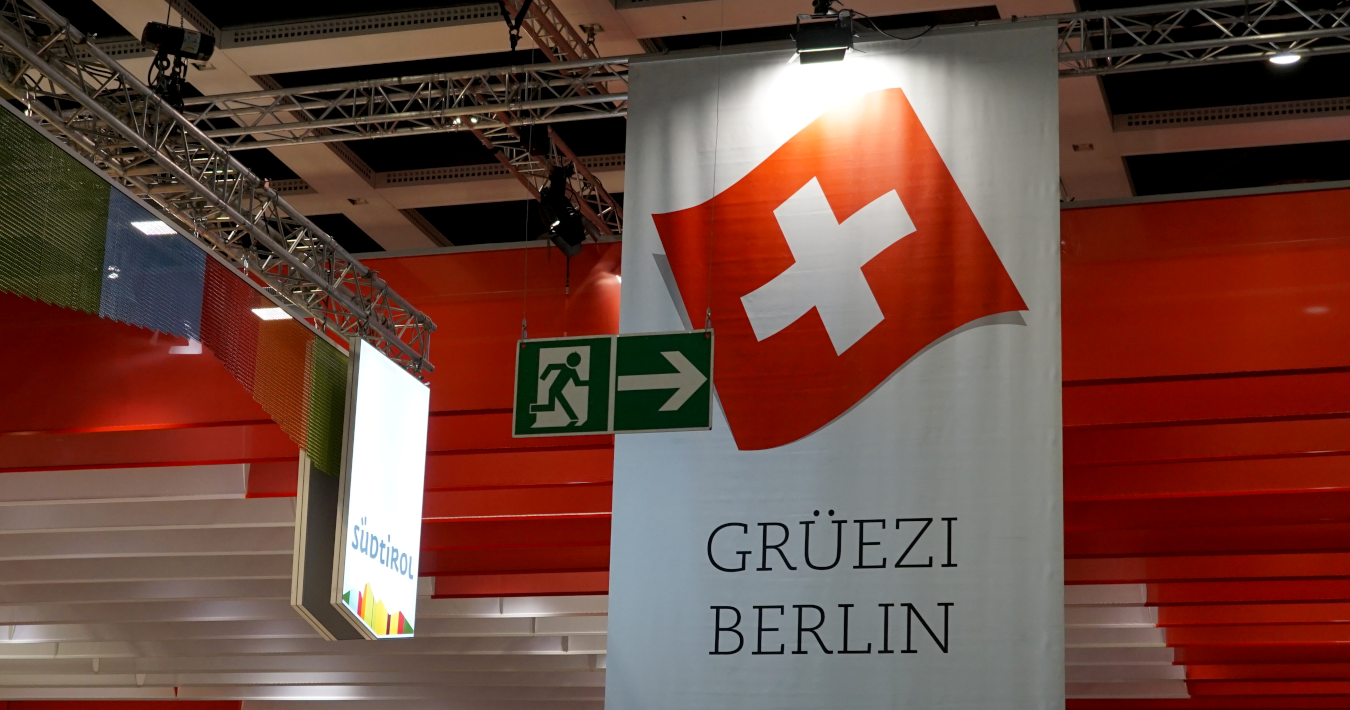
This interplay between national, European, and global perspectives underscores the fair’s unique positioning. Unlike events that focus exclusively on export promotion or technological advancement, Green Week situates agriculture within a broader societal framework. Food is presented as a strategic resource, a cultural asset, and a political responsibility simultaneously. This multidimensional framing resonates with contemporary audiences who increasingly expect coherence between policy goals and everyday consumption (Messe Berlin).
Over time, the fair has also adapted to changing modes of political communication. Public panels, guided tours, and informal encounters complement traditional press conferences and closed-door meetings. Social media and digital reporting extend the reach of these interactions, allowing debates initiated at Green Week to resonate far beyond Berlin. Yet the physical gathering remains central, as personal presence continues to shape trust and credibility in political exchange (BMEL).
In this sense, Green Week Berlin functions as a soft power instrument. It projects images of agricultural competence, openness, and responsibility, influencing perceptions without coercion. Countries and regions use the fair to position themselves as reliable partners in an increasingly fragmented global landscape. The consistent return of delegations year after year highlights the value attributed to this platform, despite the proliferation of alternative forums (FAO).
Ultimately, the political dimension of Green Week reinforces its broader significance. By embedding policy discourse within a public, sensory, and cultural setting, the fair ensures that agriculture remains connected to society at large. It reminds decision-makers that food policy is inseparable from public trust, and it allows citizens to witness how global challenges translate into national and local strategies. This reciprocal visibility is a defining feature of Green Week Berlin and a key reason for its enduring relevance in global agri-food governance (BMEL; OECD).
Innovation, Startups and the Future of Food: Key Topics at Green Week 2026
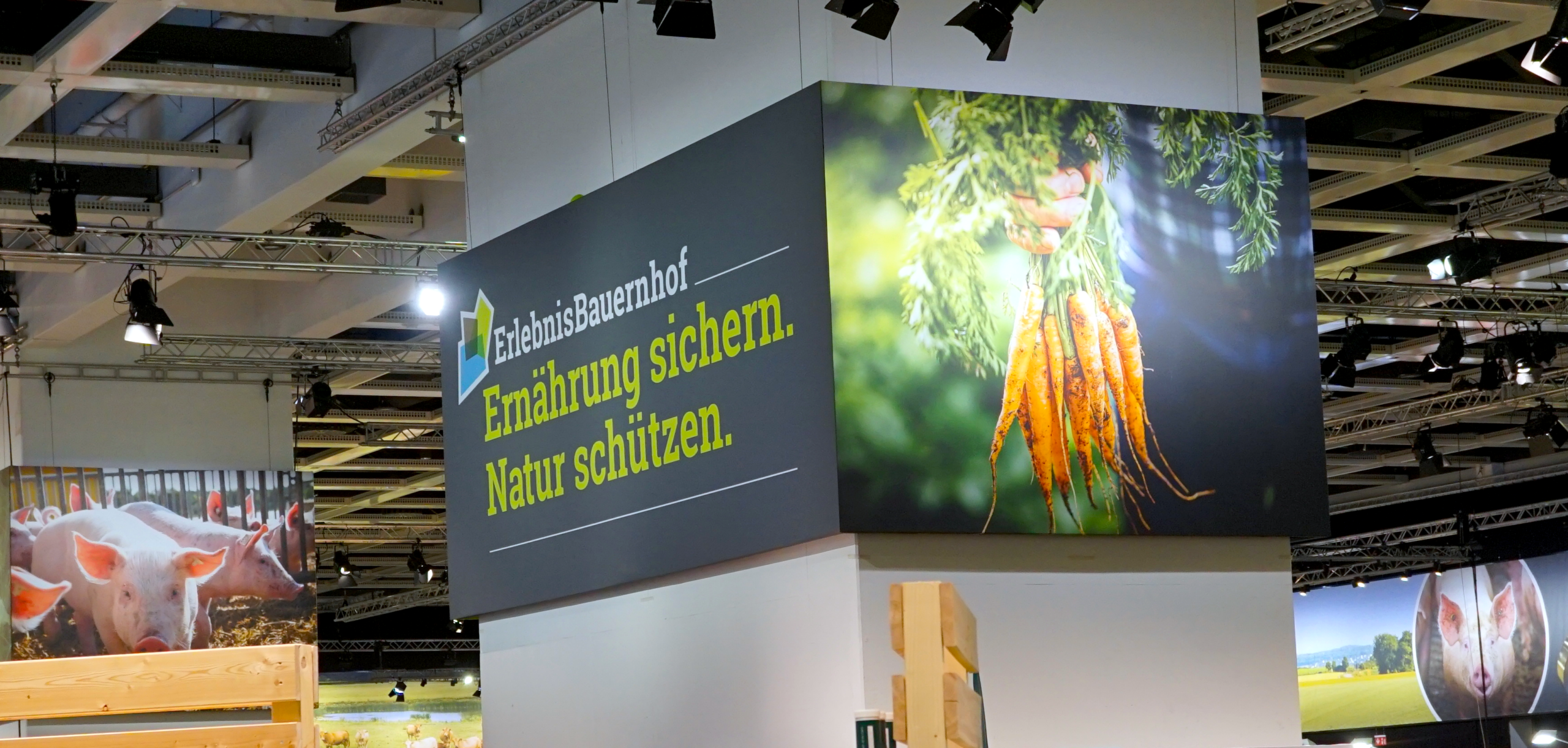
Innovation has always been a visible, if evolving, component of the International Green Week Berlin. Yet the meaning of innovation within the fair has changed significantly over time. Where technological progress once focused primarily on maximizing output and efficiency, contemporary innovation at Green Week increasingly addresses resilience, sustainability, and social acceptance. This shift reflects broader transformations in agriculture and food systems, positioning the fair as a space where future-oriented solutions are tested against real-world expectations (Messe Berlin).
In recent decades, sustainability has emerged as the dominant framework through which innovation is evaluated. Environmental impact, resource efficiency, and climate adaptation now shape product development and policy discourse alike. At Green Week, these themes are not confined to expert panels; they are embedded within the exhibition itself. From alternative proteins to regenerative farming concepts, innovations are presented in forms that invite direct comparison, enabling visitors to assess feasibility and desirability simultaneously (BMEL).
The fair’s openness to the public plays a crucial role in this process. Unlike closed industry conferences, Green Week exposes innovations to immediate consumer feedback. This exposure can accelerate acceptance, but it can also reveal skepticism. Products that align with sustainability narratives yet fail to convince on taste, usability, or price face critical scrutiny. In this way, Green Week functions as an early filter, distinguishing between concepts with genuine market potential and those that remain theoretical (OECD).
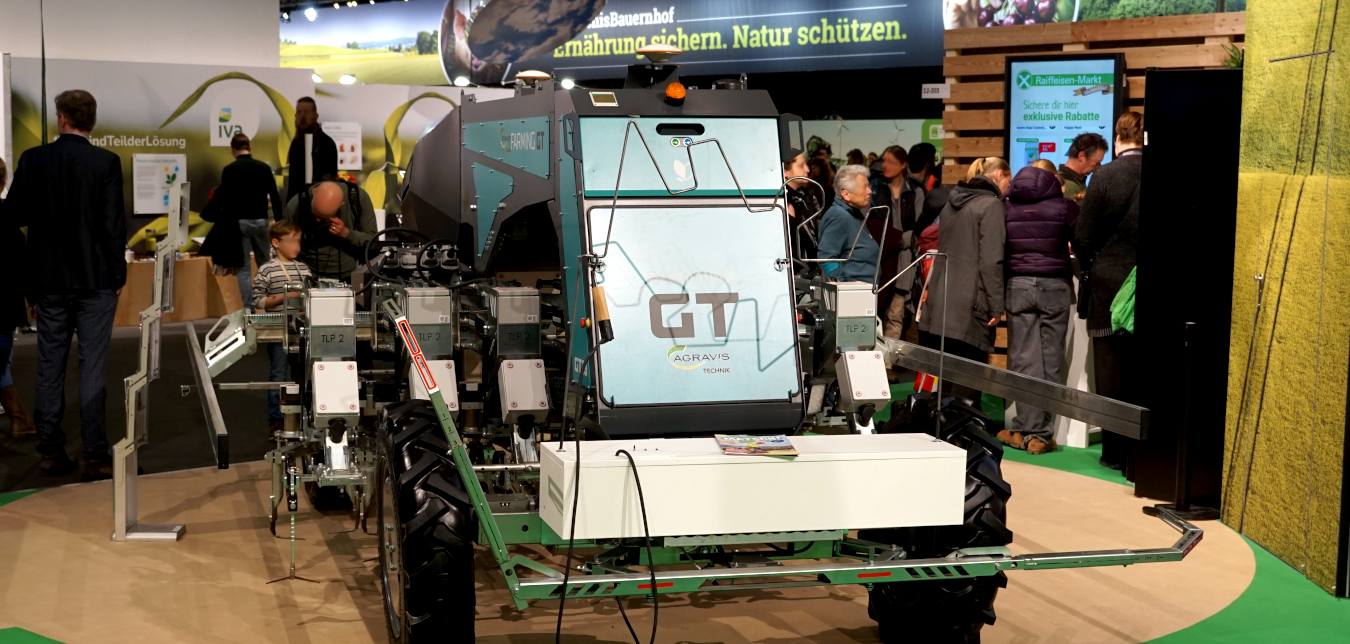
Digitalization represents another key dimension of innovation at the fair. Precision agriculture, data-driven supply chains, and traceability systems increasingly feature in exhibitions and demonstrations. While such technologies often operate behind the scenes, Green Week translates them into accessible narratives, showing how digital tools influence food safety, transparency, and efficiency. This translation is essential for building public understanding and trust, particularly as data-driven systems become more prominent in everyday food production (FAO).
At the same time, innovation at Green Week is not limited to high-tech solutions. Social and organizational innovations play an equally important role. New cooperative models, regional value chains, and direct-to-consumer approaches challenge established structures and offer alternatives to highly centralized systems. By giving these initiatives visibility alongside multinational corporations, the fair acknowledges that innovation can take multiple forms and emerge from diverse actors (Messe Berlin).
The future-facing role of Green Week is also shaped by its engagement with younger generations. Educational programs, interactive exhibits, and targeted communication strategies aim to connect agricultural topics with audiences whose relationship to food is often mediated by urban lifestyles and digital platforms. By fostering curiosity rather than prescribing behavior, the fair seeks to bridge generational gaps and encourage informed engagement with complex issues such as sustainability and nutrition (BMEL).
Looking ahead, the relevance of Green Week will depend on its ability to balance continuity with adaptation. As global challenges intensify, expectations toward agriculture and food systems will continue to rise. Green Week’s strength lies in its capacity to integrate new themes without abandoning its core identity. This adaptability has allowed the fair to remain credible across decades of change, suggesting that it will continue to serve as a reference point even as formats and technologies evolve (OECD).
Importantly, the fair’s future is not solely determined by innovation itself, but by how innovation is communicated and contextualized. Green Week provides a setting where technological advances are framed within cultural, ethical, and political narratives. This framing helps prevent innovation from becoming detached from societal values, reinforcing the idea that progress in food systems must be measured not only in efficiency gains, but in trust and legitimacy (FAO).
In this respect, Green Week Berlin occupies a distinct position between experimentation and tradition. It offers a space where future-oriented ideas are grounded in familiar contexts, allowing audiences to engage without alienation. This mediating function will likely grow in importance as food systems face increasing pressure to transform rapidly. By maintaining its role as an accessible, credible, and dialog-oriented platform, Green Week can continue to shape how innovation in agriculture and food is understood, evaluated, and ultimately adopted (Messe Berlin; BMEL).
Taste, Regions and Experiences: Why Green Week Captivates Visitors
The enduring relevance of the International Green Week Berlin is inseparable from its relationship with society at large. While agriculture and food policy provide structural foundations, it is consumer perception and cultural meaning that ultimately determine how food systems evolve. Green Week occupies a rare position at this intersection, offering a space where societal expectations are both expressed and shaped through direct engagement with food and its producers (Messe Berlin).
Over time, the fair has reflected changing lifestyles and consumption patterns. In earlier decades, food was often framed through abundance and convenience, mirroring post-war optimism and industrial progress. Today, the narrative has shifted toward responsibility, authenticity, and experience. Visitors increasingly seek products that align with personal values, whether related to environmental impact, animal welfare, or regional identity. Green Week responds to these expectations by enabling dialogue rather than prescribing norms, allowing diverse interpretations of “good food” to coexist (BMEL).

This openness is particularly visible in the fair’s sensory landscape. Tasting, smelling, and observing remain central modes of interaction, reinforcing the idea that food culture is embodied rather than abstract. These sensory encounters create emotional connections that influence purchasing decisions and long-term attitudes. In this way, Green Week functions as a cultural mediator, translating complex debates into experiences that resonate beyond technical detail (OECD).
The social dimension of Green Week is also evident in its role as a meeting place. Families, professionals, policymakers, and tourists share the same spaces, blurring boundaries between expert knowledge and everyday experience. This inclusivity fosters a sense of participation and ownership, reinforcing the perception of food systems as a shared societal responsibility. Unlike exclusive trade events, Green Week maintains legitimacy precisely because it remains accessible and relatable (Messe Berlin).

Cultural identity plays a central role in this dynamic. Regional cuisines, traditional processing methods, and local narratives provide continuity in a globalized food landscape. At the same time, international participation introduces diversity and exchange, challenging static notions of culinary heritage. Green Week facilitates this interplay by presenting food culture as both rooted and evolving, allowing traditions to adapt without losing significance (FAO).
Media coverage amplifies these cultural processes. Reporting from Green Week often extends beyond product announcements to broader reflections on societal trends. Images and stories from the fair circulate widely, shaping public discourse on food and agriculture. This media resonance reinforces the fair’s influence, as debates initiated in Berlin reverberate nationally and internationally, contributing to the formation of collective narratives around consumption and responsibility (BMEL).
In recent years, the cultural role of Green Week has gained additional importance amid growing polarization around food-related issues. Dietary choices, agricultural practices, and sustainability measures increasingly intersect with identity and ideology. Green Week offers a space where these tensions can be observed and discussed in a comparatively low-threshold environment. By emphasizing encounter over confrontation, the fair encourages nuanced engagement with complex topics (OECD).
Looking forward, the societal significance of Green Week is likely to intensify rather than diminish. As food systems face pressure to transform rapidly, the need for platforms that foster understanding and trust becomes more acute. Green Week’s ability to combine sensory experience with dialogue positions it well to fulfill this role. Its continued openness to diverse voices, coupled with its institutional stability, enables it to remain a credible arena for societal negotiation around food (Messe Berlin).
Ultimately, the cultural impact of Green Week Berlin lies in its capacity to make food visible as more than a commodity. It presents food as a medium through which societies express values, negotiate change, and imagine futures. By sustaining this perspective across generations, Green Week contributes to a collective understanding of food that is both reflective and forward-looking. This cultural continuity, grounded in public participation, remains one of the fair’s most distinctive and enduring contributions (BMEL; FAO).
An Economic Powerhouse with a Future: Green Week Beyond Its 100th Anniversary
Looking ahead, the International Green Week Berlin occupies a position that very few trade fairs worldwide can credibly claim: it is not merely an annual exhibition, but a long-term cultural and economic reference point for food, agriculture, and consumer trends. While many international agri-food fairs emerge, rebrand, merge, or disappear after a few decades, Green Week has demonstrated a level of continuity that makes it both an anchor of stability and a reliable barometer for change (BMEL, Messe Berlin).
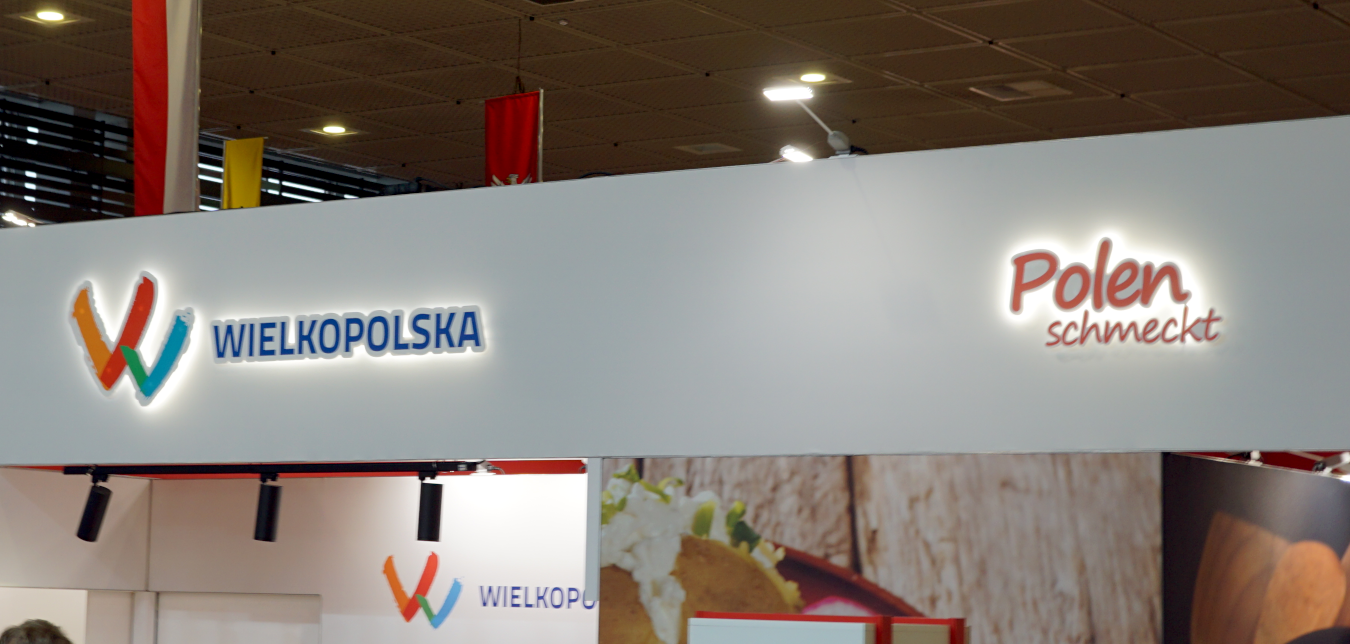
In the global context, comparable events certainly exist. The Salon International de l’Agriculture in Paris, for example, is deeply rooted in national agricultural identity and enjoys strong public visibility. In Asia, events such as Foodex Japan focus more strongly on export-oriented food innovation and international sourcing. In North America, large-scale conventions like the World Ag Expo emphasize machinery, productivity, and industrial agriculture. What distinguishes Green Week Berlin from these counterparts is not size alone, but its hybrid nature: it consistently combines consumer experience, political discourse, agricultural practice, and culinary culture under one roof (Messe Berlin; FAO).
This integrative approach becomes increasingly relevant as global food systems face overlapping challenges. Climate volatility, supply chain disruptions, geopolitical tensions, and shifting consumer expectations all converge at the point where food is produced, processed, marketed, and consumed. Green Week does not solve these issues, but it stages them visibly and accessibly. The presence of ministries, international delegations, producer associations, startups, and consumers in the same halls creates a density of perspectives rarely found elsewhere (BMEL; OECD).
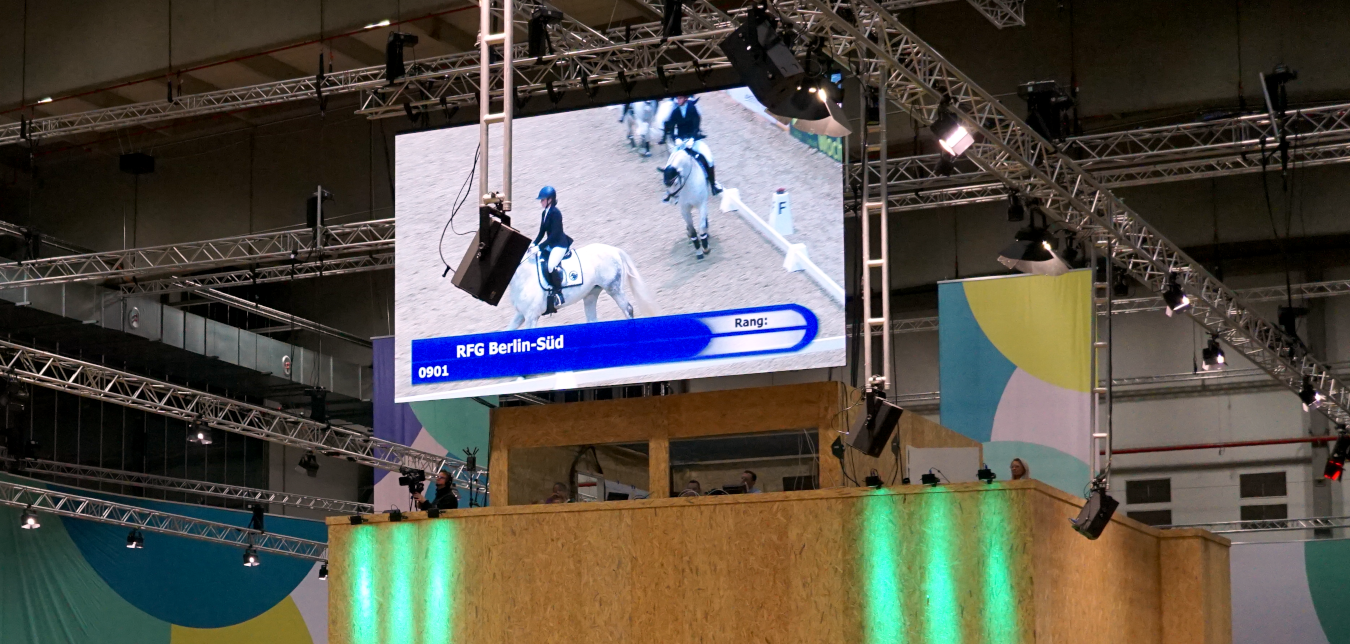
From a contemporary standpoint, Green Week’s strength lies in its ability to translate abstract debates into tangible experiences. Sustainability is not discussed only in panel discussions; it is tasted, smelled, and compared. Alternative proteins are not presented as theoretical models, but as real products competing for acceptance. Regional identity is not reduced to marketing language, but expressed through origin labeling, traditional processing methods, and storytelling at the stand level. This sensory immediacy remains one of the fair’s defining characteristics and a key reason for its continued relevance (Messe Berlin).
Looking toward the future, the role of Green Week Berlin is likely to evolve rather than diminish. Digitalization, for example, will not replace physical presence, but it will increasingly extend the fair’s reach beyond its ten days in January. Hybrid formats, digital matchmaking, and year-round content platforms can reinforce Green Week as a permanent point of reference rather than a one-off event (Messe Berlin). At the same time, the physical fairground remains essential, because food culture ultimately depends on trust, proximity, and sensory validation.
Another defining factor will be international cooperation. Partner countries have long been a central element of Green Week, but their role may deepen further as global food security and agricultural resilience become shared responsibilities. Rather than purely promotional appearances, future partner country concepts may increasingly focus on joint solutions, technology transfer, and knowledge exchange. In this sense, Green Week can serve as a neutral platform where global differences are not flattened, but productively negotiated (FAO; BMEL).
It is precisely this balance between tradition and adaptation that underlines the fair’s exceptional position. Green Week Berlin does not chase trends blindly, nor does it freeze itself in nostalgia. Instead, it absorbs societal change at a measured pace, integrating new themes into a framework that audiences recognize and trust. This long-term consistency is increasingly rare in an event landscape driven by short attention cycles and rapid turnover (OECD).
In conclusion, the International Green Week Berlin stands out not because it is the loudest or most radical agri-food fair in the world, but because it is one of the most resilient. Its ability to connect everyday food culture with global agricultural policy, to bridge consumer curiosity and professional expertise, and to maintain relevance across generations makes it a unique institution. In a world of accelerating change, this reliability may well be its most valuable asset—and a reason why Green Week will continue to matter, not only for Germany, but for the international food community as a whole (Messe Berlin; BMEL).
Final Day Summary Green Week 2026 (25 January)
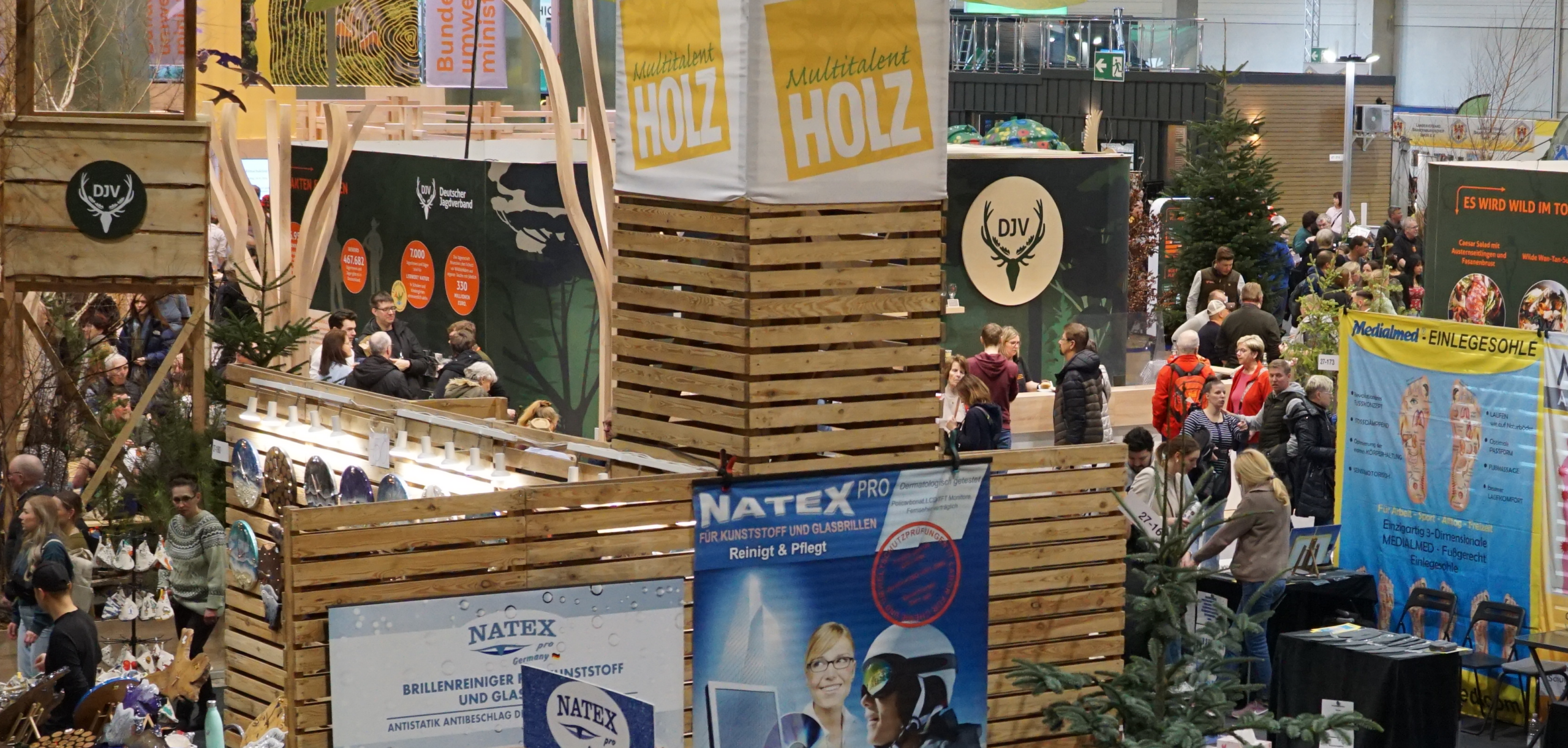
On 25 January 2026, the centenary edition of the International Green Week Berlin concluded after ten feature-rich days. The final day was marked by both tradition and innovation, blending solemn community moments with dynamic programming that showcased the fair’s diversity. An ecumenical service at the ErlebnisBauernhof, conducted by senior religious leaders alongside representatives from the Berlin Food Bank, set a reflective tone for the closing day (Messe Berlin, Closing Report 2026; Grüne Woche Update Day 10).
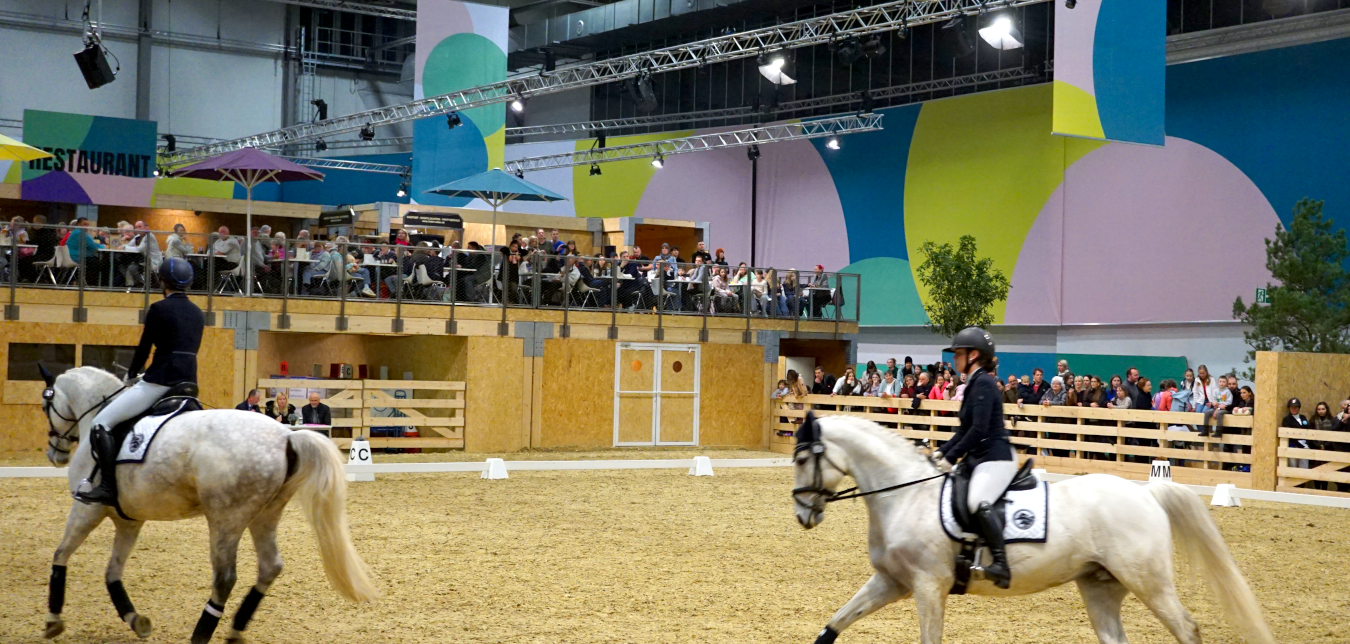
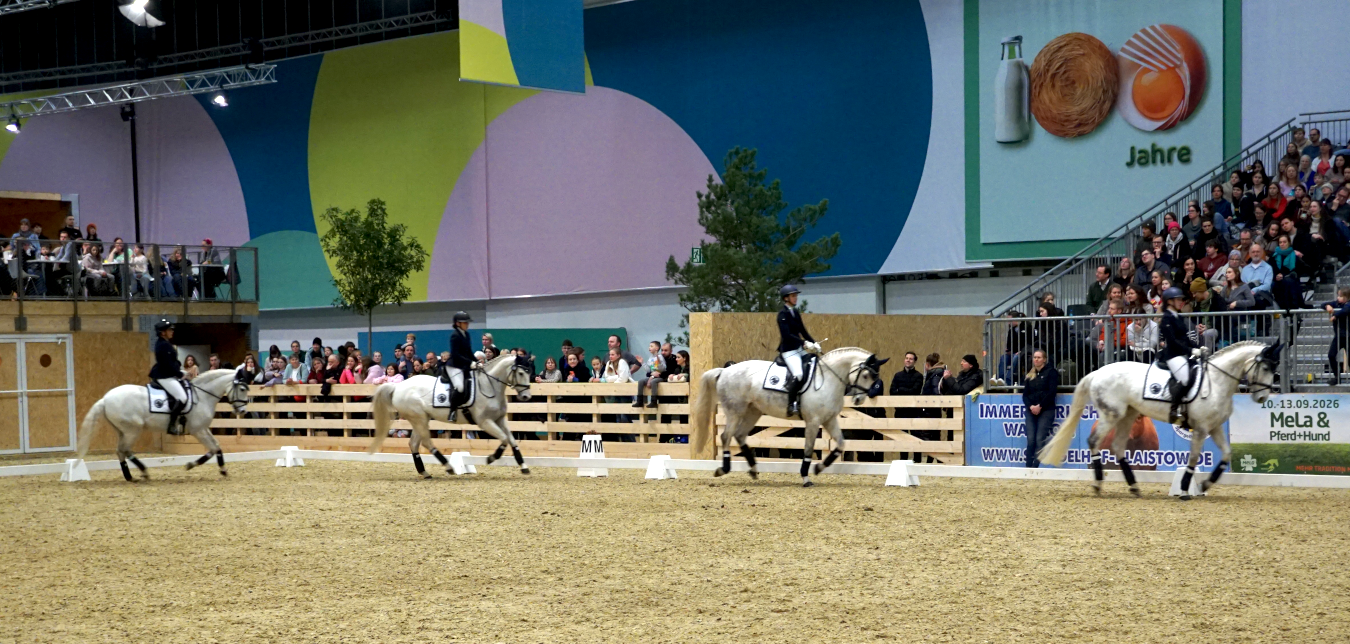
Key highlights included the final competitions of Hippologica, featuring show jumping, combined obstacle trials, and a hobby-horsing championship – illustrating both classical equestrian sport and contemporary leisure engagement. A spirited sawing duel on the Green Week stage offered entertainment, while the event partner Mecklenburg-Western Pomerania celebrated its 25-year association with the trade fair by giving away a curated selection of its local products (Grüne Woche Update Day 10).
The traditional wine sector was prominently featured with tastings and demonstrations from Pfalz and Baden-Württemberg, including a live cooking show by TV chef Eberhard Braun that highlighted local delicacies. South American culinary narratives were celebrated as couples presented Alfajores and Pisco, framing food as a medium of cultural exchange (Grüne Woche Update Day 10).
Throughout the fair, the Green Week lived up to its role as a nexus of agriculture, food culture, and public discourse. Estimated attendance reached about 350,000 visitors, exceeding projections by approximately 40,000 compared with the previous year – a clear testament to the event’s continuing appeal and relevance at its 100th anniversary (preliminary figures reported by dpa/press) .
Visitor feedback confirmed high satisfaction, with more than 90 % of surveyed attendees reporting a very positive experience and indicating they would recommend the event to others. This broad endorsement highlights the Green Week’s successful balance between professional relevance and public engagement.
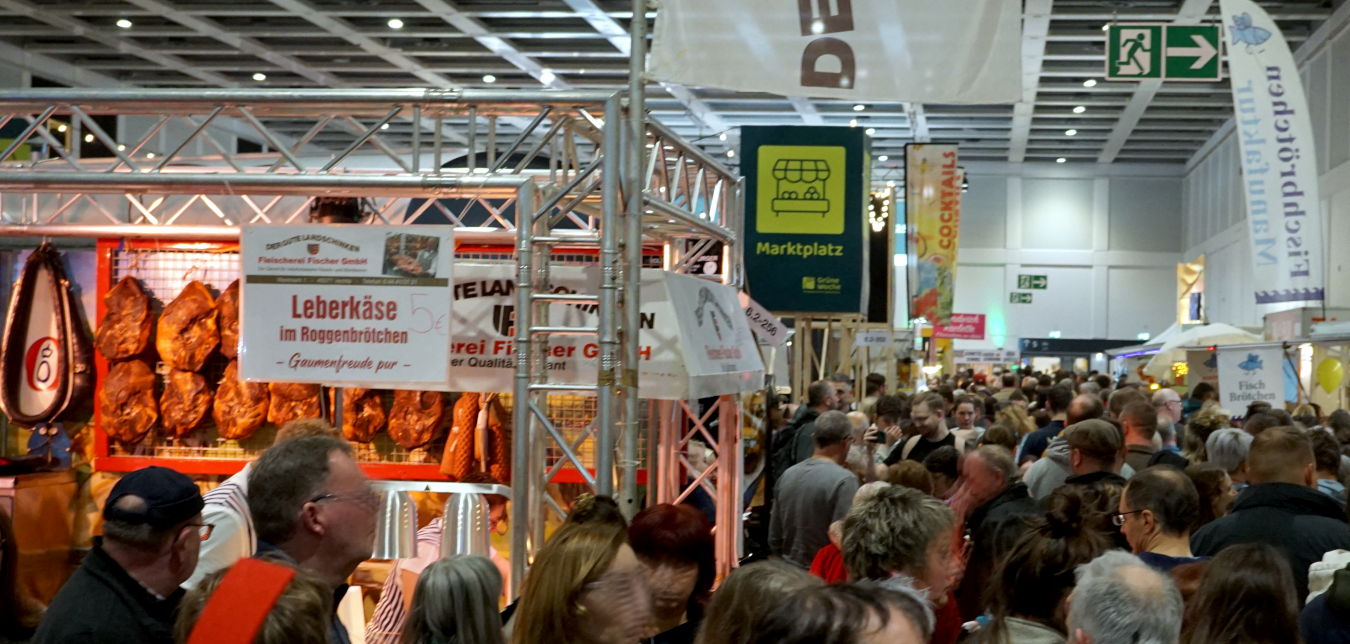
Regional economic impact was also notable: exhibitors, particularly from Brandenburg, reported record sales and strong demand, underscoring the trade fair’s importance for small and medium enterprises and its role as a marketplace for regional producers (regional exhibitor news) .
Politically, the week maintained its significance as a high-level dialogue platform. Government officials, EU commissioners, and international delegates engaged with pressing topics – from agricultural policy to sustainability and global food security – reinforcing the event’s strategic relevance. The synchronous interaction of policy discussion and industry practice was evident even on the final day.
Conclusion: The International Green Week Berlin 2026 demonstrated that it remains far more than a traditional trade fair. It stood as a global meeting place for politics, business, and society, facilitating meaningful exchange on the future of food, farming, and sustainable development. High attendance, strong political presence, and a diverse program make the 2026 edition a benchmark for future events.
Note on sources, copyright, and editorial diligence
Institutional and Official Sources
- BMEL – Federal Ministry of Food and Agriculture (Germany)
Agricultural policy reports, national food strategies, background publications on the International Green Week Berlin and the Global Forum for Food and Agriculture (GFFA), status 2024–2026. - European Commission
Common Agricultural Policy (CAP), EU Food System Transformation, sustainability and agricultural policy frameworks, official publications and policy documents, 2022–2025. - FAO – Food and Agriculture Organization of the United Nations
International reports and analyses on global agriculture, food systems, food security, sustainability, and rural development, publications 2022–2024. - OECD – Organisation for Economic Co-operation and Development
Agriculture Outlooks, studies on sustainable food markets, societal impacts of agriculture, and food system transformation, publications 2022–2024. - GFFA – Global Forum for Food and Agriculture
Official documentation and final declarations of the Berlin Conferences of Agriculture Ministers, including the 18th Ministerial Conference, January 2026.
Trade Fair and Organizer Sources
- Messe Berlin GmbH
International Green Week Berlin historical archive, exhibitor profiles, fair concepts, annual reports (2023–2026), strategy papers, political reviews, visitor surveys and preliminary final reports for Green Week 2026.
Media and Statistical Sources
- dpa – Deutsche Presse-Agentur
Reporting on visitor numbers, attendance figures, and general coverage of the International Green Week Berlin 2026, January 2026 (preliminary figures). - Federal Statistical Office of Germany (Destatis)
Agricultural production, consumption, and structural data used for contextual reference.
Regional Media Berlin–Brandenburg
Exhibitor performance, regional economic impact reports, and coverage of Green Week 2026, January 2026.
AI-supported systems were used during the research for this article, including OpenAI ChatGPT, Google Gemini, and Anthropic Claude. AI was used exclusively as an aid. The selection, evaluation, editorial classification, structuring, and formulation, as well as the review of content and compliance with journalistic due diligence and copyright requirements, were and remain the responsibility of the publisher.