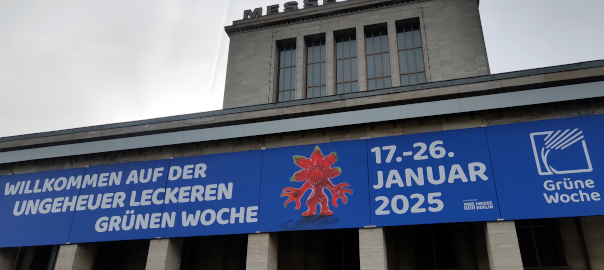
Year after year – including in 2025 – Green Week once again drew us into the halls of Messe Berlin. As always, there was plenty to see: much that was familiar, but also quite a bit that was new, surprising, and this year, seemingly an incredible abundance of sweets.
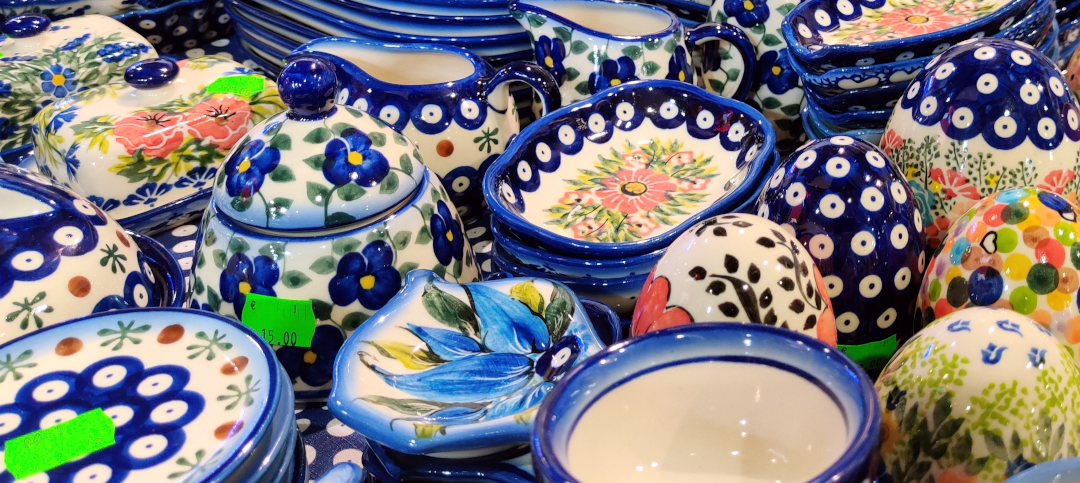
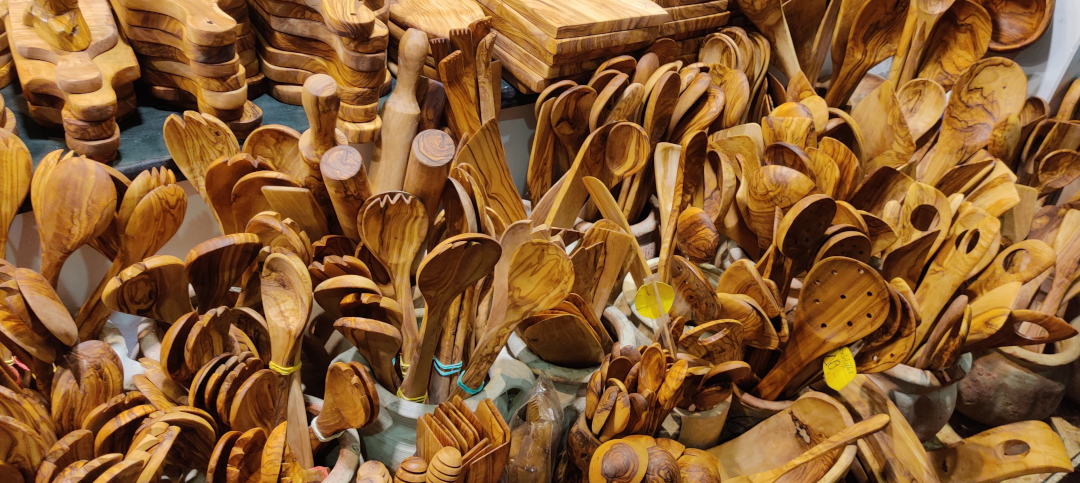
There were once again numerous handcrafted products – made of glass, ceramic, and metal – with recycled and upcycled materials continuing to enjoy strong popularity.
Right at the beginning of the fair, we discovered Walnussmeisterei Böllersen. One can hardly imagine how many different varieties of walnuts exist – and how distinct their characteristics can be, particularly in terms of aroma and culinary properties.
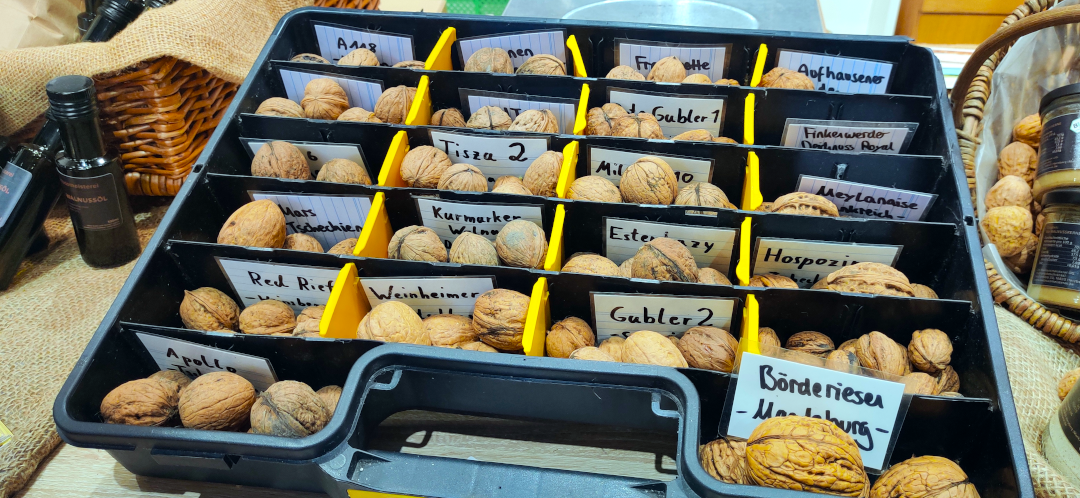
Quite apart from their size, appearance, and the quantity of delicious kernel inside. It is also fascinating that there are even walnuts pickled in their shells, served in wafer-thin slices with special dishes – not merely as garnish, but for their flavour.
With Urstrom Jersey’s, we unexpectedly came across a true culinary gem at Green Week.
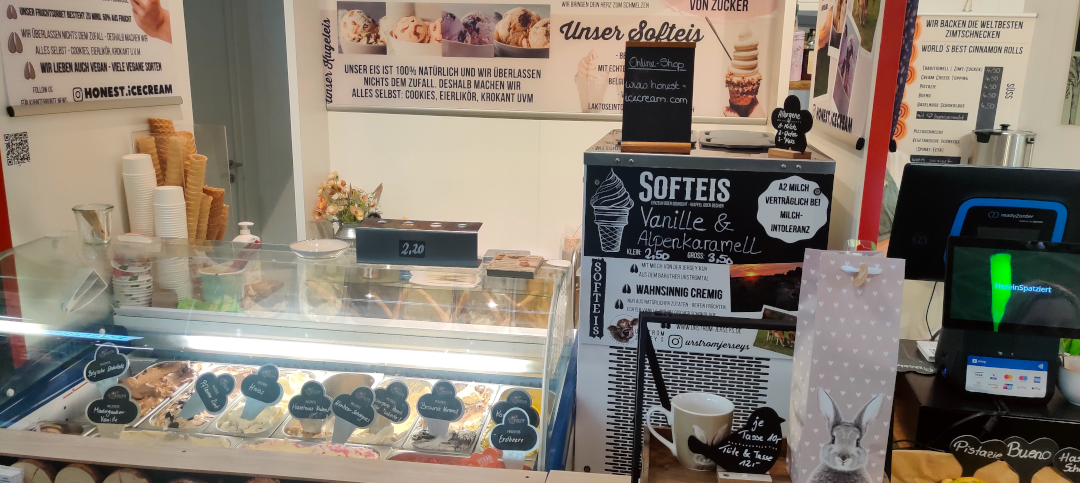
This small ice cream manufactory produces its most fantastic varieties in a glass-fronted workshop, using organic ingredients sourced in part from its own farm dairy.
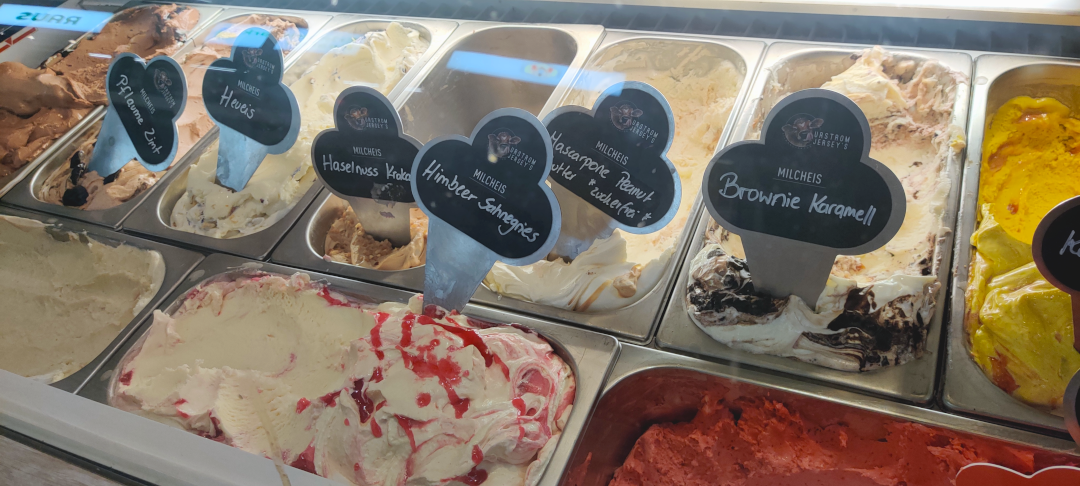
Combined with its in-house bakery, there are virtually no limits in the world of desserts at Urstrom Jersey’s – bravo.
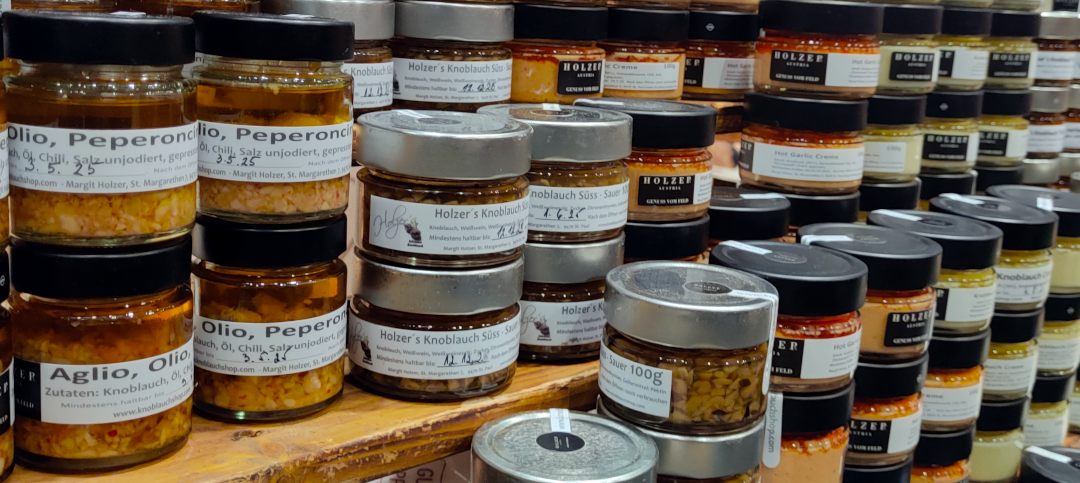
Flavoured salts and exotic pepper varieties were also on trend this year – in essence, a mix of the new and the reimagined old – yet always revolving around “the spice of life.”
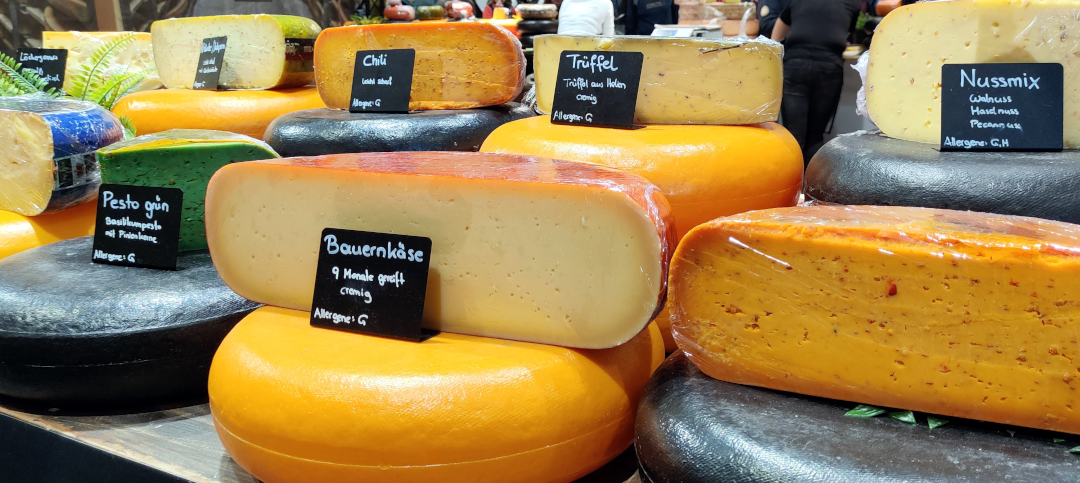
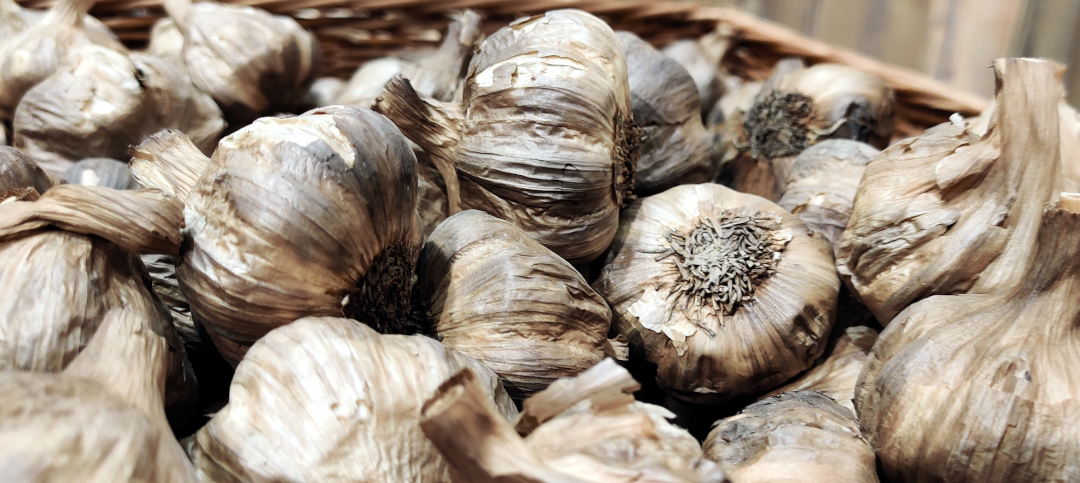
Alongside an almost unbelievable variety of sausages, hams, and cheeses, black garlic could be found here and there. However, little seemed to remain of the hype of recent years – at least at the fair.
A MUST for us at every visit to Messe Berlin is, of course, at least one stop at one of Thomas Poppe’s food trucks.
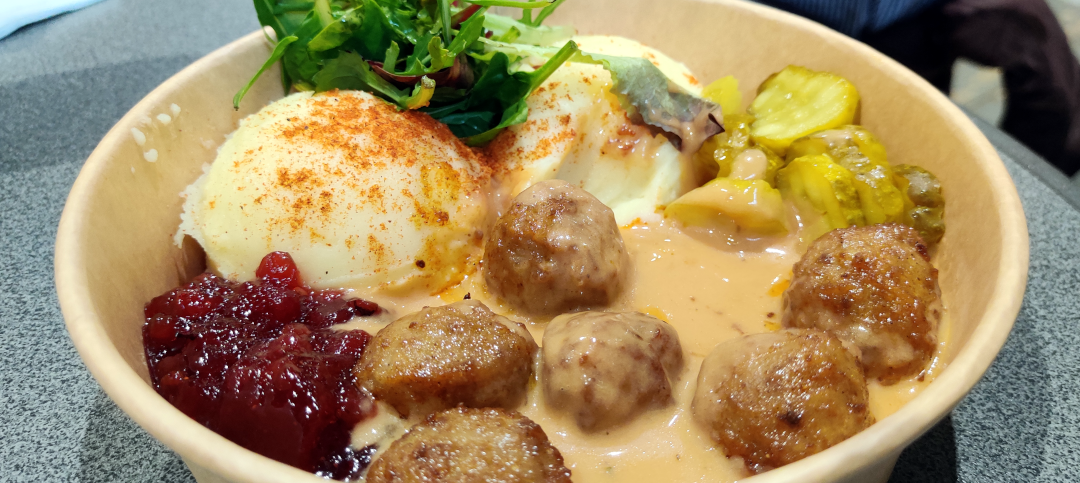
“Der alte Schwede” and his delicious hot dog wraps – as well as the Köttbullar (Swedish meatballs, who doesn’t know them?) – have simply become part of the experience.
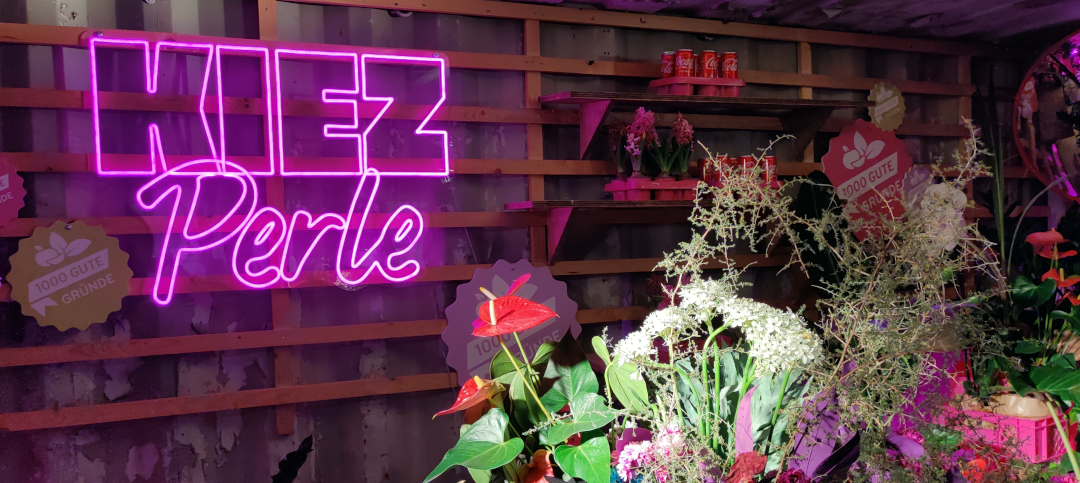
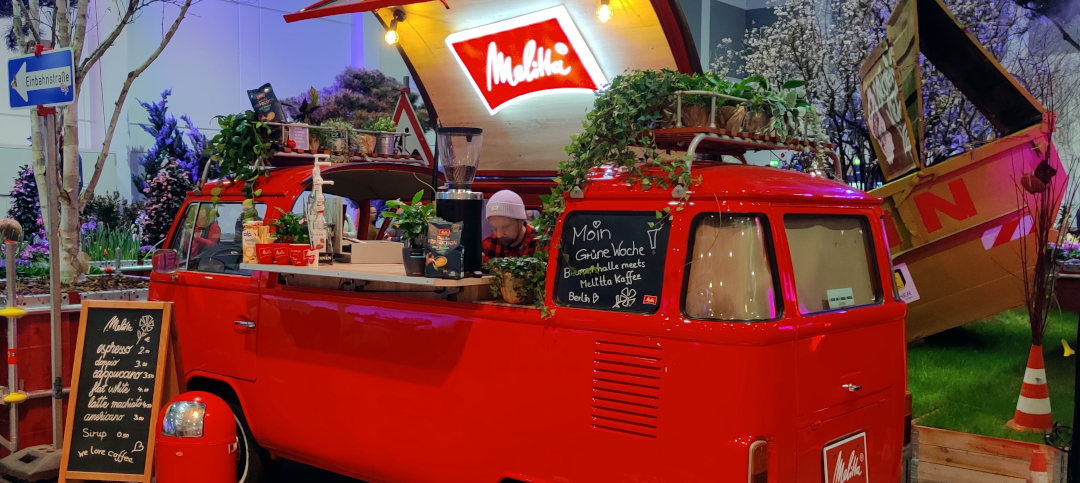
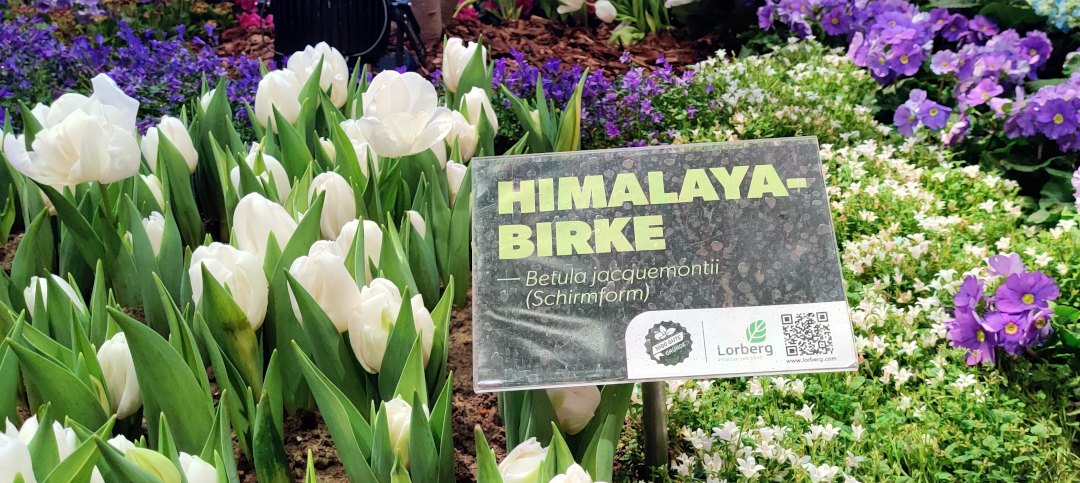
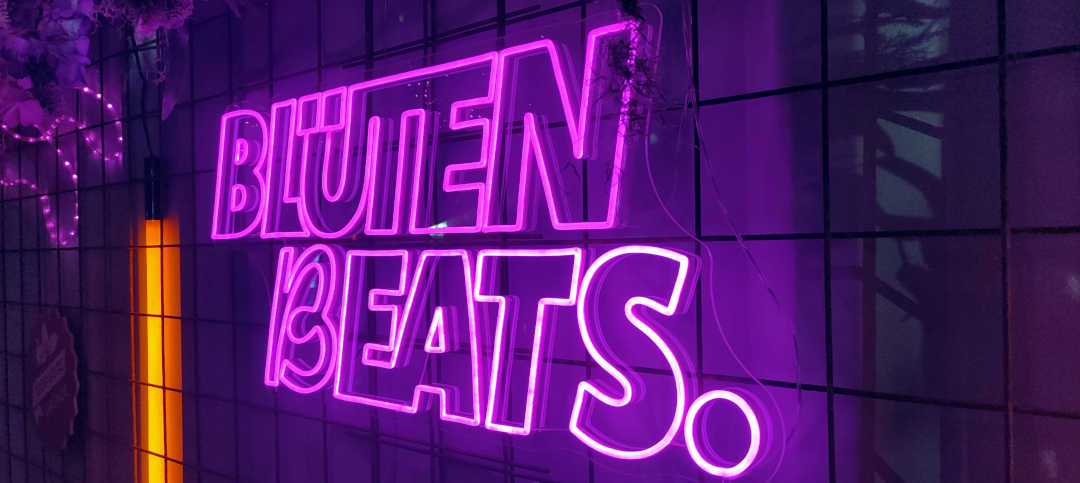
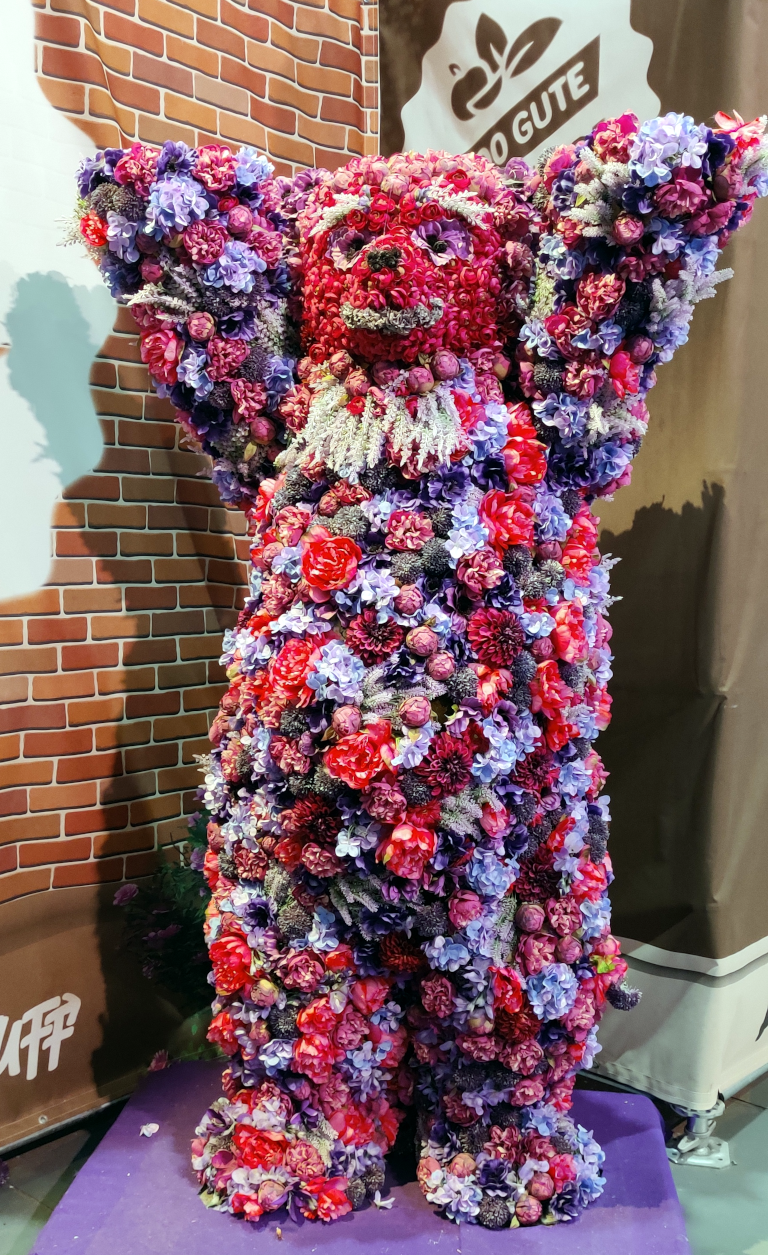
In the flower hall, there were once again truly eye-catching decorative elements. In addition to the many lovingly arranged floral displays, there was plenty of neon – and of course the Melitta “Bulli” van, serving as a welcome caffeine boost in between.
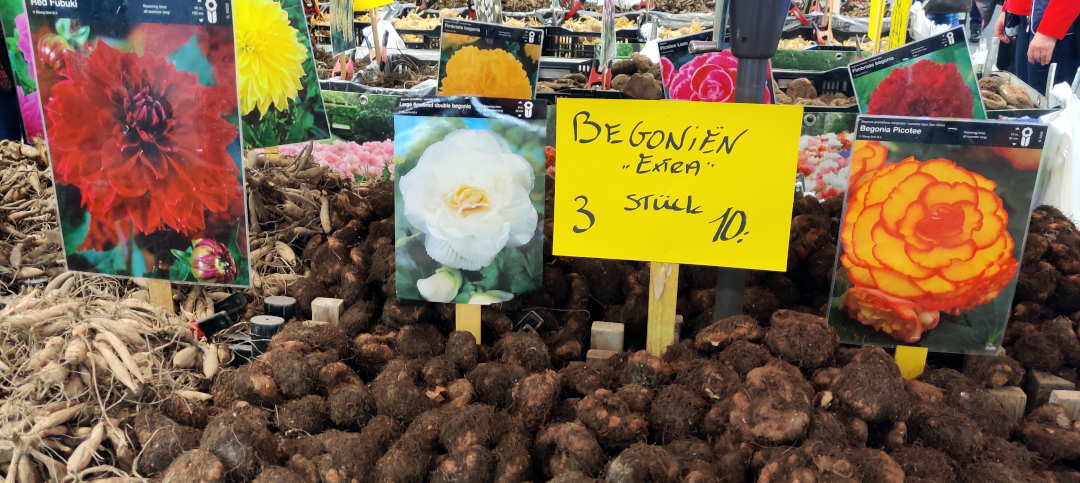
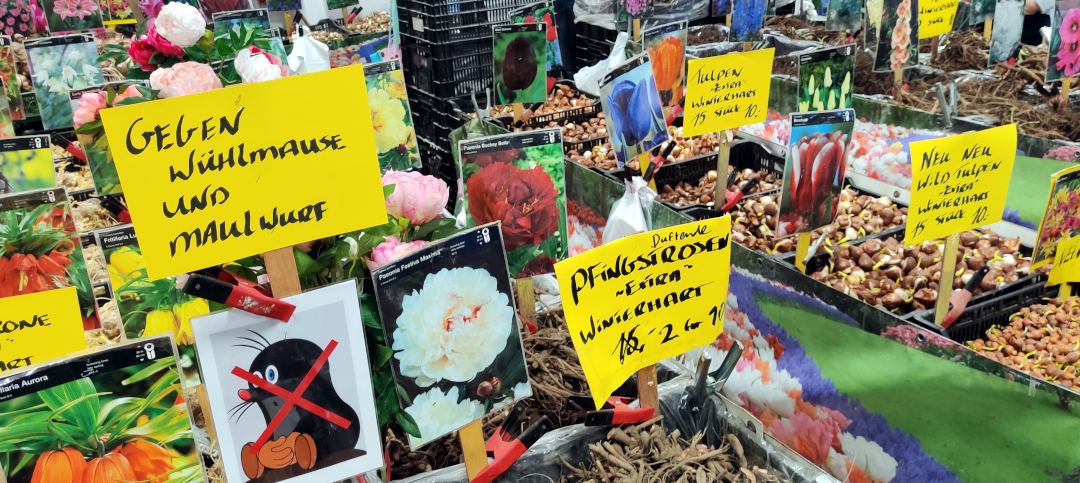
Alongside the “living” flowers, there was once again a very extensive selection of heavily discounted tubers and flower bulbs – tulips and the like without end, so to speak.
Naturally, we couldn’t say no, although unfortunately almost nothing was edible – except perhaps the tubers of dahlia or prairie lily, or certain allium varieties such as wild garlic bulbs, Altai onion, or vineyard leek.
Many flower bulbs are toxic; tulips in particular (which contain tulipalin) can be harmful if ingested. Hyacinths, lily of the valley, autumn crocus, and daffodils (Easter lilies) are also classified as poisonous – so caution is advised when it comes to bulbs.
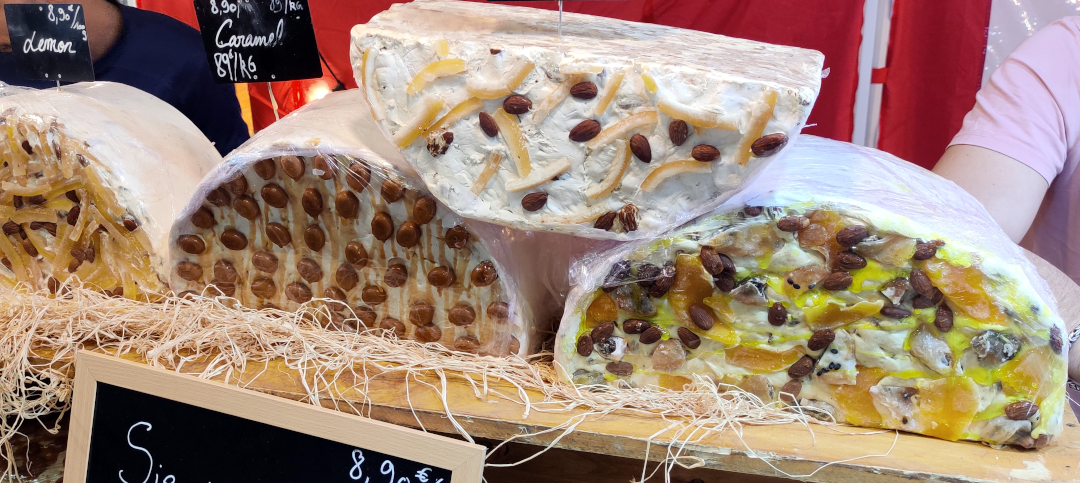
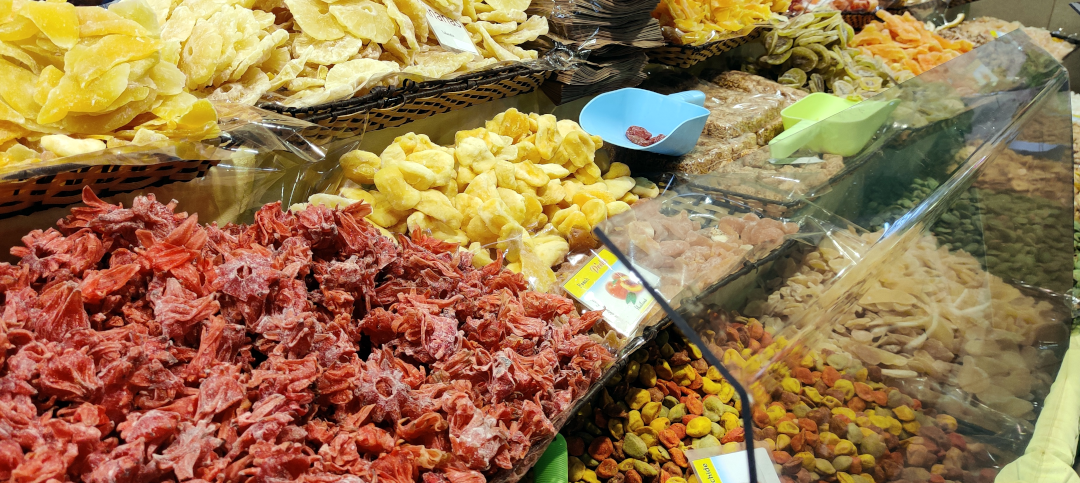
It felt as though this year – especially in the food hall – there was an immense range of sweet products.
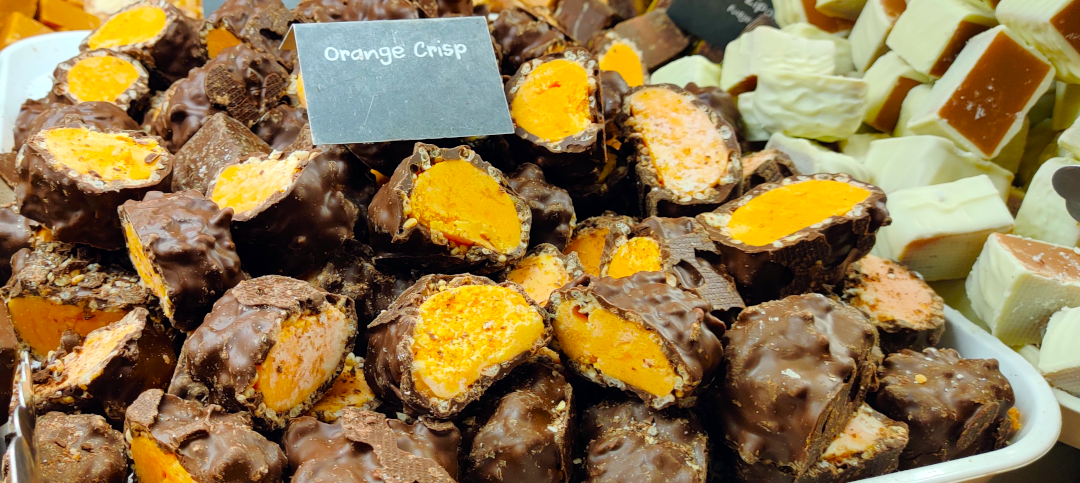
Numerous variations of classic Turkish delight dominated the scene: sometimes enriched with nuts, sometimes with chocolate or nougat, occasionally with candied fruit or even gummy bears.
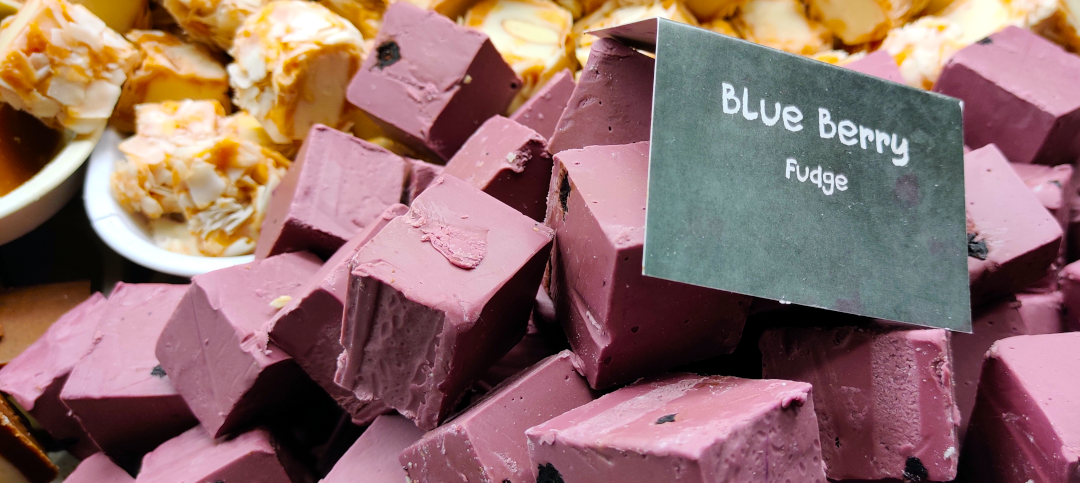
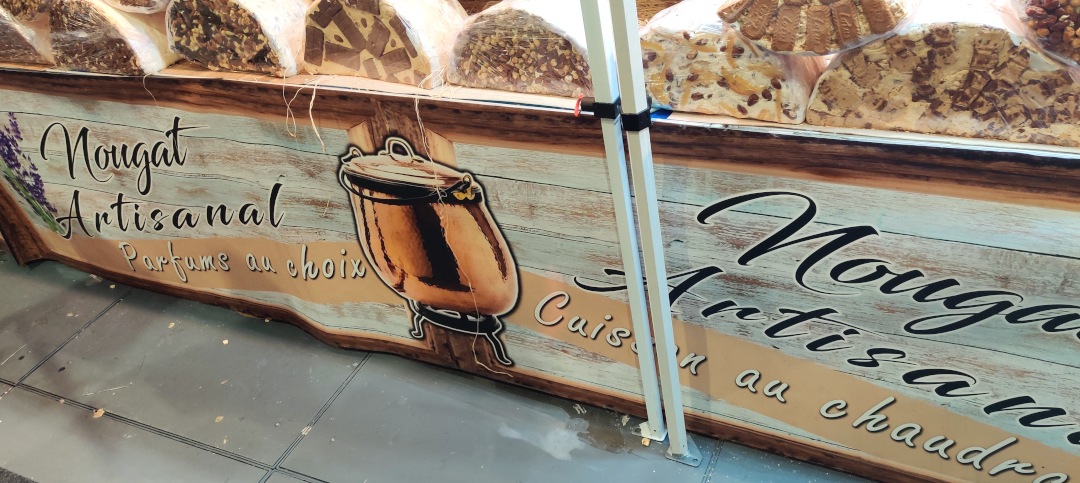
All in all, a very sticky, very sweet, and decidedly rich affair – and given the “tooth-pullers,” one can assume there may well have been the occasional follow-up appointment for the dentist.
What follows is an analytical perspective on the fair, for which – as in previous years with FRUIT LOGISTICA – I have consolidated and processed data and facts on Green Week 2025 using various AI systems.
Agriculture, Food, Sustainability and Society in Focus
Green Week 2025 (International Green Week) took place from 17 to 26 January 2025 at the Berlin exhibition grounds, setting strong accents in the fields of food, agriculture, horticulture and sustainability (Source: Messe Berlin, Press Information 2025).
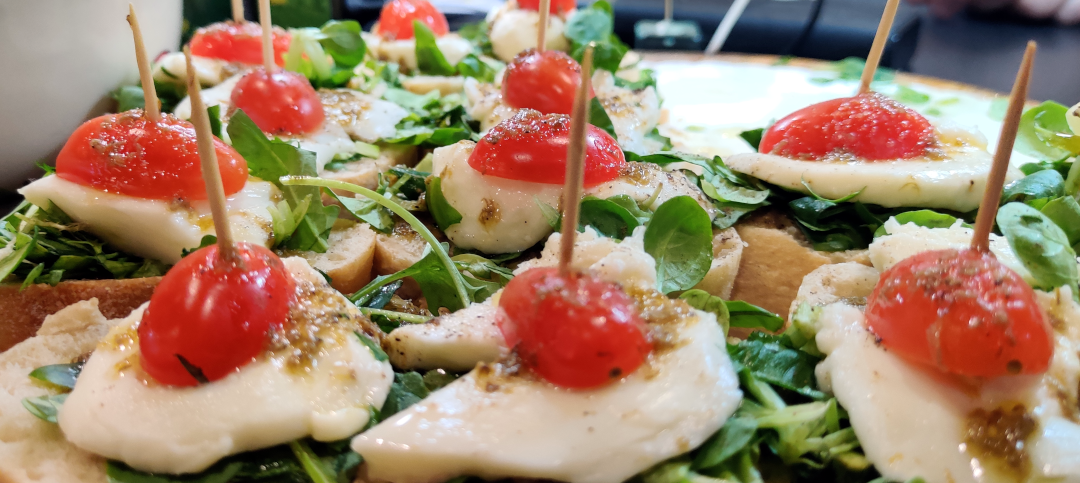
The event demonstrated how deeply societal, economic and political challenges are intertwined with daily nutrition and global food supply systems. Once again, the fair functioned not merely as a consumer and information platform but as a forum for exchange, innovation and political debate (Source: Berlin.de).
Tradition Meets the Future – The Significance of Green Week Today
Green Week is one of Germany’s most traditional and influential trade fairs, held annually in January in Berlin since 1926 (Source: Berlin.de). For ten days, it connects consumers, producers, the agricultural and food industry, research institutions and political stakeholders, presenting products, services and discussions spanning enjoyment, supply security and sustainability.
In 2025, the 89th edition attracted more than 310,000 visitors – representing approximately 13% growth compared to the previous year (Source: HortiDaily; Messe Berlin). This once again underlined Messe Berlin’s role as a central meeting point for stakeholders across the global food and agricultural value chain.
Key Figures and Facts
- Date: 17–26 January 2025
- Venue: Messe Berlin, all exhibition halls
- Visitors: approx. 310,000 national and international attendees (Source: Messe Berlin)
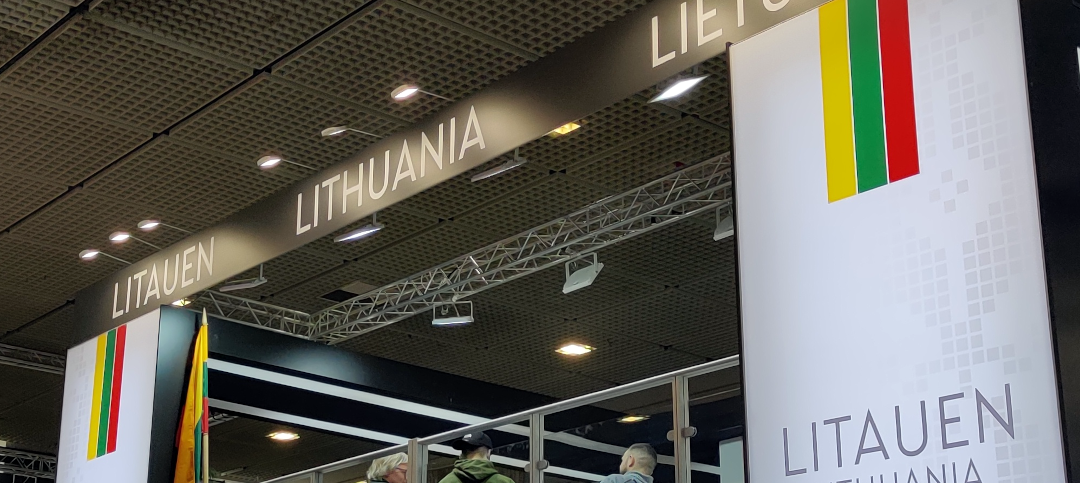
- Exhibitors: around 1,500 exhibitors from approximately 60 countries (Source: Industry reports; Messe Berlin)
- Programme: more than 300 conferences, seminars and forums, including the Global Forum for Food and Agriculture (GFFA) (Source: Messe Berlin; GFFA Programme 2025)
These figures reflect not only impressive reach but also the fair’s function as a hub for consumers, trade actors and political decision-makers. The large number of international exhibitors confirms its recognition as a major networking and business platform beyond Germany (Source: Industry reports).
Thematic Focus 2025 – Between Culinary Enjoyment and Systemic Questions
Food Trends and Product Innovation
The fair showcased a vast variety of culinary products from around the world – ranging from traditional specialties to innovative food trends (Source: Messe Berlin). Particular focus was placed on plant-based foods, functional nutrition concepts and regional specialties available for tasting throughout the exhibition halls.
Sustainability and Organic Farming
Sustainability was visibly a central theme of Green Week 2025. In the organic hall (“Bio? Na Logo!”), ecological agriculture, climate protection and animal welfare were highlighted, complemented by interactive digital experiences such as hall rallies and workshops on organic production (Source: Messe Berlin Hall Programme 2025).
Innovation and the Digital Future
The complementary programme “Home Green Home” featured live cooking sessions, talk shows and interactive formats (Source: Messe Berlin). Start-ups in agtech and food innovation presented new ideas and technologies aimed at more sustainable production and consumption models (Source: Industry reports).
Political Dimension and the Global Forum for Food and Agriculture
Parallel to Green Week, the Global Forum for Food and Agriculture (GFFA) once again convened as a central political congress addressing global food security, sustainable agriculture and international agricultural policy (Source: GFFA Programme 2025). The forum brings together ministers and leading representatives from business and academia to discuss urgent challenges in global food supply systems.
The strong presence of international decision-makers – including EU politicians and official delegations – reaffirmed Green Week’s cross-border significance as a political platform alongside its consumer exhibition character (Source: Messe Berlin; Industry reports).
Critical Observations: Between Market Dynamics and Social Debate
Despite its broad resonance, Green Week 2025 was accompanied by societal debates extending beyond traditional exhibition content. Discussions on structural change in agriculture, food pricing, animal welfare and ecological farming took place both within the GFFA and in Berlin’s public sphere (Source: Berlin.de; Industry reports).
Amid global challenges – from climate risks and energy prices to shifting consumer expectations – these controversies reflect the complexity of contemporary food and agricultural policy.
Assessment: What Green Week Means for the Industry
Green Week 2025 demonstrated that the connection between tradition and innovation remains viable, yet requires critical reflection. The fair continues to serve as a platform where traditional food cultures, technological innovation and political future strategies converge.
Three key insights for decision-makers and industry stakeholders:
Consumers as Active Participants
Visitors sought not only to observe and taste but to engage in discussions, culinary experiences and debates about future food systems (Source: Messe Berlin Visitor Survey).
Sustainability Is Operational Reality
Organic agriculture, resource conservation and sustainable production are measurable operational requirements rather than mere marketing narratives (Source: Messe Berlin; Industry reports).
Political Context Shapes Market Development
The GFFA and strong political presence underline that agricultural and food policy directly influence economic decisions and framework conditions for producers, retailers and consumers (Source: GFFA; Messe Berlin).
Conclusion – Green Week 2025 as a Barometer of Food Globalisation
Green Week 2025 once again confirmed that food, agriculture and horticulture represent central expressions of societal, economic and political dynamics. For ten days, Berlin hosted participants from around the world to experience product diversity, discuss solutions and build networks (Source: Messe Berlin).
As a consumer-oriented and internationally positioned trade fair, Green Week reflects both market breadth and the depth of systemic debates – from sustainable production systems to international food security strategies. Its value today lies not solely in the exhibition experience but in its contribution to a global dialogue on food, sustainability and future resilience.
Sources
- Messe Berlin GmbH – Press Information on Green Week 2025
- Berlin.de – Background Information on Green Week
- HortiDaily – Visitor Numbers and Economic Significance 2025
- Global Forum for Food and Agriculture (GFFA) – Programme 2025
- Industry Reports on Green Week 2025
AI-supported systems were used during the research for this article, including OpenAI ChatGPT, Google Gemini, and Anthropic Claude. AI was used exclusively as an aid. The selection, evaluation, editorial classification, structuring, and formulation, as well as the review of content and compliance with journalistic due diligence and copyright requirements, were and remain the responsibility of the publisher.