
Our visit to FRUIT LOGISTICA 2026 felt noticeably more relaxed than the previous year. This year featured a remarkable variety of mushrooms – presented in many different formats – some primarily from a culinary perspective, others with a focus on health benefits.
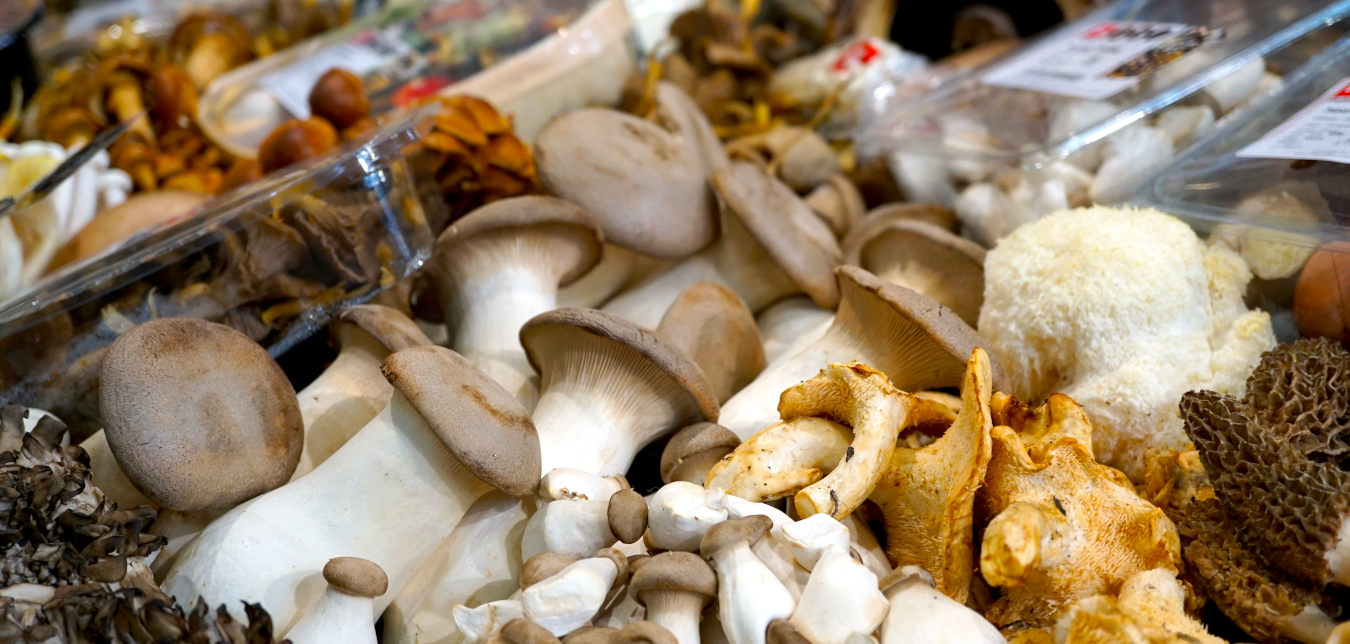
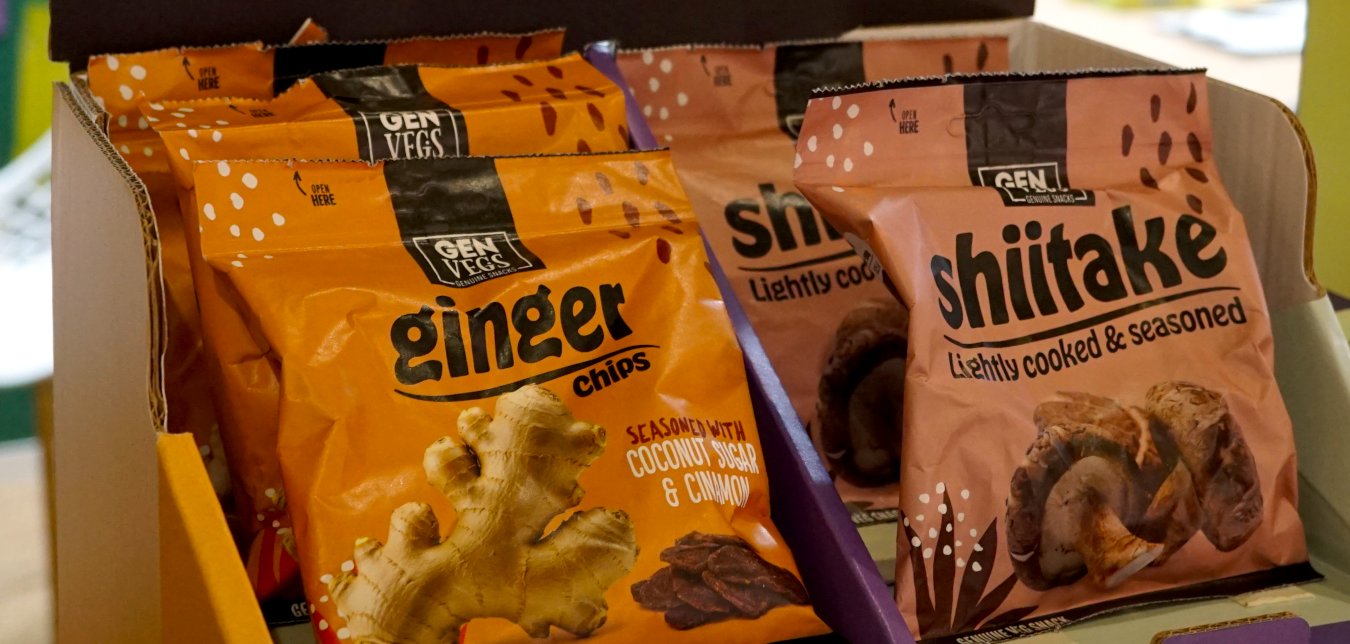
There were numerous mushroom chips: sweet, savory, and of course spicy varieties. Not only were there different mushroom species on display, but also diverse processing methods.
Some exhibitors relied on traditional sun-drying, others used controlled heat, and still others – truly state of the art – offered freeze-dried mushrooms.
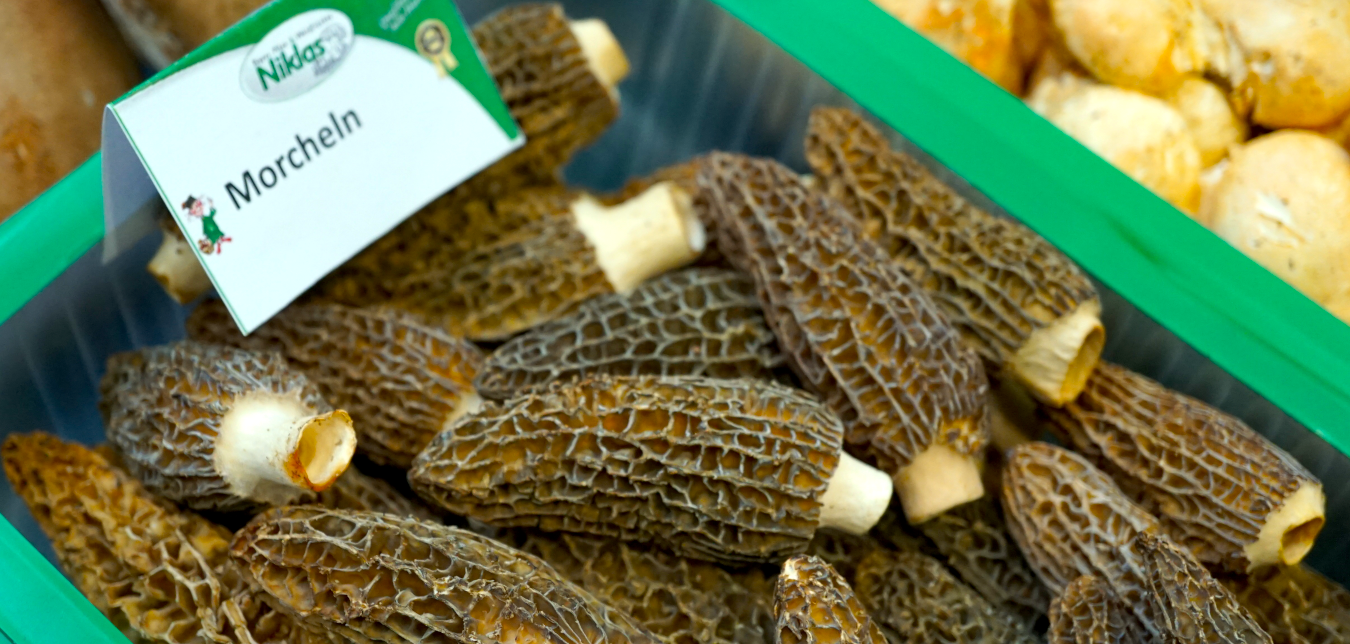
From my personal perspective, freeze-drying can be a genuine flavor experience when executed well. However, I often struggle with the consistency – in fact, with the overall texture.
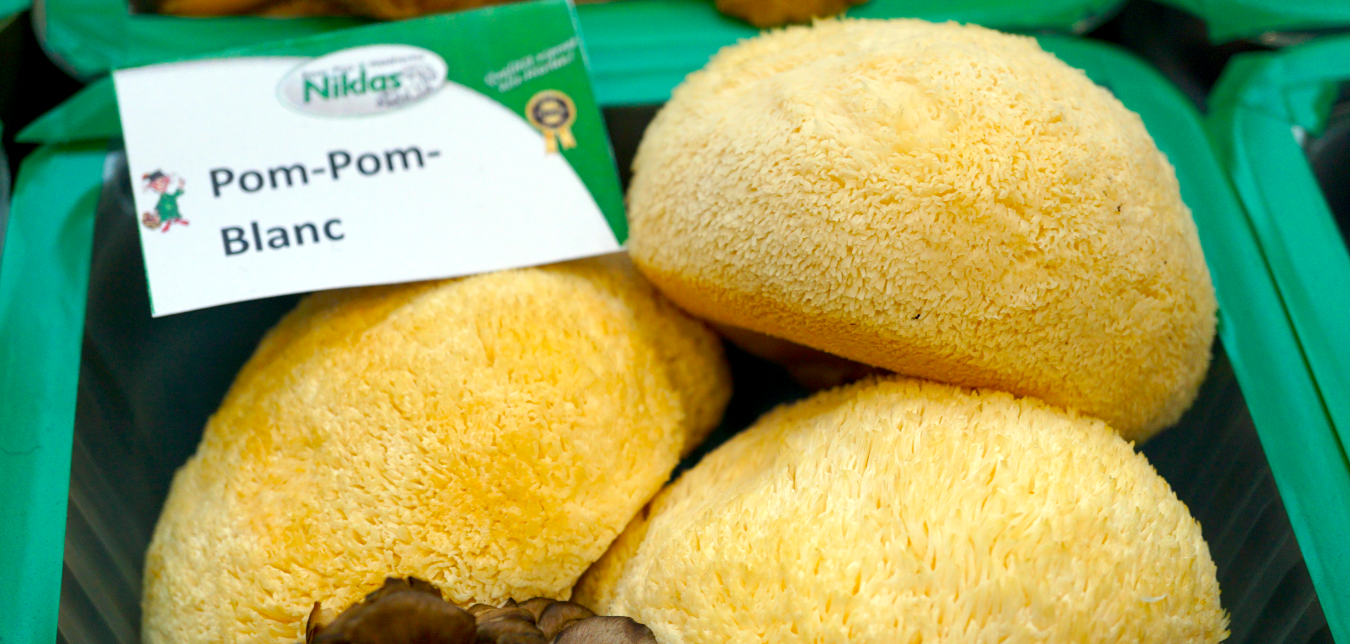
There were also exhibitors addressing both segments – culinary and health-related aspects – for example Lion’s Mane (lat. Hericium erinaceus, also known as bearded tooth fungus, monkey head mushroom, Japanese Yamabushitake, or French Pompon blanc). Beyond its appealing taste, it is said to support the repair or even the “rewiring” of neural connections in the brain – at least when consumed regularly.
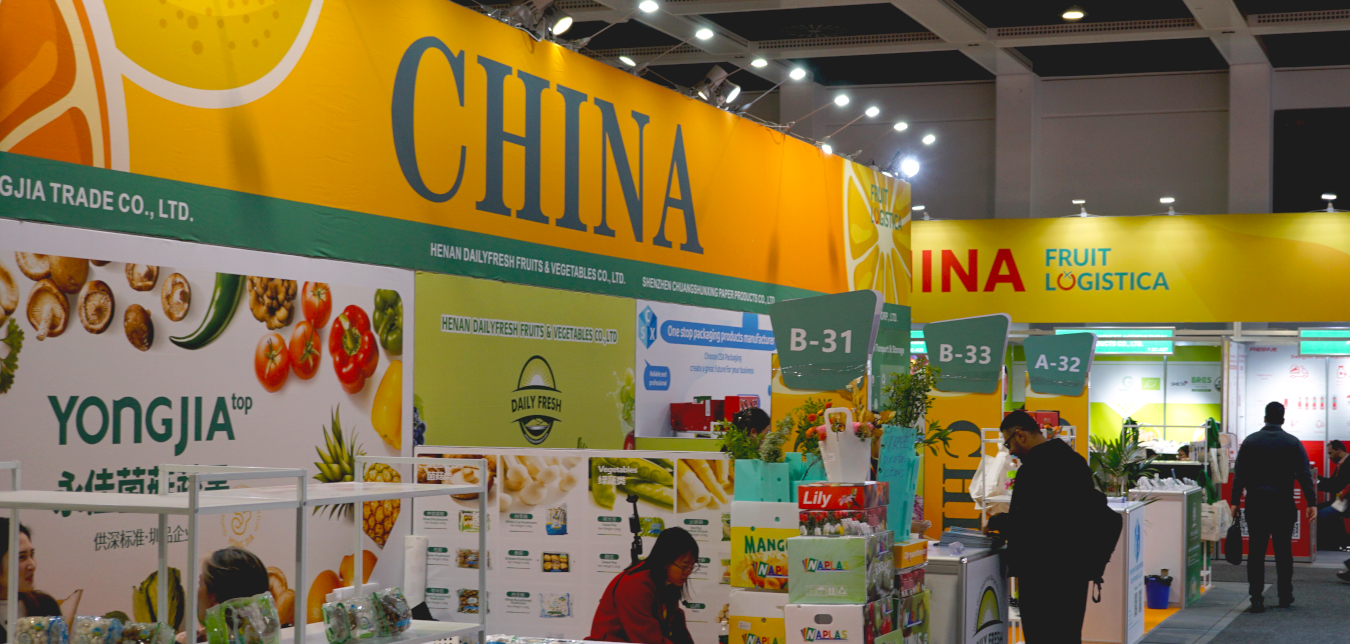
It would be worthwhile to explore whether and to what extent preparation methods influence not only flavor but also potential effects. At the very least, we could take a closer look at the culinary dimension in a follow-up article – let’s see.
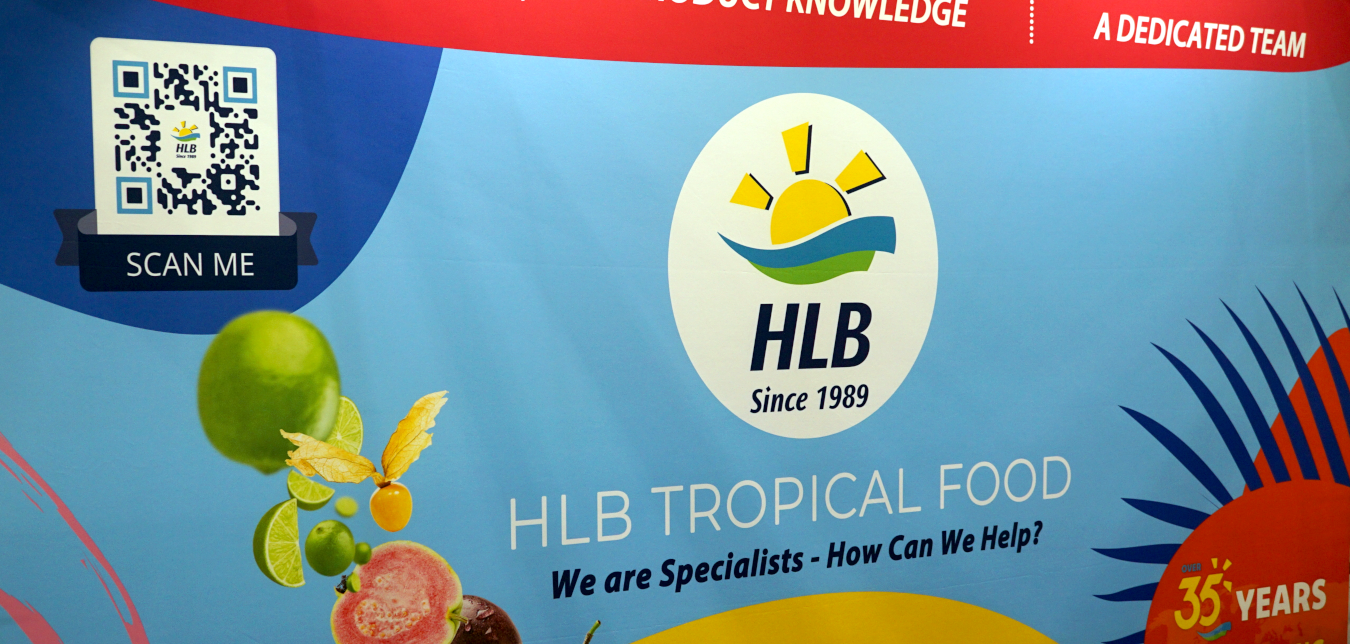
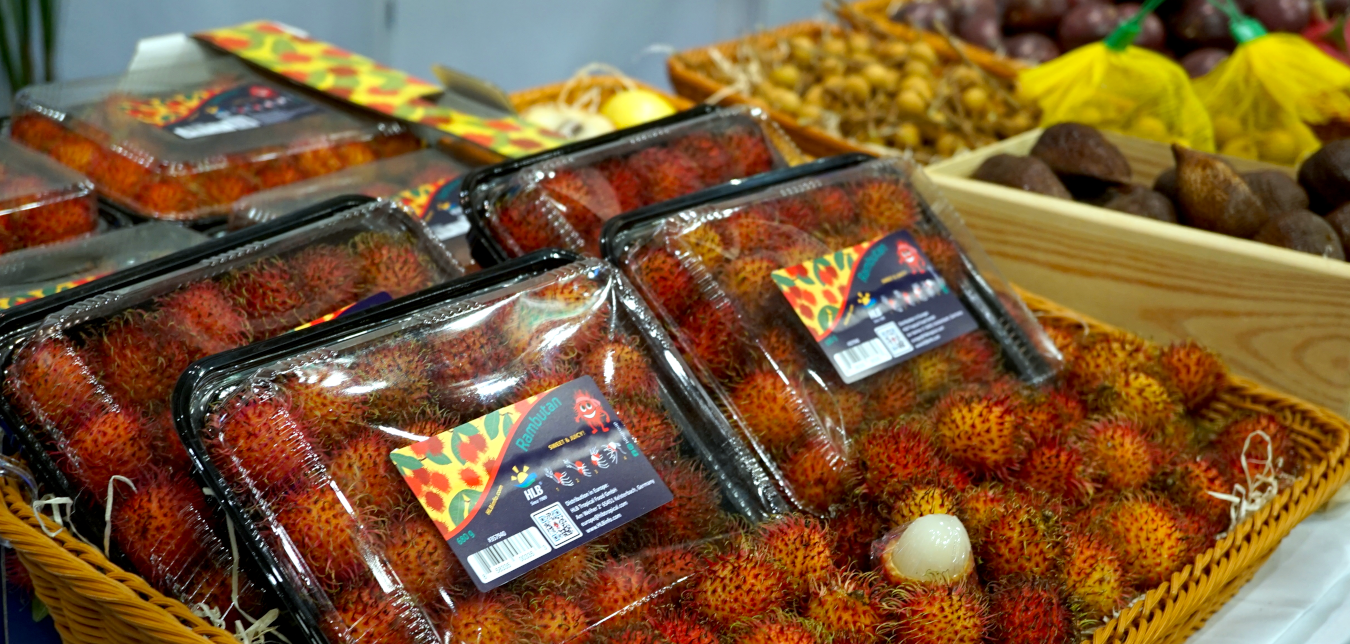
HLB was once again present with a highly inviting selection of exotic fruits, and there was even time for a brief chat.
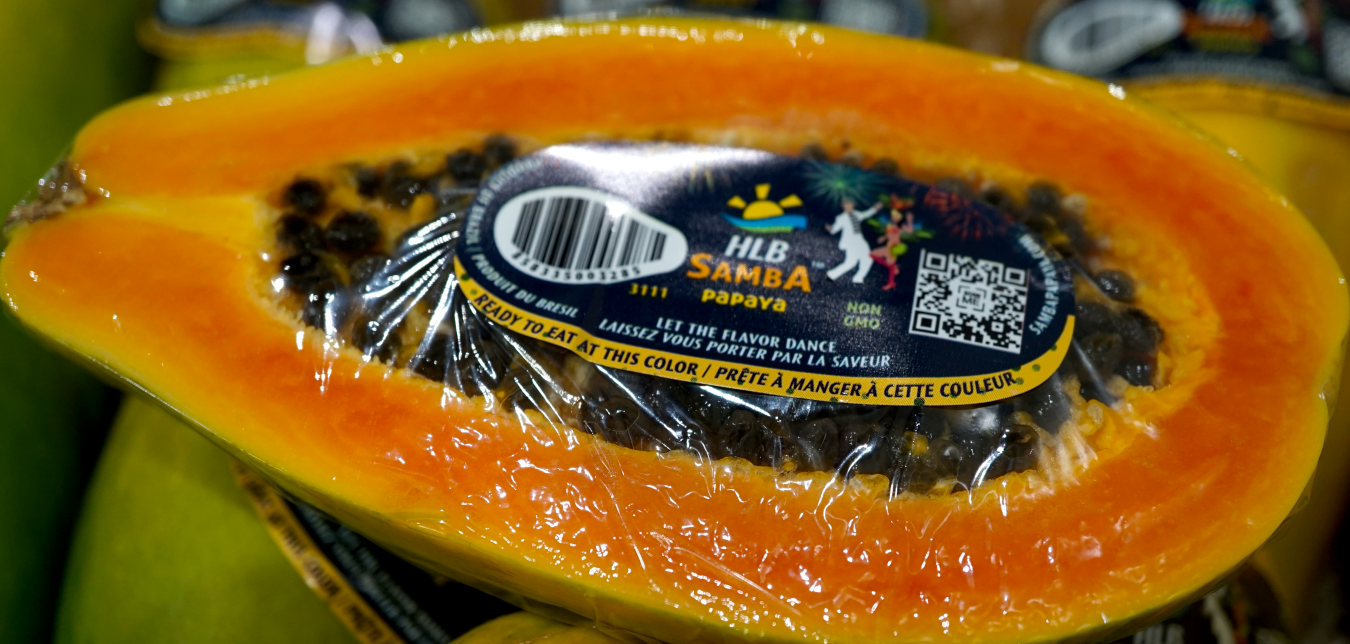
Say what you will, but when it comes to papaya, they are – in my view – simply number one on the market. Delivering such consistent quality over so many years deserves genuine respect.
Many of the Arab exhibitors offered dates in a wide range of qualities – from small, refined varieties to large “sugar bombs.” If I were a date enthusiast, this would certainly have been paradise.
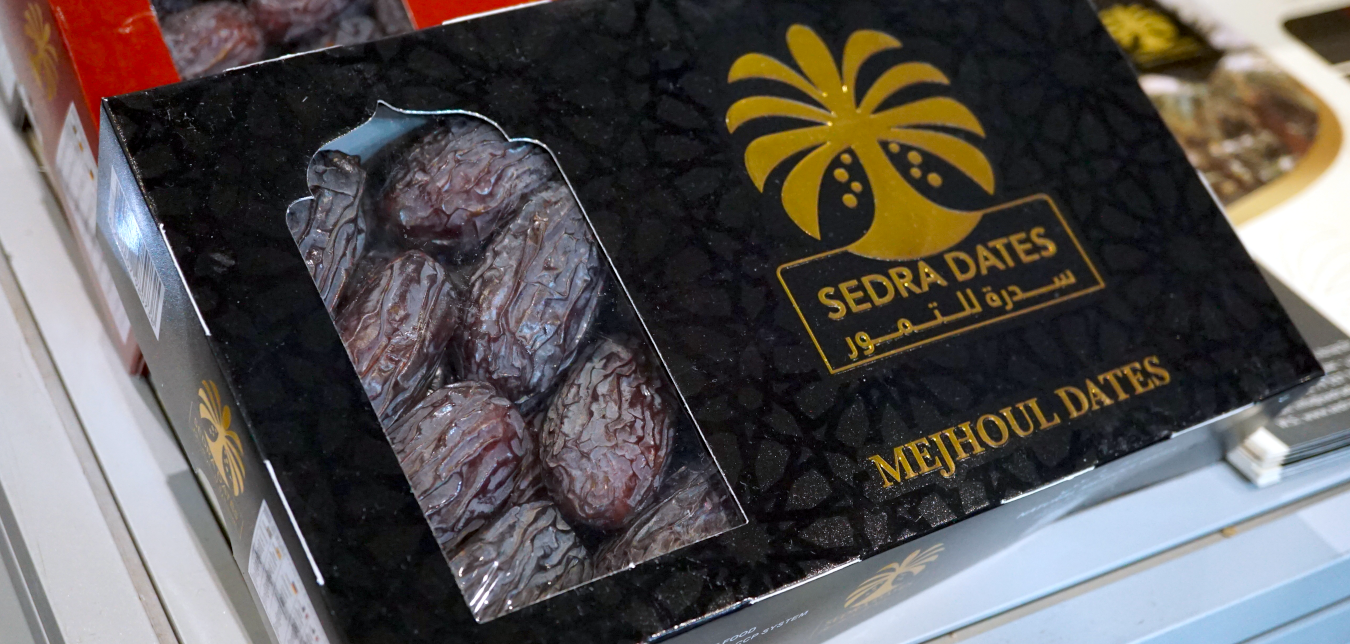
Not that I’m not open-minded – I once even tried an organic date ice cream in Munich – but somehow I no longer appreciate the slightly grainy texture. As always, it’s a matter of personal taste.
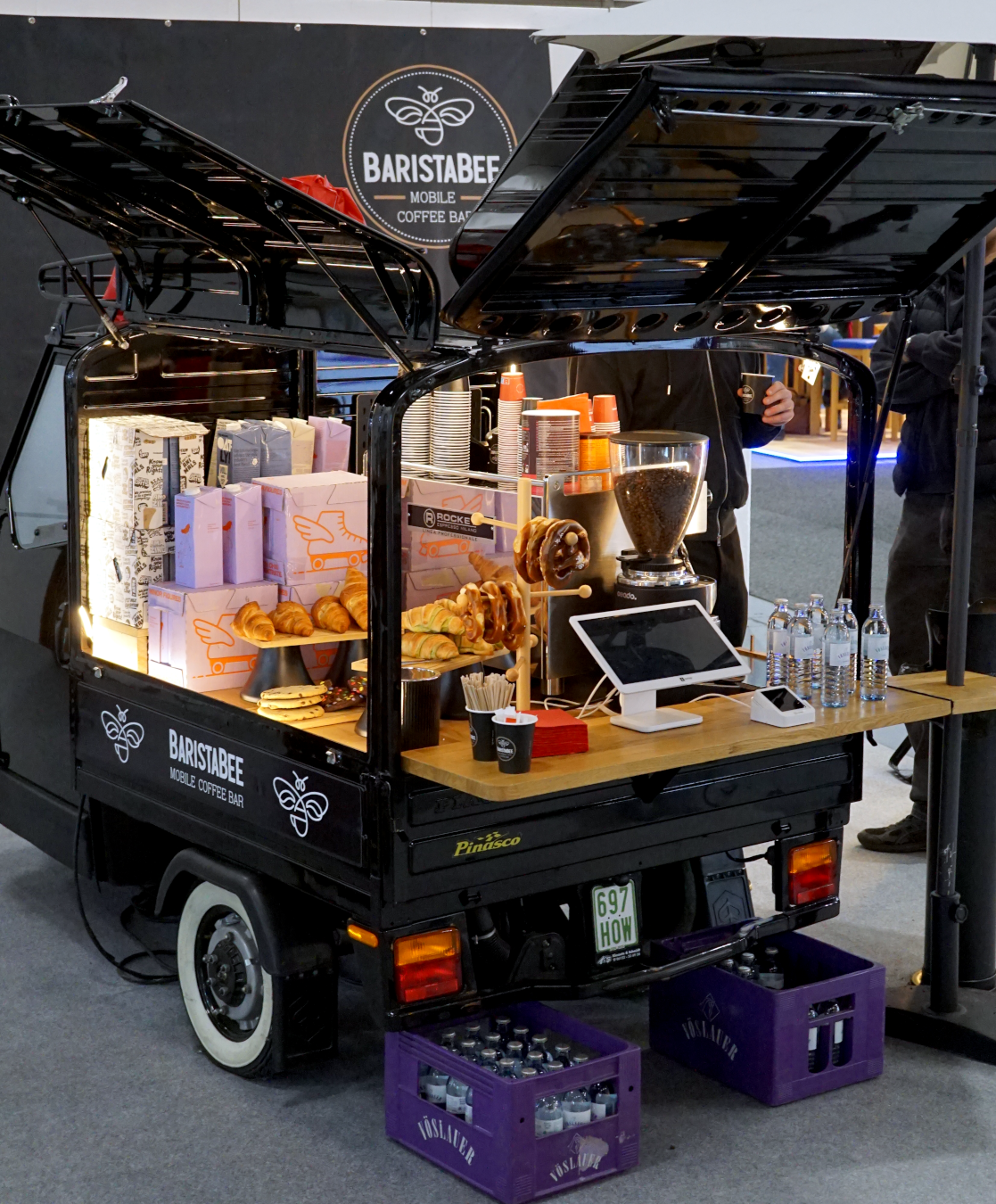 You can now also find a quick espresso – and more – right in the middle of the exhibition grounds. BaristaBee, operating as a mobile coffee bar, offers a rapid caffeine boost between appointments. We’re not sure how long this service has been around, but it definitely caught our attention.
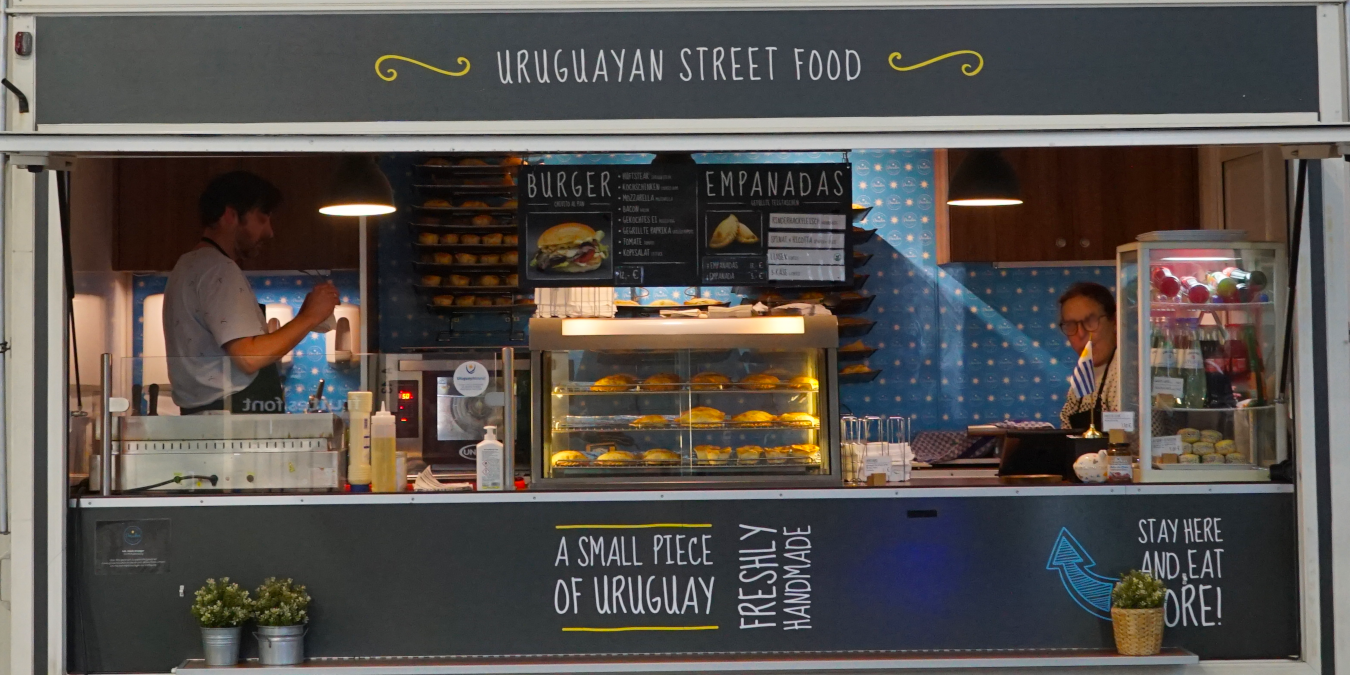
A food truck from Uruguay was new to me as well – perhaps we simply don’t travel enough, or perhaps we linger too long in certain places. There’s never a perfect formula.
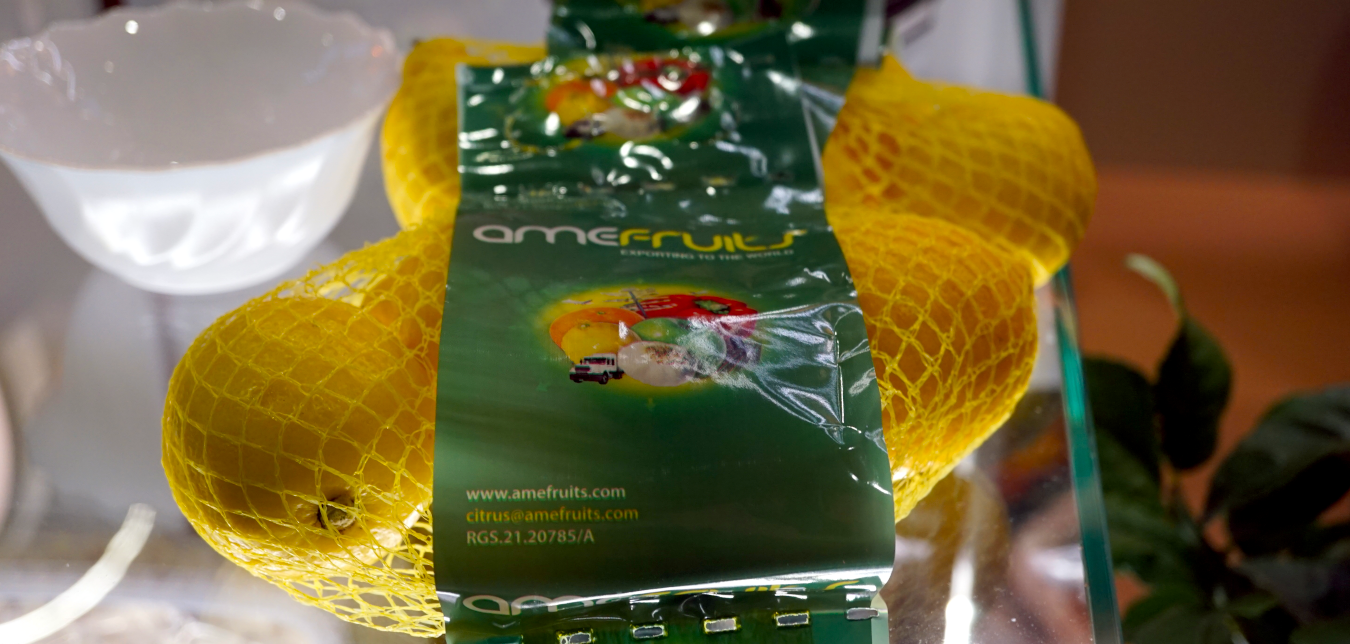
In any case, we also visited AMEFRUITS SL – their black garlic is a story in itself, truly something exquisite, and their fruit, especially the lemons, are absolute “sweethearts.”
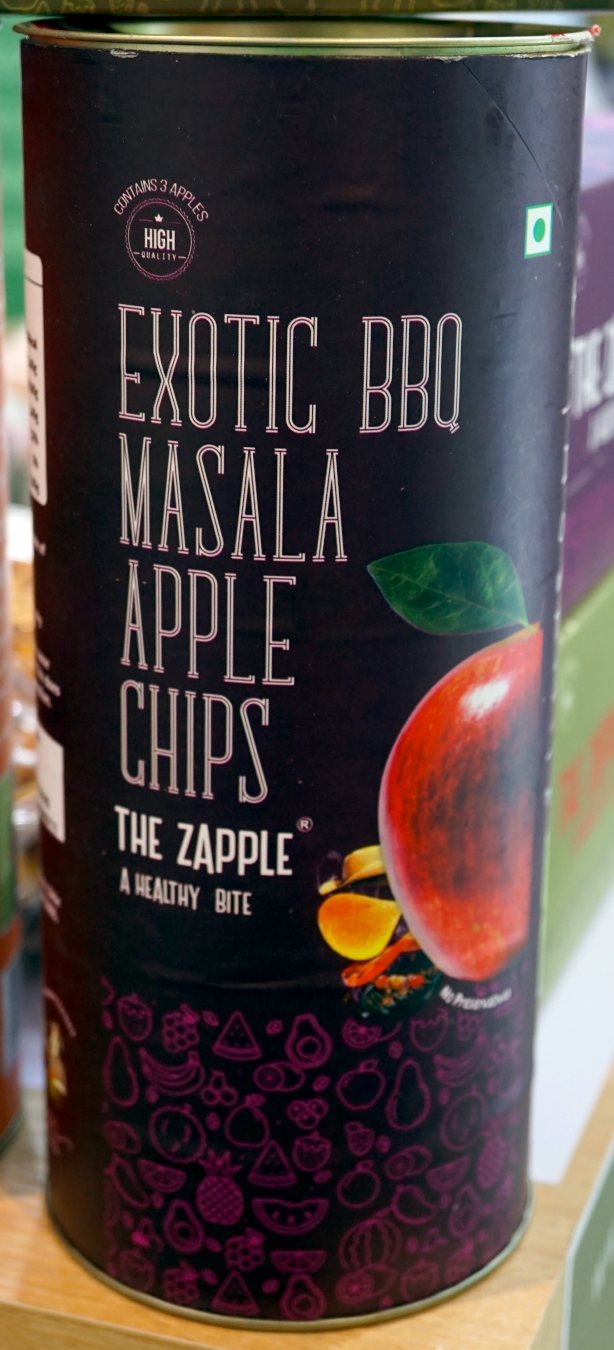 Interesting, besides the previously mentioned mushroom chips, were apple chips – often presented at the fair with an Ayurvedic twist, for example seasoned with pepper, turmeric, coriander, and fennel. You have to like that sort of thing.
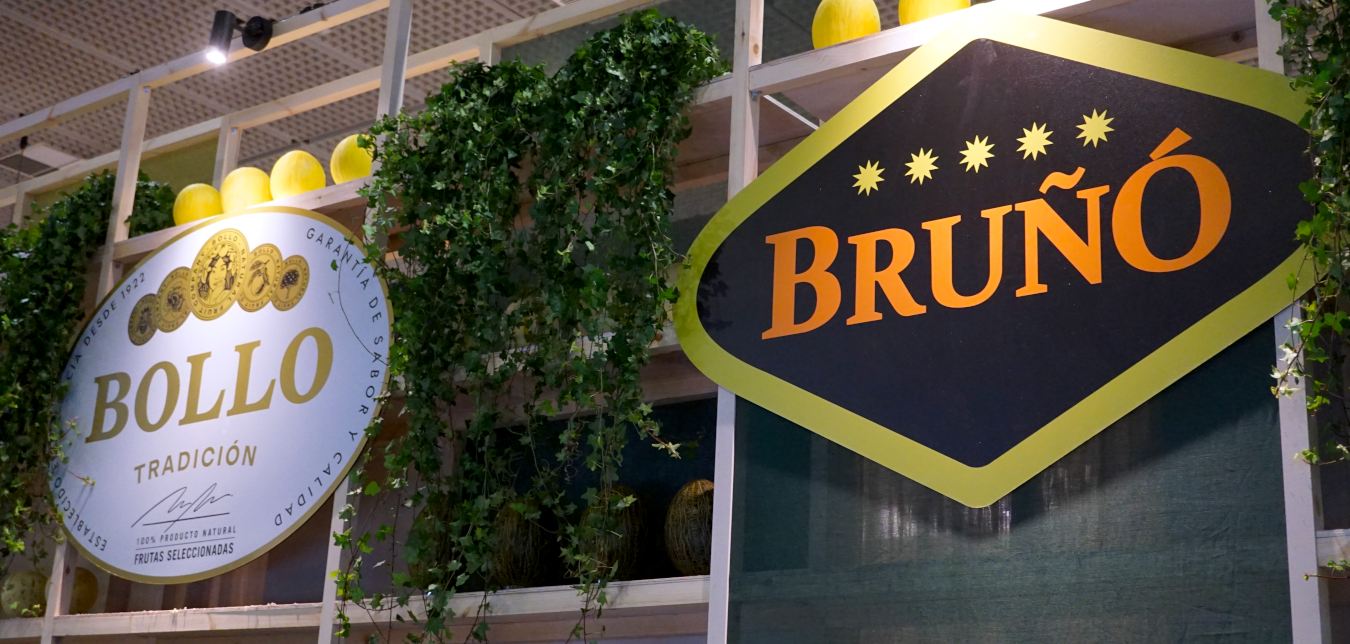
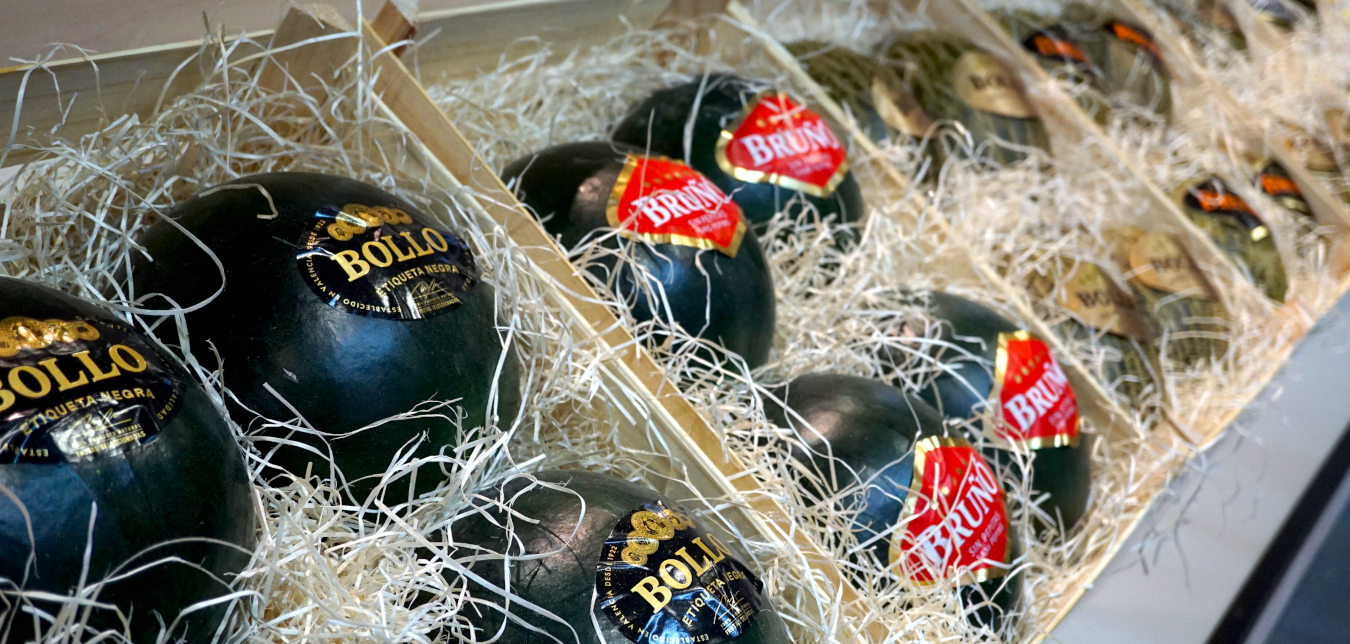
The impressive BOLLO melons were once again eye-catching. Still, I would appreciate seeing more effort invested in demonstrating just how versatile this fruit can be in the kitchen – particularly during barbecue season.
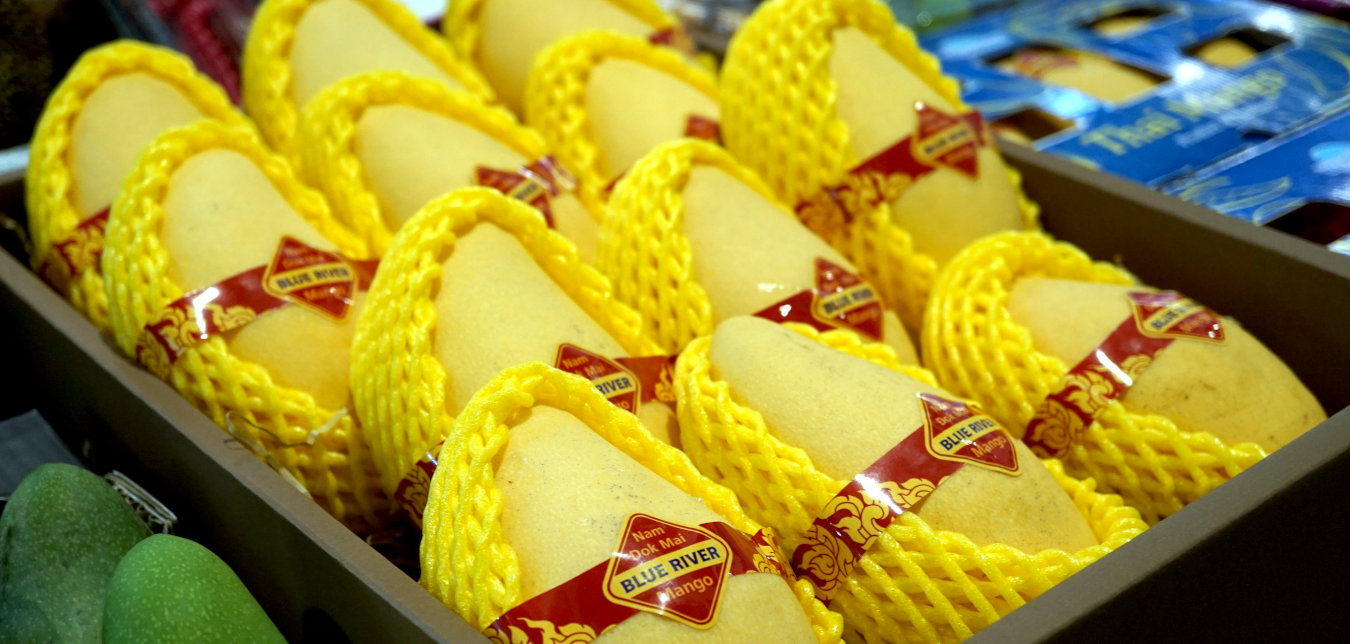
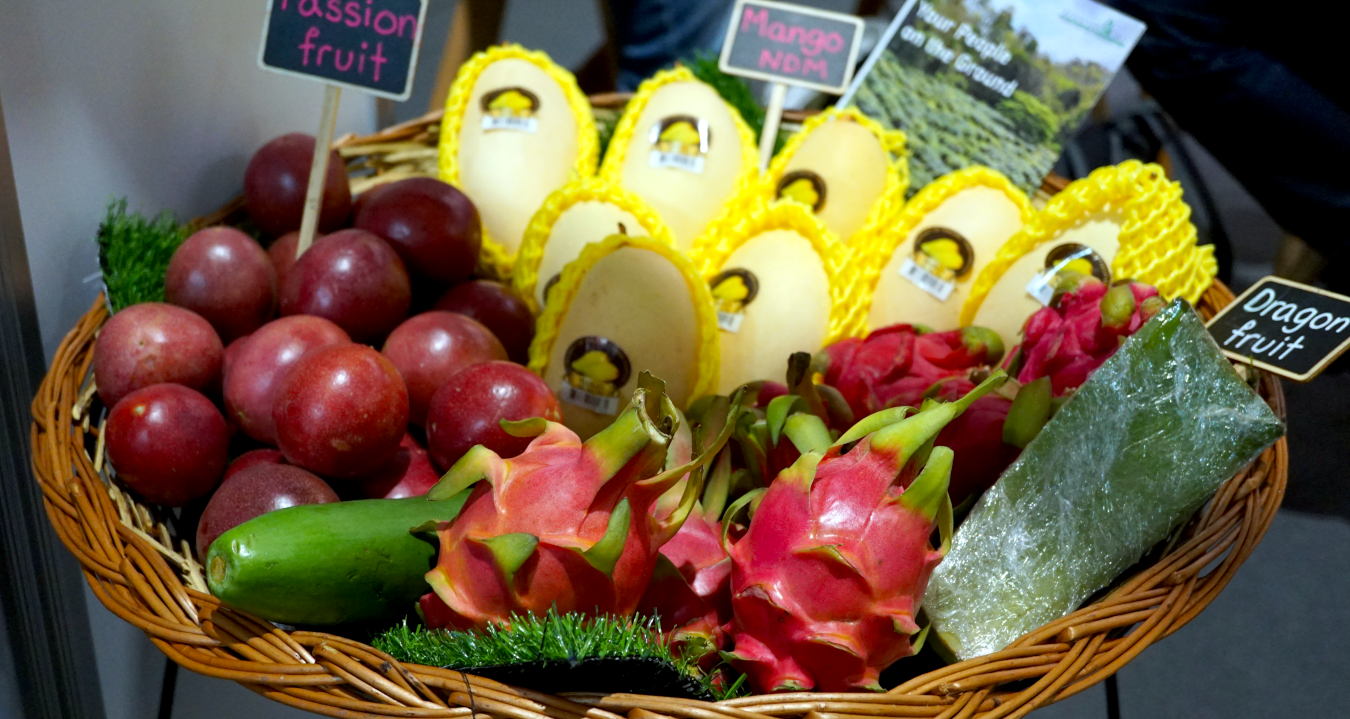
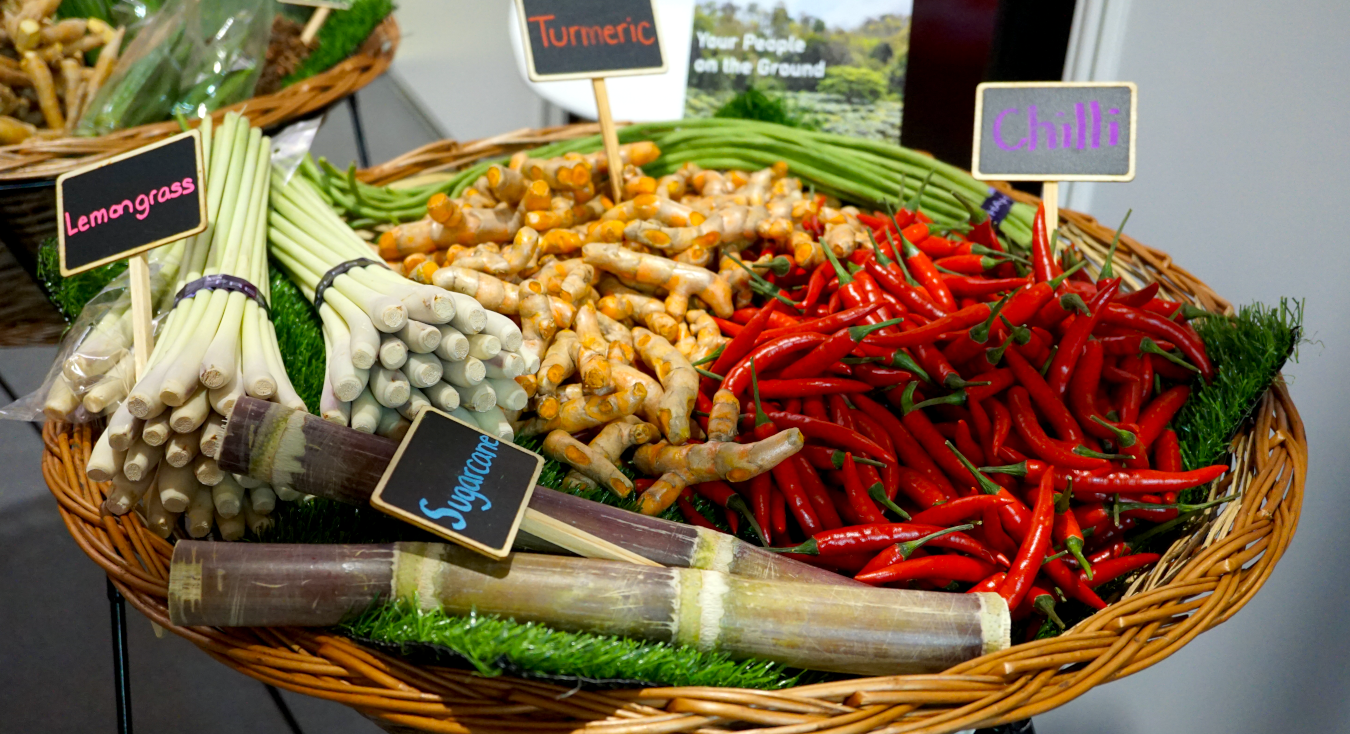
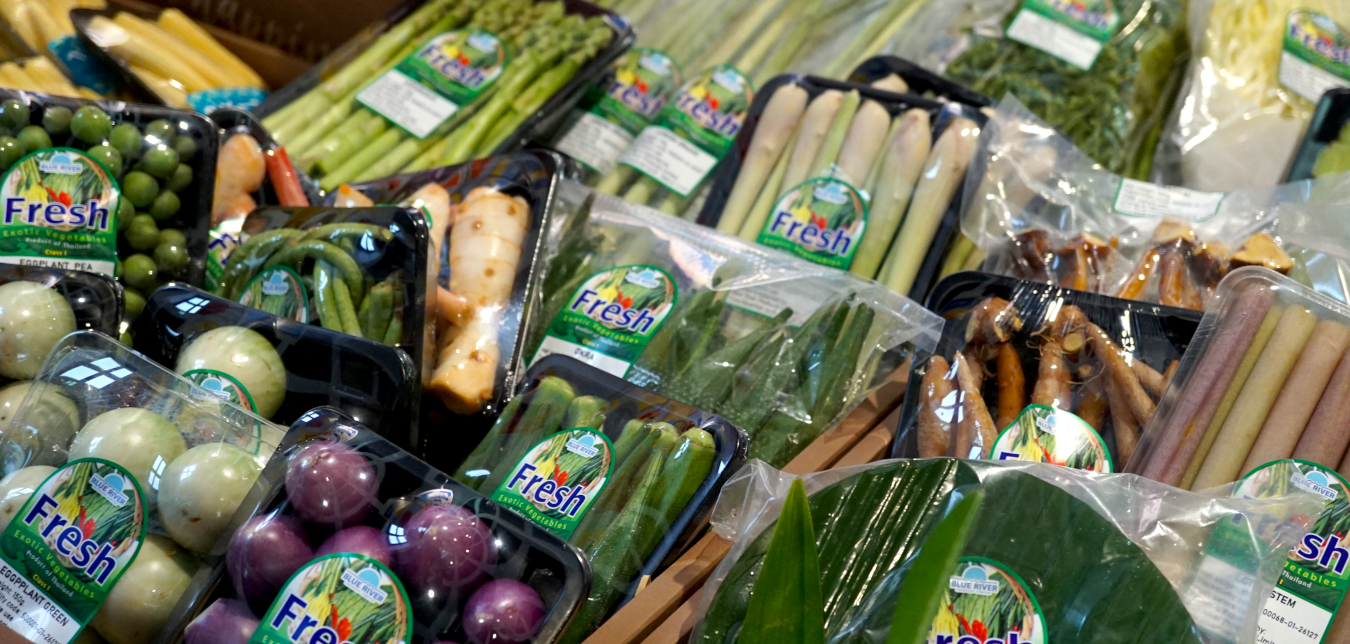
Unfortunately, Thailand did not really have a proper stand this time. Then again, the Thai stand had often seemed somewhat austere in previous years – more like a sales counter – with nearly the same appearance at Green Week as well.
This time, at least, there were a few Thai vendors – yes, Thai, not Vietnamese – offering small, genuinely authentic dishes at fair prices.
Which brings me to pricing in general. Overall, prices – or what one received for the money – were reasonable. However, there were some striking exceptions, such as a small Vietnamese bowl priced at around 20 euros – without truffles, caviar, premium animal proteins, or anything equivalent to justify the cost.
Speaking of truffles – sometimes you’re already excited when you spot something special, but as the saying goes, appearances can be deceiving. In my case, it was truffles.
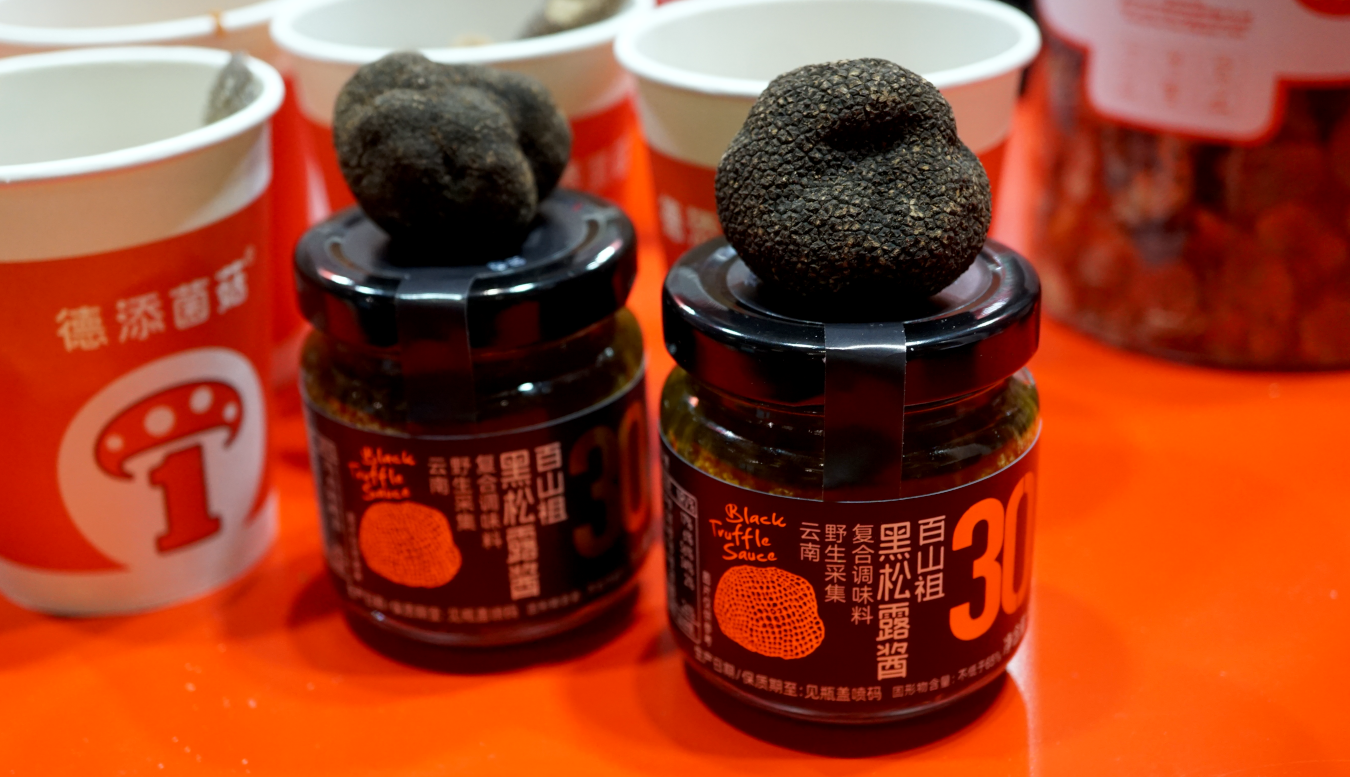
I had already mentally recalled the characteristic truffle aroma before holding the tubers from a Chinese stand under my nose – but nothing, absolutely nothing, was detectable olfactorily. Whether sliced open or broken apart, there was simply no trace of truffle aroma – and the tubers were certainly not made of plastic. I found that genuinely disheartening.
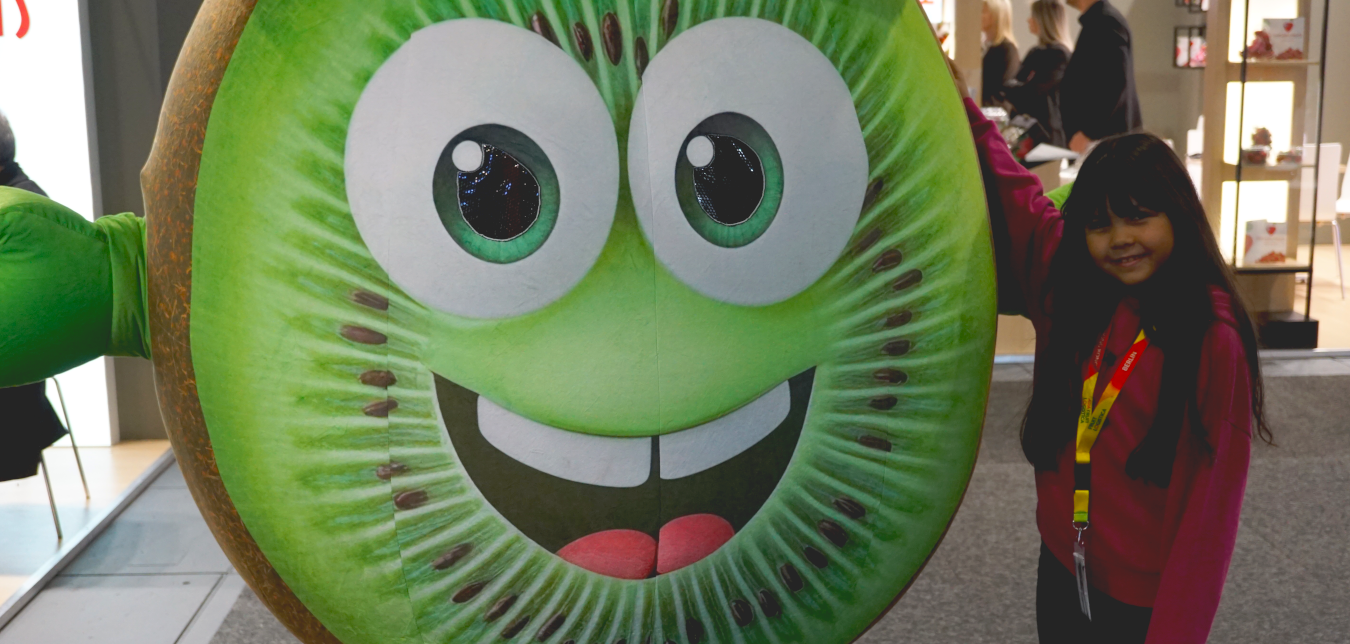
But then again, anyone familiar with the French film “The Wing or the Thigh” knows that this development has been foreshadowed for quite some time… By the end of the event, however, a cute kiwi and my trade fair companion managed to lift my spirits again.
So much for the stops on our tour of FRUIT LOGISTICA 2026 in Berlin. What follows are the figures, facts, and the key themes that shaped this year’s trade fair.
FRUIT LOGISTICA 2026 – Stability Under Pressure, Innovation as a Growth Driver
The global leading trade fair for fresh produce as a barometer of an industry in transformation
FRUIT LOGISTICA 2026 in Berlin once again demonstrated impressively that the international fruit and vegetable industry remains one of the most dynamic and innovation-driven segments of the global food economy despite increasing challenges. From 4 to 6 February, the global fresh produce industry gathered in the German capital to present trends, technologies, and new market strategies. As the world’s leading trade fair, the event covers the entire value chain of the fruit trade – from breeding and production through logistics and technology to the consumer (Messe Berlin, 2026).
With several thousand exhibitors and trade visitors from well over one hundred countries, FRUIT LOGISTICA traditionally serves as a strategic networking platform and as an indicator of structural changes in the global agricultural and food industry. Even before the event, the published European Statistics Handbook 2026 highlighted that the sector operates within a complex environment shaped by climate change, rising costs, technological transformation, and shifting consumption patterns (AMI / Fruitnet, 2026).
At the same time, the trade fair showed that the industry demonstrates remarkable adaptability. New production systems, digital applications, sustainable supply chains, and innovative product developments defined the exhibition. This was particularly evident in formats such as Startup World, the New Product Showcases, and the renowned FRUIT LOGISTICA Innovation Award (FLIA), which is widely regarded as a benchmark for technological and product-specific innovation (Messe Berlin, 2026).
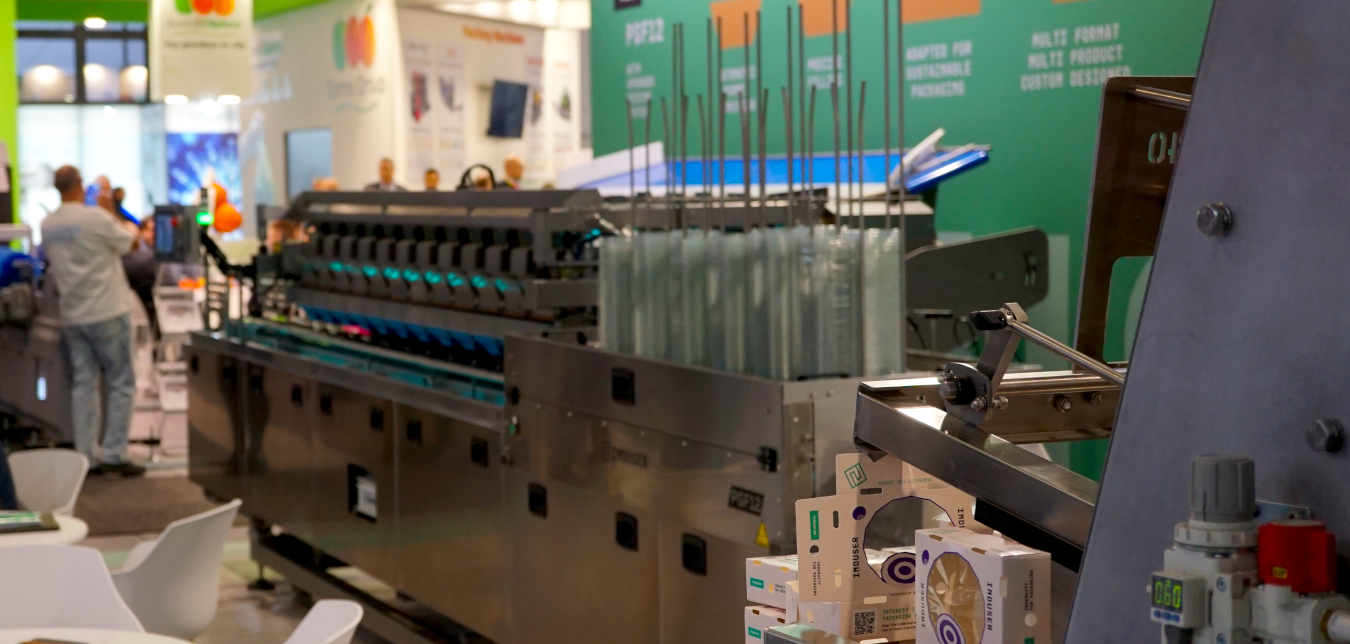
Market Analysis 2025/2026 – Climate Change, Rising Costs, and Structural Transformation
Extreme Weather as a Structural Challenge
In 2025, the industry was heavily influenced by extreme climatic events. Spring frosts caused significant production losses, particularly in Southeastern Europe, while heatwaves, droughts, and flooding created additional pressures (AMI, 2026).
These developments clearly illustrate that agricultural production systems are becoming increasingly vulnerable to climate change. At the same time, they are accelerating structural adjustments. Diversified supply chains, new cultivation regions, and alternative production methods are gaining importance.
A central topic of discussion at the trade fair was therefore the resilience of global supply chains. Experts emphasized that flexible trade structures are essential to prevent supply shortages and stabilize price volatility (Fruitnet, 2026).
Consumer Behaviour Under Cost Pressure
Alongside climate change, rising living costs are reshaping European consumer behaviour. In 2025, food prices contributed disproportionately to inflation. The consumer price index for fresh fruit temporarily exceeded 160 points, while vegetable prices rose more moderately overall (Eurostat data cited by AMI, 2026).
This development forces the industry to realign strategically. Price-performance ratios, product origin, sustainability, and quality are increasingly being balanced against each other. Notably, despite rising prices, consumers continue to value freshness, origin transparency, and sustainable production practices.
Production Developments in Europe
Fruit production in the EU-27 declined to approximately 41.96 million tonnes in 2025, representing a decrease of about three percent compared with the previous year (AMI, 2026). Frost damage in several countries resulted in regional crop losses for pome and stone fruits. However, higher yields of melons and other crops partly compensated for these losses.
Apples remain Europe’s most important fruit crop. While some regions recorded production increases, others experienced significant declines. Citrus and stone fruit harvests were also reduced due to climatic conditions.
In contrast, vegetable production remained comparatively stable. At around 58.12 million tonnes, output was almost identical to the previous year. Particularly onions, cabbage, and storage vegetables compensated for production losses in other segments (AMI, 2026).
The European Internal Market as a Stability Anchor
The European internal market continues to serve as the backbone of fruit and vegetable trade. The majority of production remains within the EU. Exports to third countries account for only approximately 17 percent for fruit and 23 percent for vegetables (AMI, 2026).
Germany once again confirmed its position as the most important sales market within Europe. At the same time, Europe remains highly dependent on imports of exotic fruits, particularly bananas and tropical products.
Innovation as the Key to the Future
FRUIT LOGISTICA 2026 clearly demonstrated that innovation is increasingly concentrated in three core areas:
- Sustainable production
- Digitalisation and automation
- New product development
Technologies such as AI-supported agriculture, data-driven water management, and alternative plant protection methods were among the focal points of specialist forums.
For example, research institutes demonstrated the potential of microorganisms for seed treatment, which could reduce chemical plant protection products (FiBL, 2026). The trade fair also presented new approaches to resource-efficient irrigation and circular CO₂ management in greenhouse cultivation.
Another major trend is the growing use of Controlled Environment Agriculture (CEA). Particularly in lettuce cultivation, greenhouse production is gaining importance compared to open-field cultivation, as it reduces water consumption and increases production reliability (Fruitnet, 2026).
The Nominees of the FRUIT LOGISTICA Innovation Award 2026
 The FLIA is considered one of the most prestigious awards in the international fresh produce industry.
A total of ten innovations were nominated by expert juries – five each in the categories Fresh Produce and Technology.
The final decision was made by trade visitors to the exhibition (Messe Berlin, 2026).
Fresh Produce Category – Innovation in Product Development
🍏 POMPUR – Allergy-Friendly Apple Brand (Winner)
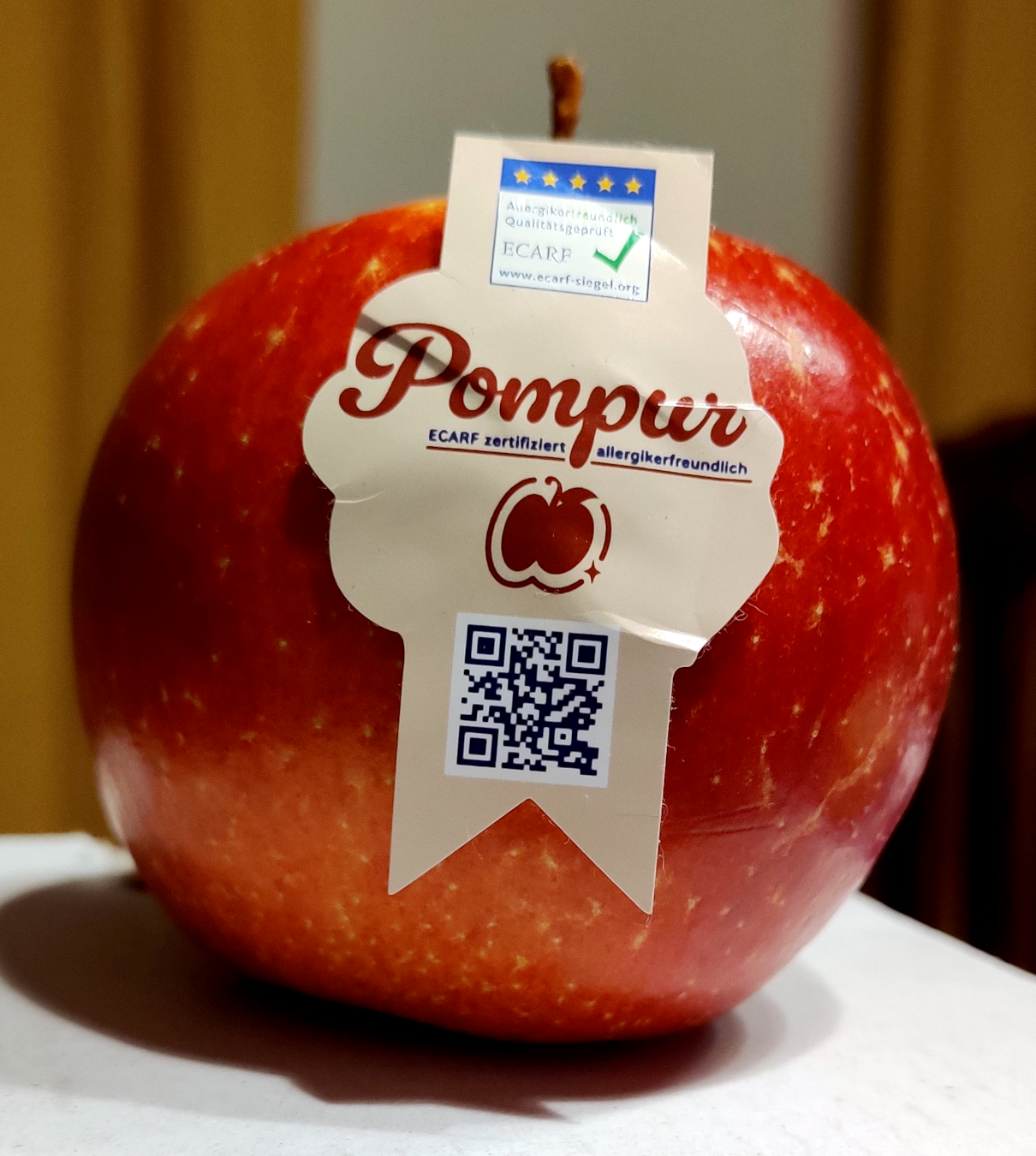
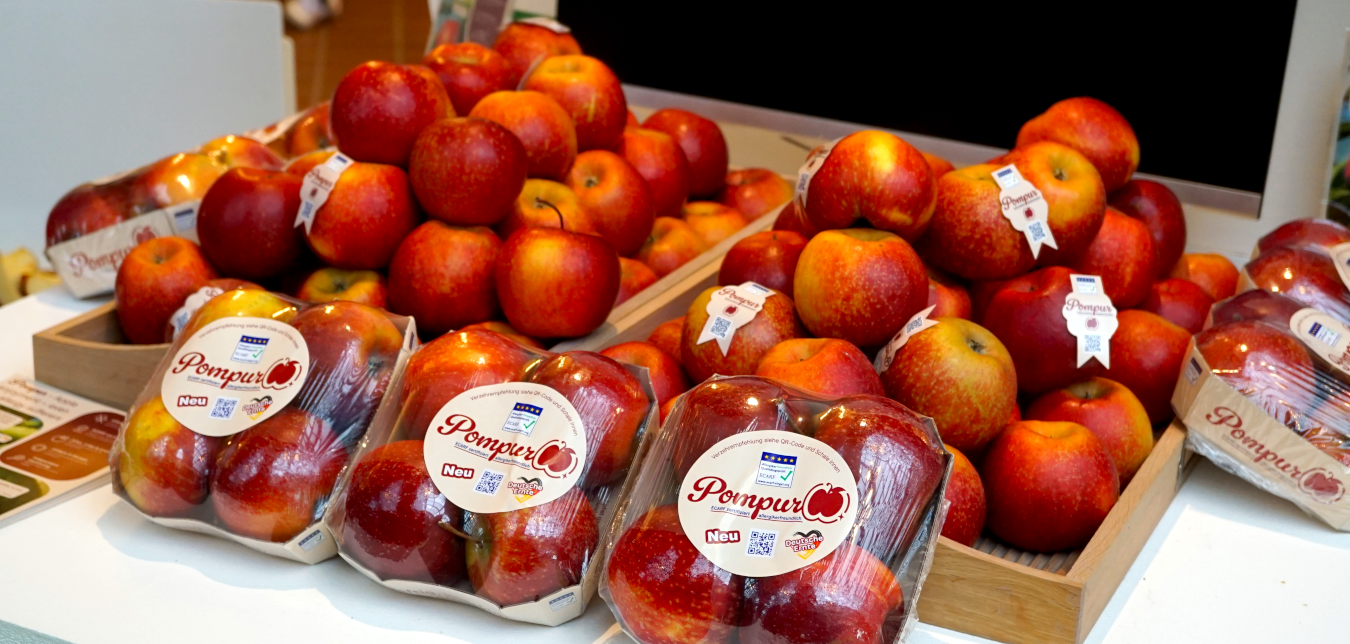
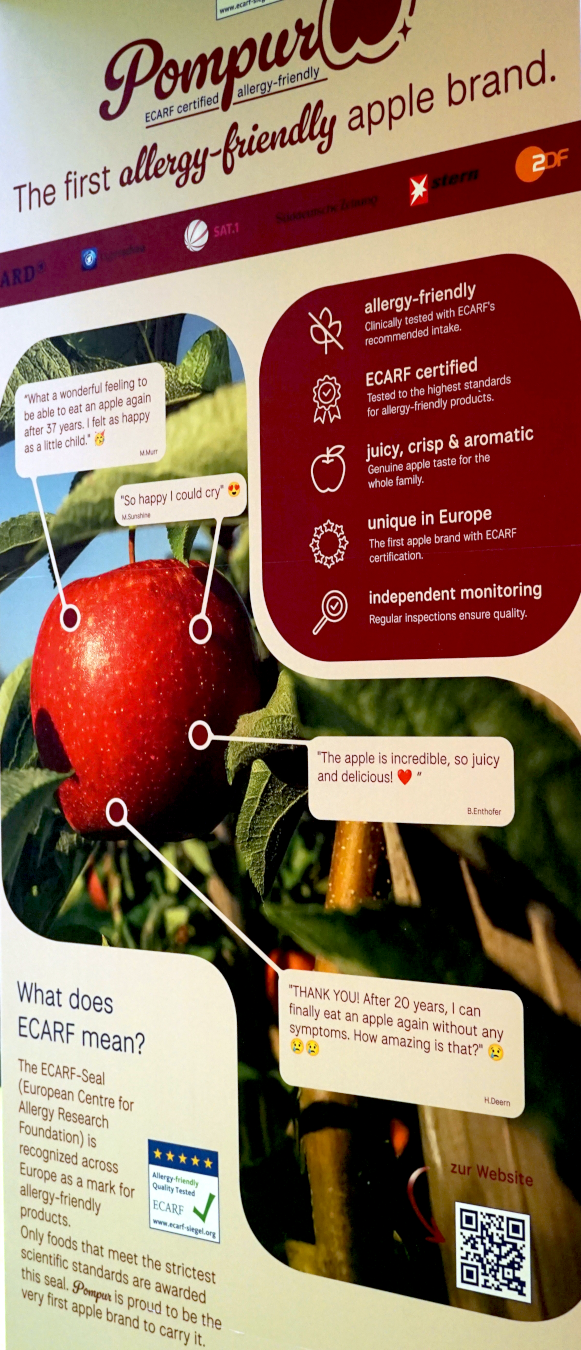 The Züchtungsinitiative Niederelbe (ZIN) won the Fresh Produce category with POMPUR, the world’s first apple brand certified as allergy-friendly by the European Centre for Allergy Research Foundation (ECARF).
POMPUR combines reduced allergenic potential with strong flavor characteristics and an attractive, crisp red appearance.
This innovation is considered highly relevant because it enables millions of consumers with apple-related intolerances to safely reintroduce fresh apples into their diets, combining accessibility, health awareness, and premium fruit quality.
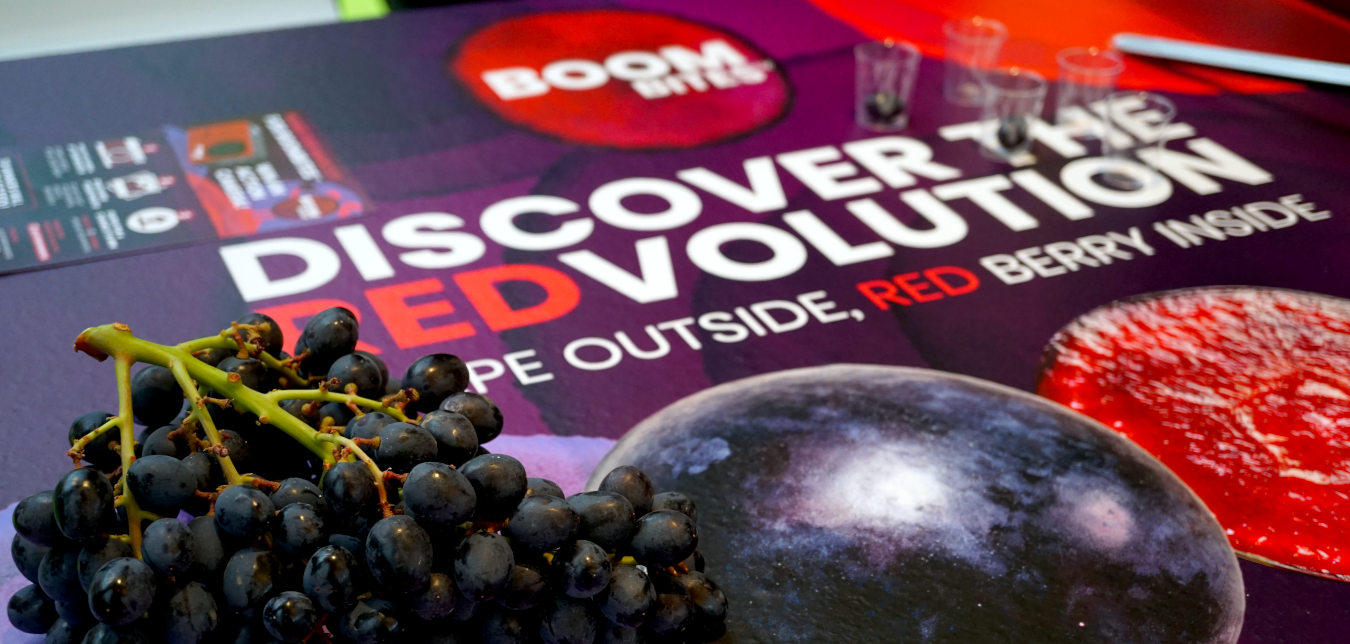
🍇 BOOMBITES™ Red Berry Grapes – Bloom Fresh (Fresh Produce)
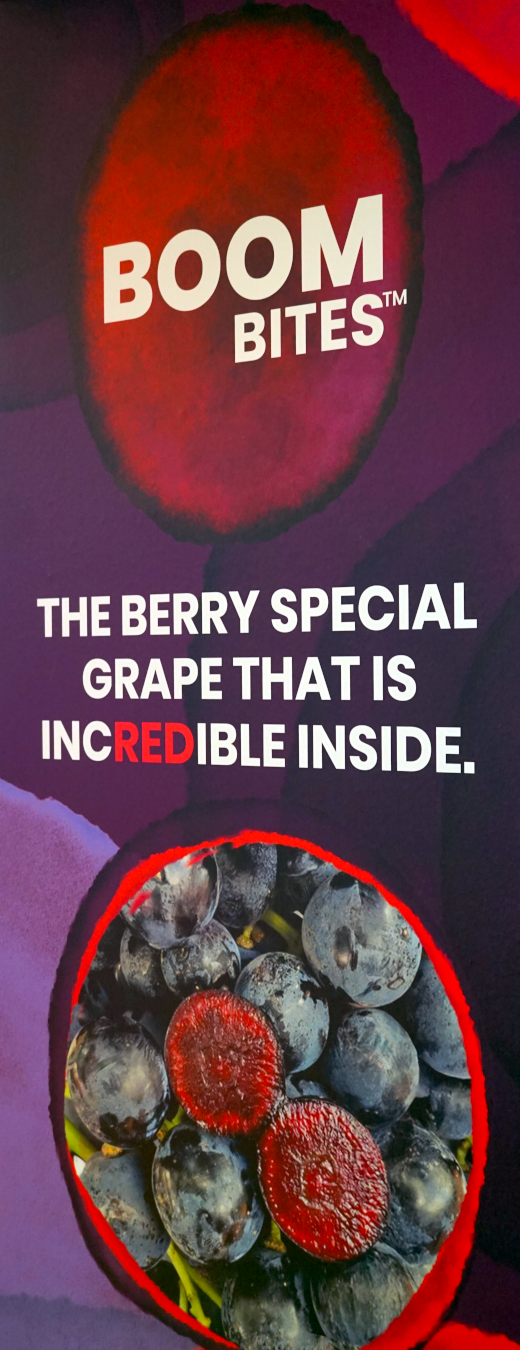 BOOMBITES™ Red Berry Grapes represent a newly developed table grape variety created through more than ten years of collaboration between the British company Bloom Fresh and leading global grape producers.
The grapes stand out due to their intense coloration, excellent flavor profile, and elevated levels of polyphenols known for their antioxidant and anti-inflammatory properties.
This combination of premium taste and functional health benefits positions BOOMBITES™ as a strong contender within the premium snack-grape segment and highlights the increasing importance of fruit varieties offering both sensory and nutritional value.
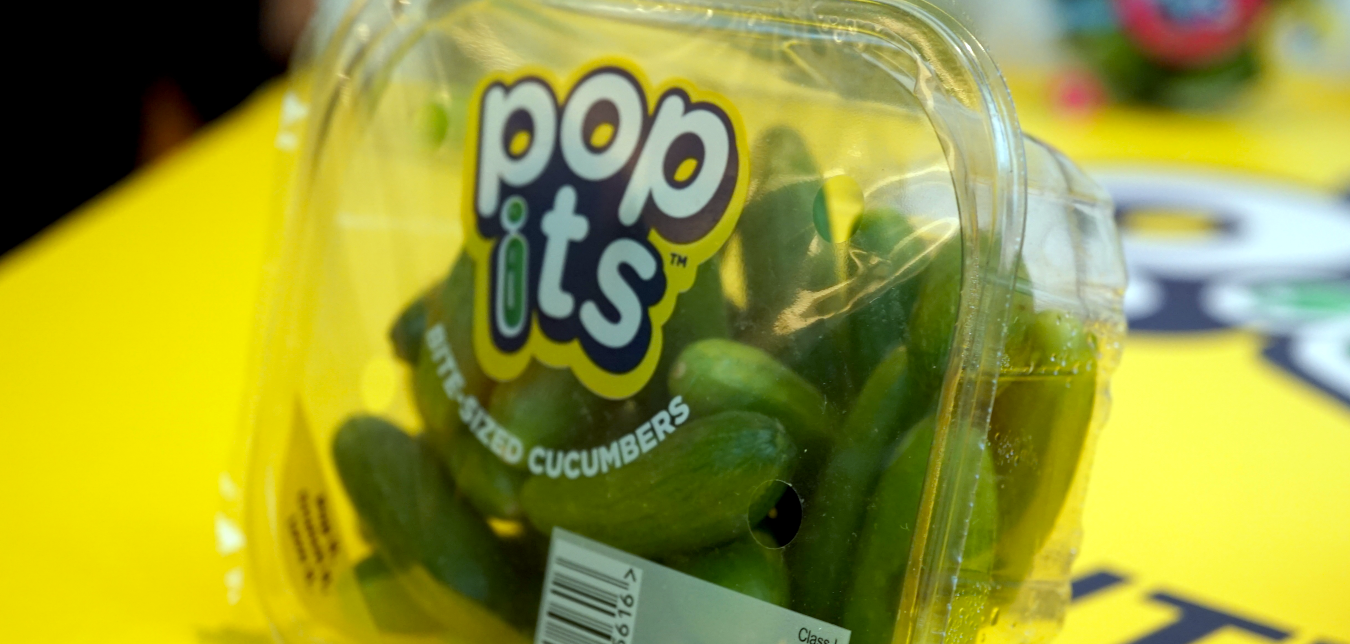
🥒 POPITS™ Snack Cucumber – Harmoniz Ltd. & Mastronardi Produce (Fresh Produce)
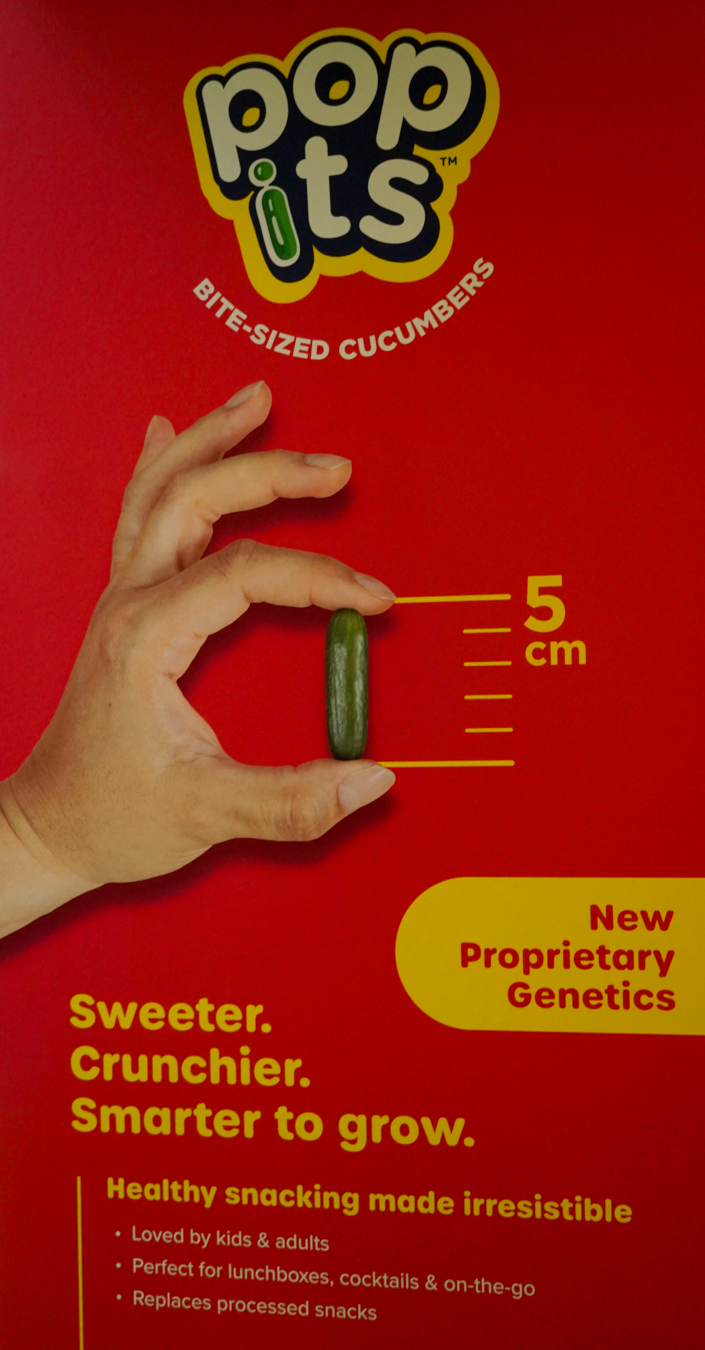 POPITS™ Snack Cucumbers are the result of a joint development between Israeli breeder Harmoniz Ltd. and Canadian producer Mastronardi Produce.
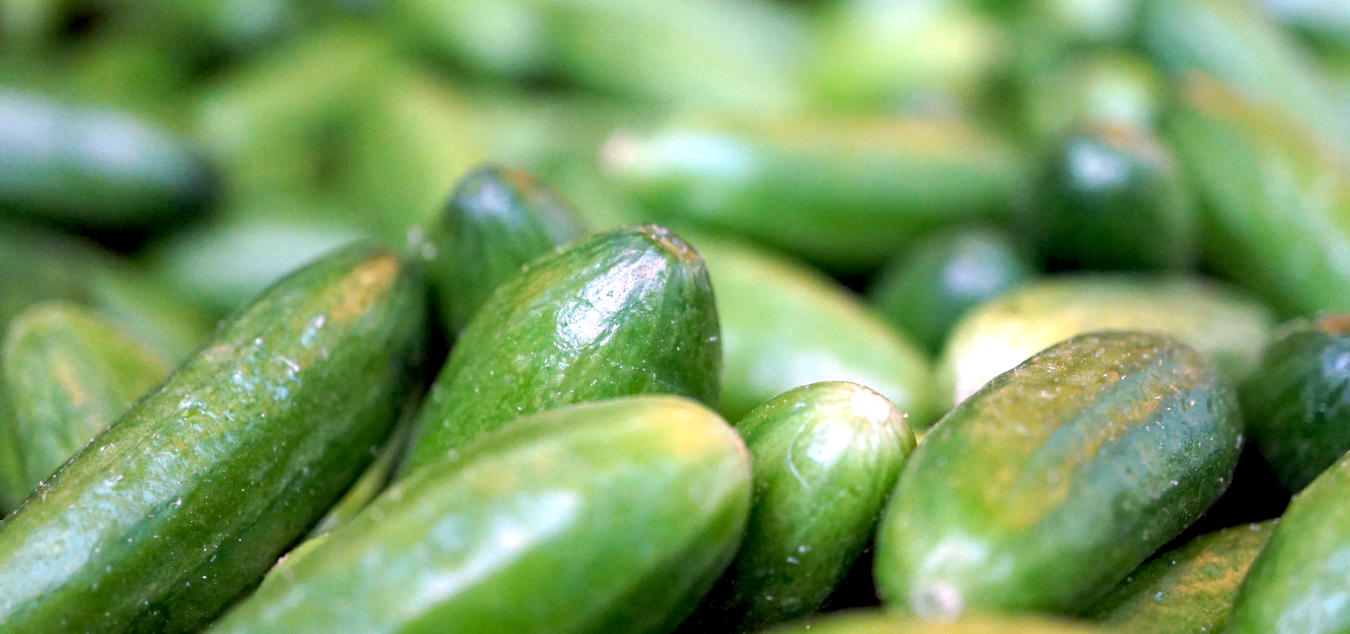
The mini cucumber variety measures approximately 4–5 cm in length and features approximately 1° Brix higher sweetness compared to conventional cucumbers, combined with a crisp texture and uniform shape.
For growers, this variety also offers high yield performance and reduced harvesting losses, providing measurable advantages throughout the entire supply chain.
🍅 Sapori | Finest Selection – Wim Peters Kwekerijen (Fresh Produce)
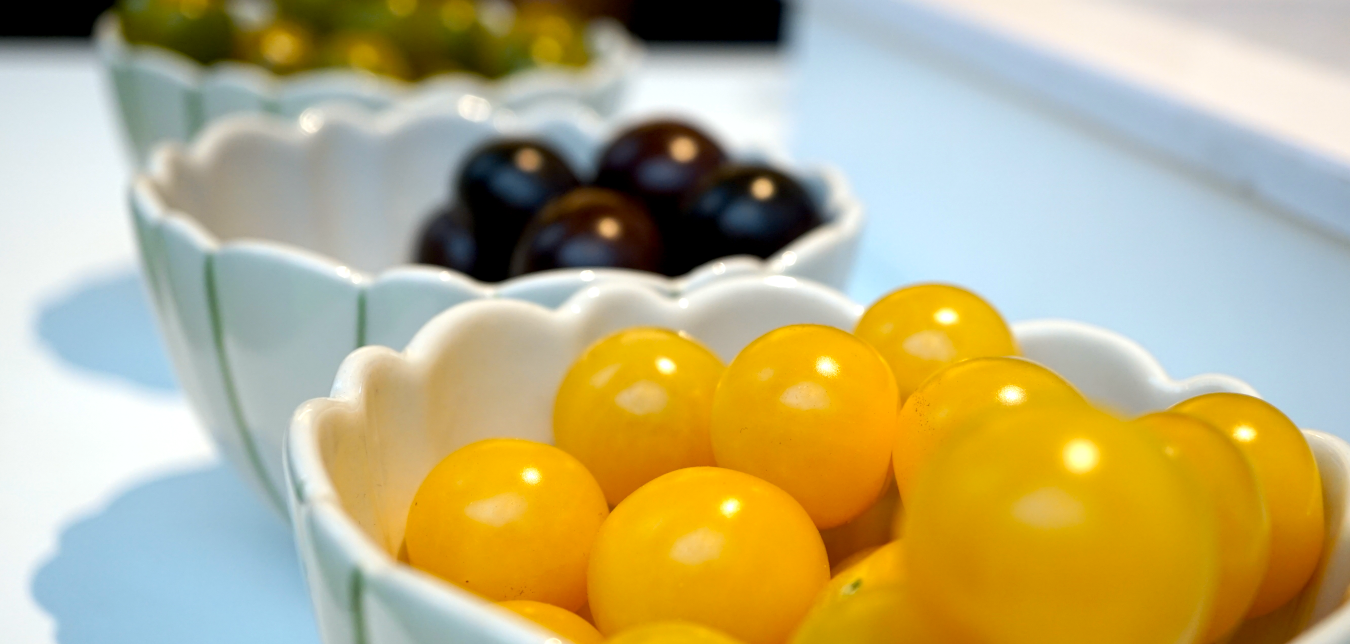
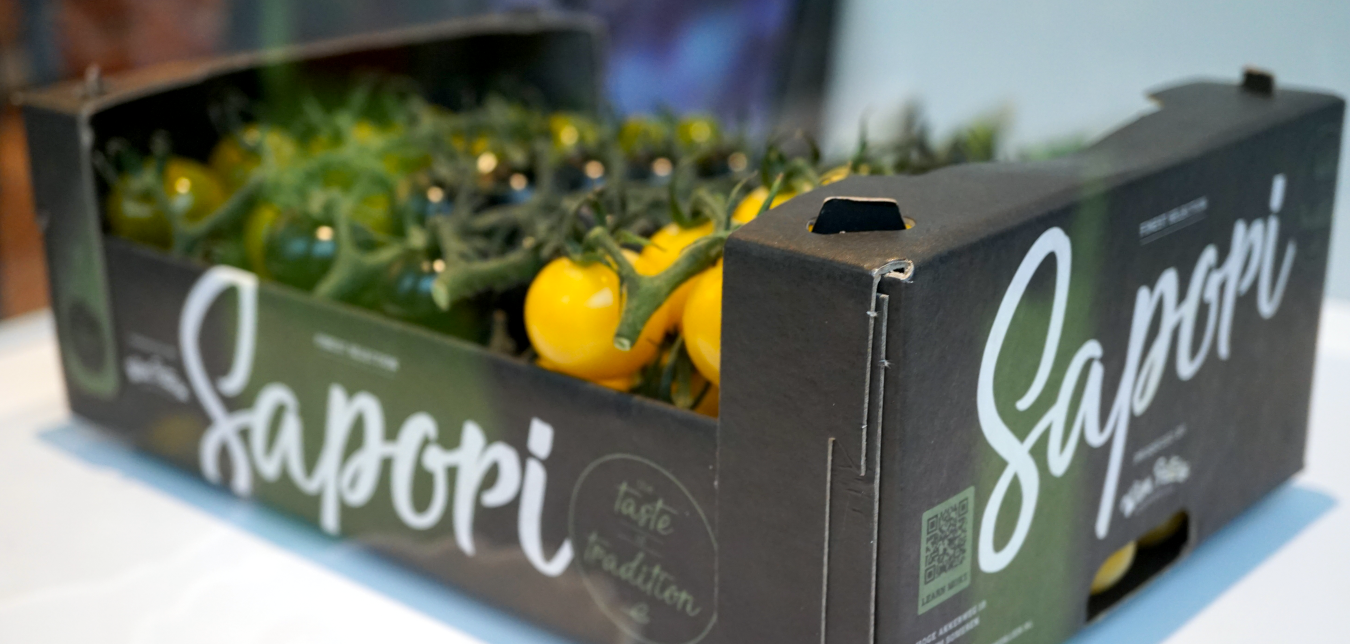
Sapori | Finest Selection is a premium assortment of mini cherry tomatoes produced by the Dutch company Wim Peters Kwekerijen. The product line is distinguished by exceptional color diversity and flavor complexity, including varieties in ivory, black, and green tones. Developed specifically for high-end retail and gastronomy markets, Sapori addresses consumers seeking superior visual appeal and differentiated taste experiences beyond standard tomato offerings.
🔥 Tribelli Seedless – Enza Zaden Beheer B.V. (Fresh Produce)
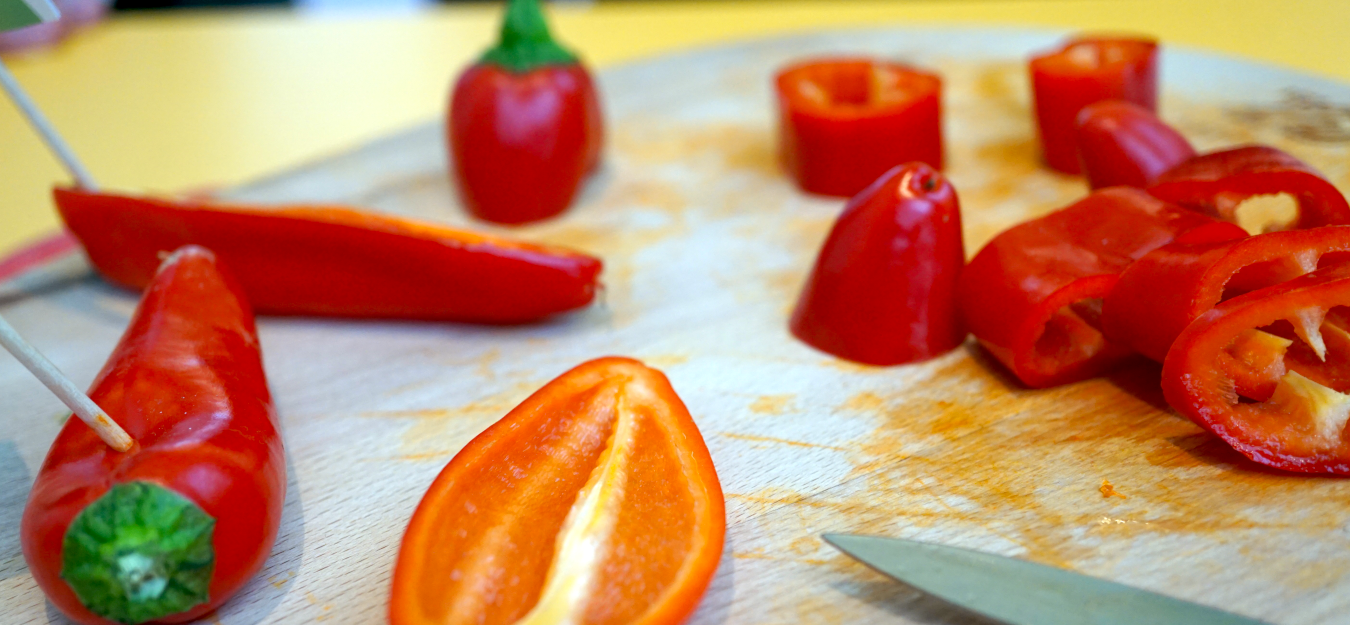
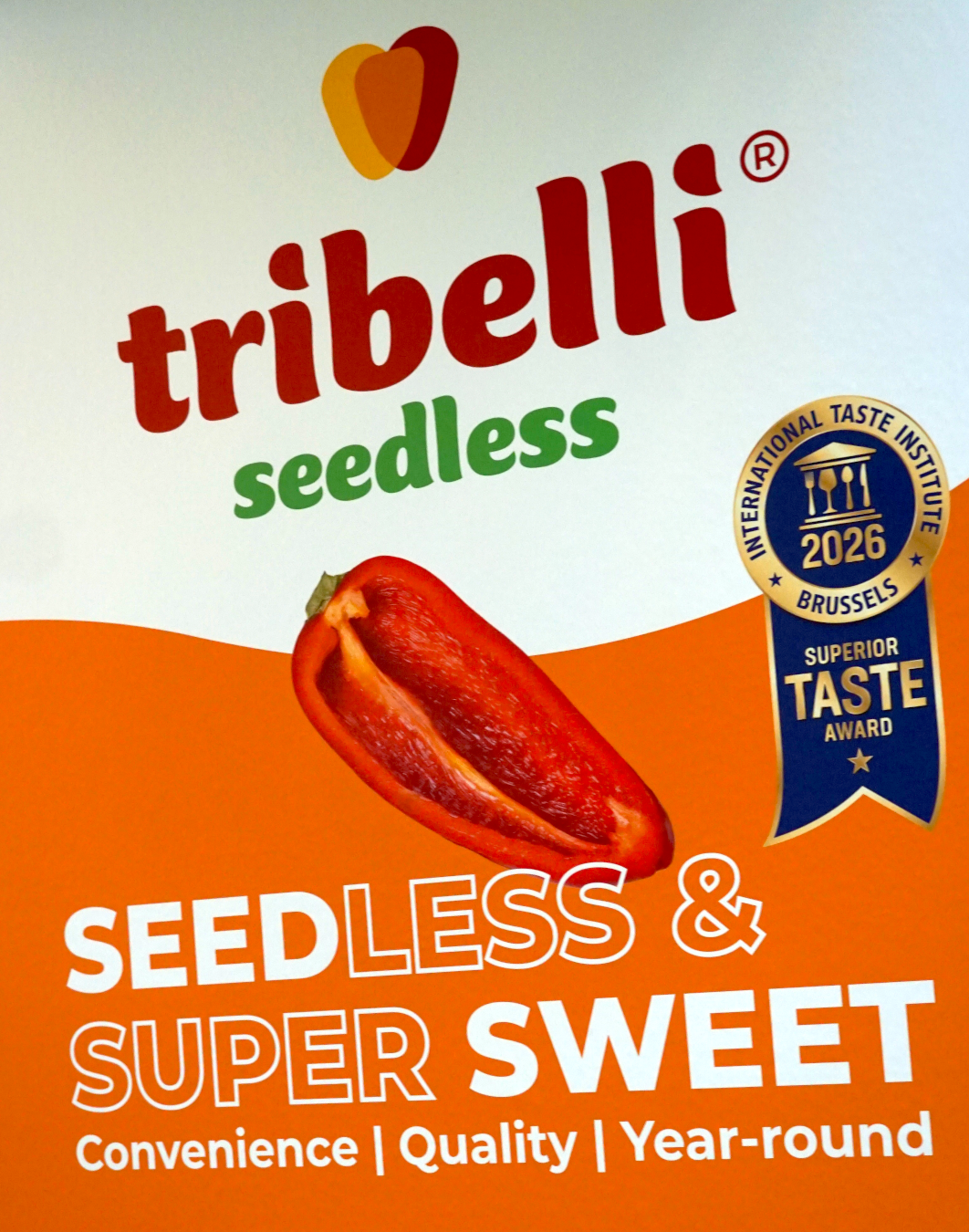 Presented by the Dutch seed specialist Enza Zaden Beheer B.V., Tribelli Seedless is an innovative seedless mini sweet pepper variety characterized by intense flavor, pronounced crunchiness, and immediate ready-to-eat convenience.
The product directly targets the expanding healthy snacking segment by combining nutritional value with consumer-friendly usability and consistent product quality.
Technology Category – Innovation in Agriculture and Logistics
🛩️ L50 Drone – ABZ Innovation Ltd. (Winner)
Hungarian manufacturer ABZ Innovation Ltd. won the Technology category with the L50 agricultural drone, combining LiDAR sensor technology, extended flight duration, and a payload capacity of up to 50 liters. The drone supports highly precise application of crop protection agents and fertilizers across areas of up to 24 hectares per flight. By improving operational efficiency and reducing resource consumption, the L50 drone provides scalable and sustainable solutions for large-scale agricultural operations.
🚀 AURA 2 SC – Trapview Group
The Slovenian company Trapview Group introduced AURA 2 SC, an advanced automated pest monitoring system combining UV-light attraction technology with an AI-driven self-cleaning mechanism. The system enables continuous insect monitoring and real-time population forecasting. Its integrated application provides predictive analytics and weather-related insights, significantly reducing labor costs, pesticide usage, and human error within integrated crop protection strategies.
♻️ Circular Cellulose Packaging – Compack
Belgian company Compack developed a circular cellulose packaging solution manufactured from mushroom substrate waste materials. The packaging is fully compostable, recyclable, and free from harmful substances, while using less paper than conventional fiber-based packaging. The innovation supports PPWR compliance and addresses increasing industry demand for environmentally sustainable packaging solutions across fresh produce logistics.
🛠️ High-Speed Grafter – TTA-ISO
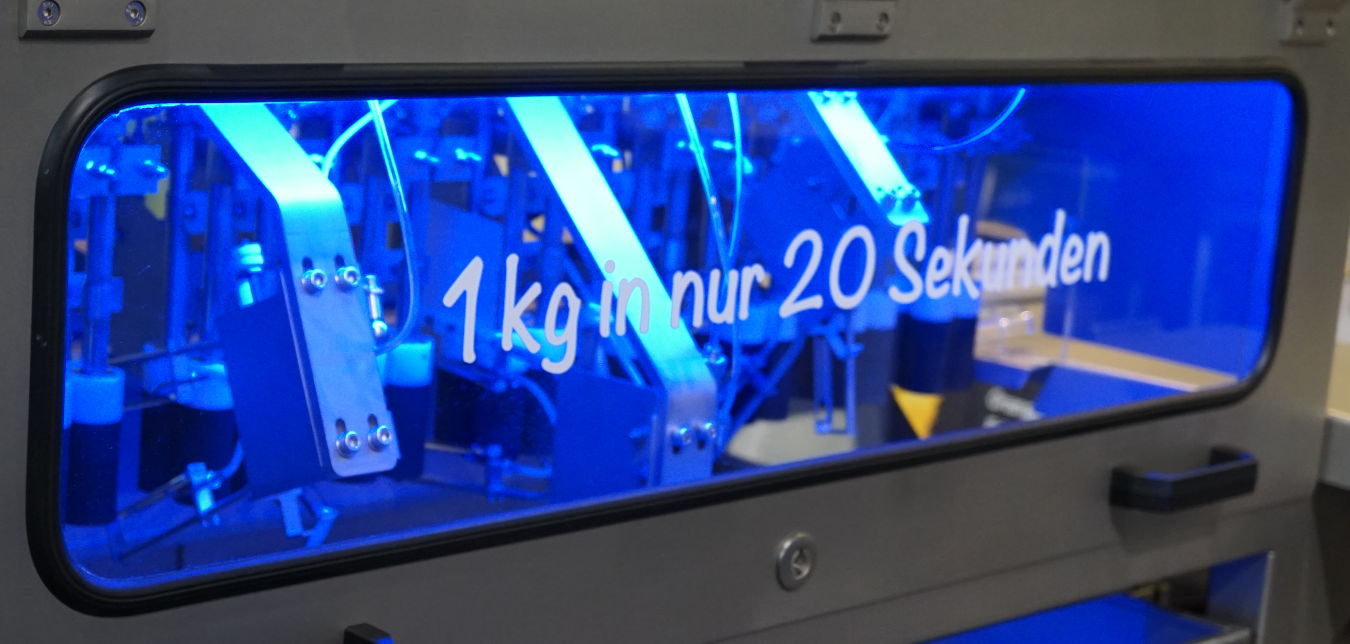
The Dutch company TTA-ISO presented the High-Speed Grafter, an automated grafting solution utilizing advanced image recognition, AI-assisted control, and a carousel-based processing system. The technology enables highly precise cuts above the cotyledon stage, improving grafting efficiency, hygiene standards, and throughput rates in the production of grafted fruit and vegetable seedlings.
☀️ 10. Solar Solution for Light-Loving Crops – Voltiris
Swiss company Voltiris was nominated for its Solar Solution for Light-Loving Crops, an innovative greenhouse technology that combines spectral light filtering with solar energy generation. The system optimizes plant growth conditions while simultaneously producing renewable energy, enabling growers to increase yields and significantly reduce greenhouse energy costs.

Sustainability as the Dominant Trade Fair Theme
In addition to innovation, sustainability was the central guiding theme of FRUIT LOGISTICA 2026. Discussions about biodiversity, water management, and CO₂ reduction highlighted growing regulatory and societal pressure.
Projects such as agrivoltaics and insect promotion programmes demonstrate that agriculture is increasingly fulfilling multifunctional roles (EU LIFE Project, 2026).
Global Perspectives – New Markets and Geopolitical Dynamics
Another key focus was the growing importance of Africa as a production and export region. The continent’s young population and agricultural resources offer new market potential but require investments in infrastructure and education (Fruitnet, 2026).
At the same time, experts discussed the impact of geopolitical uncertainties on global supply chains. Flexible logistics systems are considered essential for future supply security.
Conclusion: FRUIT LOGISTICA 2026 as a Reflection of an Industry in Transition
FRUIT LOGISTICA 2026 convincingly confirmed that the fruit and vegetable sector faces significant challenges. Climate change, rising costs, and geopolitical uncertainties are fundamentally transforming production and trade structures.
At the same time, the industry demonstrates exceptional innovative strength. New technologies, sustainable production methods, and consumer-oriented product developments are opening new growth opportunities.
The success of innovations such as POMPUR and the L50 Drone highlights that future viability increasingly depends on interdisciplinary approaches that combine agriculture, technology, and consumer needs.
Outlook for FRUIT LOGISTICA 2027
Several trends are already emerging for the next edition:
- Further expansion of digital agriculture
• Stronger integration of sustainable production systems
• Growth of alternative breeding methods
• Intensified international cooperation
FRUIT LOGISTICA will therefore continue to play a key role as an innovation platform and industry network.

📚 Complete Source References
- Agrarmarkt Informations-Gesellschaft (AMI) / Fruitnet Media International (2026): European Statistics Handbook 2026. Berlin.
- ABZ Innovation (2026): Product information L50 Drone.
- EU LIFE Project “Insect-friendly regions” (2026): Biodiversity programmes in the agricultural sector.
- FiBL – Research Institute of Organic Agriculture (2026): Microorganisms for seed treatment.
- Fruitnet Media International (2026): Market analyses and industry reports on FRUIT LOGISTICA.
- Messe Berlin (2026): Press information and event reports on FRUIT LOGISTICA 2026.
- Stölken, Maik (2026): Statement on the apple brand POMPUR, Niederelbe breeding initiative.
- FRUIT LOGISTICA (2026). Innovation Award 2026 Press Release. Messe Berlin GmbH.
- FRUIT LOGISTICA (2026). Innovation Award Programme & Nominees. Official FLIA information.
- FreshFruitPortal (2026). 10 Game-Changing Innovations Nominated for the Fruit Logistica Innovation Award 2026.
- Fruitnet Media International (2026). Finalists Revealed for Fruit Logistica Innovation Awards 2026.
- Trapview (2026). AURA 2 SC Nomination Announcement.
AI-supported systems were used during the research for this article, including OpenAI ChatGPT, Google Gemini, and Anthropic Claude. AI was used exclusively as an aid. The selection, evaluation, editorial classification, structuring, and formulation, as well as the review of content and compliance with journalistic due diligence and copyright requirements, were and remain the responsibility of the publisher.